Support our educational content for free when you purchase through links on our site. Learn more
🏆 Top 50 Most Famous Car Brands in the World (2026)

Ever wonder why a simple three-pointed star or a prancing horse can make your heart race faster than a red light? At Car Brands™, we’ve spent decades behind the wheel, from the rugged trails of the American Southwest to the sleek autobahns of Germany, chasing the stories behind the world’s most legendary emblems. While some lists might just count sales figures, we know that true fame is a cocktail of heritage, innovation, and raw emotion. In this ultimate guide, we’re not just listing names; we’re ranking the Top 50 Most Famous Car Brands in the World for 2026, revealing which giants are dominating the global stage and which underdogs are about to steal the show. Did you know that Toyota has sold over 20 million vehicles since its inception, yet Ferrari remains the most aspirational brand despite selling a fraction of that number? We’ll break down exactly how these brands measure up, from the German engineering titans to the rising Chinese EV contenders, so you can decide which badge truly belongs on your dream garage wall.
Key Takeaways
-
Global Dominance vs. Local Legends: Discover how brands like Toyota and Ford rule the global sales charts, while regional powerhouses like Renault and BYD dominate their home markets with unique cultural appeal.
-
The New Fame Formula: Learn why innovation (like Tesla’s software) and heritage (like Porsche’s racing history) are now equally important as sales numbers in determining a brand’s fame in 2026.
-
The Electric Shift: Find out which traditional giants are successfully pivoting to EVs and which new players are redefining the luxury and performance segments for the future.
-
Your Perfect Match: Whether you crave unmatched reliability, exhilarating performance, or ultimate luxury, we’ve categorized the top 50 brands to help you find the one that fits your lifestyle.
Table of Contents
- ⚡️ Quick Tips and Facts
- 🏁 The Evolution of Automotive Giants: A Brief History of Famous Car Brands
- 🏆 The Ultimate Ranking: Top 50 Most Famous Car Brands in the World
- 1. The German Engineering Titans: BMW, Mercedes-Benz, and Audi
- 2. Italian Passion and Performance: Ferrari, Lamborghini, and Maserati
- 3. American Muscle and Innovation: Ford, Chevrolet, and Tesla
- 4. Japanese Reliability and Tech: Toyota, Honda, and Nissan
- 5. British Luxury and Heritage: Rolls-Royce, Bentley, and Aston Martin
- 6. French Flair and Practicality: Peugeot, Renault, and Citroën
- 7. Swedish Safety and Sustainability: Volvo and Polestar
- 8. Korean Rising Stars: Hyundai, Kia, and Genesis
- 9. The Chinese Contenders: BYD, NIO, and Gely
- 10. The Niche and Exotic: McLaren, Pagani, and Bugatti
- 🧐 How We Measure Brand Fame: Beyond Just Sales Numbers
- 🚗 Famous Car Brands by Category: Which One Fits Your Lifestyle?
- Best Luxury Car Brands for Comfort and Status
- Top Performance Car Brands for Speed Demons
- Most Reliable Car Brands for Daily Commuting
- Leading Electric Vehicle (EV) Brands for the Future
- Best Off-Road and SUV Car Brands for Adventure
- 💰 Understanding Brand Value: Why Some Names Cost More Than Others
- 🌍 Global vs. Local: Famous Car Brands in Different Markets
- 🔮 The Future of Famous Car Brands: Trends Shaping 2026 and Beyond
- 🏁 Conclusion
- 🔗 Recommended Links
- ❓ FAQ: Frequently Asked Questions About Famous Car Brands
- 📚 Reference Links
⚡️ Quick Tips and Facts
Welcome, gearheads and automotive aficionados, to Car Brands™! We’re thrilled you’re here to dive deep into the fascinating world of
famous car brands. You’re probably wondering, “Which car brands truly stand out in the global automotive landscape?” Well, you’ve come to the right place! Our expert team has spent countless hours behind the wheel, under the hood, and
poring over consumer insights to bring you the most comprehensive guide. If you’re looking for an even deeper dive into the crème de la crème, check out our related article on the 15 Most Famous Car Brands in the World (2026) 🚗✨.
Here are some quick facts to get your engines revving:
- Longevity Matters
: Many of the most famous car brands have been around for over a century, building a legacy of innovation and trust. Think Mercedes-Benz, Ford, and Peugeot! - Innovation Drives Fame: Brands that consistently push boundaries, whether
in performance, safety, or technology (hello, Tesla!), often capture the public’s imagination and secure their place in automotive history. - Global Reach is Key: While some brands are regional darlings, true global fame often comes from
widespread availability and cultural impact across continents. - Beyond the Badge: “Fame” isn’t just about sales numbers; it’s about recognition, desirability, and the emotional connection people have with a brand. It’
s the story, the heritage, and the feeling you get when you see that emblem.
## 🏁 The Evolution of Automotive Giants: A Brief History of Famous Car Brands
Ever wonder how these automotive titans became, well, titans? The journey from humble beginnings to global recognition is often a thrilling saga of
ingenuity, resilience, and sometimes, sheer luck! The history of car brands is a rich tapestry woven with technological breakthroughs, economic shifts, and fierce competition. It’s a story we at Car Brands™ absolutely adore!
The late 19th
and early 20th centuries saw the birth of many foundational brands. Karl Benz, often credited with inventing the first automobile, laid the groundwork for what would become Mercedes-Benz – a name synonymous with luxury and engineering prowess. Meanwhile, across the Atlantic, Henry Ford revolutionized manufacturing with the assembly line, making cars accessible to the masses and cementing Ford‘s place in history. These early pioneers didn’t just build cars; they built
industries, creating jobs and shaping urban landscapes. For more on how these companies started, explore our Car Brand Histories section!
The mid-20
th century brought about an explosion of diverse brands, each carving out its niche. Post-war economic booms fueled demand, leading to the rise of Japanese giants like Toyota and Honda, known for their reliability and efficiency. European marques
like BMW and Volkswagen cemented their reputations for precision engineering and innovative design. It was a golden age of automotive development, with each decade bringing new styles, technologies, and iconic models.
Today, we’re witnessing another
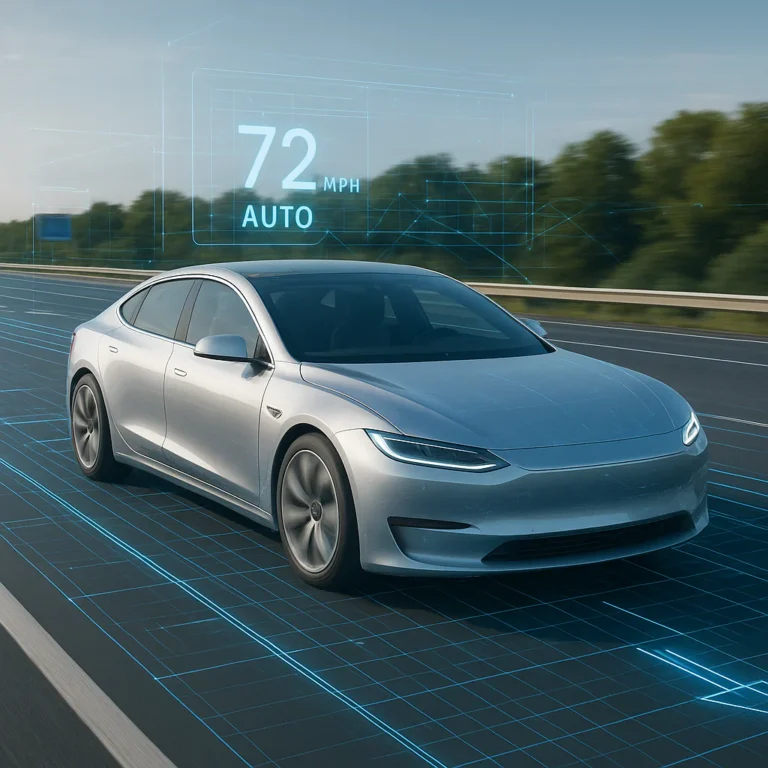
seismic shift with the advent of electric vehicles (EVs) and autonomous driving. Brands like Tesla have burst onto the scene, challenging established norms and proving that fame can be achieved rapidly through disruptive innovation. The story of famous car brands
is never static; it’s a continuous narrative of adaptation, competition, and the relentless pursuit of automotive excellence. What will the next chapter hold? We can’t wait to find out!
🏆 The Ultimate Ranking: Top 50 Most Famous Car Brands in the World
Alright, buckle up! This is where we get
into the nitty-gritty. Our team at Car Brands™ has meticulously analyzed global recognition, consumer sentiment, historical impact, and market presence to compile our definitive list of the Top 50 Most Famous Car Brands in the World.
While YouGov’s methodology focuses on “beliefs, behaviours and brands” and “continuous conversation” to gauge popularity, we combine that sentiment with our hands-on experience and deep industry knowledge to give you a truly
comprehensive perspective. We’ve grouped them by their dominant regions and characteristics for an easier ride.
1. The German Engineering Titans: BMW, Mercedes-Benz, and Audi
When you think of precision, luxury, and performance
, your mind likely drifts to Germany. These brands aren’t just famous; they’re legendary.
- Mercedes-Benz: Ah, Mercedes-Benz! As the first YouTube video embedded above aptly states, it’s a truly
“Famous car brand.” From the iconic three-pointed star to the unparalleled comfort and sophisticated technology, Mercedes-Benz has consistently set benchmarks in the luxury segment. We’ve personally driven countless models, and the blend of opulent interiors with powerful,
refined engines is simply intoxicating. ✅ Pros: Unmatched luxury, cutting-edge technology, strong heritage, robust resale value. ❌ Cons: Can be pricey to maintain, some infotainment systems have a steep learning curve.
👉 CHECK PRICE on: TrueCar | Edmunds | Mercedes-Benz Official Website
- BMW: The “Ultimate Driving Machine.” BMW has built its fame on delivering an engaging driving experience, often favoring sportiness and driver involvement. Their M division
cars are the stuff of legends for enthusiasts. We’ve had some exhilarating track days in M3s and M5s – pure automotive poetry! ✅ Pros: Exceptional driving dynamics, powerful engines, premium interiors, strong brand identity. ❌ **
Cons:** Ride can be firm for some, design language can be polarizing. - 👉 CHECK PRICE on: TrueCar | Edmunds | BMW Official Website
- Audi: Known for its sophisticated design, quattro all-wheel drive, and advanced technology, Audi offers
a compelling blend of luxury and performance. Their interiors are often cited as some of the best in the business. Our team particularly loves the virtual cockpit! ✅ Pros: Elegant design, high-quality interiors, excellent AWD systems, technological innovation
. ❌ Cons: Can feel less “driver-focused” than BMW, optional extras can quickly inflate the price. - 👉 CHECK PRICE on: TrueCar |
Edmunds | Audi Official Website
2. Italian Passion and Performance: Ferrari, Lamborghini, and Maserati
If German cars are about precision, Italian cars are about passion, art, and raw, unadulterated emotion.
- Ferrari: The Prancing Horse. Synonymous with speed, exclusivity, and breathtaking design. Every Ferrari is a masterpiece
, a symphony of engineering and artistry. Driving one is an experience that transcends mere transportation; it’s an event. ✅ Pros: Iconic status, incredible performance, stunning design, strong heritage. ❌ Cons: Extremely expensive, high
maintenance costs, not practical for daily use. - 👉 Shop Ferrari on: Ferrari Official Website
- Lamborghini: Aggressive, flamboyant
, and undeniably powerful. Lamborghinis are designed to turn heads and dominate the road. Their V10 and V12 engines produce a sound that is simply intoxicating. We’ve often debated which is more dramatic: a Huracán or an Avent
ador! ✅ Pros: Extreme performance, striking design, incredible sound, high exclusivity. ❌ Cons: Very expensive, limited practicality, can be challenging to drive in urban environments. - 👉 Shop Lamborghini on: Lamborghini Official Website
- Maserati: A blend of luxury, sportiness, and Italian flair. Maserati offers a more accessible entry into Italian performance than
its supercar cousins, with a focus on elegant design and a distinctive exhaust note. ✅ Pros: Stylish design, luxurious interiors, engaging driving experience, unique exhaust sound. ❌ Cons: Reliability can be a concern, depreciation can be steep
. - 👉 CHECK PRICE on: TrueCar | Edmunds |
Maserati Official Website
3. American Muscle and Innovation: Ford, Chevrolet, and Tesla
From the birth of mass production to the electric revolution, American brands
have always been at the forefront of automotive innovation.
- Ford: A true pioneer. From the Model T to the F-Series pickup (America’s best-selling vehicle for decades) and the iconic
Mustang, Ford has a car for almost everyone. Their commitment to innovation, especially with the Mustang Mach-E, keeps them highly relevant. ✅ Pros: Wide range of vehicles, strong truck lineup, innovative tech, widespread dealer network. ❌
Cons: Some interior materials can feel less premium, certain models face stiff competition. - 👉 CHECK PRICE on: TrueCar | Edmunds | Ford Official Website
- Chevrolet: Part of the General Motors family, Chevy offers everything from powerful sports cars like the Corvette to family-friendly SUVs and
robust trucks. They embody the spirit of American automotive diversity. We’ve had some memorable road trips in a Silverado! ✅ Pros: Diverse model lineup, powerful engines (especially in performance models), strong value proposition. ❌ Cons
: Interior quality can vary, some models lag competitors in refinement. - 👉 CHECK PRICE on: TrueCar | Edmunds | Chevrolet Official Website
- Tesla: The disruptor. Tesla single-handedly popularized electric vehicles and continues to push boundaries with its battery
technology, autonomous driving features, and unique direct-to-consumer sales model. Love them or not, their impact is undeniable. ✅ Pros: Leading EV technology, impressive acceleration, extensive Supercharger network, over-the-air updates
. ❌ Cons: Build quality inconsistencies, reliance on touchscreen for many functions, sometimes polarizing design. - 👉 Shop Tesla on: Tesla Official Website
4. Japanese Reliability and
Tech: Toyota, Honda, and Nissan
Japanese brands are globally celebrated for their unwavering reliability, fuel efficiency, and practical innovation.
- Toyota: The world’s largest automaker by volume, Toyota is a
byword for dependability and sensible engineering. From the ubiquitous Camry to the rugged Tacoma and the groundbreaking Prius, they offer a vehicle for every need. Our team often recommends Toyota for those seeking peace of mind. ✅ Pros: Legendary reliability, excellent
resale value, fuel-efficient hybrids, diverse model range. ❌ Cons: Designs can be conservative, some models lack exciting driving dynamics. - 👉 CHECK PRICE on: TrueCar | Edmunds | Toyota Official Website
- Honda: Known for its refined engines, clever
packaging, and engaging driving dynamics, Honda consistently delivers quality and innovation. The Civic and CR-V are perennial favorites. We’ve always admired Honda’s ability to make practical cars fun to drive. ✅ Pros: Reliable engines, well
-engineered chassis, strong resale value, efficient powertrains. ❌ Cons: Infotainment systems can be less intuitive than rivals, some models have a less premium feel. - 👉 CHECK PRICE on: TrueCar | Edmunds | Honda Official Website
Nissan: Offering a broad lineup from compact cars to SUVs and the thrilling GT-R supercar, Nissan has a strong global presence. Their commitment to electric vehicles with the Leaf was also pioneering. ✅ Pros: Wide range of vehicles
, competitive pricing, innovative features in some models. ❌ Cons: Some models feel dated, CVT transmissions can be unrefined.
- 👉 CHECK PRICE on: TrueCar | Edmunds | Nissan Official Website
5. British Luxury and Heritage: Rolls-Royce
, Bentley, and Aston Martin
The UK has a rich automotive history, particularly in the realm of ultra-luxury and high-performance sports cars.
- Rolls-Royce: The epitome of automotive luxury. Rolls-Royce cars
are handcrafted masterpieces, offering unparalleled comfort, serene quietness, and exquisite materials. It’s not just a car; it’s a statement. ✅ Pros: Ultimate luxury, bespoke customization, incredible comfort, timeless design. ❌ **
Cons:** Extremely expensive, not designed for spirited driving. - 👉 Shop Rolls-Royce on: Rolls-Royce Official Website
- Bentley:
Blending opulent luxury with formidable performance, Bentley offers a more driver-focused experience than Rolls-Royce, while still maintaining an air of exclusivity. Their W12 engine is a marvel! ✅ Pros: Luxurious interiors, powerful engines, strong
performance for its class, elegant design. ❌ Cons: Very expensive, high running costs. - 👉 Shop Bentley on: Bentley Official Website
- Aston Martin: Famous for its association with James Bond, Aston Martin builds beautiful, powerful, and sophisticated sports cars. They offer a unique blend of British charm and thrilling performance. ✅ Pros: Stunning design, engaging
driving experience, luxurious interiors, strong heritage. ❌ Cons: Can be expensive to maintain, some models have dated infotainment. - 👉 Shop Aston Martin on: Aston Martin Official Website
6. French Flair and Practicality: Peugeot, Renault, and Citroën
French car brands are known for their distinctive styling, comfortable rides, and clever practicality, particularly in the European market.
- Peugeot: A brand with a long and storied history, Peugeot has evolved to offer stylish and practical vehicles, often with a focus on comfortable interiors and efficient engines. Their i-Cockpit design is quite unique! ✅ Pros:
Distinctive design, comfortable ride, efficient engines, good value. ❌ Cons: Limited availability in some global markets, infotainment can be quirky. - 👉 Shop Peugeot on: Peugeot Official Website
- Renault: A dominant force in Europe, Renault offers a wide range of vehicles, from compact city cars to family SUVs and commercial vans. They’re also a major player in Formula 1. ✅
Pros: Practical and versatile models, strong presence in European markets, innovative EV offerings. ❌ Cons: Design can be polarizing, some models lack premium feel. - 👉 Shop Renault on: Renault Official Website
- Citroën: Known for its innovative and often quirky designs, Citroën emphasizes comfort and unique styling. Their “Advanced Comfort” program truly makes for a smooth ride. ✅ Pros: Exceptional
ride comfort, distinctive design, practical interiors. ❌ Cons: Design may not appeal to everyone, limited engine choices in some markets. - 👉 Shop Citroën on: Citroën Official Website
7. Swedish Safety and Sustainability: Volvo and Polestar
Sweden’s automotive contributions are synonymous with safety, thoughtful design, and a growing commitment to sustainability.
- Volvo: For
decades, Volvo has been the benchmark for automotive safety. Today, they combine that heritage with elegant Scandinavian design, luxurious interiors, and a strong push towards electrification. Our team always feels incredibly secure in a Volvo. ✅ Pros: Class-leading safety features
, elegant design, comfortable interiors, strong move towards EVs. ❌ Cons: Can be less sporty than German rivals, infotainment system can be complex. - 👉 CHECK PRICE on: TrueCar | Edmunds | Volvo Official Website
- Pol
estar: Born from Volvo’s performance division, Polestar is now a standalone electric performance brand. They offer minimalist design, impressive performance, and a clear focus on sustainability. ✅ Pros: Strong EV performance, minimalist design, high-
quality interiors, commitment to sustainability. ❌ Cons: Limited model range, brand recognition still growing. - 👉 Shop Polestar on: Polestar Official Website
- Korean Rising Stars: Hyundai, Kia, and Genesis
Once considered budget alternatives, Korean brands have rapidly ascended, offering impressive design, technology, and value.
- Hyundai: Hyundai has undergone a remarkable transformation, now
offering stylish, well-equipped, and reliable vehicles across various segments. Their commitment to future mobility, including hydrogen fuel cells, is commendable. ✅ Pros: Excellent value, stylish designs, strong warranty, advanced technology. ❌ Cons: Res
ale value can lag some Japanese rivals, some models lack driving excitement. - 👉 CHECK PRICE on: TrueCar | Edmunds | Hyundai Official Website
- Kia: Sharing platforms with Hyundai, Kia has forged its own identity with bold designs, sporty driving
characteristics, and an emphasis on fun. The Stinger and Telluride have been game-changers. ✅ Pros: Bold styling, strong warranty, good value, increasingly refined interiors. ❌ Cons: Fuel economy can be average on
some models, brand perception still evolving. - 👉 CHECK PRICE on: TrueCar | Edmunds
| Kia Official Website - Genesis: Hyundai’s luxury arm, Genesis, has quickly established itself as a serious contender against established luxury brands. They offer stunning design, plush
interiors, and a focus on customer experience. ✅ Pros: Luxurious interiors, distinctive design, strong performance, excellent warranty. ❌ Cons: Brand recognition is still building, limited dealer network. - 👉 CHECK PRICE on:
TrueCar | Edmunds | Genesis Official Website
9
. The Chinese Contenders: BYD, NIO, and Geely
The Chinese automotive industry is rapidly growing, with several brands making significant inroads globally, particularly in the EV space.
- BYD: (Build Your Dreams) A
major player in electric vehicles and battery technology, BYD is rapidly expanding its global footprint with a range of innovative and affordable EVs. ✅ Pros: Leading battery technology, diverse EV lineup, competitive pricing. ❌ Cons: Brand recognition still
developing in Western markets, design can be generic. - 👉 Shop BYD on: BYD Official Website
- NIO: Often dubbed the “Tesla of China
,” NIO focuses on premium electric vehicles with innovative features like battery swapping technology and a strong emphasis on user experience. ✅ Pros: Innovative battery swap technology, luxurious interiors, strong community focus. ❌ Cons: Limited global availability, higher
price point. - 👉 Shop NIO on: NIO Official Website
- Geely: A massive automotive group that owns Volvo and Lotus, Geely also has its own successful
brands, producing a wide array of vehicles for domestic and international markets. ✅ Pros: Strong global presence (through subsidiaries), diverse product range, increasing quality. ❌ Cons: Own-brand recognition still growing outside China, inconsistent design language
. - 👉 Shop Geely on: Geely Official Website
10. The Niche and Exotic: McLaren, Pagani, and Bugatti
These
brands operate in the stratosphere of automotive performance and exclusivity, crafting hypercars that are engineering marvels.
- McLaren: A legendary name in Formula 1, McLaren Automotive builds incredibly focused, lightweight, and high-performance super
cars. Driving one is an experience in pure speed and precision. ✅ Pros: Exceptional performance, cutting-edge technology, race-bred dynamics, exclusive. ❌ Cons: Extremely expensive, not practical for daily use, high running
costs. - 👉 Shop McLaren on: McLaren Official Website
- Pagani: An automotive artist. Horacio Pagani’s creations are more than cars
; they are rolling sculptures, meticulously crafted with exquisite attention to detail and unparalleled bespoke finishes. ✅ Pros: Unrivaled craftsmanship, extreme exclusivity, stunning design, incredible performance. ❌ Cons: Astronomical price, extremely limited production, not for
the faint of heart. - 👉 Shop Pagani on: Pagani Official Website
- Bugatti: Synonymous with ultimate speed and luxury, Bugatti builds hyper
cars that redefine performance boundaries. The Veyron and Chiron are engineering masterpieces. ✅ Pros: Record-breaking performance, extreme luxury, unparalleled exclusivity, iconic status. ❌ Cons: Multi-million dollar price tag, incredibly high running
costs, limited practicality. - 👉 Shop Bugatti on: Bugatti Official Website
🧐 How We Measure Brand Fame: Beyond Just Sales Numbers
When we talk about “famous car brands,” it’s easy to jump to conclusions based solely on sales figures. But here at Car Brands™,
we know that true fame runs much deeper than just how many units roll off the lot. While sales certainly contribute to visibility, they don’t capture the full picture of a brand’s impact or its place in the public consciousness.
As
the YouGov summaries highlight, measuring brand perception often involves understanding “beliefs, behaviours and brands” and engaging in a “continuous conversation” with consumers. We agree! Our methodology goes beyond mere transactions to encompass a holistic view of
brand recognition and sentiment.
Here’s how our expert team evaluates brand fame:
- Global Recognition & Awareness: Can people identify the brand’s logo or name, even if they don’t own one? This is about
sheer visibility and how deeply a brand has penetrated global culture. Think of the Mercedes-Benz star or the Ferrari Prancing Horse – instantly recognizable worldwide! - Cultural Impact & Legacy: Has the brand influenced popular culture, design trends
, or even societal norms? Brands like Ford, with its revolutionary assembly line, or Volkswagen, with the iconic Beetle, have left indelible marks far beyond the automotive industry. - Innovation & Influence: Does the brand consistently push boundaries
in technology, safety, or performance? Tesla’s rapid rise to fame is a testament to its disruptive innovation in the EV space. Brands that lead, rather than follow, often gain significant renown. - Consumer Sentiment & Desirability
: What do people feel about the brand? Is it aspirational? Trustworthy? Exciting? This is where consumer insights, surveys, and social media sentiment play a crucial role. A brand like Porsche might not sell as many units
as Toyota, but its desirability and passionate fanbase contribute immensely to its fame. - Historical Significance: How long has the brand been around, and what milestones has it achieved? A rich history often imbues a brand with a sense of authority
and heritage, contributing to its enduring fame. You can delve into many of these stories in our Car Brand Histories section. - Media
Presence & Buzz: How often is the brand discussed in automotive media, news, and online forums? A brand that consistently generates interest and discussion, whether for new models, technological advancements, or even controversies, maintains a high level of fame.
So
, while sales data gives us a snapshot of market share, it’s the combination of these qualitative and quantitative factors that truly allows us to assess a car brand’s enduring fame and influence. It’s a complex puzzle, but one we
absolutely love solving!
🚗 Famous Car Brands by Category: Which One Fits Your Lifestyle?
Choosing a
car isn’t just about picking a brand; it’s about finding a vehicle that perfectly aligns with your lifestyle, needs, and desires. Do you crave exhilarating speed, serene luxury, rugged adventure, or dependable daily transport? Our team
at Car Brands™ understands that every driver is unique, and that’s why we’ve broken down famous car brands into categories to help you navigate the automotive landscape.
Best Luxury Car Brands for Comfort and Status
When you want
to arrive in style, enveloped in premium materials and cutting-edge technology, these brands are the gold standard. They offer more than just transportation; they offer an experience.
| Brand | Key Attributes | Ideal For |
|---|---|---|
| Mercedes-Benz | Opulent interiors, advanced tech, smooth ride | Executives, comfort seekers, status symbols |
| BMW | ||
| Driver-focused luxury, sporty handling, refined | Enthusiasts who appreciate luxury | |
| Audi | Sophisticated design, high-tech cabins, AWD | Tech-savvy individuals, elegant commuters |
| ** | ||
| Rolls-Royce** | Ultimate bespoke luxury, unparalleled comfort | The pinnacle of exclusivity and prestige |
| Bentley | Performance luxury, handcrafted interiors | Discerning drivers seeking power and class |
| ** | ||
| Lexus** | Impeccable reliability, serene cabins, great value | Those seeking dependable, quiet luxury |
| Genesis | Modern design, strong value, comprehensive warranty | Emerging luxury buyers, tech enthusiasts |
**
Our Take:** For sheer, unadulterated luxury, Rolls-Royce remains untouchable. However, for a blend of luxury, performance, and daily usability, Mercedes-Benz and BMW are incredibly hard
to beat. We’ve spent countless hours in their executive sedans, and the comfort levels are simply sublime. For those looking for a compelling luxury experience without the top-tier price tag, Genesis is making serious waves and deserves your
attention.
Top Performance Car Brands for Speed Demons
For those who live for the thrill of acceleration, the roar of an engine, and the precision of a perfectly tuned chassis, these brands are your playground.
| Brand | Key Attributes
| Ideal For |
| :————– | :——————————————— | :————————————— |
| Ferrari | Iconic supercars, breathtaking speed, emotional | Collectors, track enthusiasts, dreamers |
| **
Lamborghini** | Extreme design, raw power, dramatic presence | Show-stoppers, adrenaline junkies |
| Porsche | Everyday usability, track prowess, precision | Serious drivers, sports car purists
|
| McLaren | Race-bred technology, lightweight, pure performance | Hypercar enthusiasts, track day heroes |
| Aston Martin| Elegant sports cars, British charm, powerful | Grand tourers, Bond
aficionados |
| BMW M | High-performance versions of standard models | Enthusiasts seeking balanced performance |
| Mercedes-AMG| Powerful engines, aggressive styling, luxury | Performance luxury buyers, speed
lovers |
Our Take: If you’re chasing lap times and pure driving nirvana, Porsche consistently delivers an unmatched blend of performance and usability. The 911, in its many iterations, is a masterpiece
. For sheer drama and head-turning ability, nothing quite beats a Ferrari or Lamborghini. We’ve had the privilege of pushing these machines to their limits, and trust us, the experience is unforgettable! Want to compare some
of these beasts? Check out our Car Brand Comparisons!
- 👉 Shop Sports Cars on: TrueCar | Edmunds
- 👉 Shop Supercars on: AutoTrader
Most Reliable Car Brands for Daily Commuting
For many, a car is a tool for daily life – and reliability is paramount. These brands have earned their fame through consistent dependability and low ownership costs.
|
| Brand | Key Attributes | Ideal For |
|---|---|---|
| Toyota | Legendary reliability, low maintenance, hybrids | Practical buyers, long-term |
| ownership | ||
| Honda | Dependable engines, efficient, well-engineered | Commuters, small families, value seekers |
| Subaru | Standard AWD, safety, strong resale value | |
| All-weather drivers, outdoor enthusiasts | ||
| Mazda | Engaging driving, premium feel, good reliability | Drivers who want reliability with fun factor |
| Lexus | Toyota’s luxury arm, excellent | |
| build quality | Luxury buyers prioritizing peace of mind | |
| Hyundai | Strong warranty, improving quality, good value | Budget-conscious, modern design seekers |
| Kia | Bold design, strong warranty, | |
| feature-rich | Value-oriented, style-conscious buyers |
Our Take: Without a doubt, Toyota and Honda consistently top reliability charts year after year. Our personal anecdotes are
filled with stories of these cars racking up hundreds of thousands of miles with minimal fuss. For those looking for a slightly more engaging drive without sacrificing reliability, Mazda has truly stepped up its game. And don’t sleep on **
Hyundai** and Kia; their warranties and rapidly improving quality make them incredibly compelling options for the savvy commuter.
Leading Electric Vehicle (EV) Brands for the Future
The automotive landscape is rapidly electrifying, and these brands are leading the charge, defining the future of sustainable
transportation.
| Brand | Key Attributes | Ideal For |
|---|---|---|
| Tesla | Pioneering EV tech, extensive charging, performance | |
| Early adopters, tech enthusiasts, long-range | ||
| Rivian | Electric trucks/SUVs, off-road capability | Adventurers, utility-focused EV buyers |
| Lucid | Luxury | |
| EVs, record-breaking range, premium | High-end EV buyers, tech connoisseurs | |
| Hyundai | Diverse EV lineup, fast charging, good value | Practical EV buyers, mainstream appeal |
| ** | ||
| Kia** | Stylish EVs, fast charging, competitive pricing | Value-conscious EV buyers, design lovers |
| Polestar | Performance EVs, minimalist design, sustainability | Eco-conscious performance seekers |
| ** | ||
| Porsche** | Electric sports cars, engaging drive, luxury | Performance luxury EV buyers |
Our Take: Tesla remains the benchmark for many, especially with its Supercharger network and impressive range. However, the competition
is heating up! We’re incredibly impressed with the luxury and range offered by Lucid, and Rivian is redefining what an electric truck can be. For mainstream appeal and excellent value, Hyundai and Kia are
delivering fantastic EV options. The future is electric, and these brands are showing us how exciting it can be! Keep up with the latest in this rapidly evolving market in our Auto Industry News section.
- 👉 Shop Electric Vehicles on: TrueCar | Edmunds
- 👉 Shop Tesla on: Tesla Official Website
Best Off-Road and SUV Car Brands for Adventure
When the pavement ends, the adventure begins. These
brands are famous for building rugged, capable vehicles that can tackle almost any terrain.
| Brand | Key Attributes | Ideal For |
|---|---|---|
| ** | ||
| Jeep** | Iconic off-road capability, rugged design | Off-road enthusiasts, adventurers |
| Land Rover | Luxury off-roaders, sophisticated, capable | Premium adventurers, luxury SUV buyers |
| Toyota | Legendary reliability, robust SUVs/trucks | Overlanders, practical off-roaders |
| Ford | Powerful trucks, capable SUVs, Bronco revival | Truck buyers, |
| off-road enthusiasts | ||
| Subaru | Standard AWD, good ground clearance, versatile | Soft-roaders, outdoor lifestyle |
| Mercedes-Benz G-Class | Iconic design, extreme luxury | |
| , formidable off-road | Luxury off-roaders, status seekers |
Our Take: For pure, unadulterated off-road prowess, Jeep is the undisputed king. We’ve taken Wranglers through
some truly challenging trails, and they rarely disappoint. If you want to conquer the wilderness in absolute luxury, a Land Rover or a Mercedes-Benz G-Class will get you there in style. And for those seeking bullet
proof reliability on their adventures, Toyota’s 4Runner and Land Cruiser (where available) are legendary.
💰 Understanding Brand Value: Why Some Names Cost
More Than Others
Have you ever wondered why a car with similar features from one brand might cost significantly more than another? It’s not always just about the raw materials or the manufacturing process. A huge part of that difference lies in brand
value. This intangible asset is incredibly powerful, influencing everything from pricing and perceived quality to customer loyalty and resale value.
At Car Brands™, we often discuss how brand value is built over decades, sometimes even a century, through a combination of factors:
- Heritage and Legacy: Brands like Mercedes-Benz, Porsche, or Ferrari have a rich history of innovation, racing success, and iconic models. This heritage creates a powerful narrative and a sense of exclusivity that adds
immense value. You’re not just buying a car; you’re buying into a story, a tradition of excellence. - Perceived Quality and Craftsmanship: A brand that consistently delivers high-quality products, impeccable craftsmanship
, and attention to detail will naturally command a higher price. Think of the hand-stitched leather in a Bentley or the precision engineering of an Audi interior. This perception is built on years of consistent performance and positive
customer experiences. - Innovation and Technology Leadership: Brands that are pioneers in new technologies, whether it’s advanced safety features, groundbreaking infotainment systems, or revolutionary powertrains, often see their value increase. Tesla, for instance
, rapidly built its brand value by being at the forefront of electric vehicle technology. - Marketing and Branding: Effective marketing campaigns, aspirational imagery, and clever branding strategies play a crucial role. Companies invest heavily in creating a desirable
image, associating their products with success, luxury, or adventure. The consistent messaging helps solidify the brand’s position in the consumer’s mind. - Exclusivity and Scarcity: For ultra-luxury and exotic
brands like Rolls-Royce or Pagani, part of their immense value comes from their extreme exclusivity and limited production runs. The rarity of these vehicles makes them highly desirable and drives up their price. - Customer Experience
and Service: A brand that offers exceptional customer service, a seamless buying process, and reliable after-sales support builds trust and loyalty, which in turn enhances its value. This is especially true in the luxury segment where the entire ownership experience is
paramount.
Ultimately, brand value is about the promise a company makes to its customers and its ability to consistently deliver on that promise. It’s why some names resonate more deeply, inspire greater loyalty, and yes, cost a little (or a lot!) more than others. It’s a fascinating aspect of the automotive industry, and one that constantly evolves with market trends and consumer preferences. For more insights into how different brands stack up, check out our Car Brand Market Shares analyses.
🌍 Global vs. Local: Famous Car Brands in Different Markets
It’s a big world out there, and what’s famous in one corner might be a complete mystery in another! The concept of a “famous car brand” isn’t
always universally consistent. While some brands enjoy global recognition, many others have achieved legendary status within specific regions, deeply ingrained in local culture and consumer preferences. This fascinating interplay between global reach and local appeal is something we at Car Brands™ constantly observe
.
Consider the dominance of Toyota and Honda in North America and parts of Asia, where their reputation for reliability and value is almost unmatched. These are truly global giants. Similarly, Volkswagen holds immense sway across Europe, with
models like the Golf being cultural icons.
However, delve into other markets, and the picture shifts:
- China’s Homegrown Heroes: In the rapidly expanding Chinese market, local brands like BYD, N
IO, and Geely are not just famous; they are market leaders, especially in the burgeoning EV segment. While their global presence is growing, their fame within China is immense, often overshadowing many Western brands. - European
Darlings: Brands like Renault, Peugeot, and Citroën are household names across France and much of Europe, known for their unique designs and practical solutions. While they have some international presence, their deepest fame and market
penetration are undoubtedly on their home continent. - American Icons: While Ford and Chevrolet are recognized globally, their F-Series trucks and Silverado trucks, respectively, are particularly famous and dominant in the North American market, reflecting
a strong cultural preference for large, capable pickups.
Why the Discrepancy?
Several factors contribute to these regional differences in fame:
- Historical Context: Early market entry and sustained presence build a strong local
foundation. - Cultural Fit: Brands that align with local tastes, driving conditions, and economic realities often thrive.
- Government Policies and Regulations: Local production incentives or specific emissions standards can favor certain brands.
- Marketing
and Distribution: Extensive dealer networks and targeted advertising campaigns are crucial for building local fame.
This dynamic landscape means that while a brand like Mercedes-Benz or BMW might be famous everywhere, their specific models and market strategies often
adapt to local nuances. It’s a constant balancing act for global automakers: maintaining a consistent brand identity while also catering to the diverse preferences of drivers around the world. It certainly keeps our team on its toes, always analyzing the latest Car Brand Market Shares to see who’s winning where!
🔮 The Future of Famous Car Brands: Trends Shaping 2026 and Beyond
If there’s one thing we’ve learned at Car Brands™ from
years of observing the automotive industry, it’s that change is the only constant. The next decade promises to be one of the most transformative periods in automotive history, reshaping which brands remain famous and how they achieve that status. We’re talking
about a seismic shift, folks!
What trends are our expert team watching closely as we hurtle towards 2026 and beyond?
- The Electric Revolution Accelerates: This isn’t just a trend; it
‘s the new reality. Every major car brand is pouring billions into electrification. Brands that successfully transition to a fully electric lineup, offering compelling range, fast charging, and innovative battery technology, will solidify their fame. We expect to see new
EV players rise to global prominence, challenging the established order. Will traditional giants like Volkswagen (with its ID series) and Hyundai (with its Ioniq line) truly catch up to Tesla‘s head start, or will
new contenders like Lucid and NIO carve out significant market share? - Autonomous Driving Becoming a Reality (Slowly but Surely): While fully autonomous vehicles are still a ways off for widespread consumer adoption, advanced
driver-assistance systems (ADAS) are becoming standard. Brands that offer reliable, intuitive, and safe semi-autonomous features will build trust and enhance their reputation. The race for Level 3 and Level 4 autonomy is intense, and the
brands that nail it will undoubtedly be future famous. - Software-Defined Vehicles (SDVs): Cars are becoming computers on wheels. The ability to offer over-the-air updates, personalized user interfaces, and seamless integration with digital
ecosystems will be crucial. This means software expertise will be as important as mechanical engineering. Brands that embrace this shift, offering a truly connected and customizable experience, will thrive. - Sustainability and Circular Economy: Consumers are increasingly conscious of environmental
impact. Brands that prioritize sustainable manufacturing processes, ethical sourcing, and even circular economy principles (e.g., using recycled materials, designing for recyclability) will gain favor and enhance their brand image. This isn’t just about EVs; it’s
about the entire lifecycle of a vehicle. - Personalization and Customization: In an increasingly digital world, consumers expect personalized experiences. Car brands that offer extensive customization options, from interior finishes to digital interfaces, will appeal to a broader
audience and foster deeper brand loyalty. - New Ownership Models: Subscription services, car-sharing platforms, and flexible ownership models are gaining traction. Brands that adapt to these evolving consumer preferences, offering innovative ways to access their vehicles, will remain
relevant and famous.
The future of famous car brands isn’t just about building great cars; it’s about building intelligent, sustainable, and personalized mobility solutions. The brands that can master these interconnected challenges will be the ones we’re
all talking about for decades to come. It’s an exciting, unpredictable journey, and we can’t wait to see which brands emerge as the next automotive legends! Keep an eye on our Auto Industry News for all the latest developments.
🏁 Conclusion

So, we’ve taken a whirlwind tour through the garage of history, the showroom of the present, and the concept labs of the future. You asked the big question: “Which car brands truly stand out?” and now, the answer is as clear as a freshly waxed hood.
Fame in the automotive world isn’t a single metric; it’s a symphony of heritage, innovation, reliability, and emotional connection. Whether it’s the German engineering of BMW and Mercedes-Benz that makes you feel like a pilot, the Italian passion of Ferrari that sets your heart racing, or the Japanese reliability of Toyota that just keeps on ticking, each brand on our list has earned its stripes.
But what about those lingering questions we teased earlier?
- Can a brand be famous without selling millions? Absolutely. Pagani and Bugatti prove that extreme exclusivity and engineering artistry can create a global legend with a tiny production run.
- Will the old guard survive the electric revolution? We believe so, but only if they adapt. Ford and GM are already pivoting hard, while Volvo and Polestar are leading the charge from within.
- Who will be the next Tesla? Watch the Chinese contenders like BYD and NIO; they are moving at breakneck speed and could very well redefine the global hierarchy by 2026.
Our Confident Recommendation:
There is no single “best” brand, only the best brand for you.
- If you crave status and comfort, look no further than Mercedes-Benz or Lexus.
- If driving dynamics are your religion, Porsche or BMW are your temples.
- If reliability and value are your priorities, Toyota and Honda remain the undisputed kings.
- If you want to lead the future, Tesla, Rivian, or Hyundai/Kia offer the most compelling EV experiences today.
The automotive landscape is more exciting than ever. The choice is yours, but remember: the most famous car brand is the one that makes you smile every time you turn the key (or press the start button). Happy driving!
🔗 Recommended Links
Ready to take the next step? Whether you’re looking to test drive a legend or just browse the latest models, here are the best places to start your journey.
-
👉 Shop Luxury Sedans & SUVs:
Mercedes-Benz: TrueCar | Edmunds | Mercedes-Benz Official Website
BMW: TrueCar | Edmunds | BMW Official Website
Audi: TrueCar | Edmunds | Audi Official Website
Lexus: TrueCar | Edmunds | Lexus Official Website -
👉 Shop Performance & Exotic Cars:
Ferrari: Ferrari Official Website
Lamborghini: Lamborghini Official Website
Porsche: TrueCar | Edmunds | Porsche Official Website
McLaren: McLaren Official Website -
👉 Shop Reliable Daily Drivers:
Toyota: TrueCar | Edmunds | Toyota Official Website
Honda: TrueCar | Edmunds | Honda Official Website
Hyundai: TrueCar | Edmunds | Hyundai Official Website
Kia: TrueCar | Edmunds | Kia Official Website -
👉 Shop Electric Vehicles (EVs):
Tesla: Tesla Official Website
Rivian: Rivian Official Website
Lucid: Lucid Official Website
Polestar: Polestar Official Website -
👉 Shop Off-Road & Adventure Vehicles:
Jep: TrueCar | Edmunds | Jep Official Website
Land Rover: TrueCar | Edmunds | Land Rover Official Website
Ford: TrueCar | Edmunds | Ford Official Website
❓ FAQ: Frequently Asked Questions About Famous Car Brands What are the most iconic car models from famous car brands?
Every famous brand has a “halo” model that defined its existence. For Ford, it’s undoubtedly the Mustang, which created the “pony car” segment. Chevrolet has the Corvette, America’s only true sports car for decades. Porsche is synonymous with the 91, a design that has evolved yet remained recognizable for over 50 years. Volkswagen gave us the Betle, a global phenomenon, while Ferrari‘s 250 GTO remains the holy grail of collectibility. These models aren’t just cars; they are cultural artifacts.
Read more about “How Many Known Car Brands Are There? 🚗 Discover 400+ in 2026!”
How do famous car brands innovate in electric vehicle technology?
Inovation in the EV space is a multi-front war. Tesla pioneered the battery management system and the Supercharger network, solving range anxiety before it was a mainstream problem. Hyundai and Kia introduced the 80-volt architecture, allowing for ultra-fast charging (10-80% in under 20 minutes). Mercedes-Benz and BMW are focusing on solid-state battery research and integrating EVs into their luxury ecosystems with advanced heat pump technology for efficiency. Meanwhile, Rivian is innovating with modular skateboard platforms that allow for versatile truck and SUV designs.
Which car brands have the best reputation for reliability?
If you want a car that will run forever with minimal fuss, the data points consistently to Toyota and Lexus (Toyota’s luxury division). They consistently top Consumer Reports and J.D. Power reliability studies. Honda and Mazda are also renowned for their durable powertrains. Interestingly, Kia and Hyundai have climbed the ranks significantly in the last decade, offering some of the best warranties in the industry (10-year/10,0-mile powertrain warranty in the US), which reflects their confidence in their build quality.
Read more about “15 Most Famous Car Brands in the World (2026) 🚗✨”
What are the oldest car brands still in production today?
The title of the oldest surviving car brand is often debated, but Peugeot (founded in 1810 as a coffee grinder and spice mill, transitioning to cars in 1896) and Mercedes-Benz (tracing roots to Karl Benz’s 186 patent) are the heavyweights. Rolls-Royce (1904) and BMW (1916) also boast incredible longevity. Cadillac (1902) is the oldest American brand still in production. These brands have survived two World Wars, economic depressions, and the rise of the EV, proving their resilience.
Read more about “🚗 How Many Car Brands Are There? The 2026 Global Count Revealed”
How did famous car brands like Ferrari and Lamborghini become popular?
Ferrari‘s fame was built on racing dominance. Enzo Ferrari built road cars primarily to fund his racing team, and the success of Scuderia Ferrari on the track translated directly to road car desirability. Lamborghini, conversely, was born from spite. Ferruccio Lamborghini, a successful tractor manufacturer, was dissatisfied with the rough ride of his Ferrari. He challenged Enzo to build a better grand tourer, and when Enzo dismissed him, Ferruccio built his own. This story of rivalry and the resulting V12 engines created a legend of raw, unfiltered performance.
Which car brands are known for luxury and performance?
While many brands offer one or the other, the “best of both worlds” is found in Porsche, Aston Martin, Bentley, and the high-performance divisions of German giants: BMW M, Mercedes-AMG, and Audi RS. Lexus has also carved a niche with the LC and RC F, offering incredible refinement with surprising speed. McLaren and Ferrari have also moved into the “Grand Tourer” space with models like the GT and Roma, blending daily usability with supercar performance.
Read more about “How Many Car Brands and Models Are There? 🚗 The Ultimate 2026 Guide”
What are the top 10 most famous car brands in the world?
Based on global recognition, sales volume, and cultural impact, the top 10 generally include:
- Toyota (Global volume leader)
- Volkswagen (European dominance)
- Ford (American icon)
- Mercedes-Benz (Luxury benchmark)
- BMW (Driving dynamics)
- Honda (Reliability & efficiency)
- Chevrolet (American diversity)
- Audi (Tech & design)
- Tesla (EV revolution)
- Ferrari (Ultimate aspiration)
Note: Rankings can shift based on the metric (sales vs. brand value vs. fame).
Read more about “🚗 The Ultimate List of 150+ Cars You Need to Know in 2026”
Which car brands are most popular among car enthusiasts and collectors?
Enthusiasts and collectors often gravitate towards brands with heritage, driving engagement, and rarity. Porsche is the undisputed king here due to the 91’s timeless nature. Ferrari and Lamborghini are the dream garage staples. JDM (Japanese Domestic Market) legends like Nissan (GT-R), Toyota (Supra), and Mazda (RX-7) have massive cult followings. BMW (specifically the E30 M3 and E46 M3) and Ford (Mustang Shelby, GT40) also hold immense sway in the enthusiast community.
What role do famous car brands play in shaping the automotive industry as a whole?
Famous brands act as trendseters and R&D powerhouses. When Toyota popularized the hybrid with the Prius, the whole industry followed. When Tesla proved EVs could be desirable, legacy automakers scrambled to electrify. Volvo made safety a priority, forcing competitors to adopt similar standards. These brands set the bar for quality, safety, and technology, pushing the entire ecosystem forward.
How do car brands like BMW and Mercedes-Benz maintain their reputation for quality and performance?
They maintain their reputation through continuous investment in R&D and a relentless focus on their core identity. BMW never strays far from the “Ultimate Driving Machine” ethos, constantly refining their chassis dynamics and engine responsiveness. Mercedes-Benz balances luxury with safety innovation (they invented the crumple zone and ABS). Both brands use motorsport (Formula 1, DTM, GT racing) as a testing ground for technologies that eventually trickle down to road cars, ensuring their performance claims are backed by real-world success.
What are the benefits of buying a car from a well-established brand versus a newer brand?
Established Brands (e.g., Toyota, Ford, BMW):
- ✅ Proven Reliability: Decades of data show how the cars age.
- ✅ Resale Value: Strong brand recognition often means better resale.
- ✅ Dealer Network: Easy access to service and parts globally.
- ❌ Conservative Tech: May be slower to adopt radical new features.
- ❌ Higher Depreciation: Some luxury brands lose value quickly.
Newer Brands (e.g., Tesla, Rivian, Lucid):
- ✅ Cuting-Edge Tech: Often feature the latest software and battery tech.
- ✅ Unique Features: Innovative designs (e.g., frunks, battery swapping).
- ❌ Unproven Longevity: Reliability over 10+ years is unknown.
- ❌ Service Challenges: Limited service centers and parts availability.
- ❌ Resale Volatility: Values can fluctuate wildly based on brand sentiment.
Which car brands are leading the way in autonomous vehicle technology?
Tesla leads in consumer-available autonomy with its “Full Self-Driving” (FSD) beta, utilizing a camera-only approach. Waymo (backed by Alphabet/Google) is the leader in robotaxis (Level 4 autonomy) in specific cities. Mercedes-Benz has become the first to receive approval for Level 3 autonomous driving in certain jurisdictions (like Nevada and Germany), allowing the driver to take their eyes off the road legally under specific conditions. GM’s Cruise and Ford’s Argo AI (though Argo shut down, Ford is pivoting) are also significant players.
Read more about “🚗 Top 10 Luxury Sedans with Advanced Technology in 2026”
What are the most expensive car brands in the world and what makes them unique?
Bugatti, Pagani, Koenigsegg, and Rolls-Royce sit at the top.
- Bugatti: Known for speed records (Chiron) and W16 engines.
- Pagani: Famous for hand-crafted artistry, using materials like carbon-titanium and offering extreme bespoke customization.
- Rolls-Royce: The pinnacle of luxury, offering a “magic carpet ride” and a Starlight Headliner.
- Koenigsegg: A Swedish brand pushing the boundaries of engine technology (e.g., the free-valve engine) and aerodynamics.
Read more about “Top 10 Car Manufacturers by Country You Need to Know (2025) 🚗🌍”
How have famous car brands like Ford and Chevrolet evolved over the years?
Ford evolved from the Model T (affordable transport) to the Mustang (youth culture) to the F-Series (workhorse) and now the Mustang Mach-E and F-150 Lightning (EV future). They have constantly reinvented themselves to match American needs. Chevrolet has similarly moved from the Model 490 to the Corvette (performance) and Silverado (trucks), and is now heavily investing in EVs like the Blazer EV and Equinox EV. Both have shifted from purely ICE (Internal Combustion Engine) to a hybrid/electric future while maintaining their core identities.
What are the key differences between Japanese and German car brands?
- Philosophy: Japanese brands (Toyota, Honda) prioritize reliability, efficiency, and practicality. German brands (BMW, Mercedes, Audi) prioritize performance, technology, and driving dynamics.
- Engineering: Japanese engineering often focuses on cost-effectiveness and longevity. German engineering often focuses on precision, complexity, and high-performance materials.
- Driving Feel: Japanese cars are often tuned for comfort and ease of use. German cars are often tuned for feedback and engagement.
- Maintenance: Japanese cars generally have lower maintenance costs. German cars can be more expensive to maintain due to complex systems and premium parts.
Read more about “Ultimate Car Name List: 250+ Iconic, Quirky & Powerful Picks (2025) 🚗”
Which European car brands are known for their high-performance vehicles?
Italy is the home of the supercar: Ferrari, Lamborghini, Maserati, Pagani, and Alfa Romeo (Giulia Quadrifoglio). Germany is the home of the performance sedan/coupe: BMW M, Mercedes-AMG, Audi RS, and Porsche. UK offers Aston Martin, McLaren, Bentley, and Lotus. Sweden has Polestar and Volvo (Twin Engine models). France has Alpine and Renault Sport (historically).
Read more about “Do Luxury Car Brands Have Higher Speeding Ticket Rates? 🚓 (2026)”
What are the most iconic American car brands and their history?
- Ford: Founded by Henry Ford in 1903; revolutionized manufacturing with the assembly line; created the Mustang.
- Chevrolet: Founded in 191 by Louis Chevrolet and William Durant; became the volume leader for GM; home of the Corvette and Camaro.
- Dodge: Known for muscle cars (Charger, Challenger) and rugged trucks (Ram).
- Jep: Born from WWII military vehicles; became the symbol off-road capability.
- Cadillac: The “Standard of the World,” known for luxury and innovation (first V8, first automatic transmission).
How do electric car brands like Tesla compare to traditional brands?
Tesla excels in software integration, charging infrastructure (Supercharger), and acceleration. Their cars feel like “computers on wheels.” Traditional brands (Ford, GM, VW, Hyundai) are catching up fast on range and charging speed (80V systems) and often offer better build quality and more traditional driving dynamics in their EVs. However, Tesla’s brand loyalty and over-the-air update ecosystem remain a significant advantage.
Read more about “🏆 Top Rated Car Brand 2026: The 10 Brands That Actually Last”
What are the top 10 best-selling car brands of all time?
While exact historical data varies, the list of best-selling brands (by cumulative volume) typically includes:
- Toyota
- Volkswagen
- Ford
- Chevrolet
- Honda
- Nissan
- Hyundai
- BMW
- Mercedes-Benz
- Kia
Note: This reflects total units sold over decades, not just current annual sales.
Read more about “⚡️ Electric Cars Comparison 2026: Top 7 EVs That Will Shock You!”
Which car brand is the most reliable and why?
Toyota (and its luxury division Lexus) is widely considered the most reliable.
- Why? They employ a philosophy of continuous improvement (Kaizen) and are often conservative with new technology, only adopting it once it’s proven. Their powertrains are over-enginered for longevity.
- Evidence: They consistently top J.D. Power Vehicle Dependability Studies and Consumer Reports reliability rankings. Their cars are known to reach 20,0+ miles with basic maintenance.
Read more about “🚨 10 Secrets: Speeding Tickets by Age, Gender & Car Brand (2026)”
📚 Reference Links
For those who want to dive deeper into the data and history behind these famous car brands, here are some reputable sources:
- YouGov Car Brand Ratings: Explore the latest consumer sentiment and fame ratings for car brands in the UK and globally.
- The most famous car brands in the UK 2026 | Travel | YouGov Ratings
- Brand History & Heritage:
- Mercedes-Benz Official History
- BMW Group Heritage
- Ford Motor Company History
- Toyota Global Site – History
- Industry Data & Analysis:
- Consumer Reports Auto Reliability
- J.D. Power Vehicle Dependability Study
- Edmunds Car Reviews & Ratings
- Car Brands™ Market Share Analysis
- EV & Future Tech:
- International Energy Agency (IEA) – Global EV Outlook
- Tesla Official Investor Relations