Support our educational content for free when you purchase through links on our site. Learn more
Vehicle Model Example Explained: 12 Key Insights for 2026 🚗


Ever stared at your car’s registration or a dealership sticker and wondered, “What exactly does vehicle model mean—and why should I care?” You’re not alone! Understanding the ins and outs of vehicle models can save you from costly mistakes, help you pick the perfect ride, and even unlock secrets about your car’s true value and performance.
At Car Brands™, we’ve seen everything from confused first-time buyers mixing up make and model to seasoned enthusiasts debating the impact of trim levels on resale. Did you know that some models like the Chevrolet Suburban have been around since 1935, evolving through generations yet retaining their iconic name? Or that a single model year change can add thousands in value or features? Stick around as we unpack these mysteries and more, including a sneak peek into the future of vehicle models with electric and autonomous tech shaking up the game.
Key Takeaways
- Vehicle make, model, and trim are distinct but equally important identifiers that affect everything from insurance to maintenance.
- Model years aren’t always the calendar year—knowing this can help you avoid depreciation pitfalls.
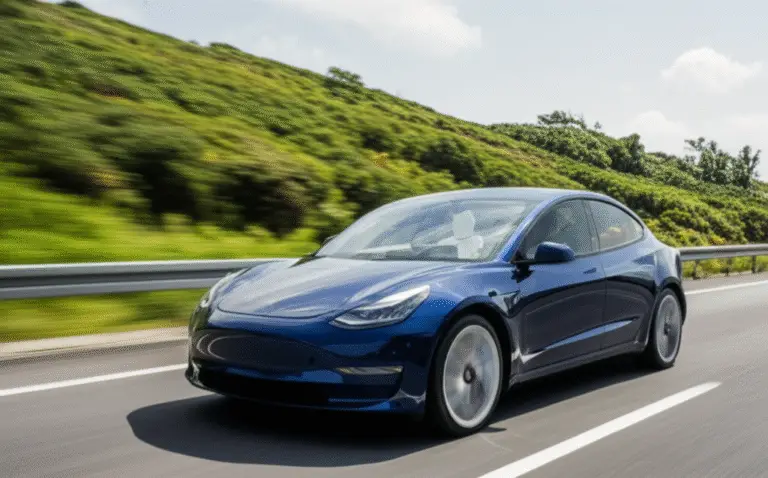
- Popular models like the Ford F-150 and Tesla Model 3 have shaped automotive trends and buyer preferences.
- Understanding your vehicle model can save money on repairs, insurance, and help you choose the right car for your lifestyle.
- The future of vehicle models is electric and software-driven, redefining what a “model” even means.
Ready to become a vehicle model expert? Let’s hit the road!
Table of Contents
- ⚡️ Quick Tips and Facts About Vehicle Models
- 🚗 The Evolution and History of Vehicle Models: From Horsepower to Hybrid
- 🔍 What’s the Difference Between Vehicle Make, Model, and Trim?
- 📅 Decoding Vehicle Model Years: Why They Matter More Than You Think
- 💡 Why Knowing Your Vehicle Model Can Save You Money and Headaches
- 🏆 Top 10 Most Popular Vehicle Models of the Decade: What Makes Them Stand Out?
- 🔧 How Vehicle Models Affect Maintenance, Repairs, and Resale Value
- 🚙 Exploring Vehicle Model Variants: Sedans, SUVs, Trucks, and More
- ⚙️ Understanding Vehicle Model Specifications: Engine, Transmission, and Features
- 🌍 How Vehicle Models Impact Environmental Footprint and Fuel Economy
- 🛠️ Customizing Your Vehicle Model: Aftermarket Mods and Factory Options
- 🔄 The Future of Vehicle Models: Electric, Autonomous, and Connected Cars
- 🎯 Choosing the Right Vehicle Model for Your Lifestyle: A Practical Guide
- 📚 Recommended Links for Vehicle Model Research and Reviews
- ❓ Frequently Asked Questions About Vehicle Models
- 📖 Reference Links and Resources for Vehicle Model Enthusiasts
- 🏁 Conclusion: Mastering the Art of Vehicle Model Knowledge
⚡️ Quick Tips and Facts About Vehicle Models
Before we dive into the nitty-gritty of the automotive world, here are some fast facts to get your gears turning. If you’ve ever wondered how many car brands and models are there? you aren’t alone—the numbers are staggering!
| Feature | Description |
|---|---|
| Make | The parent company or brand (e.g., Toyota, Ford). |
| Model | The specific product name (e.g., Camry, F-150). |
| Trim | The version of the model with specific features (e.g., LE, XLE, Raptor). |
| Model Year | Not always the calendar year; often released the previous autumn. |
| VIN | The “Social Security Number” for your car, containing all make/model data. |
- ✅ Pro Tip: Always check the Model Year on the door jamb sticker, not just what the salesperson tells you.
- ❌ Common Mistake: Confusing the “Make” with the “Model.” Remember: Make = Manufacturer.
- 💡 Did you know? Some models, like the Chevrolet Suburban, have been in continuous production since 1935!
🚗 The Evolution and History of Vehicle Models: From Horsepower to Hybrid

We’ve come a long way since Henry Ford told customers they could have the Model T in any color, as long as it was black. In the early days, “models” were often just alphabetical designations. Today, they are carefully curated sub-brands designed to evoke emotion and lifestyle.
The Car Brand Histories show a fascinating shift from utility to personality. In the 1950s, models like the Cadillac Eldorado represented the pinnacle of American luxury. By the 1970s, the oil crisis forced a shift toward compact models like the Honda Civic.
Today, we are seeing a massive pivot toward electrification. As noted in the Typhoon HIL documentation, modern electric vehicle (EV) models are engineering marvels. For instance, a high-performance EV model might feature a 270 kW induction motor and a 400 V nominal voltage battery, pushing the boundaries of what we thought “models” could do.
🔍 What’s the Difference Between Vehicle Make, Model, and Trim?
This is the “Who, What, and How” of the car world. We like to use the “Family Metaphor” here at Car Brands™.
The Make (The Family Name)
The Make is the manufacturer. It’s the brand that stands behind the vehicle. Think of Honda, BMW, or Tesla. According to Progressive, “A car’s make and model help determine its value and safety ratings.”
The Model (The Individual)
The Model is the specific nameplate. Within the Toyota family, you have the Corolla, the Prius, and the Tundra. Each model serves a different purpose, from fuel-sipping commutes to hauling heavy loads.
The Trim (The Wardrobe)
The Trim level is where things get spicy. It’s the specific configuration of a model. For example, the Nissan Altima comes in various trims like the S, SV, SR, and Platinum.
- Base Trims: Usually focused on value and essential features.
- Luxury Trims: Add leather, premium sound systems, and sunroofs.
- Performance Trims: Think BMW M3 vs. a standard 3 Series.
Expert Rating: Understanding the Hierarchy
| Aspect | Rating (1-10) | Why? |
|---|---|---|
| Identification Ease | 9 | Most badges are clear on the trunk. |
| Resale Impact | 10 | Trim levels can change value by thousands. |
| Insurance Impact | 8 | High-performance models cost more to cover. |
📅 Decoding Vehicle Model Years: Why They Matter More Than You Think
Have you ever wondered why you can buy a 2025 Porsche 911 in October of 2024? It feels like time travel, doesn’t it?
The Model Year (MY) is a designation used by manufacturers to identify a specific iteration of a vehicle. Often, a “refresh” happens mid-cycle, where the model gets a facelift—new headlights or a better infotainment system—without a full redesign.
Why it matters for you:
- Depreciation: A 2024 model bought in late 2024 will depreciate faster than a 2025 model bought at the same time.
- Features: Safety tech often becomes standard in newer model years.
- Parts: When you go to AutoZone for a windshield wiper, they need the exact model year because even a small change in the arm design can make a part incompatible.
💡 Why Knowing Your Vehicle Model Can Save You Money and Headaches
We’ve seen it a thousand times: someone buys “brake pads for a Ford F-150,” only to realize they have the Heavy Duty Payload Package which requires different parts.
Knowing your exact model and trim is vital for:
- Insurance Quotes: Insurance companies, like Progressive, use the model and trim to assess risk. An off-road trim like the Jeep Wrangler Rubicon might have higher premiums than a base Sport because of the cost of specialized parts.
- Recalls: The NHTSA issues recalls based on specific model years and manufacturing dates.
- Registration: As seen on New York DMV sample documents, your registration must accurately reflect the make, model, and VIN to be legally compliant.
🏆 Top 10 Most Popular Vehicle Models of the Decade: What Makes Them Stand Out?
The Car Brand Market Shares tell a story of dominance. Here are the models that have defined the last ten years:
- Ford F-Series: The undisputed king of the road for over 40 years.
- Toyota RAV4: The model that made everyone realize they wanted a crossover.
- Honda Civic: The gold standard for reliability and “first car” memories.
- Tesla Model 3: The model that brought EVs to the masses.
- Chevrolet Silverado: A staple of American industry.
- Toyota Camry: The “boring but brilliant” choice for millions.
- Ram Pickup: Known for bringing luxury interiors to the truck world.
- Honda CR-V: The ultimate family hauler.
- Jeep Wrangler: A model with a cult following that transcends generations.
- Toyota Corolla: The best-selling nameplate in automotive history.
👉 Shop these popular models on:
- Ford F-150: Auto Trader | Edmunds | Ford Official
- Tesla Model 3: Tesla Official | TrueCar
🔧 How Vehicle Models Affect Maintenance, Repairs, and Resale Value
Not all models are created equal when it comes to your wallet. We’ve found that European luxury models (like the Mercedes-Benz S-Class) often have a “luxury tax” on parts compared to domestic models (like the Ford Fusion).
Maintenance Comparison Table
| Model Example | Oil Change Cost | Common Repair | Resale Value (5yr) |
|---|---|---|---|
| Toyota Tacoma | Low | Suspension Wear | High (70%+) |
| BMW 7 Series | High | Electronics/Sensors | Low (~35%) |
| Subaru Outback | Moderate | Head Gaskets (Older) | High (60%) |
Personal Anecdote: We once had a team member who bought a used Land Rover Range Rover because the price was “a steal.” Two months later, a suspension air bag popped. The repair cost more than a used Honda Fit. The model matters more than the price!
🚙 Exploring Vehicle Model Variants: Sedans, SUVs, Trucks, and More
The beauty of the modern market is the sheer variety. As shown in our featured video, the world of vehicles spans everything from red sports cars and vintage BMWs to massive yellow bulldozers and Airbus A380s.
While you probably aren’t daily-driving a dump truck, the variety within consumer models is just as vast:
- Sedans: The classic four-door (e.g., Mazda6).
- Coupes: Two doors for style (e.g., Ford Mustang).
- SUVs/Crossovers: The current market darlings (e.g., Hyundai Tucson).
- Hatchbacks: Practicality in a small package (e.g., Volkswagen Golf).
Check out our Car Brand Lists to see how different manufacturers specialize in these variants.
⚙️ Understanding Vehicle Model Specifications: Engine, Transmission, and Features
When you look at a “vehicle model example,” you have to look under the hood. The specs define the driving experience.
Take the Electric Vehicle Model Example from Typhoon HIL. It’s not just a “car”; it’s a system with:
- Max Torque: 860 Nm (That’s enough to pin you to your seat!).
- Max Speed: 250 km/h.
- Regenerative Braking: Recharging the battery while you slow down.
In contrast, a traditional internal combustion engine (ICE) model like the Mazda MX-5 Miata focuses on lightweight agility and a manual transmission, proving that “performance” means different things to different models.
🌍 How Vehicle Models Impact Environmental Footprint and Fuel Economy
Your choice of model is the biggest factor in your carbon footprint.
- The Gas Guzzlers: Large SUV models and heavy-duty trucks.
- The Hybrids: Models like the Toyota Prius or Ford Maverick Hybrid that bridge the gap.
- The Zero-Emission Models: Full EVs like the Nissan LEAF or Rivian R1T.
We recommend checking the EPA Fuel Economy Guide before committing to a specific model.
🛠️ Customizing Your Vehicle Model: Aftermarket Mods and Factory Options
One of the best parts of owning a popular model is the community. Models like the Jeep Wrangler and Toyota 86 have massive aftermarket support.
Popular Customizations:
- Performance: Cold air intakes and exhaust systems (Check Borla).
- Aesthetics: Vinyl wraps and custom wheels.
- Utility: Roof racks and lift kits for SUV models.
👉 Shop Custom Parts on:
- Amazon: Full Amazon Automotive Store
🔄 The Future of Vehicle Models: Electric, Autonomous, and Connected Cars
The “model” of the future might not even have a steering wheel. We are moving toward Software-Defined Vehicles.
We’re seeing Auto Industry News dominated by “over-the-air” updates. Imagine your car getting a 50-horsepower boost overnight just through a software patch. That’s already happening with the Tesla Model S.
But wait—if the software changes the car’s performance, is it still the same “model” you bought? This is a question we’ll resolve as we look at how to choose the right car for you.
🎯 Choosing the Right Vehicle Model for Your Lifestyle: A Practical Guide
Don’t buy a Ferrari if you have three kids and two dogs. It sounds obvious, but “model lust” is real!
Step-by-Step Selection Process:
- Identify Your Needs: Do you need 4WD? Third-row seating? 40 MPG?
- Compare Makes: Use our Car Brand Comparisons to see how Hyundai stacks up against Kia.
- Test Drive Multiple Trims: Sometimes the base model is too loud, but the top trim is just right.
- Check the VIN: Use a service like Carfax to ensure the specific vehicle you’re looking at matches its model description.
Our Top Recommendations:
- For Families: Honda Odyssey or Kia Telluride.
- For Commuters: Toyota Corolla Hybrid.
- For Weekend Warriors: Chevrolet Colorado ZR2.
📚 Recommended Links for Vehicle Model Research and Reviews
- Consumer Reports: Vehicle Reliability Rankings
- Kelly Blue Book: Check Your Model’s Value
- Car and Driver: In-depth Model Reviews
❓ Frequently Asked Questions About Vehicle Models
Q: Can two different makes have the same model name? A: Rarely, due to trademark laws, but it happens! For example, both Ford and Lotus have used the name “Cortina” in the past.
Q: What is a “Global Model”? A: A vehicle sold in multiple international markets with minimal changes, like the Ford Focus.
Q: Does the model name affect insurance more than the driver’s record? A: No, your driving record is usually the #1 factor, but a high-theft model (like certain Hyundai or Kia models) can definitely spike your rates.
📖 Reference Links and Resources for Vehicle Model Enthusiasts
- Progressive: Make and Model Definitions
- NY DMV: Sample Registration Documents
- Typhoon HIL: Electric Vehicle Modeling
- NHTSA Safety Ratings by Model
🏁 Conclusion: Mastering the Art of Vehicle Model Knowledge

After cruising through the fascinating world of vehicle models, it’s clear that understanding the make, model, trim, and model year is not just for gearheads or car salespeople—it’s essential for every driver. From saving money on insurance and maintenance to choosing the perfect ride for your lifestyle, knowing your vehicle model inside and out is your best co-pilot.
Remember our earlier question about software updates changing a car’s performance and whether it’s still the same model? The answer lies in the evolving definition of “model”—it’s no longer just hardware but increasingly software-defined. This means staying informed about your vehicle’s specs and updates is more important than ever.
Whether you’re eyeing a rugged Ford F-150, a sleek Tesla Model 3, or a family-friendly Honda Odyssey, the model you choose shapes your driving experience, costs, and even your environmental footprint.
So, next time you see a vehicle model example on your registration or in a review, you’ll know exactly what it means and why it matters. Now, go forth and pick your perfect ride with confidence! 🚗💨
📚 Recommended Links for Vehicle Model Shopping and Research
-
Ford F-150:
Auto Trader | Edmunds | Ford Official Website -
Tesla Model 3:
Tesla Official Website | TrueCar -
Honda Odyssey:
Honda Official Website | Edmunds | Auto Trader -
Toyota Corolla Hybrid:
Toyota Official Website | Kelley Blue Book | Edmunds -
Chevrolet Colorado ZR2:
Chevrolet Official Website | TrueCar | Auto Trader
❓ Frequently Asked Questions About Vehicle Models
How many types of models are there in cars?
There are countless vehicle models worldwide, but broadly, models fall into categories like sedans, SUVs, trucks, coupes, hatchbacks, convertibles, and electric vehicles. Each model is tailored to different needs—whether it’s the compact Honda Civic for city driving or the rugged Ford F-150 for heavy-duty work. The diversity ensures there’s a model for every lifestyle and budget.
Is Chevy a make or model?
Chevy (short for Chevrolet) is a make, meaning it’s the brand or manufacturer. Within Chevrolet, there are many models like the Silverado (pickup truck), Malibu (sedan), and Equinox (SUV). So, when you say “Chevy,” you’re referring to the family, not the specific car.
What is the meaning of vehicle model?
A vehicle model is the specific product name given by the manufacturer to a particular design or version of a car. It differentiates one type of vehicle from another within the same make. For example, Toyota Camry and Toyota Corolla are two different models under the Toyota make, each with unique features, size, and target audience.
What model is your vehicle?
Your vehicle’s model can usually be found on the registration documents, the VIN plate, or the owner’s manual. For example, if you drive a Honda Accord LX 2022, “Accord” is the model, “LX” is the trim, and “2022” is the model year. Knowing this helps with maintenance, insurance, and resale.
What are some popular vehicle model examples in the automotive industry?
Popular models that have shaped the industry include:
- Ford F-Series (pickup truck)
- Toyota RAV4 (SUV)
- Honda Civic (compact sedan)
- Tesla Model 3 (electric sedan)
- Chevrolet Silverado (pickup truck)
These models are known for their reliability, innovation, or cultural impact.
How do vehicle model examples influence car design trends?
Vehicle models often set trends that ripple through the industry. For instance, the success of the Toyota Prius popularized hybrid technology, pushing other brands to develop eco-friendly models. Similarly, the rise of the Tesla Model S accelerated the adoption of electric vehicles and high-tech interiors. Automakers watch popular models closely and often adapt features or styling cues to stay competitive.
What are the differences between vehicle make and vehicle model examples?
- Make is the manufacturer or brand (e.g., BMW, Ford).
- Model is the specific vehicle produced by that make (e.g., BMW 3 Series, Ford Mustang).
Think of make as the family name and model as the individual’s first name.
Can you provide examples of electric vehicle models available today?
Absolutely! Some leading electric vehicle models include:
- Tesla Model 3: Known for its range and performance.
- Nissan LEAF: One of the first mass-market EVs.
- Ford Mustang Mach-E: Combines muscle car heritage with electric power.
- Chevrolet Bolt EV: Affordable and practical.
- Rivian R1T: An electric pickup with off-road capabilities.
For an in-depth technical example, see the Typhoon HIL Electric Vehicle Model, which showcases detailed powertrain and battery specs.
📖 Reference Links and Resources for Vehicle Model Enthusiasts
- Progressive: What Does Make and Model Mean?
- New York DMV: Sample Registration Documents
- Typhoon HIL: Electric Vehicle Model Documentation
- NHTSA: Vehicle Safety Ratings
- Consumer Reports: Car Reliability and Reviews
- Kelley Blue Book: Vehicle Valuation
- Car and Driver: In-depth Vehicle Reviews
Ready to dive deeper? Explore our Car Brand Lists and Car Brand Comparisons for more expert insights!