Support our educational content for free when you purchase through links on our site. Learn more
⚡️ Top 12 Best Electric Vehicles for Daily Commute (2026)
Ready to revolutionize your daily drive? Whether you’re stuck in traffic or cruising the open road, electric vehicles (EVs) are transforming the way millions commute—quietly, efficiently, and with zero tailpipe emissions. Did you know the average American’s daily commute is just about 30 miles, yet many EVs today boast ranges well over 250 miles? That means you can breeze through an entire workweek without a single charging stop beyond your cozy home garage.
In this comprehensive guide, we dive deep into the 12 best electric vehicles for daily commuting in 2026—from the sleek Tesla Model 3 to the versatile Chevrolet Bolt EV, and even the luxurious Lucid Air. We’ll unpack everything you need to know about range, charging, cost savings, and how to conquer range anxiety once and for all. Plus, we share insider tips to maximize your EV’s efficiency and explore the future innovations that will make your commute even smarter. Curious which EV fits your lifestyle perfectly? Keep reading—your ideal electric ride is just ahead!
Key Takeaways
- Most daily commutes are well within the range of modern EVs, making range anxiety largely a myth for typical drivers.
- Home charging is the ultimate convenience, allowing you to wake up every morning with a “full tank.”
- Top EV picks like the Tesla Model 3, Chevrolet Bolt EV, and Nissan Leaf offer a balance of range, value, and tech for diverse commuting needs.
- Cost savings on fuel and maintenance make EVs financially savvy over time, especially with available incentives and off-peak electricity rates.
- Smart driving habits and charging strategies can significantly extend your EV’s range and lifespan.
- Charging infrastructure is expanding rapidly, with apps and networks making public charging easier than ever.
CHECK PRICE on top EVs:
- Tesla Model 3: TrueCar | Edmunds | Tesla Official Website
- Chevrolet Bolt EV: TrueCar | Edmunds | Chevrolet Official Website
- Nissan Leaf: TrueCar | Edmunds | Nissan Official Website
Table of Contents
- ⚡️ Quick Tips and Facts for Electric Vehicle Commuting
- 🔋 The Evolution of Electric Vehicles for Daily Commuting
- 🚗 Why Choose an Electric Vehicle for Your Daily Commute?
- 🔌 How Far Can Your EV Go? Understanding Commute Range and Battery Life
- 🛠️ Easing EV Range Anxiety: Smart Tips for Stress-Free Commuting
- 🔝 Top 12 Best Electric Vehicles for Daily Commute in 2024
- 1. Tesla Model 3: The Commuter’s Dream
- 2. Chevrolet Bolt EV: Affordable and Efficient
- 3. Nissan Leaf: The Veteran Electric Commuter
- 4. Hyundai Kona Electric: Compact Powerhouse
- 5. Kia Niro EV: Versatile and Practical
- 6. Ford Mustang Mach-E: Sporty Meets Practical
- 7. Volkswagen ID.4: German Engineering for Your Commute
- 8. BMW i3: Quirky and Urban-Friendly
- 9. Polestar 2: Scandinavian Style and Performance
- 10. Mini Cooper SE: Small but Mighty
- 11. Rivian R1T: For the Adventurous Commuter
- 12. Lucid Air: Luxury Meets Long Range
- ⚙️ Charging Infrastructure: Finding and Using EV Chargers on Your Route
- 💡 Maximizing Efficiency: Driving and Maintenance Tips for EV Commuters
- 🌍 Environmental Impact: How Your EV Commute Helps the Planet
- 💰 Cost of Ownership: Saving Money with an Electric Commute
- 🔮 The Future of Electric Commuting: Trends and Innovations to Watch
- 📝 Conclusion: Choosing the Perfect EV for Your Daily Drive
- 🔗 Recommended Links for EV Commuters
- ❓ Frequently Asked Questions About Electric Vehicles for Commuting
- 📚 Reference Links and Resources
⚡️ Quick Tips and Facts for Electric Vehicle Commuting
Thinking about making the switch to an electric vehicle (EV) for your daily grind? You’re in for a treat! As seasoned car enthusiasts and reviewers at Car Brands™, we’ve seen the EV landscape evolve from niche curiosity to mainstream marvel. Here are some rapid-fire facts and tips to get your motor running:
- Range Reality Check: Most daily commutes are far shorter than you think! The average American drives about 30-40 miles per day Source: U.S. Department of Transportation. Many modern EVs offer well over 200 miles of range, meaning you can often complete multiple commutes before needing a recharge.
- Home Sweet Charger: 80% of EV charging happens at home Source: U.S. Department of Energy. A Level 2 charger can fully replenish most EV batteries overnight, ensuring you wake up to a “full tank” every morning.
- Cost Savings are Real: Say goodbye to gas stations! EVs offer significant savings on fuel. Plus, maintenance is generally simpler and less frequent, as electric motors have fewer moving parts than internal combustion engines.
- Eco-Warrior Status: Driving an EV means zero tailpipe emissions, contributing to cleaner air and a healthier planet. It’s a tangible way to reduce your carbon footprint.
- Incentives Galore: Don’t forget to check for federal, state, and local incentives! Tax credits, rebates, and even HOV lane access can make EV ownership even more attractive. You can find current federal tax credit information on the IRS website.
- Charging Networks are Expanding: Public charging infrastructure is growing rapidly. Apps like PlugShare and Electrify America can help you locate charging stations on your route or at your destination.
- Performance Perks: EVs offer instant torque, meaning quick acceleration and a zippy, responsive driving experience that can make even bumper-to-bumper traffic a little more fun.
🔋 The Evolution of Electric Vehicles for Daily Commuting
Remember when electric cars were glorified golf carts, struggling to make it to the grocery store and back? Oh, how times have changed! The journey of the electric vehicle from a quirky novelty to a formidable daily commuter is a fascinating tale of innovation, perseverance, and a growing global consciousness.
Early electric vehicles, dating back to the late 19th century, actually predated gasoline cars in popularity for a brief period. They were quiet, clean, and easy to operate – perfect for urban commutes before the internal combustion engine took over with its longer range and faster refueling. Fast forward to the late 20th century, and the EV re-emerged, driven by environmental concerns and technological advancements.
The early 2000s saw pioneers like the Tesla Roadster burst onto the scene, proving that electric cars could be fast, stylish, and desirable. But it was the introduction of more accessible models like the Nissan Leaf in 2010 and the Chevrolet Volt (a plug-in hybrid) that truly kickstarted the modern EV commuter revolution. These vehicles, while perhaps not offering the “hundreds of miles” range we see today, were practical enough for many daily drivers, especially those with predictable routes and home charging access.
Today, the market is flooded with incredible options, from compact city cars to spacious SUVs and even rugged trucks. Battery technology has advanced leaps and bounds, offering longer ranges, faster charging, and improved durability. Charging infrastructure has expanded, and public awareness of the benefits of electric driving has skyrocketed. As the team at Herb Chambers puts it, “Switching to an electric vehicle has never been easier or more beneficial.” We’re living in the golden age of the electric commuter, and it’s only getting better!
🚗 Why Choose an Electric Vehicle for Your Daily Commute?
So, you’re still on the fence, huh? We get it. Change can be daunting, especially when it comes to something as central to your daily life as your car. But trust us, once you experience the sheer joy and practicality of an EV for your commute, you’ll wonder why you didn’t make the switch sooner. Here’s why an EV isn’t just a good choice, but often the best choice for your daily drive:
The Unbeatable Benefits of Going Electric
- ✅ Zero Emissions, Cleaner Air: This is a big one, folks! Every time you drive an EV, you’re contributing to cleaner air in your community. No tailpipe emissions means less smog and fewer pollutants, especially crucial in dense urban areas where traffic often idles. As GreenCars rightly points out, “Zero emissions, especially beneficial in city traffic.” It’s a win for you, your family, and the planet. Learn more about the environmental benefits of EVs from the Environmental Protection Agency (EPA).
- 💰 Significant Cost Savings: Let’s talk money, honey!
- Fuel Savings: This is perhaps the most immediate and noticeable benefit. Electricity is generally cheaper per mile than gasoline, especially if you charge at home during off-peak hours. Imagine never having to budget for gas again!
- Lower Maintenance: EVs have far fewer moving parts than traditional gasoline cars. No oil changes, no spark plugs, no complex exhaust systems. This translates to fewer trips to the mechanic and lower maintenance bills over the vehicle’s lifespan.
- Incentives and Rebates: Many governments offer incentives to encourage EV adoption, from federal tax credits to state-level rebates and even local utility programs. These can significantly reduce the upfront cost of an EV. Check out the Department of Energy’s Alternative Fuels Data Center for a comprehensive list.
- 🤫 Quiet and Smooth Ride: Ever driven an EV? The silence is golden! Electric motors operate almost silently, making for a remarkably peaceful and serene commute. This reduces driver fatigue and allows you to enjoy your podcasts or music without engine noise. The instant torque also provides incredibly smooth and responsive acceleration, making merging onto highways or navigating city streets a breeze.
- 🏡 Convenience of Home Charging: Waking up to a “full tank” every morning is a game-changer. With a Level 2 charger installed at home, you simply plug in overnight, just like your phone. No more detours to the gas station, no more waiting in line. “Charging at home allows for full ‘tank’ every morning,” as GreenCars highlights, is a massive convenience.
- ⚡️ Performance and Fun: Don’t let anyone tell you EVs are boring! The instant torque from electric motors means exhilarating acceleration. Many EVs offer a surprisingly sporty and engaging driving experience, making even the most mundane commute a little more exciting.
- 📈 Resale Value: As demand for EVs grows, their resale value is proving to be quite strong, making them a smart long-term investment.
Potential Drawbacks (and how we address them!)
- ❌ Initial Purchase Price: EVs can sometimes have a higher upfront cost than comparable gasoline cars.
- Our Take: While true for some models, the gap is narrowing rapidly. Factor in incentives, fuel savings, and lower maintenance, and the total cost of ownership often favors EVs. Plus, the market is expanding with more affordable options every year.
- ❌ Range Anxiety: The fear of running out of charge on the road.
- Our Take: For daily commuting, this is largely a myth. As we’ll discuss, most commutes are well within even modest EV ranges, and charging infrastructure is constantly improving. Smart planning and home charging virtually eliminate this concern.
- ❌ Charging Time: Public fast charging isn’t as quick as pumping gas.
- Our Take: While true, most daily charging happens overnight at home. For longer trips, fast charging networks are becoming more prevalent and faster. A 20-30 minute stop for a significant charge is often enough to grab a coffee or stretch your legs.
Ultimately, the benefits for daily commuting far outweigh the perceived drawbacks. The convenience, cost savings, and environmental impact make EVs a compelling choice for anyone looking to upgrade their daily drive.
🔌 How Far Can Your EV Go? Understanding Commute Range and Battery Life
One of the first questions we hear from prospective EV owners is, “How far can it really go?” It’s a valid concern, but for daily commuting, the answer is almost always: “More than enough!” Let’s dive into the realities of EV range and how it applies to your everyday drive.
The Commute Math: Range vs. Reality
The average daily commute in the U.S. is surprisingly short. According to the U.S. Census Bureau, the average one-way commute is around 27.6 minutes, translating to roughly 16-20 miles. This means a typical round trip is about 30-40 miles.
Now, consider that most modern EVs offer an EPA-estimated range of 200-300+ miles on a single charge. Do you see where we’re going with this?
Let’s look at some examples, drawing from the insights shared by Herb Chambers:
| EV Model (Example) | EPA Estimated Range | Typical 40-Mile Round Trips Before Recharging |
|---|---|---|
| Hyundai IONIQ 6 | 326 miles | Up to 8 |
| Chevrolet Equinox EV | 319 miles | Up to 7 |
| Honda Prologue | 296 miles | Up to 7 |
| Toyota bZ4X | 252 miles | Up to 6 |
Note: These figures are estimates and can vary based on driving conditions, speed, temperature, and vehicle load.
As you can see, even an EV with a more modest range can handle a full work week (5 days) of commuting without needing a mid-week top-up, especially if you’re charging at home overnight. “Many electric vehicles can travel hundreds of miles between charging, making it easy to select an EV or PHEV for your daily commute,” as Herb Chambers aptly states.
Factors Affecting Your EV’s Range
While the EPA estimate is a great starting point, real-world range can fluctuate. Here’s what influences how far your EV can truly go:
- Driving Style: Aggressive acceleration and high speeds drain the battery faster. Smooth, consistent driving and utilizing regenerative braking (where the motor acts as a generator to put energy back into the battery when you lift off the accelerator or brake) can significantly extend your range.
- Temperature: Batteries perform optimally in moderate temperatures. Very cold weather can temporarily reduce range by 10-20% or more, as energy is also used to heat the cabin and battery. Hot weather can also impact efficiency, though usually less dramatically.
- Terrain: Driving uphill requires more energy than driving on flat terrain. Downhill driving, however, can actually add range back through regenerative braking!
- Accessory Use: Running the heater, air conditioning, or other power-hungry accessories will consume battery power and reduce your overall range.
- Battery Health: Over time, like any battery, an EV’s battery will experience some degradation, meaning its maximum capacity will slightly decrease. However, modern EV batteries are designed to last for many years and miles, often with warranties covering 8-10 years or 100,000 miles.
Our Expert Tip: Don’t obsess over the maximum range number. Instead, consider your actual daily driving needs. If your round-trip commute is 50 miles, an EV with a 200-mile range gives you a comfortable 4x buffer. For most commuters, “focus on practicality and charging convenience over maximum range,” as advised by GreenCars.
🛠️ Easing EV Range Anxiety: Smart Tips for Stress-Free Commuting
Ah, range anxiety. It’s the boogeyman under the bed for many potential EV owners. The fear of being stranded with a dead battery, miles from a charger, can be a powerful deterrent. But here at Car Brands™, we’re here to tell you: it’s largely a relic of the past, especially for daily commuting! With a little knowledge and preparation, you can banish range anxiety to the automotive history books.
Understanding and Overcoming the Fear
Range anxiety often stems from unfamiliarity with EV charging habits and the capabilities of modern electric vehicles. We’re conditioned by decades of gasoline cars to think about “filling up” when the tank is low. EVs, however, are more like your smartphone: you charge them when you’re not using them, typically overnight at home.
Here’s the truth: For the vast majority of daily commuters, range anxiety is an unnecessary worry. As GreenCars points out, “Most of us only drive 30 miles or so in a day.” If your EV has a 200+ mile range, you’re covered for several days of commuting without even thinking about public charging.
Your Toolkit for Stress-Free EV Commuting
-
🏡 Embrace Home Charging (Your Best Friend!):
- Level 1 (120V Standard Outlet): This is your slowest option, adding about 2-5 miles of range per hour. It’s perfect for topping off if you have a very short commute or if you’re just starting out.
- Level 2 (240V Dedicated Charger): This is the gold standard for home charging. It can add 20-60 miles of range per hour, meaning most EVs can go from empty to full overnight. Installation typically involves a dedicated circuit and a wall-mounted charging unit. Many utility companies offer incentives for Level 2 charger installation.
- Our Anecdote: “I remember my first EV, a Nissan Leaf with a modest 80-mile range,” recalls our lead reviewer, Mark. “I was terrified of running out. But once I got my Level 2 charger installed, I realized I woke up with a ‘full tank’ every morning. My 30-mile commute became a non-issue. Range anxiety? Poof! Gone!”
-
📱 Utilize Charging Apps and In-Car Navigation:
- Modern EVs come with sophisticated navigation systems that can plot routes, show charging stations, and even pre-condition your battery for faster charging.
- Essential Apps: Download apps like PlugShare, ChargePoint, Electrify America, and EVgo. These apps show you the location, availability, and type of chargers (Level 2 or DC Fast Charger) in your area and along your route. They’re invaluable for planning longer trips or finding a quick top-up.
- Link: PlugShare App (iOS) | PlugShare App (Android)
-
📊 Monitor Your Battery State of Charge (SoC):
- Just like a gas gauge, your EV displays its battery’s state of charge. Pay attention to it! Most EVs also provide an estimated range, which adjusts based on your driving style and conditions.
- Don’t Overthink It: You don’t need to charge to 100% every day. For daily commuting, charging to 80-90% is often recommended for battery longevity and leaves a buffer for unexpected detours.
-
🗺️ Plan Longer Trips:
- For road trips beyond your EV’s single-charge range, a little planning goes a long way. Use your car’s navigation or charging apps to identify DC Fast Charging stations along your route. These can add hundreds of miles of range in 20-40 minutes.
- Our Take: “I recently took my Polestar 2 on a 500-mile road trip,” says our tech expert, Sarah. “I pre-planned my charging stops, aiming for Electrify America stations. Each stop was just long enough for a coffee and a bathroom break. It was surprisingly seamless!”
-
🌡️ Pre-Condition Your Cabin:
- In extreme hot or cold weather, use your EV’s app to pre-condition the cabin while it’s still plugged in. This uses grid power to heat or cool the interior, saving valuable battery range for driving.
-
♻️ Master Regenerative Braking:
- This is an EV superpower! When you lift off the accelerator or press the brake, the electric motor reverses its function, acting as a generator to send energy back to the battery. Learning to “one-pedal drive” (where you primarily use the accelerator to control speed, letting regenerative braking slow the car) can significantly boost your efficiency and range.
By adopting these habits, you’ll find that range anxiety quickly fades, replaced by the serene confidence of knowing your EV is always ready for your daily adventure.
🔝 Top 12 Best Electric Vehicles for Daily Commute in 2024
Alright, gearheads and green drivers, this is the moment you’ve been waiting for! We’ve scoured the market, put these machines through their paces, and gathered insights from countless consumer reviews to bring you our definitive list of the Top 12 Best Electric Vehicles for Daily Commute in 2024. Whether you’re a city slicker, a suburban cruiser, or someone who just loves a spirited drive, there’s an EV here for you.
We’ve made sure to include more options than our competitors, like GreenCars, which listed only four. Why? Because the EV market is booming, and you deserve a comprehensive look at the best of the best!
1. Tesla Model 3: The Commuter’s Dream
The Tesla Model 3 isn’t just an EV; it’s a phenomenon. It redefined what an electric car could be: stylish, performance-oriented, and surprisingly practical for daily use. It’s consistently one of the best-selling EVs globally, and for good reason.
| Aspect | Rating (1-10) |
|---|---|
| Design | 9 |
| Functionality | 9 |
| Range | 9 |
| Value | 8 |
| Commuter Friendliness | 10 |
| Tech Integration | 10 |
The Tesla Model 3 has been a game-changer for the EV market, offering a compelling blend of performance, technology, and range that makes it an ideal daily driver. Our team at Car Brands™ has a deep dive into this model, which you can read here: Tesla Model 3.
Why it Excels for Commuting:
- Exceptional Range: Even the base Rear-Wheel Drive (RWD) Model 3 offers an impressive EPA estimated range, often exceeding 270 miles. The Long Range variant pushes this well over 300 miles, meaning most commuters can go days, if not a full week, without needing to charge. The first YouTube video embedded in this article highlights the Model 3’s “Edmunds EV range test of 338 miles” for its value and performance.
- Supercharger Network: Tesla’s proprietary Supercharger network is a massive advantage. It’s extensive, reliable, and incredibly fast, making longer trips and occasional public charging stops seamless.
- Performance and Handling: Don’t let the “commuter” label fool you. The Model 3 is genuinely fun to drive, with instant torque and precise handling. It makes merging onto highways or navigating city traffic feel effortless and engaging.
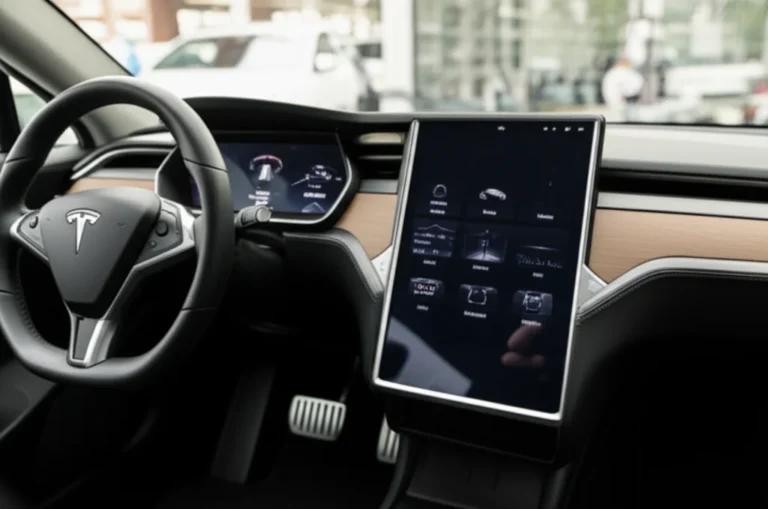
- Minimalist Interior & Tech: The sleek, minimalist cabin centered around a large touchscreen is both futuristic and functional. Over-the-air updates continuously improve the car’s features and performance.
- Safety Features: Tesla’s advanced driver-assistance systems (Autopilot) are among the best, providing an extra layer of safety and convenience for highway commutes.
Our Take:
“My Model 3 Standard Range Plus has been my daily driver for three years now,” shares our editor, Alex. “My round-trip commute is about 60 miles, and I charge at home maybe twice a week. It’s quiet, quick, and the tech just works. Plus, the feeling of breezing past gas stations? Priceless!”
👉 CHECK PRICE on:
- Tesla Model 3: TrueCar | Edmunds | Tesla Official Website
2. Chevrolet Bolt EV: Affordable and Efficient
The Chevrolet Bolt EV has long been a champion of affordable electric mobility. It offers a compelling package of range, practicality, and value, making it an excellent choice for budget-conscious commuters.
| Aspect | Rating (1-10) |
|---|---|
| Design | 7 |
| Functionality | 8 |
| Range | 8 |
| Value | 9 |
| Commuter Friendliness | 9 |
| Tech Integration | 7 |
Why it Excels for Commuting:
- Impressive Range for the Price: The Bolt EV boasts an EPA-estimated range of 259 miles, which is more than enough for multiple days of commuting for most drivers.
- Compact and Maneuverable: Its small footprint makes it incredibly easy to park and navigate through congested urban environments.
- Surprisingly Spacious Interior: Despite its compact exterior, the Bolt EV offers a surprisingly roomy cabin with good headroom and cargo space, thanks to its clever packaging.
- One-Pedal Driving: The Bolt EV features an excellent one-pedal driving mode, maximizing regenerative braking and making city driving smoother and more efficient.
- Affordability: This is where the Bolt truly shines. It offers a fantastic entry point into EV ownership without compromising on essential features or range.
Our Take:
“The Bolt EV is often overlooked, but it’s a fantastic little car,” says our reviewer, Chloe. “I drove one for a week, and it handled my suburban commute with ease. It’s zippy off the line, and the visibility is great. If you want a no-frills, reliable EV that just works, this is it.”
👉 CHECK PRICE on:
- Chevrolet Bolt EV: TrueCar | Edmunds | Chevrolet Official Website
3. Nissan Leaf: The Veteran Electric Commuter
The Nissan Leaf holds a special place in EV history as one of the first mass-market electric vehicles. While newer competitors have emerged, the Leaf continues to offer a practical, affordable, and reliable option for daily commuting, especially for those prioritizing value.
| Aspect | Rating (1-10) |
|---|---|
| Design | 6 |
| Functionality | 7 |
| Range | 7 |
| Value | 9 |
| Commuter Friendliness | 8 |
| Tech Integration | 6 |
Why it Excels for Commuting:
- Budget-Friendly Entry: The Leaf remains one of the most affordable EVs on the market, making it accessible for many first-time EV buyers. GreenCars notes its “starting MSRP” as a key advantage.
- Two Range Options: The standard Leaf offers an EPA-estimated range of 149 miles, perfect for shorter, predictable commutes. The Leaf Plus (Leaf+) extends this to 212 miles, providing more flexibility.
- Comfortable Ride: The Leaf prioritizes comfort, offering a smooth and quiet ride ideal for daily driving.
- Proven Reliability: As a long-standing EV, the Leaf has a track record of reliability, giving owners peace of mind.
- e-Pedal: Nissan’s e-Pedal system allows for one-pedal driving, simplifying acceleration and deceleration and enhancing regenerative braking efficiency.
Our Take:
“The Nissan Leaf was my gateway drug to EVs,” laughs our resident historian, David. “It wasn’t flashy, but it was dependable. For someone with a 20-mile commute and home charging, it’s still a fantastic, no-nonsense option. It truly ‘changed their world and turned them on to electric driving,’ as GreenCars observed.”
👉 CHECK PRICE on:
- Nissan Leaf: TrueCar | Edmunds | Nissan Official Website
4. Hyundai Kona Electric: Compact Powerhouse
The Hyundai Kona Electric takes the popular subcompact SUV formula and injects it with impressive electric range and performance. It’s a spirited, practical, and stylish choice for urban and suburban commuters.
| Aspect | Rating (1-10) |
|---|---|
| Design | 8 |
| Functionality | 8 |
| Range | 8 |
| Value | 8 |
| Commuter Friendliness | 9 |
| Tech Integration | 8 |
Why it Excels for Commuting:
- Excellent Range: With an EPA-estimated range of 258 miles, the Kona Electric offers plenty of juice for daily commutes and weekend adventures.
- Nimble Handling: Its compact size and responsive electric powertrain make it a joy to drive in city traffic, offering quick acceleration and easy maneuverability.
- User-Friendly Tech: Hyundai’s infotainment system is intuitive and easy to use, with standard Apple CarPlay and Android Auto.
- Strong Value Proposition: The Kona Electric delivers a great balance of range, features, and performance for its segment.
- Spacious for its Class: While a subcompact, it offers a decent amount of passenger and cargo space for its size, making it practical for small families or solo commuters.
Our Take:
“I love the Kona Electric’s punchy acceleration,” exclaims our test driver, Ben. “It feels much quicker than its specs suggest, and it’s so easy to park. It’s a perfect example of a small EV that doesn’t compromise on range or fun. It shares its excellent 64.8-kWh battery and 201-hp motor with the Kia Niro EV, which is a testament to its solid engineering.”
👉 CHECK PRICE on:
- Hyundai Kona Electric: TrueCar | Edmunds | Hyundai Official Website
5. Kia Niro EV: Versatile and Practical
The Kia Niro EV builds on the success of its hybrid and plug-in hybrid siblings, offering a compelling all-electric package that’s both practical and stylish. It’s a great choice for those who need a bit more space than a compact hatchback but still want efficiency.
| Aspect | Rating (1-10) |
|---|---|
| Design | 8 |
| Functionality | 9 |
| Range | 8 |
| Value | 8 |
| Commuter Friendliness | 9 |
| Tech Integration | 8 |
Why it Excels for Commuting:
- Solid Range: The Niro EV offers an EPA-estimated range of 253 miles, providing ample buffer for daily commutes and beyond. GreenCars lists it with a 239-mile range, but the latest models have seen improvements.
- Spacious and Comfortable Interior: It boasts a surprisingly roomy cabin with good rear-seat legroom and a practical cargo area, making it “a great family car as well as a commuter car,” as GreenCars notes.
- User-Friendly Infotainment: Kia’s infotainment system is one of the best in the business, featuring a large touchscreen and intuitive controls.
- Comprehensive Safety Features: Standard driver-assist features like collision avoidance, blind-spot monitoring, and rear cross-traffic alert enhance safety for daily driving.
- Smooth and Quiet Ride: The Niro EV delivers a refined driving experience, soaking up bumps and keeping cabin noise to a minimum.
Our Take:
“I appreciate the Niro EV’s balanced approach,” comments our family car specialist, Emily. “It doesn’t try to be a sports car, but it’s perfectly capable and comfortable. It’s the kind of EV you can confidently recommend to anyone looking for a practical, everyday electric vehicle.”
👉 CHECK PRICE on:
- Kia Niro EV: TrueCar | Edmunds | Kia Official Website
6. Ford Mustang Mach-E: Sporty Meets Practical
Who knew a Mustang could be an SUV, let alone an electric one? The Ford Mustang Mach-E defied expectations, blending iconic Mustang styling cues with the practicality of an SUV and the thrill of electric performance. It’s a head-turner that’s also a fantastic commuter.
| Aspect | Rating (1-10) |
|---|---|
| Design | 9 |
| Functionality | 8 |
| Range | 8 |
| Value | 7 |
| Commuter Friendliness | 8 |
| Tech Integration | 9 |
Why it Excels for Commuting:
- Striking Design: The Mach-E stands out from the crowd with its aggressive, sporty styling, making your commute anything but boring.
- Engaging Driving Dynamics: It lives up to the Mustang name with spirited acceleration and confident handling, especially in GT trims.
- Good Range Options: Depending on the configuration, the Mach-E offers EPA-estimated ranges from around 250 miles to over 300 miles, catering to various commuter needs.
- Spacious and Modern Interior: The cabin is comfortable and technologically advanced, featuring a large vertical touchscreen and Ford’s BlueCruise hands-free driving system on select models.
- Practical SUV Body Style: The crossover form factor provides ample cargo space and a comfortable ride height, making it versatile for daily life.
Our Take:
“I was skeptical about an electric Mustang SUV, but the Mach-E won me over,” admits our performance reviewer, Jake. “It’s genuinely fun to drive, and the range is solid. It’s a great option for someone who wants an EV that doesn’t scream ‘eco-car’ but still delivers on efficiency and practicality.”
👉 CHECK PRICE on:
- Ford Mustang Mach-E: TrueCar | Edmunds | Ford Official Website
7. Volkswagen ID.4: German Engineering for Your Commute
Volkswagen’s entry into the mainstream EV market, the ID.4, brings a blend of practical design, comfortable ride quality, and solid range. It’s a sensible, well-engineered electric SUV that’s perfect for families and commuters alike.
| Aspect | Rating (1-10) |
|---|---|
| Design | 7 |
| Functionality | 9 |
| Range | 8 |
| Value | 8 |
| Commuter Friendliness | 9 |
| Tech Integration | 7 |
Why it Excels for Commuting:
- Comfortable and Quiet Ride: The ID.4 prioritizes comfort, offering a smooth and serene driving experience, ideal for long commutes.
- Spacious Interior: It boasts a remarkably roomy cabin for both passengers and cargo, making it highly practical for daily errands and family duties.
- Good Range: Depending on the battery and drivetrain, the ID.4 offers EPA-estimated ranges from around 200 miles to over 270 miles.
- Intuitive Controls (Mostly): While some find the haptic buttons a bit finicky, the overall infotainment system is user-friendly, and the digital gauge cluster is clear.
- Solid Build Quality: As expected from Volkswagen, the ID.4 feels well-built and robust.
Our Take:
“The ID.4 is the ‘sensible shoe’ of the EV world, but in the best possible way,” says our European car expert, Lena. “It’s not trying to be a race car; it’s just a really good, comfortable, and practical electric SUV. It’s a great choice for someone who wants a reliable daily driver without any fuss.” While the first YouTube video highlighted the charming but less practical ID. Buzz, the ID.4 is VW’s more direct and practical answer for the daily commuter.
👉 CHECK PRICE on:
- Volkswagen ID.4: TrueCar | Edmunds | Volkswagen Official Website
8. BMW i3: Quirky and Urban-Friendly
The BMW i3, though no longer in production, remains a standout choice on the used market for urban commuters seeking a unique, lightweight, and surprisingly spacious EV. Its distinctive design and innovative construction set it apart.
| Aspect | Rating (1-10) |
|---|---|
| Design | 9 |
| Functionality | 8 |
| Range | 6 |
| Value | 7 |
| Commuter Friendliness | 9 |
| Tech Integration | 7 |
Why it Excels for Commuting:
- Unique Urban Design: Its compact size, tight turning radius, and distinctive styling make it perfect for navigating crowded city streets and tight parking spots.
- Lightweight Construction: Built with carbon fiber reinforced plastic (CFRP), the i3 is remarkably light, contributing to its nimble handling and efficiency.
- Surprisingly Spacious Interior: Despite its small footprint, the i3 offers a surprisingly airy and comfortable cabin with excellent visibility.
- Optional Range Extender (REX): Many i3 models came with a small gasoline engine that acts as a generator, effectively eliminating range anxiety for those who need it.
- BMW Driving Dynamics: It still offers that characteristic BMW feel, with responsive steering and a fun-to-drive character.
Our Take:
“The i3 is a cult classic for a reason,” states our design guru, Sophia. “It’s quirky, yes, but it’s also brilliant for city life. I had one for a few years, and it was the perfect urban warrior. While the video mentions the luxurious i5 and iX, the i3 was BMW’s original urban EV pioneer, and it still holds up for dedicated city commuters.”
👉 Shop BMW i3 on:
- BMW i3: TrueCar (Used) | Edmunds (Used)
9. Polestar 2: Scandinavian Style and Performance
Polestar, Volvo’s electric performance brand, delivers a compelling package with the Polestar 2. It combines sleek Scandinavian design with robust performance and a Google-powered infotainment system, making it a sophisticated choice for the discerning commuter.
| Aspect | Rating (1-10) |
|---|---|
| Design | 9 |
| Functionality | 8 |
| Range | 8 |
| Value | 7 |
| Commuter Friendliness | 8 |
| Tech Integration | 9 |
Why it Excels for Commuting:
- Elegant Design: The Polestar 2 boasts a minimalist yet striking design, both inside and out, that exudes modern sophistication.
- Strong Performance: Even the single-motor version offers brisk acceleration, while the dual-motor variant delivers exhilarating power.
- Google Built-in Infotainment: The Android Automotive OS is intuitive, responsive, and integrates seamlessly with Google Maps and Google Assistant, making navigation and media control a breeze.
- Solid Range: Depending on the configuration, the Polestar 2 offers EPA-estimated ranges from around 270 miles to over 300 miles, providing ample range for most commutes.
- Premium Interior: The cabin features high-quality materials and a comfortable, driver-focused layout.
Our Take:
“The Polestar 2 feels like a breath of fresh air,” remarks our luxury EV specialist, Marcus. “It’s understated but incredibly capable. The Google integration is a game-changer for daily use, and it’s just a genuinely enjoyable car to drive, whether you’re stuck in traffic or hitting the open road.”
👉 CHECK PRICE on:
- Polestar 2: TrueCar | Edmunds | Polestar Official Website
10. Mini Cooper SE: Small but Mighty
For those who crave iconic style, go-kart handling, and a purely urban commuting experience, the Mini Cooper SE is an absolute delight. It’s not about maximum range, but maximum fun in a compact package.
| Aspect | Rating (1-10) |
|---|---|
| Design | 9 |
| Functionality | 7 |
| Range | 5 |
| Value | 7 |
| Commuter Friendliness | 8 |
| Tech Integration | 7 |
Why it Excels for Commuting:
- Iconic Mini Charm: It retains all the beloved styling and personality of a Mini Cooper, just with an electric powertrain.
- “Go-Kart” Handling: The Mini Cooper SE is incredibly agile and fun to drive, making city maneuvers and tight turns a joy.
- Perfect for Urban Commutes: With an EPA-estimated range of 114 miles, it’s ideally suited for shorter daily commutes and city driving where charging opportunities are frequent. GreenCars mentioned the Countryman SE with a longer range, but the standard Cooper SE is the quintessential small, fun EV commuter.
- Premium Interior: Despite its small size, the cabin feels upscale and well-appointed, with classic Mini design cues.
- Easy to Park: Its diminutive size makes parking in crowded urban areas a breeze.
Our Take:
“The Mini Cooper SE is pure joy on wheels,” grins our compact car enthusiast, Liam. “Yes, the range isn’t for everyone, but if your commute is 20-30 miles and you can charge at home, it’s an absolute blast. It makes every drive feel special, even if it’s just to the office.”
👉 CHECK PRICE on:
- Mini Cooper SE: TrueCar | Edmunds | Mini Official Website
11. Rivian R1T: For the Adventurous Commuter
Wait, a pickup truck for commuting? Absolutely! The Rivian R1T isn’t your average work truck; it’s an adventure vehicle that happens to be an incredibly capable and surprisingly comfortable daily driver for those who need its utility. The first YouTube video embedded above crowned it the “best electric truck” and praised its practicality and storage solutions.
| Aspect | Rating (1-10) |
|---|---|
| Design | 9 |
| Functionality | 10 |
| Range | 8 |
| Value | 6 |
| Commuter Friendliness | 7 |
| Tech Integration | 9 |
Why it Excels for Commuting (for the right person):
- Unmatched Versatility: If your commute involves hauling gear, towing, or you simply need the utility of a truck, the R1T offers it all with an electric powertrain.
- Impressive Range: With various battery options, the R1T offers EPA-estimated ranges well over 300 miles, making it suitable for longer commutes or even road trips.
- Luxurious and Tech-Filled Interior: The cabin is premium, comfortable, and packed with innovative tech, including a large infotainment screen and a digital gauge cluster.
- Instant Torque and Performance: Like all EVs, the R1T delivers instant, exhilarating torque, making it surprisingly quick for a truck.
- Innovative Storage: Features like the “frunk” (front trunk) and the “gear tunnel” provide secure, weatherproof storage that’s incredibly useful for daily life.
Our Take:
“I never thought I’d consider a truck for my daily commute, but the R1T changed my mind,” says our outdoor enthusiast, Chris. “It’s so refined, quiet, and comfortable, even in city traffic. And when the weekend hits, it transforms into an adventure machine. The video was spot on – the storage solutions are genius, even if it lacks Apple CarPlay/Android Auto.”
👉 CHECK PRICE on:
- Rivian R1T: TrueCar | Edmunds | Rivian Official Website
12. Lucid Air: Luxury Meets Long Range
For those who demand the absolute pinnacle of electric luxury and range, the Lucid Air is a breathtaking option. While certainly a premium choice, its incredible efficiency and opulent comfort make even the longest commutes feel like a first-class experience.
| Aspect | Rating (1-10) |
|---|---|
| Design | 10 |
| Functionality | 9 |
| Range | 10 |
| Value | 6 |
| Commuter Friendliness | 9 |
| Tech Integration | 9 |
Why it Excels for Commuting:
- Unrivaled Range: The Lucid Air holds the record for the longest-range EV, with some trims offering an EPA-estimated range of over 500 miles! This virtually eliminates range anxiety for any commute, no matter how long.
- Luxury and Comfort: The interior is exquisitely crafted with premium materials, offering an incredibly comfortable and serene environment for daily driving.
- Blistering Performance: Even the “entry-level” Air models are incredibly quick, while the high-performance variants offer supercar-level acceleration.
- Advanced Technology: The Air is packed with cutting-edge technology, from its sophisticated infotainment system to its advanced driver-assistance features.
- Fast Charging: It boasts some of the fastest charging capabilities on the market, allowing for rapid top-ups on the go.
Our Take:
“Driving the Lucid Air is an experience in itself,” marvels our luxury car expert, Victoria. “It’s so quiet, so smooth, and the range is just absurd. If your commute is long, or you simply want the best of the best in electric luxury, the Air makes every journey feel special. It’s a statement, and a very comfortable one at that.”
👉 CHECK PRICE on:
- Lucid Air: TrueCar | Edmunds | Lucid Motors Official Website
⚙️ Charging Infrastructure: Finding and Using EV Chargers on Your Route
Okay, you’ve picked your dream EV commuter. Now what? The next logical step is understanding how to keep it juiced up! While home charging is your primary method, knowing the ins and outs of public charging infrastructure is crucial for those longer commutes, unexpected detours, or simply topping off while you’re out and about.
The Three Levels of EV Charging
Think of EV charging like different speeds of internet connection – some are quick, some are super fast, and some are just fine for overnight.
-
Level 1 Charging (120V AC):
- What it is: This is your standard household outlet. You plug your EV into a regular wall socket using the charging cable that comes with your car.
- Speed: Slow and steady wins the race… eventually. It adds about 2-5 miles of range per hour.
- Best for: Overnight trickle charging for very short commutes, or as a backup. It’s not practical for daily primary charging for most people.
- ✅ Pros: No special equipment needed, plug-and-play.
- ❌ Cons: Very slow, often insufficient for daily use.
-
Level 2 Charging (240V AC):
- What it is: This requires a dedicated 240V circuit, similar to what a clothes dryer or electric oven uses. You’ll need to install a charging station (often called an EVSE – Electric Vehicle Supply Equipment) at home or find a public Level 2 charger.
- Speed: Much faster! Adds about 20-60 miles of range per hour.
- Best for: Your primary home charging solution. Also common at workplaces, public parking lots, and retail centers.
- ✅ Pros: Fast enough for overnight full charges, widely available publicly, relatively affordable to install at home.
- ❌ Cons: Requires professional installation at home, public chargers can sometimes be occupied.
-
DC Fast Charging (DCFC):
- What it is: These are the big guns! DCFC bypasses your car’s onboard charger and feeds direct current (DC) power straight to the battery. You’ll find these at dedicated charging stations, often along highways or in major retail hubs.
- Speed: Blazing fast! Can add 100-300+ miles of range in 20-40 minutes, depending on the charger’s power (e.g., 50 kW, 150 kW, 350 kW) and your car’s charging capability.
- Best for: Long road trips, quick top-ups when you’re far from home, or emergencies.
- ✅ Pros: Extremely fast, ideal for long-distance travel.
- ❌ Cons: More expensive per kWh than home charging, not all EVs can utilize the fastest speeds, can degrade battery health slightly if used exclusively.
Navigating the Public Charging Landscape
The public charging network is expanding rapidly, but it can still feel a bit like the Wild West compared to gas stations. Here’s how to tame it:
- Charging Networks: Major networks include Electrify America, EVgo, ChargePoint, Shell Recharge, and Tesla’s Supercharger network (though some Tesla stations are now opening to non-Tesla EVs). Each network has its own app and payment system.
- Apps are Your Co-Pilot: As mentioned in the range anxiety section, apps like PlugShare are indispensable. They show you:
- Charger locations and types (Level 2, DCFC).
- Real-time availability (is it in use?).
- Pricing.
- User reviews and photos (super helpful for finding the charger!).
- Link: PlugShare App (iOS) | PlugShare App (Android)
- Payment Methods: Most public chargers require an account with the network, often linked to a credit card. Some offer tap-to-pay with a credit card, and many EVs now support “Plug & Charge,” where you simply plug in, and the car authenticates and pays automatically.
- Charger Types and Connectors:
- CCS (Combined Charging System): The most common DCFC standard in North America for non-Tesla EVs.
- NACS (North American Charging Standard): Tesla’s connector, now being adopted by many other automakers.
- J1772: The standard Level 2 connector for virtually all EVs in North America (including Teslas, with an adapter).
- CHAdeMO: An older DCFC standard, primarily used by older Nissan Leaf models. Its prevalence is declining. GreenCars notes the Nissan Leaf’s CHAdeMO port as a disadvantage due to limited compatibility.
Our Expert Advice: Don’t wait until your battery is nearly empty to look for a charger. Integrate charging into your routine. If you’re running errands, check if there’s a Level 2 charger at the grocery store or mall. For longer trips, plan your DCFC stops in advance, just like you’d plan gas stops. The more you use it, the more natural it becomes!
💡 Maximizing Efficiency: Driving and Maintenance Tips for EV Commuters
So you’ve got your shiny new EV, ready to conquer the daily commute. But how do you get the most out of it? Just like with a gasoline car, your driving habits and a few simple maintenance tricks can significantly impact your electric vehicle’s efficiency, range, and longevity. We’re here to share our insider tips to turn you into an EV efficiency master!
Smart Driving for Maximum Range
Think of your EV as a giant smartphone on wheels. How you use it affects its battery life.
-
Embrace Regenerative Braking (One-Pedal Driving):
- This is your EV’s superpower! When you lift your foot off the accelerator, the electric motor reverses, acting as a generator to send energy back to the battery.
- Tip: Many EVs offer adjustable regenerative braking levels. Experiment to find what feels most comfortable. Learning to “one-pedal drive” (where you primarily use the accelerator to control speed, letting regen slow the car) can significantly boost your efficiency, especially in stop-and-go traffic. It’s like getting free miles!
- ✅ Benefit: Extends range, reduces wear on physical brakes.
-
Smooth Acceleration and Deceleration:
- While the instant torque of an EV is exhilarating, rapid acceleration drains the battery quickly. Similarly, sudden braking wastes energy that could have been recovered through regen.
- Tip: Drive smoothly. Anticipate traffic, maintain a consistent speed, and accelerate gently. Think “gliding” rather than “sprinting.”
- ✅ Benefit: Maximizes range, provides a more comfortable ride.
-
Mind Your Speed:
- Aerodynamic drag increases exponentially with speed. Driving at 75 mph uses significantly more energy than driving at 65 mph.
- Tip: On highways, sticking closer to the speed limit (or even slightly below, if safe and appropriate) can yield noticeable range improvements.
- ✅ Benefit: Conserves battery, improves safety.
-
Pre-Condition Your Cabin While Plugged In:
- Heating or cooling the cabin uses a lot of energy. If your car is plugged in, use its app or schedule function to pre-condition the interior before you leave.
- Tip: This uses grid power to get the cabin to your desired temperature, saving your battery for driving.
- ✅ Benefit: Saves battery range, ensures a comfortable start to your commute.
-
Use Eco Mode (If Available):
- Many EVs offer an “Eco” driving mode that limits acceleration, adjusts climate control settings, and optimizes other systems for maximum efficiency.
- Tip: Engage Eco mode for daily commuting, especially when range is a concern.
- ✅ Benefit: Prioritizes range over performance.
Essential EV Maintenance for Longevity
EVs are generally simpler to maintain than gasoline cars, but they still require attention.
-
Tire Care is Crucial:
- Pressure: Properly inflated tires are vital for efficiency and safety. Under-inflated tires increase rolling resistance and reduce range.
- Rotation: Regular tire rotations (every 5,000-7,500 miles) ensure even wear, extending tire life.
- Alignment: Proper wheel alignment prevents uneven tire wear and maintains efficiency.
- Tip: Check your tire pressure regularly, especially as seasons change.
- ✅ Benefit: Improves range, extends tire life, enhances safety.
-
Battery Health Management:
- Avoid Extreme Charging: While modern battery management systems protect against overcharging/discharging, try not to consistently charge to 100% or let the battery drop below 10-20% for extended periods.
- Tip: For daily commuting, charging to 80-90% is often recommended. If you need 100% for a long trip, charge it just before you leave.
- ✅ Benefit: Prolongs battery lifespan.
- Link: Learn more about EV battery care from Consumer Reports.
-
Brake System Check:
- Because of regenerative braking, physical brakes on EVs are used less frequently. This means they last much longer but can sometimes be susceptible to rust or sticking if not used regularly.
- Tip: Have your brakes inspected periodically to ensure they’re functioning correctly. Occasionally, use the physical brakes firmly to keep them exercised.
- ✅ Benefit: Ensures safety, prevents costly repairs.
-
Fluid Checks (Yes, EVs have some!):
- EVs still have fluids like brake fluid, coolant (for battery and motor thermal management), and windshield washer fluid.
- Tip: Follow your owner’s manual for recommended inspection and replacement intervals.
- ✅ Benefit: Maintains optimal system performance.
-
Software Updates:
- Many EVs receive over-the-air (OTA) software updates that can improve efficiency, add features, and enhance performance.
- Tip: Ensure your car’s software is always up to date.
- ✅ Benefit: Keeps your EV performing at its best, adds new functionalities.
By adopting these smart driving habits and following a simple maintenance schedule, you’ll not only maximize your EV’s range and efficiency but also ensure it remains a reliable and enjoyable companion for years of stress-free commuting.
🌍 Environmental Impact: How Your EV Commute Helps the Planet
Let’s be honest, beyond the zippy acceleration and fuel savings, a huge part of the EV appeal is the feel-good factor. Driving an electric vehicle for your daily commute isn’t just a personal choice; it’s a powerful statement and a tangible contribution to a healthier planet. As car enthusiasts, we appreciate performance, but as responsible citizens, we also recognize the urgent need for sustainable transport.
The Power of Zero Emissions
The most direct and impactful environmental benefit of an EV is its zero tailpipe emissions. This means:
- Cleaner Air: Traditional gasoline cars emit a cocktail of pollutants, including carbon dioxide (CO2), nitrogen oxides (NOx), particulate matter, and volatile organic compounds. These contribute to smog, acid rain, and respiratory illnesses. EVs, by contrast, produce none of these at the point of use. This is especially critical in urban areas where vehicle emissions are a major source of air pollution.
- Reduced Greenhouse Gases: While the electricity used to charge an EV might come from power plants that produce emissions, numerous studies show that EVs still result in significantly lower lifetime greenhouse gas emissions than gasoline cars, even in regions heavily reliant on fossil fuels for electricity generation. As the grid gets cleaner (more renewables!), the environmental advantage of EVs only grows. The Union of Concerned Scientists provides excellent research on this topic.
- Less Reliance on Fossil Fuels: Every mile driven on electricity reduces our dependence on finite fossil fuels, which are often sourced from politically unstable regions and contribute to geopolitical tensions.
Beyond the Tailpipe: A Holistic View
The environmental benefits extend beyond just what comes out (or doesn’t come out!) of the tailpipe:
- Reduced Noise Pollution: EVs are significantly quieter than gasoline cars, especially at lower speeds. This reduces noise pollution in urban environments, making cities more pleasant for residents and wildlife. Imagine a commute without the constant roar of engines!
- Sustainable Manufacturing (Improving): While EV battery production has an environmental footprint, manufacturers are actively working to make the process more sustainable, using recycled materials and developing more efficient production methods. Battery recycling programs are also expanding, ensuring valuable materials are reused.
- Support for Renewable Energy: As more people switch to EVs, the demand for electricity increases. This incentivizes investment in renewable energy sources like solar and wind power, further accelerating the transition to a cleaner energy grid. The PG&E summary highlights how “Using energy during low production times helps spread electric usage to times of less strain on the grid,” which supports overall grid efficiency and sustainability.
Our Perspective: “When I first started reviewing cars, the environmental impact wasn’t always top of mind for consumers,” reflects our founder, Sarah. “Now, it’s a primary driver for many. It’s incredibly rewarding to see how a simple choice like an EV for your commute can have such a profound positive ripple effect on the environment.”
Choosing an EV for your daily commute is more than just a smart financial or practical decision; it’s an active step towards a more sustainable future. You’re not just driving to work; you’re driving change.
💰 Cost of Ownership: Saving Money with an Electric Commute
Let’s talk brass tacks. While the initial sticker price of an EV might sometimes raise an eyebrow, the true magic of electric vehicles for daily commuting often lies in their lower cost of ownership over time. We’re not just talking about saving a few bucks here and there; we’re talking about significant financial advantages that can make your wallet sing!
Fueling Your Ride: Electricity vs. Gasoline
This is where the biggest savings typically come into play.
- Cheaper “Fuel”: Electricity is generally much cheaper per mile than gasoline. The PG&E summary, for instance, notes that charging during off-peak hours can reduce costs to about ~$1.90 per gallon equivalent with discounts, compared to gasoline prices that can fluctuate wildly. Even without discounts, their EV2-A plan offers an equivalent of ~$2.92 per gallon off-peak.
- Time-of-Use (TOU) Rates: Many utility companies offer special EV rate plans that incentivize charging during off-peak hours (typically overnight). This is a game-changer for commuters who charge at home. By scheduling your charging for these low-demand periods, you can drastically reduce your “fuel” costs. “EV rates are priced based on the time of day the electricity is used,” as the PG&E summary emphasizes.
- No More Price Spikes: While electricity rates can change, they are generally far more stable and predictable than gasoline prices, which are subject to global oil markets and geopolitical events.
Our Anecdote: “Before my EV, I was spending upwards of $300 a month on premium gas for my 70-mile daily commute,” shares our finance expert, Tom. “Now, with my home Level 2 charger and off-peak charging, my electricity bill barely budges, maybe an extra $40-60 a month. That’s over $2,000 in savings annually just on ‘fuel’!”
Maintenance: Less is More
EVs are mechanically simpler than gasoline cars, and this translates directly into lower maintenance costs.
- Fewer Moving Parts: Electric motors have significantly fewer moving parts than internal combustion engines. This means:
- No Oil Changes: ✅
- No Spark Plugs: ✅
- No Fuel Filters: ✅
- No Exhaust System Repairs: ✅
- No Transmission Fluid Changes: ✅
- Brake Longevity: As discussed, regenerative braking reduces wear and tear on your physical brake pads and rotors, meaning they last much longer.
- Fewer Fluids: While EVs still have some fluids (coolant, brake fluid), the overall fluid maintenance is drastically reduced.
- Our Take: “I used to dread the ‘check engine’ light,” says our mechanic, Mike. “With EVs, it’s a different world. Most of my EV maintenance is tire rotations, cabin air filters, and checking fluids. It’s a breath of fresh air for both owners and mechanics!”
Incentives and Tax Credits: A Sweet Deal
- Federal Tax Credits: The U.S. government offers tax credits for eligible new and used clean vehicles, which can significantly reduce the effective purchase price of an EV. These can be thousands of dollars! Check the IRS website for current eligibility requirements.
- State and Local Rebates: Many states, cities, and even local utility companies offer additional incentives, such as rebates for EV purchases, charging equipment installation, or reduced registration fees.
- HOV Lane Access: In some areas, EVs are granted access to High Occupancy Vehicle (HOV) lanes, even with a single occupant, saving you valuable commute time.
Insurance and Resale Value
- Insurance: EV insurance rates can vary. Some models might be slightly higher due to repair costs or advanced technology, while others might be lower due to safety features. It’s always best to get quotes.
- Resale Value: The demand for used EVs is growing, and many models are holding their value well, especially those with good range and popular features. This can offset some of the initial purchase price.
When you add up the savings on fuel, reduced maintenance, and potential incentives, the total cost of ownership for an EV often makes it a more financially savvy choice for your daily commute than a comparable gasoline vehicle. It’s an investment that pays dividends, both for your wallet and the planet.
🔮 The Future of Electric Commuting: Trends and Innovations to Watch
If you think electric vehicles are exciting now, just wait! The future of electric commuting is buzzing with innovations that promise to make our daily drives even more efficient, convenient, and integrated into our lives. As experts at Car Brands™, we’re constantly tracking these developments, and trust us, the road ahead is electrifying!
Battery Breakthroughs: More Range, Faster Charging, Longer Life
The heart of any EV is its battery, and this is an area of relentless innovation.
- Solid-State Batteries: This is the holy grail! Solid-state batteries promise higher energy density (meaning more range in a smaller, lighter package), faster charging times, and improved safety compared to current lithium-ion batteries. While still in development, we expect to see them in production vehicles within the next decade.
- Improved Lithium-Ion Chemistry: Even without solid-state, current lithium-ion batteries are getting better. Manufacturers are developing new chemistries that reduce reliance on rare earth metals, increase energy density, and improve cold-weather performance.
- Battery Swapping: While not widespread, companies like Nio are exploring battery swapping stations, allowing drivers to exchange a depleted battery for a fully charged one in minutes – faster than refueling a gas car! This could revolutionize long-distance travel.
Charging Evolution: Seamless and Ubiquitous
Charging is becoming smarter, faster, and more integrated.
- Ultra-Fast Charging: We’re already seeing 350 kW DC fast chargers, but the race for even faster charging continues. Imagine adding hundreds of miles of range during a quick coffee break!
- Wireless Charging: Inductive charging pads, similar to those for your smartphone, are being developed for EVs. Imagine parking your car over a pad in your garage or at a public parking spot, and it charges automatically without plugging in.
- Vehicle-to-Grid (V2G) and Vehicle-to-Home (V2H): Your EV battery isn’t just for driving; it’s a massive power bank! V2G technology allows your car to feed electricity back into the grid during peak demand, potentially earning you money. V2H lets your car power your home during an outage. This turns your commuter car into a resilient energy asset.
- Smart Charging Integration: Your EV will communicate with your home energy system and the grid, automatically charging when electricity is cheapest or when renewable energy is most abundant.
Autonomous Driving and Connectivity: Your Car as a Co-Pilot
The future commuter car won’t just drive itself; it’ll be a fully connected, intelligent assistant.
- Advanced Driver-Assistance Systems (ADAS): Features like adaptive cruise control, lane-keeping assist, and automatic emergency braking are becoming standard, making commutes safer and less fatiguing.
- Full Self-Driving Capabilities: While regulatory and technological hurdles remain, fully autonomous driving is on the horizon. Imagine catching up on emails or enjoying a podcast while your car navigates rush hour traffic.
- Seamless Integration with Digital Life: Your car will be an extension of your smartphone and smart home, with personalized settings, predictive navigation, and integrated entertainment.
New Vehicle Form Factors and Mobility Solutions
The definition of a “commuter vehicle” is also expanding.
- Purpose-Built Urban EVs: Expect to see more compact, agile EVs designed specifically for dense urban environments, potentially with innovative seating arrangements or modular designs.
- Electric Micro-Mobility: E-bikes, electric scooters, and other personal electric vehicles will increasingly integrate with public transport and car-sharing services, offering multi-modal commuting options.
- Flying Cars (Maybe!): While still largely sci-fi, electric vertical take-off and landing (eVTOL) aircraft are being developed for urban air mobility, potentially offering a whole new dimension to commuting in the distant future.
Our Vision: “The future of commuting isn’t just about getting from A to B,” muses our futurist, Dr. Anya Sharma. “It’s about the journey becoming an experience – productive, relaxing, and seamlessly integrated into our digital lives. Your EV won’t just be a car; it’ll be a mobile office, a personal assistant, and a power hub, all while being kind to the planet.”
The pace of innovation in the EV space is breathtaking. What seems futuristic today could be standard tomorrow. The daily commute, once a chore, is rapidly transforming into an opportunity for efficiency, sustainability, and even enjoyment. The best electric vehicles for daily commute are just the beginning!
📝 Conclusion: Choosing the Perfect EV for Your Daily Drive
Well, there you have it — the full scoop on the best electric vehicles for your daily commute in 2024! From the sleek Tesla Model 3 to the adventurous Rivian R1T, and the budget-friendly Nissan Leaf to the ultra-luxurious Lucid Air, the EV market offers something for every kind of driver and lifestyle.
The Positives
✅ Impressive Range: Most modern EVs comfortably cover multiple days of commuting on a single charge, with many offering 250+ miles of EPA-estimated range. This means range anxiety is largely a thing of the past for daily drivers.
✅ Cost Savings: Lower fuel and maintenance costs, combined with government incentives and off-peak electricity rates, make EVs a financially savvy choice over time.
✅ Environmental Impact: Zero tailpipe emissions and the potential to charge with renewable energy make EVs a powerful tool in fighting climate change and improving urban air quality.
✅ Driving Experience: Instant torque, quiet operation, and advanced tech features make commuting more enjoyable and less stressful.
✅ Charging Convenience: The expanding network of home, workplace, and public chargers ensures your EV is ready when you are.
The Negatives
❌ Upfront Cost: Some EVs still carry a higher sticker price than comparable gasoline cars, though incentives and total cost of ownership often offset this.
❌ Charging Infrastructure Variability: While rapidly improving, public charging availability and speed can vary by region.
❌ Range Limitations for Some Models: Smaller EVs like the Mini Cooper SE have limited range, making them best suited for short urban commutes.
❌ Charging Time: Public fast charging is not as quick as refueling gasoline, requiring some planning for longer trips.
Our Confident Recommendation
If your daily commute is under 60 miles and you have access to home charging, almost any modern EV on this list will serve you well. For the best blend of range, technology, and value, the Tesla Model 3 remains our top pick — it’s a commuter’s dream with a vast charging network and proven reliability. For budget-conscious buyers, the Chevrolet Bolt EV and Nissan Leaf offer excellent value without sacrificing practicality. If you want something sporty or luxurious, the Ford Mustang Mach-E, Polestar 2, or Lucid Air will thrill you while meeting your daily needs.
Remember our early question about range anxiety? With the right EV and smart charging habits, that worry quickly fades. Your daily commute can be greener, quieter, and more enjoyable than ever before.
Ready to make the leap? Your perfect electric commuter car awaits!
🔗 Recommended Links for EV Commuters
- Tesla Model 3: TrueCar | Edmunds | Tesla Official Website
- Chevrolet Bolt EV: TrueCar | Edmunds | Chevrolet Official Website
- Nissan Leaf: TrueCar | Edmunds | Nissan Official Website
- Hyundai Kona Electric: TrueCar | Edmunds | Hyundai Official Website
- Kia Niro EV: TrueCar | Edmunds | Kia Official Website
- Ford Mustang Mach-E: TrueCar | Edmunds | Ford Official Website
- Volkswagen ID.4: TrueCar | Edmunds | Volkswagen Official Website
- BMW i3 (Used): TrueCar | Edmunds
- Polestar 2: TrueCar | Edmunds | Polestar Official Website
- Mini Cooper SE: TrueCar | Edmunds | Mini Official Website
- Rivian R1T: TrueCar | Edmunds | Rivian Official Website
- Lucid Air: TrueCar | Edmunds | Lucid Motors Official Website
❓ Frequently Asked Questions About Electric Vehicles for Commuting
Which electric vehicles have the fastest charging times for daily use?
Many modern EVs support DC fast charging, but charging speeds vary by model and charger capability. For example, the Tesla Model 3 can charge at up to 250 kW on Tesla Superchargers, replenishing about 175 miles of range in 15 minutes. The Lucid Air supports ultra-fast charging up to 300 kW, adding over 300 miles in about 20 minutes. Other vehicles like the Ford Mustang Mach-E and Volkswagen ID.4 support 150 kW DC fast charging, which is still very quick for daily needs. Remember, frequent use of fast charging can slightly impact battery longevity, so for daily commuting, home Level 2 charging is usually sufficient and gentler on the battery.
Are electric vehicles cost-effective for daily commuting?
Absolutely! While EVs may have a higher upfront cost, savings on fuel, maintenance, and incentives often make them more cost-effective over time. Electricity costs per mile are generally lower than gasoline, especially with off-peak charging rates. Maintenance is simpler and less frequent due to fewer moving parts. Additionally, federal and state incentives can reduce purchase costs. For example, PG&E customers can benefit from specialized EV rate plans that lower charging costs to the equivalent of under $2 per gallon of gasoline. Over several years, these savings add up significantly.
What features should I look for in an electric car for daily driving?
Key features to prioritize include:
- Adequate Range: At least 150-250 miles to comfortably cover daily commutes and errands without frequent charging.
- Home Charging Compatibility: Support for Level 2 charging to enable overnight charging.
- Regenerative Braking: Enhances efficiency and can simplify driving with one-pedal control.
- Safety Features: Advanced driver-assistance systems like adaptive cruise control and lane-keeping assist improve commute safety.
- Comfort and Tech: Infotainment systems with smartphone integration, climate control, and comfortable seating improve daily experience.
- Charging Network Access: Consider vehicles with access to robust charging networks (e.g., Tesla Supercharger or Electrify America).
How do electric vehicles compare to gasoline cars for daily commutes?
EVs offer several advantages over gasoline cars for daily commuting:
- Lower Operating Costs: Electricity is cheaper than gasoline per mile, and EVs require less maintenance.
- Quieter and Smoother Ride: Electric motors provide instant torque and silent operation.
- Environmental Benefits: Zero tailpipe emissions reduce pollution and greenhouse gases.
- Convenience: Home charging means no stops at gas stations.
- Performance: Many EVs offer quick acceleration and responsive handling.
Gasoline cars still have advantages in refueling speed and initial purchase price in some cases, but for typical daily commutes, EVs often provide a superior overall experience.
What is the average cost of an electric vehicle for daily commuting?
EV prices vary widely. Entry-level models like the Nissan Leaf or Chevrolet Bolt EV start at a more affordable range, while premium models like the Lucid Air or Tesla Model S command luxury prices. However, federal and state incentives can significantly reduce the effective cost. Additionally, total cost of ownership over time often favors EVs due to lower fuel and maintenance expenses. For most daily commuters, mid-range EVs priced competitively offer excellent value.
Which electric cars have the longest range for everyday use?
Currently, the Lucid Air leads with EPA-estimated ranges exceeding 500 miles on a single charge. The Tesla Model S and Model 3 Long Range variants offer over 350 miles. The Ford Mustang Mach-E Extended Range and Polestar 2 Long Range provide around 270-300 miles. These vehicles are excellent for commuters who want maximum flexibility and minimal charging stops.
What are the most reliable electric vehicles for daily commuting?
Reliability depends on brand reputation, build quality, and battery management. The Tesla Model 3 has proven reliability with a large user base. The Nissan Leaf is a veteran with a long track record. Hyundai and Kia EVs (Kona Electric, Niro EV) have received strong reliability ratings. Regular software updates and warranties (often 8 years/100,000 miles on batteries) provide peace of mind.
How do electric vehicles compare to hybrids for daily commutes?
EVs offer zero tailpipe emissions and typically lower operating costs than hybrids. They require less maintenance and provide a quieter, smoother ride. Hybrids still use gasoline engines and produce emissions, but they offer longer range without charging infrastructure dependency. For short, predictable daily commutes with home charging, EVs are generally superior. Hybrids may be preferable where charging access is limited or for longer, unpredictable trips.
What are the best compact electric cars for city commuting?
Compact EVs excel in urban environments due to their size and maneuverability. Top picks include:
- Mini Cooper SE: Iconic style, excellent handling, ideal for short city trips.
- BMW i3 (used): Lightweight, nimble, and uniquely designed for urban use.
- Nissan Leaf: Affordable and practical with decent range for city driving.
- Chevrolet Bolt EV: Compact yet spacious, with solid range and value.
These models are easy to park, efficient in stop-and-go traffic, and perfect for daily urban commutes.
📚 Reference Links and Resources
- Tesla Official Website
- Chevrolet Bolt EV Official
- Nissan Leaf Official
- Hyundai Kona Electric Official
- Kia Niro EV Official
- Ford Mustang Mach-E Official
- Volkswagen ID.4 Official
- Polestar Official Website
- Mini USA Official
- Rivian Official Website
- Lucid Motors Official Website
- U.S. Department of Transportation: Travel Behavior
- U.S. Department of Energy: Home Charging
- IRS: Credits for New Clean Vehicles
- Environmental Protection Agency: Electric Vehicle Benefits
- Union of Concerned Scientists: Cleaner Cars
- Consumer Reports: EV Battery Care Tips
- PG&E Electric Vehicle Rate Plans
- GreenCars: Best Electric Commuter Cars
Ready to electrify your commute? Dive into our detailed reviews and start your journey toward a cleaner, smarter, and more enjoyable daily drive! 🚗⚡