Support our educational content for free when you purchase through links on our site. Learn more
Can I Perform Car Repairs Myself? 15 Tasks to DIY or Outsource 🔧 (2026)

Ever found yourself staring under the hood wondering, “Can I fix this myself, or should I call a mechanic?” You’re not alone. At Car Brands™, we’ve seen countless enthusiasts and everyday drivers wrestle with this very question. The truth? Some car repairs are perfect for your weekend warrior spirit, while others are best left to the pros wielding their high-tech tools and years of experience.
Did you know that nearly 60% of car owners attempt at least one DIY repair each year, but over half end up calling a mechanic anyway? 🤯 In this guide, we’ll break down 15 common car repairs and maintenance tasks, revealing which ones you can confidently tackle at home and which ones should send you straight to the shop. Plus, we’ll share insider tips, essential tools, and safety must-dos to keep you cruising smoothly without costly mistakes.
Ready to discover where your DIY limits lie? Let’s dive in!
Key Takeaways
- Basic maintenance tasks like oil changes, air filter swaps, and tire pressure checks are great DIY starters.
- Intermediate repairs such as brake pad replacement and headlight swaps can be done with proper tools and care.
- Complex repairs involving the engine, transmission, or electrical systems should be entrusted to professional mechanics.
- Investing in quality tools and safety gear is essential for successful and safe DIY repairs.
- Knowing when to call a pro can save you money, time, and headaches in the long run.
Curious about the tools you’ll need or how to diagnose problems like a pro? Keep reading to unlock expert insights and practical advice from the Car Brands™ team!
Table of Contents
- ⚡️ Quick Tips and Facts
- 🔧 Understanding DIY Car Repairs: A Brief Overview
- 🚗 The Importance of Basic Car Maintenance: Why It Matters
- 🛠️ Essential Tools for DIY Car Repairs: Gear Up Like a Pro
- 🔍 Diagnosing Car Problems: When Can You Trust Your Gut?
- 1️⃣ Basic Car Repairs You Can Confidently Do Yourself
- 2️⃣ Intermediate DIY Repairs: When to Step Up Your Game
- 3️⃣ Complex Repairs That Are Better Left to Professional Mechanics
- ⚠️ Safety First: Precautions and Best Practices for DIY Repairs
- 💡 Tips and Tricks for Successful DIY Car Maintenance
- 💰 Cost vs. Value: When DIY Saves You Money and When It Costs More
- 🛑 Warning Signs: Knowing When to Call a Professional Mechanic
- 🔄 Maintaining Your Car After Repairs: Keep It Running Smoothly
- 📚 Recommended Resources and Learning Platforms for DIY Mechanics
- 📝 Conclusion: Balancing DIY Spirit with Professional Wisdom
- 🔗 Recommended Links
- ❓ FAQ
- 📖 Reference Links
⚡️ Quick Tips and Facts
Thinking about rolling up your sleeves and diving into car repairs yourself? Before you grab that wrench, here are some quick facts and tips from the gearheads at Car Brands™ to keep you cruising safely and confidently:
- ✅ Simple maintenance like checking fluid levels and tire pressure can save you big bucks and headaches.
- ✅ Changing your oil and air filters is easier than you think—just follow your vehicle’s manual.
- ❌ Complex engine diagnostics or brake system repairs? Better call a pro to avoid costly mistakes.
- ✅ Safety gear is a must: gloves, eye protection, and a well-ventilated workspace are non-negotiable.
- ✅ Start small and build your skills; don’t jump into complicated repairs without experience.
- ❌ Ignoring warning lights or strange noises can lead to expensive breakdowns.
- ✅ Keep a detailed maintenance log—it’s your car’s health diary and can boost resale value.
Curious about which tasks you can tackle yourself and which ones should be left to the pros? Stick around—we’ll unpack everything from basic oil changes to when to wave the white flag and call your trusted mechanic. Meanwhile, check out our comprehensive guide on car repairs for more insights.
🔧 Understanding DIY Car Repairs: A Brief Overview
DIY car repairs have become a popular way for enthusiasts and everyday drivers alike to save money and gain a deeper connection with their vehicles. But what exactly does DIY car repair entail, and how do you know if it’s right for you?
What Is DIY Car Repair?
At its core, DIY car repair means performing maintenance or fixes on your vehicle without professional help. This can range from swapping out windshield wiper blades to changing spark plugs or even replacing brake pads. The key is knowing your limits and having the right tools and information.
Why Do People Choose DIY?
- Cost Savings: Labor costs from mechanics can be steep. Doing it yourself can save hundreds or thousands over time.
- Learning Experience: Many car lovers enjoy the hands-on process and the satisfaction of fixing their own ride.
- Convenience: Sometimes waiting for a mechanic isn’t an option, and simple fixes can get you back on the road quickly.
The Flip Side: Risks and Challenges
- Potential for Mistakes: Incorrect repairs can cause more damage or safety issues.
- Time Investment: DIY repairs often take longer without professional experience.
- Tool Costs: Investing in quality tools upfront can be pricey.
Our experts at Car Brands™ recommend balancing enthusiasm with caution. Understanding your vehicle and the task at hand is crucial before grabbing that wrench.
🚗 The Importance of Basic Car Maintenance: Why It Matters
You might be tempted to ignore that oil change reminder or skip checking your tire pressure, but basic car maintenance is the foundation of vehicle safety, reliability, and longevity.
Why Should You Care?
- Safety First: Well-maintained brakes, tires, and fluids prevent accidents.
- Cost Efficiency: Preventive maintenance avoids costly breakdowns and repairs.
- Performance: A properly maintained car runs smoother and more efficiently, saving fuel.
- Resale Value: Keeping up with maintenance records boosts your car’s resale price.
Maintenance Myths Busted
- Myth: “I only drive short distances, so I don’t need regular maintenance.”
- Reality: Short trips can cause moisture buildup in the engine, making maintenance even more important.
- Myth: “If my car runs fine, I don’t need to check fluids.”
- Reality: Fluid levels can drop silently, leading to serious damage.
Remember, even the best cars like Toyota, Honda, or Ford need TLC. For a deep dive into maintenance schedules, check your vehicle’s official manual or visit the manufacturer’s website.
🛠️ Essential Tools for DIY Car Repairs: Gear Up Like a Pro
Before you start tinkering, you need the right tools. Having a well-stocked toolbox is like having a trusty sidekick on your car repair adventures.
| Tool Name | Purpose | Recommended Brand/Model | Notes |
|---|---|---|---|
| Socket Set | Removing bolts and nuts | DEWALT Mechanics Socket Set | Look for metric sizes for most cars |
| Torque Wrench | Tightening bolts to manufacturer specs | Tekton Torque Wrench | Prevents over-tightening |
| Jack and Jack Stands | Lifting and securing the car | Blackhawk Floor Jack + Stands | Never rely on just a jack alone |
| Oil Filter Wrench | Removing oil filters | Lisle Oil Filter Wrench | Essential for oil changes |
| Tire Pressure Gauge | Checking tire pressure | Accutire Digital Tire Gauge | Accurate readings improve safety |
| Screwdrivers (Flat & Phillips) | General use | Craftsman Screwdriver Set | Versatile and essential |
| Funnel | Pouring fluids without spills | Hopkins Funnel | Keeps your workspace clean |
| Work Gloves | Protecting your hands | Mechanix Wear Gloves | Comfort and protection |
| Safety Glasses | Eye protection | 3M Safety Glasses | Must-have for all repair work |
Pro Tip from Car Brands™:
Invest in quality tools. Cheap tools can break or strip bolts, turning a simple job into a nightmare. Brands like DEWALT, Craftsman, and Tekton offer great value for beginners and pros alike.
🔍 Diagnosing Car Problems: When Can You Trust Your Gut?
One of the trickiest parts of DIY car repair is figuring out what’s wrong in the first place. Modern cars have complex systems, but some symptoms are easier to spot than others.
Common Signs You Can Diagnose Yourself
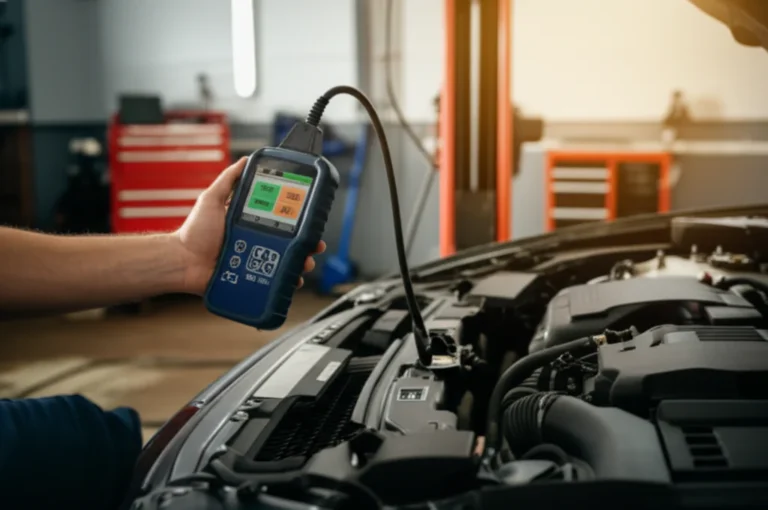
- Warning Lights: Check engine, oil pressure, battery, ABS lights. Use an OBD-II scanner (available for under $50) to read error codes.
- Unusual Noises: Squealing brakes, knocking engines, or grinding gears can hint at specific issues.
- Fluid Leaks: Puddles under the car can indicate leaks—oil, coolant, or transmission fluid.
- Performance Changes: Hesitation, stalling, or rough idling often signal maintenance needs.
When to Use Diagnostic Tools
- OBD-II Scanners: These plug into your car’s diagnostic port and provide error codes. Brands like BlueDriver and FIXD are popular among DIYers.
- Multimeters: For electrical issues like battery or alternator testing.
When to Be Cautious
If you’re staring at a blinking check engine light and the codes point to complex engine or transmission problems, it’s time to call in a professional. Misdiagnosing can lead to wasted time and money.
1️⃣ Basic Car Repairs You Can Confidently Do Yourself
Ready to get your hands dirty? Here are seven basic repairs and maintenance tasks that most car owners can handle with minimal tools and experience:
1. Checking and Topping Off Fluids
- Engine oil, coolant, brake fluid, windshield washer fluid, and transmission fluid.
- Always use the correct fluid type specified in your owner’s manual.
2. Changing Engine Oil and Oil Filter
- Requires a wrench, oil filter wrench, drain pan, and funnel.
- Follow your car’s recommended oil change interval (usually every 3,000-7,500 miles).
3. Replacing Air Filters
- Improves engine efficiency and fuel economy.
- Usually involves unclipping or unscrewing the airbox cover and swapping the filter.
4. Replacing Wiper Blades
- No tools needed; just snap off old blades and snap on new ones.
- Improves visibility and safety in bad weather.
5. Checking and Inflating Tires
- Use a tire pressure gauge to maintain recommended PSI.
- Rotate tires every 5,000-7,000 miles for even wear.
6. Replacing Spark Plugs
- Requires a spark plug socket and ratchet.
- Improves engine performance and fuel efficiency.
7. Cleaning Battery Terminals
- Remove corrosion with a wire brush and baking soda solution.
- Prevents starting issues and electrical problems.
2️⃣ Intermediate DIY Repairs: When to Step Up Your Game
Feeling confident? Some repairs require more tools, patience, and know-how but are still doable for dedicated DIYers.
Brake Pad Replacement
- Requires jack, jack stands, lug wrench, C-clamp, and brake cleaner.
- Critical for safety—follow step-by-step guides carefully.
- If you hear grinding or feel vibration, it’s time to inspect brakes.
Replacing Headlights or Taillights
- Usually involves removing screws or clips and unplugging connectors.
- Improves night visibility and avoids traffic tickets.
Changing Cabin Air Filter
- Keeps your car’s interior air fresh and HVAC system efficient.
- Usually located behind the glove box.
Minor Dent Repair
- Dent puller kits with glue tabs can fix shallow dents.
- Great for cosmetic fixes but not structural damage.
3️⃣ Complex Repairs That Are Better Left to Professional Mechanics
Some repairs are best left to the experts. Here’s when to hang up your wrench and call your trusted mechanic:
Engine Repairs
- Timing belt/chain replacement, head gasket repair, or internal engine work require specialized tools and expertise.
Transmission Service
- Transmission fluid changes might be DIY-friendly, but repairs and rebuilds are complex.
Electrical System Issues
- Wiring problems, sensor replacements, or ECU diagnostics often need professional diagnostic equipment.
Suspension and Steering Repairs
- Replacing shocks, struts, or steering components affects vehicle safety and handling.
Brake System Overhauls
- Master cylinder or ABS system repairs require precision and experience.
Auto Body Repairs and Paint Jobs
- Major dents, frame damage, or full repainting need professional equipment and skills.
Why Professionals?
- They have access to advanced diagnostic tools, OEM parts, and warranties.
- Mistakes in these areas can compromise safety and cause expensive damage.
⚠️ Safety First: Precautions and Best Practices for DIY Repairs
Nothing ruins a DIY project faster than an injury or accident. Here’s how to keep yourself safe:
- Always work on a flat, stable surface.
- Use jack stands—never rely solely on a jack.
- Wear gloves and safety glasses.
- Disconnect the battery when working on electrical components.
- Keep a fire extinguisher nearby, especially when working with fuel or oil.
- Follow manufacturer instructions and torque specs precisely.
- Don’t rush—take your time to avoid mistakes.
💡 Tips and Tricks for Successful DIY Car Maintenance
Our Car Brands™ experts have learned a few things over the years. Here are some insider tips to make your DIY journey smoother:
- Start with simple tasks like checking fluids or changing wiper blades before moving on to complex repairs.
- Use online tutorials and videos from trusted sources like YouTube’s ChrisFix or manufacturer websites.
- Keep your workspace clean and organized to avoid losing small parts.
- Label and store removed parts carefully to ensure proper reassembly.
- Invest in a good repair manual for your specific car model, such as Haynes or Chilton guides.
- Join online forums or local car clubs for advice and moral support.
- Document your repairs with photos and notes for future reference.
💰 Cost vs. Value: When DIY Saves You Money and When It Costs More
DIY repairs can be a money saver, but not always. Here’s how to weigh the pros and cons:
| Factor | DIY Repair | Professional Repair |
|---|---|---|
| Cost of Parts | Usually same or cheaper | Same or slightly higher |
| Labor Cost | Free (your time) | Can be expensive |
| Tools Investment | Upfront cost, long-term use | No upfront cost |
| Risk of Mistakes | Higher if inexperienced | Lower with trained mechanics |
| Warranty | Usually none | Often includes warranty |
| Time Spent | Can be lengthy | Usually faster |
When DIY saves you money:
- Routine maintenance like oil changes, air filter replacements, and wiper blade swaps.
When DIY might cost more:
- Complex repairs that require special tools or expertise, where mistakes can cause further damage.
🛑 Warning Signs: Knowing When to Call a Professional Mechanic
Even the most enthusiastic DIYer needs to know when to throw in the towel. Here are some red flags:
- Persistent or multiple warning lights on the dashboard.
- Strange noises that don’t go away after basic fixes.
- Brake issues like spongy pedals or grinding sounds.
- Transmission slipping or difficulty shifting gears.
- Electrical problems causing intermittent failures.
- Fluid leaks that you can’t identify or stop.
- Structural damage after an accident.
Remember, your safety and your car’s health come first. When in doubt, consult a professional.
🔄 Maintaining Your Car After Repairs: Keep It Running Smoothly
Fixing your car is only half the battle. Proper follow-up maintenance ensures your repairs last and your car stays reliable.
Post-Repair Checklist
- Test drive carefully to confirm the repair fixed the issue.
- Recheck fluid levels and tire pressure.
- Inspect repaired parts regularly for signs of wear or loosening.
- Keep a maintenance log with dates, parts used, and any observations.
- Schedule regular professional inspections to catch hidden problems early.
📚 Recommended Resources and Learning Platforms for DIY Mechanics
Want to become a DIY car repair ninja? Here are some trusted resources:
-
YouTube Channels:
- ChrisFix — Step-by-step tutorials for all skill levels.
- Scotty Kilmer — Tips and car repair advice.
-
Repair Manuals:
- Haynes Manuals — Detailed guides for specific car models.
- Chilton Manuals — Another trusted manual series.
-
Online Forums:
- Reddit r/MechanicAdvice — Community Q&A.
- Car Forums — Find brand-specific communities.
-
Diagnostic Tools:
- BlueDriver OBD2 Scanner — User-friendly and reliable.
- FIXD OBD2 Scanner — Great for beginners.
-
Safety Gear:
👉 CHECK PRICE on:
- BlueDriver OBD2 Scanner: Amazon | BlueDriver Official Website
- Mechanix Wear Gloves: Amazon | Mechanix Wear Official
- Haynes Repair Manuals: Amazon | Haynes Official
Ready to tackle your next car repair? Remember, the journey from novice to pro is paved with patience, practice, and a dash of curiosity. Stay tuned for our conclusion where we balance the DIY spirit with professional wisdom! Meanwhile, explore more about your favorite car brands and their maintenance quirks in our Car Brand Lists and Car Brand Comparisons.
Conclusion: Balancing DIY Spirit with Professional Wisdom

So, can you perform car repairs yourself, or are some tasks better left to a professional mechanic? The answer isn’t a simple yes or no—it’s a balance. At Car Brands™, we believe that basic maintenance and simple repairs are absolutely within reach for most car owners. Changing your oil, swapping air filters, checking fluids, or replacing wiper blades can save you money, deepen your connection with your vehicle, and boost your confidence.
However, as we explored, complex repairs involving the engine, transmission, electrical systems, or brake overhauls require specialized tools, knowledge, and experience. Attempting these without proper skills risks your safety, your car’s health, and your wallet. Remember the golden rule: know your limits and prioritize safety.
Our experts recommend starting small, investing in quality tools, and using trusted resources like repair manuals and online tutorials. When you hit a wall or face a critical safety component, don’t hesitate to call a professional mechanic. After all, your car is an investment—and sometimes the best DIY is knowing when to get expert help.
Ready to embrace the DIY spirit with a safety net of professional wisdom? Your car (and your wallet) will thank you!
Recommended Links
-
BlueDriver OBD2 Scanner:
Amazon | BlueDriver Official Website -
Mechanix Wear Gloves:
Amazon | Mechanix Wear Official -
Haynes Repair Manuals:
Amazon | Haynes Official -
DEWALT Mechanics Socket Set:
Amazon | DEWALT Official -
Blackhawk Floor Jack and Jack Stands:
Amazon | Blackhawk Official
FAQ

How much money can I save by doing my own car repairs?
DIY repairs can save you hundreds to thousands of dollars annually, especially on routine maintenance like oil changes, air filter replacements, and brake pad swaps. Labor costs at repair shops often exceed parts costs, so doing simple tasks yourself eliminates that expense. However, complex repairs done incorrectly can lead to costly mistakes, so savings depend on your skill and the task complexity.
Are there car repairs that require specialized equipment?
Absolutely. Repairs involving the engine internals, transmission, advanced diagnostics, or suspension often require specialized tools like engine hoists, scan tools with manufacturer-specific software, or alignment machines. Without these, DIY attempts can be unsafe or ineffective.
What tools do I need for DIY car repairs?
For basic maintenance, essential tools include:
- Socket and wrench sets (preferably metric)
- Torque wrench
- Jack and jack stands
- Oil filter wrench
- Tire pressure gauge
- Screwdrivers (flat and Phillips)
- Funnel and drain pan
- Safety gloves and glasses
More advanced repairs require additional tools like multimeters, brake caliper tools, or diagnostic scanners.
How can I learn basic car repair skills?
Start with your vehicle’s owner manual and trusted repair manuals like Haynes or Chilton. Supplement with video tutorials from channels like ChrisFix and Scotty Kilmer. Joining online forums and local car clubs can provide community support and advice.
What are the risks of performing car repairs without experience?
Risks include:
- Causing further damage to your vehicle
- Compromising safety-critical systems like brakes or steering
- Voiding warranties
- Personal injury from improper tool use or unsafe practices
Always prioritize safety and know when to seek professional help.
When should I take my car to a professional mechanic?
If you encounter:
- Persistent warning lights or multiple error codes
- Complex engine or transmission issues
- Brake system overhauls beyond pad replacement
- Electrical problems beyond battery terminal cleaning
- Suspension or steering repairs
- Structural or body damage
Professionals have the tools, training, and experience to handle these safely and effectively.
What car repairs can I safely do myself at home?
Safe DIY repairs include:
- Checking and topping off fluids
- Changing engine oil and filters
- Replacing air and cabin filters
- Swapping wiper blades
- Checking and inflating tires
- Replacing spark plugs (with proper tools)
- Cleaning battery terminals
What car repairs are safe for beginners to try at home?
Beginners should start with:
- Fluid checks and top-offs
- Wiper blade replacement
- Air filter swaps
- Tire pressure checks
- Basic cleaning under the hood
These tasks require minimal tools and carry low risk.
When should I definitely take my car to a professional mechanic?
If you notice:
- Brake pedal feels spongy or brakes make grinding noises
- Transmission slips or shifts roughly
- Engine misfires or stalls frequently
- Electrical systems malfunction unpredictably
- Fluid leaks you cannot identify or stop
- Structural damage after accidents
Safety-critical issues should never be DIY experiments.
What tools do I need to perform basic car maintenance myself?
Refer to the essential tools section above. A good starter kit includes socket sets, screwdrivers, jack and stands, oil filter wrench, funnel, tire gauge, and safety gear.
How can I tell if a car repair is too complex for DIY?
If the repair involves:
- Internal engine components
- Transmission disassembly
- Advanced electrical diagnostics
- Suspension or steering system overhaul
- Safety-critical brake system repairs
And you lack specialized tools or training, it’s best to consult a professional.
Are DIY car repairs cost-effective compared to professional services?
For routine maintenance and minor repairs, DIY is usually cost-effective. For complex repairs, the risk of mistakes and tool costs can outweigh savings. Consider your skill level, time, and safety before deciding.
What are the risks of attempting major car repairs without experience?
Major repairs done incorrectly can cause:
- Severe vehicle damage
- Safety hazards on the road
- Voided warranties
- Increased repair costs down the line
Always weigh risks carefully.
How can I learn more about car repair techniques safely?
Use trusted manuals, watch expert tutorials, practice on non-critical parts first, and consider taking a local community college auto repair course. Join forums and ask questions before attempting unfamiliar repairs.
Reference Links
- Ron’s Auto & RVA: Can I Do Basic Car Maintenance and Repairs Myself?
- Action Rochester: Do It Yourself Car Maintenance
- Garage Services Bromley: DIY Car Repairs: When to Try and When to Call a Pro
- BlueDriver Official Website
- Mechanix Wear Official Website
- Haynes Manuals Official Website
- DEWALT Official Website
- Blackhawk Official Website
- ChrisFix YouTube Channel
- Scotty Kilmer YouTube Channel
For more expert insights and detailed guides, visit our Car Brand Histories and Auto Industry News sections.