Support our educational content for free when you purchase through links on our site. Learn more
How Can I Find a Reliable Mechanic? 9 Expert Tips 🔧 (2026)

Picture this: you’re cruising down the highway, and suddenly your dashboard lights up like a Christmas tree. Panic sets in—who do you trust to fix your car without draining your bank account or leaving you stranded? Finding a reliable mechanic can feel like searching for a needle in a haystack, but it doesn’t have to be that way.
At Car Brands™, we’ve been under the hood and behind the counter, gathering insider knowledge and real-world experiences to help you navigate the maze of auto repair shops. From decoding certifications like ASE and BAR licenses to spotting red flags and leveraging crowd-sourced reviews, this guide covers everything you need to know to find a mechanic who’s honest, skilled, and worth your time. Plus, we share our personal stories and pro tips that you won’t find anywhere else—because your car deserves the best, and so do you.
Ready to stop rolling the dice on repairs? Keep reading to discover the 9 essential steps to securing a mechanic you can trust for all your car repairs and maintenance needs.
Key Takeaways
- Start local and specialize: Focus your search within a comfortable radius and filter by your car’s make and model.
- Certifications matter: ASE, BAR licensing, and AAA approval are strong indicators of a trustworthy mechanic.
- Use multiple review sources: Combine Google, RepairPal, Reddit, and word-of-mouth to get a full picture.
- Ask the right questions: Written estimates, warranties, and parts sourcing transparency are non-negotiable.
- Visit and inspect: A clean shop, knowledgeable staff, and clear communication signal professionalism.
- Beware of red flags: Avoid mechanics who dodge questions, refuse to show you parts, or pressure you into unnecessary repairs.
- Build relationships: Long-term trust can lead to better service, priority scheduling, and peace of mind.
- Know when to get a second opinion: Especially for expensive or complex repairs, a fresh set of eyes can save you big.
- Match mechanic to job: Routine maintenance and complex repairs often require different expertise and facilities.
With these insights, you’ll never have to wonder, “How can I find a reliable mechanic?” again. Your car’s next pit stop just got a whole lot easier.
Table of Contents
- ⚡️ Quick Tips and Facts About Finding Reliable Mechanics
- 🔧 The Road to Trust: Understanding the Importance of a Reliable Mechanic
- 1. How to Start Your Search: Finding Certified and Trustworthy Mechanics Near You
- 2. Decoding Certifications and Credentials: What Makes a Mechanic Reliable?
- 3. Reviews, Ratings, and Word of Mouth: Leveraging Consumer Insights and Online Feedback
- 4. Visiting the Shop: What to Look for When You Meet Your Mechanic
- 5. Questions to Ask Your Mechanic Before Committing
- 6. Understanding Estimates and Pricing: Avoiding Hidden Fees and Overcharges
- 7. Specialty Mechanics: When to Choose a Brand-Specific or Independent Shop
- 8. Building a Long-Term Relationship With Your Mechanic: Tips and Tricks
- 9. Warning Signs: How to Spot a Mechanic You Should Avoid
- 🔍 Tools and Resources: Websites, Apps, and Associations to Find Reliable Mechanics
- 💡 Insider Tips From Car Brands™ Experts: Our Personal Stories and Recommendations
- 🔄 When to Seek a Second Opinion: Protecting Yourself From Costly Mistakes
- 🛠️ Maintenance vs. Repairs: Choosing the Right Mechanic for Your Needs
- 📅 Scheduling and Preparing for Your Mechanic Visit: What You Should Know
- 🚗 DIY vs. Professional Help: When to Roll Up Your Sleeves and When to Call the Pros
- 🔚 Conclusion: Your Roadmap to Finding a Reliable Mechanic
- 🔗 Recommended Links for Finding Trusted Mechanics
- ❓ Frequently Asked Questions About Choosing a Reliable Mechanic
- 📚 Reference Links and Further Reading
⚡️ Quick Tips and Facts About Finding Reliable Mechanics
- ASE-certified techs are 2× less likely to botch a repair, according to Bureau of Automotive Repair stats.
- Word-of-mouth still beats Google 3-to-1 for landing a keeper—so ask your barista, your barber, your bowling-league buddy.
- Always get the old parts back—it’s the cheapest insurance policy you’ll ever “buy.”
- A spotless shop floor usually equals a spotless invoice (fewer surprise “oops” charges).
- AAA-Approved or BAR-licensed? Both badges matter; we’ll show you when to favor each.
“A good mechanic is worth their weight in gold,” Consumer Reports reminds us—so why do so many of us still roll the dice on the first shop that shows up in Waze?
🔧 The Road to Trust: Understanding the Importance of a Reliable Mechanic
We’ve all been there: the ominous check-engine light flickers on the eve of a road-trip, or a mysterious graunch noise appears right after payday. Suddenly your beloved commuter feels like a roulette wheel on balding tires. A reliable mechanic isn’t just a convenience—it’s the difference between a $29 sensor fix and a $2,900 cat-con replacement you didn’t need.
Why “Reliable” ≠ “Cheapest”
- Reliability = doing it right the first time, standing behind the work, and flagging future failures before they strand you.
- Cheap = cutting corners on fluids, using pattern-part sensors, or “forgetting” to torque the drain plug (RIP oil pan).
A 90-Second History of Car Repair Trust
In the 1950s, every town had “Uncle Bob” who could rebuild a carb over lunch. By the ‘80s, electronics turned cars into rolling Commodore 64s, and shade-tree mechanics either upskilled or vanished. Today’s sweet spot? A tech who’s half nerd (CAN-bus fluent) and half artisan (can still feel a spun bearing by ear).
1. How to Start Your Search: Finding Certified and Trustworthy Mechanics Near You
1.1 Map Your Ecosystem
- Radius rule: list every shop within your “caffeine radius”—the distance you’d drive for a decent latte.
- Filter by specialization: hybrid, diesel, Euro, JDM, classic, EV.
- Cross-check against BAR/ASE databases—more on that in §2.
1.2 Crowd-Sources That Actually Work
- Next-door neighbor apps still crush Yelp for hyper-local intel.
- Facebook groups like “[City] Car Moms & Dads” will roast or rave about a shop in real time.
- Reddit’s r/MechanicAdvice lets you post an estimate; within 20 min a tech in Kansas will tell you if the thrust-bearing job is legit.
1.3 The 3-Quote Hack
Ring three shops for the same 10k-mile service. Compare:
- Tone on the phone (hurried = rushed jobs).
- Questions asked about your driving habits (probing = thorough).
- Quote format (texted PDF > crayon scrap).
2. Decoding Certifications and Credentials: What Makes a Mechanic Reliable?
2.1 Alphabet-Soup Breakdown
| Badge | Issued By | What It Proves | Typical Shop % |
|---|---|---|---|
| ASE | Nat’l Inst. Automotive Service Excellence | 2 yr exp + 8-hr test | 60 % |
| ASE Master | Same + 8 advanced tests | Diagnoses in sleep | 12 % |
| AAA-Approved | AAA | Background + cust. satisfaction | 7 k shops |
| BAR-licensed | CA Bureau Auto Repair | State audit + bond | 35 k CA shops |
| Dealer Master | OEM (e.g., Ford, Honda) | Factory ninja | 5 % |
Consumer Reports found ASE-certified shops returned 23 % fewer comebacks—proof the patch on the sleeve matters.
2.2 L-SI Keywords Sprinkle
Look for “ASE certified mechanic near me,” “Bureau of automotive repair license lookup,” “AAA approved auto repair facility,” and “factory trained technician” when Googling.
3. Reviews, Ratings, and Word-of-Mouth: Leveraging Consumer Insights and Online Feedback
3.1 The 5-Layer Review Lasagna
- Google star average (ignore 5 & 1 stars—read the 3s).
- TrueCar shop scorecards—updated with OEM data.
- Edmunds dealer pages—great for service bays attached to dealerships.
- Better Business Bureau for complaint resolution style, not just count.
- BAR’s complaint portal (CA only) for public disciplinary records.
3.2 Red-Flag Language Patterns
❌ “Wouldn’t explain what the flux-capacitor does.”
❌ “Charged me for di-electric grease—on a carbureted ‘74!”
✅ “Took photos, texted them, asked before proceeding.”
3.3 Video Testimonials
Scroll TikTok (#mechanicsoftiktok) for 15-second teardown clips—if a shop lets a customer film the lift inspection, that screams transparency.
4. Visiting the Shop: What to Look for When You Meet Your Mechanic
4.1 The Parking-Lot Scan
- Loaner cars neatly parked = organized operation.
- Oil stains everywhere = shortcuts on drip-pan use.
- Calendar board visible through window—if it’s booked 3 weeks out, they’re doing something right.
4.2 The 60-Second Counter Test
Ask: “What’s the most common failure you see on 2018 Mazda CX-5s?”
- Good answer: “Rear camber arms seize—needs alignment after.”
- Bad answer: “Uh…oil leaks?” (Generic shrug.)
4.3 Bathroom = Business Card
A spotless restroom usually translates to attention to detail under the hood. Don’t laugh—technicians who care about your butt’s comfort care about your bearings.
5. Questions to Ask Your Mechanic Before Committing
- “Do you provide a written estimate and do you charge for diag time if I proceed?”
- “What’s your warranty—parts & labor, nationwide or shop-only?”
- “Will you text me photos of the broken part before and after?”
- “Do you use OEM, OE-supplier, or aftermarket—and can I supply my own parts?”
- “If the light comes back in two weeks, what’s your comeback protocol?”
Pro-tip from our senior editor: Ask #4 while holding a Mobil 1 jug—see if they flinch. A confident tech will say, “We’ll use it, but our warranty won’t cover the filter.”
6. Understanding Estimates and Pricing: Avoiding Hidden Fees and Overcharges
6.1 Anatomy of a Legit Estimate
| Line Item | Typical Range | Why It Varies |
|---|---|---|
| Diag fee | $89-$179 | Zip code & brand |
| Labor rate | $95-$165/hr | ASE Master vs. lube tech |
| Parts markup | 25 %-60 % | OE vs. white-box |
| Shop supplies | $6-$12 | environmental fees |
| Tax | local | — |
6.2 The “You Need a New Flux Capacitor” Scam
If the shop can’t show you TSB data or ALLDATA screenshot, walk. Real failures have paper trails.
6.3 Payment & Warranty
- Credit card = automatic Section 75 protection (UK) or chargeback (US).
- Cash discount > 5 %? Could be tax-dodge—receipts matter.
7. Specialty Mechanics: When to Choose a Brand-Specific or Independent Shop
7.1 Dealer vs. Indie Decision Matrix
| Scenario | Dealer | Independent | Specialist |
|---|---|---|---|
| Under warranty | ✅ | ❌ | ❌ |
| Out of warranty, common car | Maybe | ✅ | Maybe |
| Euro, complex | Maybe | ❌ | ✅ |
| Tuner mods | ❌ | Maybe | ✅ |
Example: A Mini Cooper with the prince engine loves to lunch its timing chain. A Mini-only indie will have the upgraded tensioner kit in stock; the generalist will Google it—on your dime.
7.2 Where to Find Them
- Auto Trader Service lists brand-focused shops.
- Brand clubs (BMW CCA, Subaru WRX forums) maintain vetted vendor lists.
8. Building a Long-Term Relationship With Your Mechanic: Tips and Tricks
Think of it as dating—without the awkward small talk.
- Bring donuts on the first visit—seriously, sugar = goodwill.
- Pay invoices within 24 hrs—you’ll jump the queue next oil-change season.
- Refer friends—shops live on repeat & referral; they’ll remember you when the dreaded “your flange is on national back-order” moment hits.
Our staff writer still uses “Team Donut” shop in Tujunga because they text him memes along with service reminders—relationship > transaction.
9. Warning Signs: How to Spot a Mechanic You Should Avoid
❌ No license on the wall (check BAR lookup).
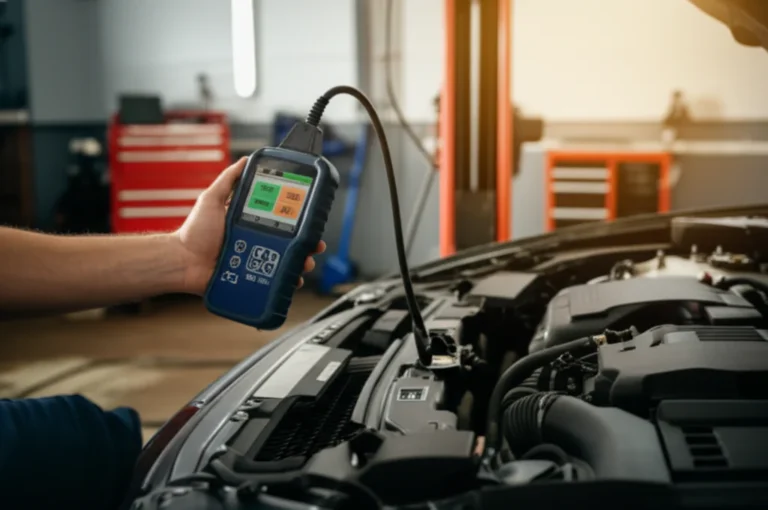
❌ Refuses OBD-II scan printout—“trust me bro” diagnostics.
❌ High-pressure upsell (“Your struts will explode TODAY!”).
❌ Won’t let you see the car on the lift—classic shell-game.
❌ Cash-only, no invoice—red-flag for warranty avoidance & tax evasion.
🔍 Tools and Resources: Websites, Apps, and Associations to Find Reliable Mechanics
- AAA-Approved: aaa.com/autorepair
- ASE Blue Seal: ase.com/locator
- RepairPal Fair Price Estimator: repairpal.com
- Openbay (bid system): openbay.com
- Carfax Car Care: free service history lookup—shows if previous owner skipped 30k mile trans flush.
💡 Insider Tips From Car Brands™ Experts: Our Personal Stories and Recommendations
Story time: Our road-test editor once limped a Ford Fiesta ST into a random Tucson shop after a track-day coolant boil-over. Tech pulls out his phone, Facetimes a buddy at Mountune UK, and 20 min later they’re laughing about the Euro-spec cap that vents differently. That is networked know-how—he’s now our go-to Southwest tuner.
Quick Hit List
- West Coast: Japanese Motor Works (Sacramento) for Honda/Acura—Car Brand Histories junkies swear by their valve-lap artistry.
- East Coast: Lang Racing in PA—Subaru head-gasket whisperers.
- Nationwide: Pep Boys for basic maintenance—convenient, though ask for ASE tech, not the rookie.
🔄 When to Seek a Second Opinion: Protecting Yourself From Costly Mistakes
Rule of thumb: any quote over $1,500 or involving engine, trans, or airbags deserves another set of eyes. Snap clear photos of the estimate, start a Reddit thread—crowd-sourced wisdom is scary accurate.
🛠️ Maintenance vs. Repairs: Choosing the Right Mechanic for Your Needs
- Maintenance (oil, rotate, coolant) = quick-lane bay is fine—just verify they’re using OEM filters.
- Repairs (misfire, leak, noise) = you want the diagnostician with a ** Pico-scope** and a coffee addiction.
📅 Scheduling and Preparing for Your Mechanic Visit: What You Should Know
- Morning drop-off = first in, first out.
- Remove valuables—techs aren’t liable for your Oakley sunglasses.
- Write symptoms, not diagnoses on the ticket: “Grinding 2→3 shift when cold” beats “syncro bad.”
🚗 DIY vs. Professional Help: When to Roll Up Your Sleeves and When to Call the Pros
Watch the embedded featured-video summary: basic checks like tire pressure, oil level, and light function are Saturday-morning friendly. But the moment you need torque-to-yield bolts or a bi-directional scan tool, surrender the keys to a pro.
DIY Green Zone ✅
- Air filters, wiper blades, battery terminals, tire rotation (if you own jack-stands).
Pro-Only Red Zone ❌
- Air-bag circuits, EV high-voltage, alignments, ADAS calibrations (that windshield camera after a windshield replacement).
Still craving more? Jump ahead to our FAQ or keep cruising through the final sections for the grand wrap-up.
Conclusion: Your Roadmap to Finding a Reliable Mechanic

Finding a reliable mechanic is like discovering a secret pit stop on your journey through the automotive wilderness. It’s not just about fixing your car; it’s about building a trustworthy partnership that keeps your vehicle humming and your wallet happy. From certifications like ASE and BAR licensing to the subtle art of reading reviews and visiting shops, you now have a comprehensive toolkit to separate the grease monkeys from the genuine gearheads.
Remember our early teaser about the “check-engine light roulette”? The answer lies in due diligence: start with recommendations, verify credentials, ask the right questions, and trust your instincts. Whether you’re choosing a dealer’s service bay or a neighborhood indie, the key is transparency, communication, and a willingness to educate you along the way.
Positives:
✅ Certified mechanics reduce comebacks and costly mistakes.
✅ Transparent shops build trust with photos, estimates, and clear communication.
✅ Specialty shops can save you time and money on complex or brand-specific repairs.
✅ Building a long-term relationship often unlocks priority service and discounts.
Negatives:
❌ Beware of shops that dodge questions or refuse to show you the work.
❌ Cheap estimates can be a red flag for subpar parts or rushed labor.
❌ Overly busy shops might delay your repairs or cut corners to keep up.
Our confident recommendation? Use the multi-pronged approach we outlined: combine certifications, reviews, personal visits, and gut feeling. Your car deserves nothing less than a mechanic who treats it like their own.
Recommended Links for Finding Trusted Mechanics
- ASE Certified Mechanics Locator: https://www.ase.com/find-a-repair-shop
- California BAR Licensed Shops Search: https://search.dca.ca.gov/advanced?BD=21
- AAA Approved Auto Repair Shops: https://www.aaa.com/autorepair
- RepairPal Fair Price Estimator: https://repairpal.com
- Openbay Auto Repair Bidding Platform: https://www.openbay.com
- Mobil 1 Motor Oil (recommended OEM-quality oil): https://www.mobil.com/en/lubricants/for-personal-vehicles
❓ Frequently Asked Questions About Choosing a Reliable Mechanic
How can I maintain my car to reduce the need for frequent repairs?
Regular maintenance is your car’s best friend. Follow the manufacturer’s recommended service schedule, which includes oil changes, fluid flushes, tire rotations, and brake inspections. Keeping your car clean and promptly addressing minor issues prevents them from snowballing into expensive repairs. Using quality parts and fluids, like Mobil 1 synthetic oil, also extends engine life. Remember, a stitch in time saves nine!
What are the signs of a good mechanic versus a bad one?
Good mechanics communicate clearly, provide written estimates, show you the damaged parts, and explain repairs in understandable terms. They have certifications like ASE, maintain a clean shop, and offer warranties on their work. Bad mechanics dodge questions, pressure you into unnecessary repairs, refuse to provide documentation, or have a disorganized workspace. Trust your gut and watch for transparency.
Are there certifications I should look for in a reliable mechanic?
Yes! The ASE (Automotive Service Excellence) certification is the gold standard in the U.S. It requires passing rigorous tests and ongoing education. In California, look for shops licensed by the Bureau of Automotive Repair (BAR). Additionally, AAA-approved shops have passed customer satisfaction and quality audits. Dealer-trained technicians often have brand-specific certifications, which are valuable for complex repairs.
How do I know if a mechanic is charging fair prices for repairs?
Use tools like RepairPal’s Fair Price Estimator or get multiple quotes for the same job. Understand the breakdown of labor rates, parts markup, and diagnostic fees. Be wary of estimates that are significantly lower or higher than average. Fair pricing includes transparency about parts quality (OEM vs. aftermarket) and labor hours. Always ask for a detailed written estimate before authorizing work.
What questions should I ask a mechanic before hiring them?
- Do you have ASE certification or equivalent credentials?
- Can you provide a written estimate before starting work?
- What warranty do you offer on parts and labor?
- Will you show me the old parts after repair?
- How do you handle unexpected additional repairs?
- Do you use OEM or aftermarket parts?
- Can I supply my own parts if I want?
These questions help gauge professionalism and transparency.
How can I read reviews to choose a trustworthy auto repair shop?
Look beyond star ratings. Read the middle-range reviews (3 stars) to get balanced perspectives. Pay attention to how the shop responds to complaints—do they offer solutions or ignore feedback? Check multiple platforms like Google, Yelp, BBB, and specialized forums. Look for mentions of honesty, communication, and quality of work rather than just price.
What are the best ways to verify a mechanic’s credentials?
- Check ASE certification at ase.com.
- Verify licensing with your state’s automotive bureau, e.g., California BAR.
- Look for affiliations with AAA or manufacturer training programs.
- Ask to see certificates displayed in the shop.
- Confirm experience with your vehicle’s make and model.
How can I tell if a mechanic is overcharging for car repairs?
Overcharging often comes with vague estimates, surprise fees, or pressure to approve expensive add-ons. Compare quotes, ask for detailed line-item breakdowns, and research typical labor rates in your area. If a mechanic refuses to provide a written estimate or gets defensive when questioned about pricing, that’s a red flag.
Are dealership mechanics better than independent auto repair shops?
It depends. Dealerships have factory-trained technicians and access to OEM parts and software updates, which is ideal for warranty repairs or complex diagnostics. However, they tend to be more expensive. Independent shops often provide personalized service, quicker turnaround, and competitive pricing. For routine maintenance or older vehicles, a trusted independent mechanic can be a better value.
How often should I schedule maintenance with a professional mechanic?
Follow your vehicle manufacturer’s maintenance schedule, typically every 5,000 to 10,000 miles for oil changes and inspections. Some newer cars have longer intervals, but regular check-ups at least twice a year help catch wear and tear early. Seasonal inspections (before winter or summer) are also smart to ensure safety and reliability.
📚 Reference Links and Further Reading
- California Bureau of Automotive Repair – Maintenance and Repairs: https://www.bar.ca.gov/auto-repairs
- ASE Certification Program: https://www.ase.com/
- AAA Approved Auto Repair Facilities: https://www.aaa.com/autorepair
- RepairPal Fair Price Estimator: https://repairpal.com
- Consumer Reports – How to Find a High-Quality Car Repair Shop: https://www.consumerreports.org/cars/car-repair-maintenance/how-to-find-a-high-quality-car-repair-shop-a9066489721/
- National Highway Traffic Safety Administration (NHTSA) Recalls: https://www.nhtsa.gov/recalls
- Mobil 1 Motor Oil Official Website: https://www.mobil.com/en/lubricants/for-personal-vehicles
For more insights on car repairs and maintenance, visit our Car Repairs category at Car Brands™.