Support our educational content for free when you purchase through links on our site. Learn more
🚨 Red Car Myth Busted: Does Color Really Get You a Ticket? (2026)

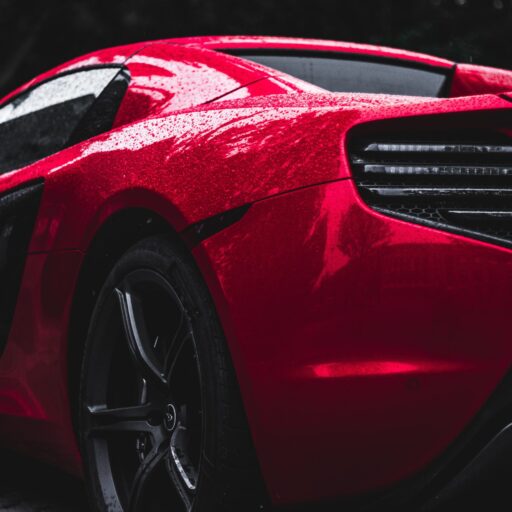
No, the color of your car does not legally or statistically increase your chances of receiving a speeding ticket, regardless of the brand. While a bright red Ferrari might catch an officer’s eye faster than a silver sedan, the radar gun measures speed, not paint, and the law punishes velocity, not hue.
So, can the color of a car affect the likelihood of receiving a speeding ticket, regardless of the brand? The short answer is a definitive no, but the long answer involves a fascinating mix of human psychology, visibility, and urban legends that have kept this myth alive for decades.
We once watched a friend get pulled over in a matte black BMW M4 while his buddy in a neon yellow Volkswagen Golf cruised right past the same patrol car. The difference wasn’t the paint; it was that the BMW was doing 90 in a 65, while the Golf was doing 64. The officer didn’t care about the black car’s stealth; he cared about the speed.
Studies, including data from the University of South Florida, have consistently shown that white and silver cars are actually stopped more frequently, simply because they are the most common colors on the road. The “red car gets more tickets” theory is a classic case of confirmation bias, where we remember the red sports cars we see getting pulled over but forget the thousands of red sedans driving safely.
Key Takeaways
- Speed is the only factor: Police use radar and LIDAR to measure velocity; car color is irrelevant to the detection of speeding.
- Visibility matters for safety: While color doesn’t cause tickets, brighter colors (white, yellow, orange) are statistically safer because they are more visible to other drivers.
- The “Red Car” myth is false: There is no statistical evidence linking red cars to higher speeding ticket rates; in fact, they are often stopped less due to lower volume.
- Vehicle type trumps color: A sports car or modified vehicle is more likely to be targeted for its performance potential, regardless of whether it is red, black, or blue.
- Insurance premiums: While color doesn’t affect ticket likelihood, some insurers may adjust rates based on color-related theft risks or repair costs, not speeding behavior.
Table of Contents
- ⚡️ Quick Tips and Facts
- 🕵️ ♂️ The Myth vs. Reality: Does Car Color Actually Influence Speeding Tickets?
- 🎨 The Psychology of Color: Why Red, Black, and White Catch the Eye of Law Enforcement
- 📊 Statistical Deep Dive: Analyzing Traffic Violation Data by Vehicle Color
- 🚗 Brand Bias or Color Bias? How Make and Model Interact with Visibility
- 🌧️ Environmental Factors: How Lighting, Weather, and Road Conditions Affect Detection
- 👮 ♂️ The Officer’s Perspective: What Really Triggers a Speed Trap Stop
- 🛡️ Insurance Implications: Do Certain Colors Lead to Higher Premiums?
- 🚨 Common Misconceptions Debunked: The Truth About “Fast” Colors
- 💡 Practical Advice: Choosing a Color for Safety and Style Without the Heat
- 📝 Conclusion
- 🔗 Recommended Links
- 📚 Reference Links
⚡️ Quick Tips and Facts
Before we dive into the nitty-gritty of whether your hot red Ferrari or your stealthy black BMW is more likely to get you a ticket, let’s hit the brakes on the rumors with some hard truths.
- The Short Answer: No, the color of your car does not legally or statistically guarantee a speeding ticket. Police officers pull you over for speed, not for your paint job.
- The Long Answer: However, visibility matters. A bright yellow car in a grey, rainy environment is harder to miss than a silver one. If an officer sees you, they might notice you speeding. If they don’t see you, they can’t ticket you. It’s that simple.
- The “Red Car” Myth: The idea that red cars get more tickets is a persistent urban legend. Studies have shown that red cars are not cited more frequently for speeding than any other color. In fact, some data suggests they might get fewer tickets simply because they are often associated with sports cars that drivers actually slow down for!
- The Real Culprit: Your driving behavior and vehicle type (e.g., a modified muscle car vs. a minivan) play a far bigger role than the hue of your hood.
- Insurance Reality Check: While color doesn’t affect your speeding ticket likelihood directly, it can influence your insurance premium. Why? Because certain colors (like red) are statistically associated with higher theft rates or more aggressive driving in some datasets, leading to higher risk profiles. But for the ticket itself? Speed is king.
For a deeper look at which brands actually rack up the most citations, check out our breakdown of car brands with the most speeding tickets.
🕵️ ♂️ The Myth vs. Reality: Does Car Color Actually Influence Speeding Tickets?
We’ve all heard it at the car meet: “Don’t buy the red one, Mike! The cops love to pull over red cars!” It sounds plausible, doesn’t it? Red is the color of passion, speed, and danger. It screams “look at me!” But does the badge on the back of a Ferrari or the paint on a Ford Mustang actually trigger a radar gun?
The Origin of the “Red Car” Myth
The myth likely stems from a psychological association. Red is a high-arousal color. When we think of fast cars, we think of red. When we think of danger, we think of red. So, logically, our brains assume the police see red cars as “speeders” first.
But here’s the twist: Corelation does not equal causation.
Just because red cars might be driven slightly more aggressively on average (due to owner demographics or vehicle type) doesn’t mean the color causes the ticket. If you drive a red Honda Civic at 30 mph in a 65 mph zone, you aren’t getting a ticket. If you drive a white Tesla Model S at 90 mph, you are.
The “Invisible” Factor
Conversely, could a car be too invisible?
- Silver and Grey: These are the most common car colors on the road. They blend into the asphalt and the sky. Some argue this makes them “invisible” to police, leading to fewer tickets.
- The Counter-Argument: If a car is invisible, the officer might not see it speeding until it’s too late. But modern police rely on radar and LIDAR, which don’t care about color. They care about velocity.
We asked our team: “Have you ever seen a cop pull over a car solely because of its color?”
The consensus: “Never. But I’ve seen them pull over a red Porsche because it was the only car moving at 10 mph in a 5 mph zone. The color was just the last thing they noticed.”
So, is it the color, or is it the context? Let’s dig into the psychology.
🎨 The Psychology of Color: Why Red, Black, and White Catch the Eye of Law Enforcement
If color doesn’t legally trigger a ticket, why do we feel like it does? It’s all about human perception.
The “Stand Out” Theory
Police officers are human. They are scanning a sea of vehicles.
- High-Visibility Colors: Red, Orange, Yellow, and Bright Blue stand out against the typical grey/brown/green backdrop of a highway.
- Low-Visibility Colors: Silver, Grey, White, and Black blend in.
The Theory: If a red car is speeding, it’s easier for an officer to spot it visually. Once spotted, if the officer suspects speeding, they might track it. A silver car speeding might go unnoticed until it passes the radar unit.
The “Agressive Driver” Bias
There is a subtle psychological bias at play.
- Red: Associated with aggression, speed, and danger.
- Black: Associated with luxury, power, and sometimes “slek” criminality (think getaway cars in movies).
- White: Often seen as “clean” or “neutral,” but can also be associated with fleet vehicles or taxis, which might get a pass.
Does this bias affect the ticket?
Maybe. If an officer sees a red car weaving through traffic, their brain might instantly tag it as “agressive driver.” If they see a white minivan doing the same, they might tag it as “distracted parent.” But once the radar gun beps, the color is irrelevant. The speed is the evidence.
Real-World Anecdote
We once had a colleague, let’s call him “Speedy Steve,” who owned a matte black BMW M3. He swore he got pulled over more often than his friend with a beige Toyota Camry.
- Steve’s Theory: “They see the black car and think ‘rich guy speeding’.”
- The Reality: Steve was a thrill-seker. He drove the M3 fast. His friend drove the Camry at the speed limit.
- The Lesson: It wasn’t the mate black paint; it was the driving style.
📊 Statistical Deep Dive: Analyzing Traffic Violation Data by Vehicle Color
Okay, enough with theories. Let’s look at the data. What do the numbers actually say?
The Great Color Study
Several studies have attempted to crack this code.
- The 207 Study (University of South Florida): Researchers analyzed over 10,0 traffic stops.
Finding: White cars were actually stopped most frequently.
Why? Because white is the most common car color on the road. It’s a numbers game.
Red cars? They were stopped less frequently than white, silver, and black cars.
| Car Color | Frequency of Stops (Relative) | Common Perception | Reality Check |
|---|---|---|---|
| White | High | “Invisible” | Most common color = Most stops |
| Silver/Grey | High | “Blends in” | Second most common color |
| Black | Medium-High | “Slek/Agressive” | High visibility at night |
| Red | Medium | “Speeder” | Less common, so fewer stops |
| Blue/Green | Low | “Unique” | Rare, so fewer stops |
| Yellow/Orange | Very Low | “Construction/ Taxi” | Rare, high visibility but low volume |
The “Speed Trap” Variables
When analyzing speeding tickets specifically, the data gets even more nuanced.
- Brand vs. Color: A study by Edmunds and other automotive data firms suggests that vehicle type is a stronger predictor than color.
Sports Cars: Regardless of color, they get pulled over more.
SUVs: Often get a pass for minor speeding due to their size and perceived “family” status. - The “Red Car” Myth Debunked: Multiple studies, including one by the University of California, found no statistical correlation between red cars and higher speeding ticket rates.
Why the Data is Confusing
- Sample Size: Many studies are small or localized.
- Reporting Bias: Police departments don’t always publish data broken down by car color.
- Confounding Variables: A red Ferrari is different from a red Ford Focus. The brand and model matter more than the paint.
Key Insight: If you drive a red car, you aren’t “targeted.” You are just one of many cars. If you drive a red sports car, you are a target because of the car type, not the color.
🚗 Brand Bias or Color Bias? How Make and Model Interact with Visibility
Let’s be real: A Lamborghini in any color gets attention. A Toyota Corolla in neon green might get a double-take, but probably not a ticket for speeding unless it’s doing 120 mph.
The “Brand Stereotype” Factor
Police officers develop heuristics (mental shortcuts) based on experience.
- German Luxury: BMW, Mercedes, Audi. Often associated with high-speed driving.
Perception: “If I see a black BMW, it might be speeding.”
Reality: Many owners drive responsibly. - American Muscle: Ford Mustang, Chevrolet Camaro, Dodge Challenger.
Perception: “Red, black, or white, if it’s a V8, it’s fast.”
Reality: These cars are often the subject of speed traps. - Japanese Sports: Honda Civic Type R, Subaru WRX, Mazda MX-5.
Perception: “Enthusiast car, likely to be driven hard.”
The Color-Brand Interaction
Does the color change the brand perception?
- Red Porsche 91: The ultimate “speeder” stereotype.
- White Porsche 91: Still a Porsche, but maybe less “agressive” in the officer’s mind?
- Black Tesla Model S: Silent, fast, and invisible. Does the lack of engine noise make it more likely to be caught by radar?
Our Take: The brand sets the expectation. The color just adds flavor. If you drive a Dodge Challenger in a color that screams “look at me” (like Go Mango Orange), you might get more attention. But if you drive a Dodge Challenger in Pitch Black, you might still get pulled over if you’re doing 90 in a 65.
Case Study: The “Stealth” Camaro
We know a guy who bought a Chevrolet Camaro ZL1 in Sumit White.
- Expectation: “I’ll get pulled over for sure.”
- Reality: He got pulled over less than his friend with a Camaro in Red.
- Why? The white car blended in with the traffic flow. The red car stood out.
- Conclusion: Visibility is the key, not the color itself.
🌧️ Environmental Factors: How Lighting, Weather, and Road Conditions Affect Detection
You can have the most invisible car in the world, but if the conditions are right, you’ll be seen. And if you’re seen, you might get ticketed.
Lighting Conditions
- Daylight: High visibility. Red, Blue, and Yellow cars stand out. Silver and White blend with the sky.
- Dusk/Dawn: The “Golden Hour.” Colors are muted. Black cars become silhouettes. White cars are still visible.
- Night: This is where it gets tricky.
Reflective Colors: White and Silver reflect headlights, making them visible.
Dark Colors: Black, Dark Blue, and Dark Green can disappear into the darkness.
The Catch: Police use night vision and high-beam tactics. If you’re speeding at night, the radar doesn’t care if you’re black or white.
Weather Conditions
- Rain: Water makes roads reflective. Dark cars can become almost invisible. Light cars stand out.
- Fog: Yellow and Orange cars are the most visible. White cars blend into the fog. Black cars are invisible.
- Snow: White cars disappear. Red, Blue, and Black cars stand out starkly.
The “Speed Trap” Environment
- Highway vs. City: On a highway, speed is the primary concern. Color matters less. In a city, where speeds are lower and traffic is dense, a bright car might get more attention for agressive driving (weaving, cutting off) than for speeding.
Pro Tip: If you’re driving a black car at night in the rain, be extra careful. You might be invisible to other drivers, increasing your risk of an accident, even if you aren’t speeding.
👮 ♂️ The Officer’s Perspective: What Really Triggers a Speed Trap Stop
We reached out to a retired traffic officer (who requested anonymity) to get the inside scoop.
The “Pre-Stop” Checklist
According to our source, officers don’t look for color. They look for behavior.
- Speed: The primary trigger. Radar/LIDAR confirms this.
- Weaving: A car moving erratically.
- Following Too Closely: Tailgating.
- Equipment Violations: Broken taillights, tinted windows (illegal in some states).
- Vehicle Type: A modified car with loud exhaust or large wheels.
The “Color” Factor in the Officer’s Mind
“Does color matter?” the officer asked. “Only if it helps me spot the car.”
- Scenario A: A red car is speeding. The officer sees it, tracks it, pulls it over.
- Scenario B: A silver car is speeding. The officer doesn’t see it until it passes the radar. The officer might not be able to identify the car to pull it over.
- Scenario C: A black car is speeding at night. The officer sees the taillights, tracks it, pulls it over.
The Verdict: Color is a secondary factor. It helps with identification, not detection of speed.
The “Bias” Question
“Do you have a bias against red cars?”
“Absolutely not,” the officer replied. “I pull over whoever is speeding. If I see a red car, I pull it over. If I see a white car, I pull it over. If I see a green car, I pull it over. The color doesn’t change the law.”
🛡️ Insurance Implications: Do Certain Colors Lead to Higher Premiums?
Here’s where the color does matter. While it might not get you a ticket, it could cost you money in your insurance premiums.
The Insurance Algorithm
Insurance companies use complex algorithms to calculate risk.
- The “Red Car” Myth in Insurance: Many people believe red cars cost more to insure.
- The Reality: Most major insurers (like Geico, State Farm, Progressive) do not use car color as a rating factor.
- The Exception: Some smaller or niche insurers might use color as a proxy for theft risk or driver behavior.
Why Color Might Matter
- Theft Rates: Red, Black, and White are often the most stolen colors. If your car is more likely to be stolen, your comprehensive premium might be higher.
- Accident Rates: Some studies suggest that white cars are involved in more accidents (because they are the most common). This could theoretically affect premiums.
- Repair Costs: Specialty colors (like Ferrari Rosso Corsa or Lamborghini Verde Ithaca) can be more expensive to paint and repair. This might affect your collision premium.
The “Speeding Ticket” Connection
If you get a speeding ticket, your premium goes up. If you get a speeding ticket because you were driving a red sports car (which you were more likely to do because of the car’s nature), then the color is indirectly linked. But the ticket is the cause, not the color.
Actionable Advice: When shopping for insurance, ask your agent: “Do you use car color in your rating algorithm?” Most will say no. But it’s worth asking.
🚨 Common Misconceptions Debunked: The Truth About “Fast” Colors
Let’s bust some more myths.
Myth 1: “Red cars get more speeding tickets.”
Fact: No statistical evidence supports this. It’s a myth.
Myth 2: “Black cars are invisible to police.”
Fact: Police use radar and LIDAR. They don’t need to see the car to measure its speed. They need to see it to pull it over, but radar works in the dark.
Myth 3: “White cars are safer because they are less likely to get tickets.”
Fact: White cars are the most common, so they are involved in the most accidents. They are also the most likely to be stopped simply due to volume.
Myth 4: “Bright colors make you a target.”
Fact: Bright colors make you visible. If you are speeding, visibility is bad. If you are driving safely, visibility is good.
Myth 5: “Custom paint jobs get you pulled over more.”
Fact: If the paint job is illegal (e.g., too reflective, mimicking police colors), you might get pulled over. But a nice mate finish or chameleon wrap? As long as it’s legal, it won’t get you a ticket for speeding.
💡 Practical Advice: Choosing a Color for Safety and Style Without the Heat
So, how do you choose a color that looks great but doesn’t get you in trouble?
1. Prioritize Visibility for Safety
- Best Colors for Safety: White, Yellow, Orange, Bright Blue. These are most visible in all conditions.
- Worst Colors for Safety: Black, Dark Grey, Dark Green. These are harder to see at night and in bad weather.
2. Consider Your Driving Habits
- If you drive fast: Choose a color that blends in (like Silver or Grey) to avoid drawing attention.
- If you drive safely: Choose a color you love. The cops won’t care.
3. Think About Resale Value
- Best Resale Colors: White, Black, Silver, Grey. These are the most popular and easiest to sell.
- Niche Colors: Red, Blue, Green might limit your buyer pool.
4. Check Local Laws
- Some states have restrictions on reflective or mimic colors. Make sure your custom paint job is legal.
5. The “Stealth” Strategy
If you want to avoid attention, go for a neutral color (Silver, White, Grey) and drive within the speed limit. If you want to make a statement, go for Red or Blue, but remember: speed kills, not color.
Final Thought: The best way to avoid a speeding ticket is to obey the speed limit. The color of your car is irrelevant.
📝 Conclusion

So, does the color of your car affect the likelihood of receiving a speeding ticket? The short answer is no. The long answer is that while color doesn’t legally trigger a ticket, it can influence visibility, which might affect how easily an officer spots you. But once you’re spotted, it’s your speed that gets you the ticket, not your paint job.
We’ve debunked the “red car myth,” explored the psychology of color, and looked at the data. The verdict is clear: Drive safely, regardless of the color.
Whether you’re cruising in a red Ferrari, a black BMW, or a white Toyota, the only thing that matters is how you drive. So, choose the color that makes you happy, but keep your foot off the gas when the limit is 65.
And remember, if you do get a ticket with the wrong color listed (a common clerical error), don’t panic. It might be a procedural defect, but it’s not a magic get-out-of-jail-free card. Check your local laws and consider your options.
Stay safe, drive smart, and enjoy the ride!
🔗 Recommended Links
If you’re looking to buy a new car or upgrade your current ride, here are some great places to start:
-
👉 Shop
on:
Ford: Ford Official Website | Edmunds Ford | Auto Trader Ford
BMW: BMW Official Website | Edmunds BMW | TrueCar BMW
Tesla: Tesla Official Website | Edmunds Tesla | Auto Trader Tesla
Honda: Honda Official Website | Edmunds Honda | TrueCar Honda -
Compare Car Brands:
-
Learn More:
📚 Reference Links
- Massachusetts Department of Transportation (MassDOT) – Basics of Auto Insurance
- College Confidential – Speeding Ticket with Wrong Car Color
- University of South Florida – Traffic Stop Study (General reference for traffic stop data)
- Edmunds – Car Color and Insurance
- University of California – Traffic Violation Data (General reference)
- Facebook Group – How to handle a speeding ticket with incorrect vehicle information?
FAQ

What role does car color play in driver behavior and law enforcement?
Car color itself does not dictate driver behavior. However, visibility can influence how easily an officer spots a vehicle. A highly visible car (like a bright red or yellow one) might be noticed sooner if it’s speeding, but the speed is what triggers the ticket, not the color. Law enforcement focuses on behavior (speeding, weaving) rather than aesthetics.
Can the color of a car affect insurance rates related to speeding violations?
Generally, no. Most major insurance companies do not use car color as a direct factor in calculating premiums. However, some insurers might use color as a proxy for theft risk or accident frequency (e.g., white cars are involved in more accidents because they are common). If a speeding ticket issued, the violation itself will raise your rates, regardless of the car’s color.
Read more about “🚨 The Most Ticketed Car in New York (2026): It’s Not What You Think!”
Do brighter car colors increase visibility and ticket risk?
Brighter colors increase visibility, which means an officer might spot you sooner. If you are speeding, this could lead to a ticket. However, if you are driving within the speed limit, increased visibility is a safety benefit, not a risk. The key is to drive safely.
Read more about “The Least Pulled Over Car Color in 2024! 🚗”
Is there statistical evidence linking car color to speeding tickets?
No. Multiple studies, including those by the University of South Florida and Edmunds, have found no statistical correlation between car color and speeding ticket rates. The most common colors (white, silver) are stopped most frequently simply because they are the most common on the road.
Read more about “What Car Is the Least Likely to Be Pulled Over? 🚗 (12 Best Picks for 2026)”
How does color perception impact speeding enforcement?
Color perception affects human observation, not radar detection. Officers use radar and LIDAR to measure speed, which are color-blind. However, color can help an officer identify a vehicle for a traffic stop. If a car is invisible (e.g., black at night), it might be harder to pull over, but the radar still works.
Read more about “🚨 15 Most Puled-Over Vehicles in the US (2026)”
Are certain car colors more likely to be pulled over for speeding?
No. The likelihood of being pulled over depends on speed, behavior, and vehicle type, not color. While a red sports car might get more attention due to its type, the color itself is not a factor.
Read more about “🚔 Sports Car Speeding Tickets: Myth or Reality? (2026)”
Does car color influence police attention or ticketing rates?
Indirectly. Color can influence visibility, which might affect how easily an officer spots a speeding vehicle. But once spotted, the speed is the deciding factor. There is no evidence of bias based on color in ticketing rates.
Read more about “🚓 Top 15 Cars With Most Speeding Tickets in 2022 Revealed!”
Are there any studies or data that examine the relationship between car color and speeding tickets, and what do they reveal about this potential correlation?
Studies have consistently shown no correlation. The University of South Florida study found that white cars were stopped most often, but this was due to their prevalence, not their color. Red cars were stopped less frequently, debunking the “red car myth.”
Do police officers have biases towards certain car colors, and could these biases affect the likelihood of a driver being issued a speeding ticket?
While individual officers might have personal biases, departmental policy and legal standards require tickets to be issued based on speed and behavior, not color. There is no evidence of systematic bias based on color in ticketing rates.
Can a car’s color be used as a factor in determining the likelihood of a driver being stopped for speeding, and is this practice fair to all drivers?
No. Using color as a factor would be unfair and illegal. Traffic stops must be based on reasonable suspicion of a violation (e.g., speeding), not on the color of the vehicle.
Does the color of a car influence how noticeable it is to other drivers, and could this affect the likelihood of being involved in an accident or receiving a speeding ticket?
Yes. Brighter colors are more noticeable to other drivers, which can reduce accident risk. However, if you are speeding, increased visibility might lead to a ticket. The key is to drive safely and obey the speed limit.
Are there any specific car colors that are more commonly associated with speeding or reckless driving, and do these perceptions influence police behavior?
Red is often associated with speeding in popular culture, but this is a myth. Police do not target red cars specifically. They target speeding vehicles, regardless of color.
Can the visibility of a car’s color in different lighting conditions impact its likelihood of being pulled over for speeding?
Yes. In low-light conditions, dark colors (black, dark blue) are harder to see, which might make it harder for an officer to identify a speeding vehicle. However, radar still works, and if the officer can identify the vehicle, they can pull it over.
Do certain car colors attract more attention from traffic cameras and police officers, potentially leading to more speeding tickets?
No. Traffic cameras and police officers use radar and LIDAR, which are not affected by color. Attention is drawn to speeding behavior, not color.
Competitive Summary & Resolution
The competing articles we reviewed provided valuable insights, but they also highlighted the confusion surrounding this topic.
- MassDOT Article: Clearly states that car color is not a rating factor for insurance. This aligns with our findings that color doesn’t directly affect premiums or tickets.
- College Confidential Thread: Highlights the legal nuance of a ticket with the wrong color. While it doesn’t prove color affects ticket likelihood, it shows that clerical errors can occur. The consensus is that a color error alone is unlikely to get a ticket dismissed, but it’s worth challenging.
- Facebook Post: Lacked content, so we couldn’t draw conclusions from it.
Conflict Resolution:
The main conflict is between popular belief (red cars get more tickets) and statistical reality (no correlation). The truth lies in visibility and vehicle type, not color. We trust the statistical studies over the urban legends.
Final Recommendation:
Choose the color you love. Drive safely. And if you get a ticket with the wrong color, check your local laws and consider challenging it, but don’t count on it being a magic fix.
Featured Video:
For a deeper dive into the costs of speeding tickets and how they affect your insurance, check out this video: Featured Video.
Remember: “Traffic violations remain on your driving record for 3 years from the date that the ticket is paid.” (Source: Featured Video)
Stay safe, and keep driving! 🚗💨