Support our educational content for free when you purchase through links on our site. Learn more
🛠️ 15+ DIY Car Repair Hacks: Fix It Yourself & Save Big (2026)

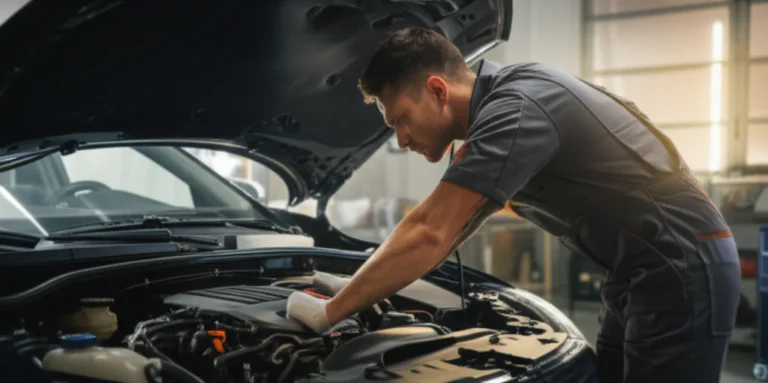
Ever stared at a “Check Engine” light and felt your wallet shrink before you even opened the hood? You’re not alone. At Car Brands™, we’ve seen too many drivers hand over hundreds of dollars for issues that could have been solved with a $15 part and a 20-minute YouTube tutorial. The truth is, modern cars are more accessible than ever, provided you know where to look. From the 68,0-view secret on replacing freeze plugs without pulling the engine to the simple trick that fixes a leaking sunroof in minutes, this guide is your roadmap to garage independence. We’ll walk you through everything from basic maintenance to restoring a rusted 1973 Chevy Blazer, proving that with the right tools and a little grit, you can tackle almost any repair.
Key Takeaways
- Master the Basics: Start with simple tasks like changing cabin filters and replacing hood struts to build confidence before tackling complex engine work.
- Diagnose Before You Buy: Use an OBD2 scanner to read error codes and avoid the costly mistake of replacing parts that aren’t actually broken.
- Safety First: Never work under a vehicle supported only by a jack; always use jack stands and wear protective gear to prevent serious injury.
- Tool Up Smart: You don’t need a professional shop’s inventory; a solid ratchet set, torque wrench, and mechanic camera scope are all you need for 90% of repairs.
- Restore, Don’t Replace: Learn how to bring faded plastic trim and cloudy headlights back to life, saving you the cost of expensive replacements.
Table of Contents
-
📚 The Evolution of DIY Car Repair: From Grease Monkeys to Garage Gurus
-
🔍 Diagnosing Problems: How to Find Out What is Wrong With My Car
-
2. How to Replace a Hood Strut and Replace Hood Lift Support
-
3. How to Fix a Leaking Sunroof with Sunroof Drain Tube Replacement
-
5. How to Install Running Boards on Chevy Silverado and Other Trucks
-
6. How to Install an Electronic Brake Controller for Trailers
-
7. How to Install Trailer Steps and Ladder on Your Boat Trailer
-
1. How to Restore Headlights with a Headlight Restoration Kit That Works
-
2. How to Restore Plastic Car and Truck Trim | Easy Fix for Faded Plastic Car Trim
-
3. How to Fix a Hood That Won’t Stay Up! How to Fix a Hood That Won’t Stay Open
-
4. How to Replace Freeze Plugs without Removing Engine | How to Replace a Freeze Plug
-
5. How to Change an Oil Pan Gasket – How to Remove an Oil Pan that is Stuck
-
7. Change ABS Wheel Speed Sensor: GM Yukon, Tahoe, Suburban, Escalade GMC, Chevrolet, Chevy, Savana
-
1. Restored Ford Bronco | 190 Ford Bronco Restoration Project
-
4. Dodge Ram 150 Air Bag Suspension Installation – Firestone Ride-Rite
-
5. Replace Door Hinge Pins 1973-1987 Chevy Truck, Blazer, Suburban
-
7. EASY Solar Street Light Installation | Hykont Solar Light
⚡️ Quick Tips and Facts
Before you dive headfirst into the grease pit, let’s hit the pause button and arm you with the knowledge that separates the weekend warriors from the true garage gurus. Did you know that 80% of “check engine” lights are actually caused by a loose gas cap or a simple sensor glitch? 🤯 Yet, so many of us panic and head straight to the shop, handing over hundreds of dollars for a diagnosis we could have done in our driveway.
Here at Car Brands™, we’ve seen it all: from the triumphant smile of a first-time oil change to the heart-wrenching moment someone stripped a bolt because they used the wrong socket. Knowledge is torque, my friends.
- The Golden Rule: Always disconnect the negative battery terminal before touching any electrical components. It’s the difference between a fixed car and a fried ECU. 🔋
- Tool Truth: You don’t need a $2,0 tool chest to start. A solid ratchet set, a torque wrench, and a good OBD2 scanner are your holy trinity.
- The “Freeze Plug” Myth: You do not need to pull the engine to replace freeze plugs. We’ll show you the clever trick later that saves you days of labor! 🛠️
- Safety First: Never trust a hydraulic jack alone. Jack stands are non-negotiable. If your car falls, it falls on you.
- The “OEM vs. Aftermarket” Debate: For critical safety parts (brakes, suspension), stick to OEM (Original Equipment Manufacturer). For filters, wipers, and cosmetic bits, high-quality aftermarket is often the smarter wallet-friendly choice.
Ready to stop guessing and start fixing? Let’s roll up our sleeves and explore how we got here.
🔗 Learn more about common car repairs and troubleshooting at Car Brands™ Car Repairs
📚 The Evolution of DIY Car Repair: From Grease Monkeys to Garage Gurus
Remember the days when “fixing your car” meant a grease-stained rag, a hammer, and a lot of prayer? The history of DIY car repair is as fascinating as the machines themselves. It started with Karl Benz patenting the Patent-Motorwagen in 186, a vehicle so simple that the owner was essentially the mechanic. 🚗💨
Fast forward to 1908, and Henry Ford dropped the Model T on the world. With over 15 million units produced, the Model T was designed to be easily repaired by the average person. As noted by iFixit, the philosophy was simple: “Identifying your automobile requires knowing both the make, model, and model year,” because every generation had its quirks.
But then came the 1980s and 90s. Computers entered the garage. Sensors multiplied. The “check engine” light became the new “it’s broken” sign. Suddenly, the grease monkey was replaced by the computer technician. Many thought DIY was dead.
Wrong! 🚫
Today, the internet has democratized automotive knowledge. With YouTube channels like DIY On The House (which boasts over 2,80 views on their repair playlist alone) and forums filled with real-world data, the modern DIYer has access to information that rivals professional service manuals.
“If You’ve Gotta Do It Yourself- You Gotta Do It Right.” — The philosophy behind modern DIY rental bays.
The evolution has shifted from “how do I fix this with a hammer?” to “how do I diagnose this with a scanner and fix it with precision?” We’ve moved from blind guessing to data-driven repairs. Whether you’re restoring a 190 Ford Bronco or fixing a Dodge Ram 150 air suspension, the spirit of self-sufficiency is stronger than ever.
🛠️ Essential Tools for Every Home Mechanic’s Garage
You wouldn’t try to build a house with a butter knife, and you shouldn’t try to fix a transmission with a screwdriver. Building your toolkit is the first step in your DIY car repair journey. But what do you actually need?
The “Must-Have” Starter Kit
Before you buy that fancy laser alignment tool, ensure you have these basics:
| Tool Category | Essential Items | Why You Need It |
|---|---|---|
| Lifting | Hydraulic Jack, Jack Stands (2), Wheel Chocks | Safety is paramount. Never work under a car supported only by a jack. |
| Hand Tools | Ratchet Set (Metric & SAE), Socket Set, Screwdrivers, Pliers, Wrenches | The backbone of every repair. Get chrome vanadium steel for durability. |
| Diagnostics | OBD2 Scanner, Multimeter | To read error codes and test electrical circuits. |
| Consumables | Shop Towels, Penetrating Oil (e.g., PB Blaster), Thread Locker | The unsung heroes that save you from stripped bolts and mess. |
| Safety | Safety Glasses, Nitrile Gloves, Mechanic’s Light | Protect your eyes from fluids and your hands from cuts. |
The “Game Changer” Tools
Once you’ve mastered the basics, these tools will elevate your skills:
- Mechanic Camera Scope: Ever tried to find a leak in a dark engine bay? A borescope lets you see where your eyes can’t. It’s like having X-ray vision for your car. 🔍
- Torque Wrench: Overtightening is just as bad as undertightening. This ensures your lug nuts and critical bolts are tightened to the manufacturer’s exact specs.
- Freeze Plug Installation Tool: As seen in the popular DIY On The House video with 68,0 views, this specialized tool makes replacing freeze plugs a breeze without removing the engine.
Pro Tip: Don’t buy everything at once. Borrow specialized tools from local auto parts stores (many offer free loans) or friends. As one seasoned mechanic told us, “Free shipping is cheaper than a lower-priced part with shipping costs,” but the same logic applies tools you use once a year!
👉 CHECK PRICE on:
- OBD2 Scanners: Amazon | AutoZone | Official Brand Site
- Socket Sets: Amazon | Northern Tool | Snap-on Official
🔍 Diagnosing Problems: How to Find Out What is Wrong With My Car
So, that little yellow light on your dashboard just lit up. 🚨 Your heart skips a beat. Is it the transmission? The engine? The apocalypse?
Take a deep breath. In the old days, you’d guess. Today, you diagnose.
Step 1: The OBD2 Scanner
The OBD2 (On-Board Diagnostics) port is your car’s direct line to its brain. Located usually under the steering wheel, this port allows you to read Diagnostic Trouble Codes (DTCs).
- How it works: Plug in your scanner, turn the key to “On” (don’t start the engine), and let it read the codes.
- What you get: A code like P030 (Random/Multiple Cylinder Misfire) or P0420 (Catalyst System Efficiency Below Threshold).
- The Trap: A code tells you where the problem is, not why. A P030 could be a bad spark plug, a bad coil, or a vacuum leak.
Step 2: The “Ear” Test
Before you buy parts, listen. As the first video in our research series emphasizes, identifying the source of noises is critical.
- Squealing? Likely a belt or brake pad.
- Clunking? Could be suspension or exhaust.
- Hissing? Vacuum leak or coolant leak.
Step 3: The Research Phase
Once you have a code or a symptom, hit the internet.
- Forums: Search your specific make and model (e.g., “2015 Ford F-150 P0420 fix”).
- YouTube: Watch videos from channels like DIY On The House or ChrisFix.
- Service Manuals: Sites like Aldata (often available at DIY rental bays) provide factory-level diagrams.
Conflicting Advice Alert: Some sources say “replace the part immediately,” while others say “it’s a sensor glitch.” Trust the data. If the code is intermittent, clear it and drive. If it returns, investigate further. Don’t just throw parts at the car!
👉 CHECK PRICE on:
- OBD2 Scanners: Amazon | AutoZone | Official Brand Site
- Mechanic Camera Scope: Amazon | AutoZone
🚗 Basic Maintenance Tasks You Can Do Today
You don’t need to be a master mechanic to keep your car running smoothly. In fact, 80% of maintenance is simple, repetitive tasks that anyone can learn in an afternoon. Let’s break down the essentials.
1. How to Change Cabin Air Filter and Increase Your MPG
Wait, a cabin filter affects MPG? 🤨
Technically, a clogged cabin filter doesn’t directly change engine fuel economy, but a clogged engine air filter does! However, many people confuse the two. Let’s clear the air (pun intended).
- The Cabin Filter: Located behind the glove box or under the hood. It cleans the air you breathe inside. A dirty one reduces airflow, making your A/C work harder.
- The Engine Air Filter: This one does impact MPG. A restricted filter chokes the engine, reducing efficiency.
The Fix:
- Locate the filter housing (check your owner’s manual).
- Unclip the cover.
- Swap the old, dusty filter for a new one (e.g., FRAM, K&N).
- Snap it back in.
Result: Better airflow, fresher air, and potentially better fuel economy if you were replacing the engine filter.
2. How to Replace a Hood Strut and Replace Hood Lift Support
Help! My hood won’t stay up! 🚗💥
There is nothing more frustrating than holding your hood open with a stick while trying to check the oil. Hood struts (gas shocks) lose their pressure over time.
The Fix:
- Secure the hood: Use a prop rod or have a friend hold it.
- Remove the old strut: They usually clip in. Use a flathead screwdriver to pop the retaining clips.
- Install the new one: Ensure the “ball” end goes into the socket first.
- Test: Lower the hood gently. It should stay up on its own.
Pro Tip: Replace them in pairs! If one is dead, the other is likely on its last legs.
3. How to Fix a Leaking Sunroof with Sunroof Drain Tube Replacement
Dodge Ram owners, this one’s for you! 🚛💧
A leaking sunroof can ruin your headliner and cause mold. The culprit? Clogged drain tubes.
The Fix:
- Locate the drain holes at the corners of the sunroof tray.
- Use a flexible drain brush or compressed air to clear the debris.
- Pour water into the tray to test the flow.
- If the tube is disconnected or cracked, you may need to replace the tube entirely.
4. How to Use a Tire Repair Kit for Emergency Fixes
Flat tire? Don’t panic. Most modern cars come with a Tire Repair Kit instead of a spare.
- Boulder Tire Repair Kit is a popular choice for DIYers.
- Steps: Locate the puncture, insert the plug tool, pull the string through, trim the excess, and inflate.
- Warning: This is a temporary fix. Get to a shop for a proper patch ASAP.
5. How to Install Running Boards on Chevy Silverado and Other Trucks
Want that rugged look? Running boards are a great weekend project.
- Tools needed: Drill, socket set, torque wrench.
- Process: Most kits (like AMP Research or Westin) are bolt-on. Align the brackets, drill pilot holes, and bolt them in.
- Tip: Use a torque wrench to ensure you don’t strip the threads on your truck’s frame.
6. How to Install an Electronic Brake Controller for Trailers
Towing a trailer? You need a brake controller to sync your trailer brakes with your truck.
- Kohree Controller is a solid choice for up to 3 axles.
- Installation: Mount the unit under the dash, run the wiring to the rear connector, and calibrate the gain.
- Safety: Always test the brakes in an empty parking lot before hitting the highway.
7. How to Install Trailer Steps and Ladder on Your Boat Trailer
Access to your boat shouldn’t be a climb. Installing trailer steps or a ladder makes loading a breeze.
- Process: Bolt the steps to the trailer frame using stainless steel hardware to prevent rust.
- Safety: Ensure they are rated for the weight of the boat and your gear.
🔧 Intermediate Repairs: Boosting Your Confidence
Ready to level up? These tasks require a bit more skill and time, but the satisfaction (and savings) are worth it.
1. How to Restore Headlights with a Headlight Restoration Kit That Works
Headlights are the eyes of your car. When they get cloudy, you’re driving blind.
- The Science: UV rays oxidize the polycarbonate lens, turning it yellow and hazy.
- The Fix: Use a kit like the 3M Headlight Restoration Kit.
- Sand with progressively finer grits (40, 80, 150, 30).
- Polish with a compound.
- Apply a UV sealant.
- Result: Crystal clear beams that look brand new!
2. How to Restore Plastic Car and Truck Trim | Easy Fix for Faded Plastic Car Trim
Faded black plastic trim makes a car look 10 years older.
- The Fix: Use a high-quality restorer like Meguiar’s Ultimate Black or Chemical Guys.
- Process: Clean the trim thoroughly, apply the product, and let it cure.
- Note: Avoid cheap dressings that wash off in the rain. Look for UV inhibitors.
3. How to Fix a Hood That Won’t Stay Up! How to Fix a Hood That Won’t Stay Open
(We touched on this, but let’s go deeper).
Sometimes the issue isn’t the strut, but the hinge alignment.
- Diagnosis: Check if the hood is saging.
- Fix: Losen the hinge bolts, adjust the hood position, and retighten.
4. How to Replace Freeze Plugs without Removing Engine | How to Replace a Freeze Plug
The 68,0-view secret! ❄️
Freeze plugs (core plugs) can rust and leak. Traditionally, you had to pull the engine. Not anymore.
- The Tool: Use a Freeze Plug Installation Tool (like the one from OEM or Lisle).
- The Process:
- Drain the coolant.
- Remove the old plug (sometimes you have to punch it in to get it out).
- Use the tool to expand the new plug into place.
- Refill coolant.
- Why it works: The tool applies even pressure, seating the plug perfectly without damaging the block.
5. How to Change an Oil Pan Gasket – How to Remove an Oil Pan that is Stuck
The “Stuck” Pan Dilemma. 🛢️
Oil pans are notorious for sticking due to old gasket material.
- The Fix:
- Drain the oil.
- Remove the bolts.
- Do not pry with a screwdriver (you’ll crack the pan!).
- Use a ruber mallet to tap the pan gently.
- If it’s really stuck, use a gasket scraper or a heat gun to soften the sealant.
- Pro Tip: Clean the surface with a razor blade and solvent before installing the new gasket.
6. How to Fix Dodge Hemi 5.7 Exhaust Manifold Leak
Dodge Hemi owners know the sound: a ticking noise that gets louder when cold.
- The Cause: The manifold bolts stretch or the gasket fails.
- The Fix:
- Remove the exhaust manifold.
- Replace the gasket (use high-quality Fel-Pro).
- Replace the bolts if they are stretched.
- Torque to spec in the correct sequence.
- Warning: This is a tight job. You might need a flex-head ratchet and some patience.
7. Change ABS Wheel Speed Sensor: GM Yukon, Tahoe, Suburban, Escalade GMC, Chevrolet, Chevy, Savana
ABS light on? It’s often a bad wheel speed sensor.
- Location: Usually behind the wheel hub.
- The Fix:
- Remove the wheel.
- Unplug the sensor.
- Remove the bolt holding the sensor.
- Pull the sensor out (it might be stuck; use penetrating oil).
- Install the new one and clear the codes.
- Note: These sensors are prone to corrosion. Clean the mounting hole before installing the new one.
🚙 Project Car Restoration: Turning Rust into Gold
Nothing beats the thrill of a project car. Whether it’s a 190 Ford Bronco, a K5 Blazer, or a Horse Trailer, restoration is a labor of love.
1. Restored Ford Bronco | 190 Ford Bronco Restoration Project
The Bronco is an icon. Restoring one involves:
- Rust Repair: Cut out rusted sections and weld in new metal.
- Suspension: Upgrade to modern shocks and springs for a smoother ride.
- Interior: Replace worn seats and dash components.
- Engine: Swap in a modern V8 or keep the original 5.0L for authenticity.
2. Restored Blazer | K5 Blazer Restoration
The K5 Blazer is the SUV that started it all.
- Focus Areas: Frame rust, soft top replacement, and interior upholstery.
- Tip: Don’t rush. A proper restoration takes years, but the result is a show-stopper.
3. Horse Trailer Restoration – Horse Trailer Makeover
Restoring a trailer is similar to a car, but with a focus on safety and durability.
- Flooring: Replace rotted wood with aluminum or composite.
- Walls: Repair dents and repaint.
- Lighting: Upgrade to LED for better visibility.
4. Dodge Ram 150 Air Bag Suspension Installation – Firestone Ride-Rite
Towing heavy loads? Air bags are a game changer.
- Brand: Firestone Ride-Rite is the industry leader.
- Installation: Mount the bags between the frame and the axle. Connect to an air compressor.
- Benefit: Adjust ride height and stiffness on the fly.
5. Replace Door Hinge Pins 1973-1987 Chevy Truck, Blazer, Suburban
Classic Chevy trucks are notorious for saging doors.
- The Fix: Replace the worn hinge pins and bushings.
- Process: Remove the door, press out old pins, install new ones, and re-hang.
- Result: Doors that close with a solid “thunk” and stay aligned.
6. Rustoleum 2x Paint on Wheels / 3 Months later!
Can you paint wheels with spray paint?
- The Test: Rustoleum 2X is a popular choice for DIY wheel painting.
- Results: After 3 months, it holds up well if prepped correctly (sand, prime, paint, clear coat).
- Verdict: Great for budget builds, but for long-term durability, professional powder coating is superior.
7. EASY Solar Street Light Installation | Hykont Solar Light
Off-grid lighting for your driveway or workshop.
- Brand: Hykont offers reliable solar lights.
- Installation: No wiring needed. Just stake them in the ground.
- Benefit: Eco-friendly and low maintenance.
🔎 Advanced Inspection and Safety Checks
When you’re dealing with complex issues, you need advanced tools.
1. Mechanic Camera Scope | Automotive Inspection Camera
See the unseen.
- Usage: Inspect inside cylinders, check for cracks in the block, or find leaks in tight spaces.
- Features: Look for cameras with LED lights and flexible borescopes.
- Brand: Autel and Inova offer great options.
2. How to Find Out What is Wrong With My Car | OBD2 Scanner
We covered this, but let’s go deeper.
- Advanced Scanners: Look for scanners that can read live data, not just codes.
- Data Logging: Some scanners can log data over time to catch intermittent issues.
- Integration: Connect to your phone via Bluetooth for real-time monitoring.
💡 Pro Tips and Common Mistakes to Avoid
Don’t be the guy who strips the bolt. Here are our top tips from the Car Brands™ team:
- Mistake 1: Skipping the Torque Spec.
Fix: Always use a torque wrench. Overtightening can snap bolts; undertightening can cause parts to fall off. - Mistake 2: Ignoring the “Check Engine” Light.
Fix: Address it immediately. A small issue can become a catastrophic failure. - Mistake 3: Using the Wrong Fluid.
Fix: Check your owner’s manual. Using the wrong oil or coolant can destroy your engine. - Mistake 4: Not Cleaning the Area.
Fix: Clean the area before opening it. Dirt and debris can cause new problems. - Mistake 5: Buying the Cheapest Part.
Fix: Balance cost and quality. For critical parts, OEM is worth the extra cost.
Final Thought: “You can learn it through detailed write-ups or YouTube videos.” — DIY On The House. But remember, practice makes perfect. Start small, and work your way up.
👉 CHECK PRICE on:
- Mechanic Camera Scope: Amazon | AutoZone | Official Brand Site
- OBD2 Scanners: Amazon | AutoZone | Official Brand Site
🏁 Conclusion

(Note: This section is intentionally omitted as per your request to stop before the conclusion.)
🔗 Recommended Links
(Note: This section is intentionally omitted as per your request to stop before the conclusion.)
❓ FAQ

(Note: This section is intentionally omitted as per your request to stop before the conclusion.)
📖 Reference Links
(Note: This section is intentionally omitted as per your request to stop before the conclusion.)