Support our educational content for free when you purchase through links on our site. Learn more
🚗 Car Repair Estimates: The Ultimate 2026 Guide to Fair Pricing

We’ve all been there: the dreaded check engine light flickers on, and your stomach drops as you imagine a bill that could wipe out your savings. You call a shop, they give you a vague “it depends,” and suddenly you’re staring at a number that feels like a ransom note. But what if you could walk into that garage with the confidence of a seasoned pro, knowing exactly what a fair price looks like before you even turn the key? At Car Brands™, we’ve spent years dissecting the mechanics of auto repair estimates, from decoding labor rates to spotting the red flags that signal a rip-off. In this comprehensive guide, we’ll reveal the secrets behind the numbers, show you how to leverage the latest 2026 tools to get accurate, transparent quotes, and even share a shocking statistic about how much drivers overpay simply because they didn’t ask the right questions. By the end of this read, you’ll know exactly how to negotiate, when to walk away, and which digital tools are truly worth your time.
Key Takeaways
- Accuracy Matters: Online estimators provide a reliable baseline range for standard repairs, but always expect a 10–15% variance for complex issues due to hidden damage.
- 👉 Shop Smart: Getting multiple in-person quotes is the single most effective way to ensure you aren’t overpaying for labor or parts.
- Know Your Rights: A legitimate estimate must include detailed labor hours, specific part numbers, and a clear breakdown of fees; vague quotes are a major red flag.
- Negotiate with Data: Use RepairPal or YourMechanic data to confidently negotiate labor rates and parts markups with your local mechanic.
- DIY vs. Pro: While simple maintenance can be DIY, complex diagnostics often require specialized tools and expertise that only professionals possess.
Table of Contents
Quick Tips and Facts
As car enthusiasts and reviewers at Car Brands™, we’ve compiled a list of essential tips and facts to help you navigate the world of car repair estimates. 🚗
- Always get multiple estimates from different mechanics to ensure a fair price.
- Be wary of lowball estimates that may not include all the necessary repairs.
- Don’t be afraid to ask questions and seek clarification on any estimate.
- Keep a record of your car’s maintenance and repair history to help inform future estimates.
- Consider using independent repair shops instead of dealerships for non-warranty work.
For more information on car repairs, check out our article on car repairs.
The Evolution of Auto Repair Cost Estimation
The way we estimate car repair costs has come a long way. 🚀
In the past, estimates were often rough and based on limited data. However, with the advent of technology and industry-standard data, estimates have become more accurate and transparent.
According to RepairPal, a leading estimator, their tool brings together automotive industry standard data for parts pricing and labor times, combined with a proprietary labor rate model to deliver fair price ranges for common repairs and services.
You can learn more about the evolution of auto repair cost estimation on Auto Industry News.
Key Factors in Estimate Accuracy
Several factors contribute to the accuracy of car repair estimates, including:
- Vehicle make and model: Different vehicles have unique repair requirements and costs.
- Type of repair: Certain repairs, such as engine or transmission work, can be more complex and expensive than others.
- Labor rates: The cost of labor can vary significantly depending on the mechanic and location.
- Parts pricing: The cost of parts can fluctuate based on availability and quality.
Decoding Your Vehicle Repair Estimate: A Deep Dive
Understanding your vehicle repair estimate can be overwhelming, but it’s essential to ensure you’re getting a fair deal. 📊
A typical estimate will include:
- Labor costs: The cost of the mechanic’s time and expertise.
- Parts costs: The cost of any replacement parts needed for the repair.
- Miscellaneous costs: Any additional costs, such as taxes or disposal fees.
You can find more information on decoding your vehicle repair estimate on Car Brand Comparisons.
National Average Repair Estimates by Category
Here are some national average repair estimates by category:
| Category | Average Cost |
|---|---|
| Brake repair | $300-$500 |
| Suspension repair | $500-$1,000 |
| Engine repair | $1,000-$3,000 |
| For more information on national average repair estimates, check out Car Brand Market Shares. |
Repair Estimates By Make and Model: Brand-Specific Insights
Different vehicle makes and models have unique repair requirements and costs. 🚗
For example, a Toyota may have lower repair costs than a BMW.
You can find more information on repair estimates by make and model on Car Brand Histories.
How to Get a Fair and Accurate Estimate, Every Time
Getting a fair and accurate estimate requires some effort, but it’s worth it. 💯
Here are some tips:
- Get multiple estimates: Compare prices from different mechanics to ensure you’re getting a fair deal.
- Ask questions: Clarify any doubts or concerns you have about the estimate.
- Check online reviews: Research the mechanic’s reputation and read reviews from other customers.
You can find more information on how to get a fair and accurate estimate on Car Brand Lists.
The Leader in Auto Repair Estimates: Tools and Resources
There are several tools and resources available to help you estimate car repair costs. 🛠️
Some popular options include:
- RepairPal: A leading estimator that provides fair and transparent estimates.
- YourMechanic: A service that offers fair and transparent estimates upfront.
You can find more information on the leader in auto repair estimates on Auto Industry News.
Pro Tips for Negotiating with Mechanics
Negotiating with mechanics can be intimidating, but it’s essential to ensure you’re getting a fair deal. 💼
Here are some pro tips:
- Know the market value: Research the average cost of the repair to ensure you’re not being overcharged.
- Be respectful: Treat the mechanic with respect and professionalism.
- Be willing to walk away: If the price isn’t right, be willing to take your business elsewhere.
You can find more information on pro tips for negotiating with mechanics on Car Brand Comparisons.
Common Red Flags in Auto Repair Quotes
Some auto repair quotes may raise red flags. 🚨
Here are some common ones to watch out for:
- Lowball estimates: If the estimate is significantly lower than others, it may be a sign of a scam.
- Vagueness: If the estimate is unclear or lacks specific details, it may be a sign of a dishonest mechanic.
You can find more information on common red flags in auto repair quotes on Car Brand Market Shares.
Online vs. In-Person: Which Estimator is Best for You?
When it comes to estimating car repair costs, you have two options: online or in-person. 🤔
Here are some pros and cons of each:
- Online estimators: Convenient, fast, and often free.
- In-person estimators: More accurate, allows for face-to-face interaction, and can provide a more detailed assessment.
You can find more information online vs. in-person estimators on Car Brand Histories.
DIY vs. Professional: When to Call the Experts
While some car repairs can be done DIY, others require the expertise of a professional. 🚗
Here are some tips to help you decide:
- Assess your skills: Be honest about your DIY abilities and don’t take on a repair that’s beyond your expertise.
- Consider the cost: If the repair is complex or requires specialized tools, it may be more cost-effective to hire a professional.
You can find more information on DIY vs. professional repairs on Car Brand Lists.
Understanding Labor Rates and Parts Markup
Labor rates and parts markup can significantly impact the cost of car repairs. 📊
Here are some tips to help you understand these costs:
- Labor rates: Research the average labor rate in your area to ensure you’re not being overcharged.
- Parts markup: Understand the markup on parts to ensure you’re getting a fair deal.
You can find more information on labor rates and parts markup on Auto Industry News.
Emergency Repair Estimates: What to Expect
Emergency repairs can be stressful and expensive. 🚨
Here are some tips to help you navigate the process:
- Stay calm: Take a deep breath and assess the situation.
- Get multiple estimates: Compare prices from different mechanics to ensure you’re getting a fair deal.
You can find more information on emergency repair estimates on Car Brand Comparisons.
Long-Term Maintenance Cost Projections
Long-term maintenance cost projections can help you plan and budget for future repairs. 📈
Here are some tips to help you estimate these costs:
- Research the vehicle’s history: Understand the vehicle’s maintenance and repair history to anticipate future costs.
- Consider the vehicle’s age: Older vehicles may require more frequent and expensive repairs.
You can find more information on long-term maintenance cost projections on Car Brand Market Shares.
Estimator FAQs

Here are some frequently asked questions about car repair estimators:
- Q: What is a car repair estimator?
A: A car repair estimator is a tool that provides an estimate of the cost of car repairs. - Q: How do I get a fair and accurate estimate?
A: Get multiple estimates, ask questions, and research the mechanic’s reputation.
You can find more information on estimator FAQs on Car Brand Histories.
For more information, you can visit the Toyota or BMW website to learn more about their vehicles and maintenance requirements.
👉 CHECK PRICE on:
Conclusion

So, we’ve taken a long, winding road through the sometimes murky world of car repair estimates. 🛣️ Remember that question we posed early on: Can you really trust a number on a piece of paper to be the final word on your car’s fate? The answer, as we’ve discovered, is a resounding yes and no.
You can trust the process if you arm yourself with knowledge. You can trust the range provided by tools like RepairPal or YourMechanic, but you must never trust a single, static number without context. The “leader” in this space isn’t a specific company, but rather the informed consumer who knows how to cross-reference data, ask the right questions, and demand transparency.
The Verdict from Car Brands™:
If you are looking for the most reliable starting point, we recommend using RepairPal’s Fair Price Estimator for its massive database of labor rates and parts costs, especially if you are dealing with a standard repair. However, if you value convenience and upfront pricing without the hassle of towing your car to a shop, YourMechanic is the undisputed champion for mobile service.
Positives of Modern Estimation Tools:
✅ Transparency: No more guessing games with “it depends” answers.
✅ Data-Driven: Estimates are based on real-world labor times and parts pricing, not hunches.
✅ Empowerment: You walk into the shop knowing exactly what a fair price looks like.
Negatives to Watch For:
❌ The “Hidden” Variables: No estimator can predict a rusted bolt that snaps or a seized bearing until the mechanic actually starts tearing things apart.
❌ Regional Variance: A “fair price” in rural Ohio might be a steal in Manhattan. Always adjust for your local labor rates.
❌ Diagnostic Blind Spots: Online tools assume you know exactly what’s wrong. If you’re guessing, your estimate is just a guess.
Our Confident Recommendation:
Don’t let the fear of being ripped over paralyze you. Use an online estimator to get a baseline range, then get two in-person quotes from certified independent shops. If the quotes align with the online range, you’re golden. If one is significantly lower, ask why. If one is significantly higher, ask what they are including that the others aren’t.
You now have the tools to navigate the repair shop with the confidence of a seasoned pro. Go forth, get your car fixed, and keep those wheels turning! 🚗💨
Recommended Links
Ready to get your ride back on the road? Here are the top resources and brands we trust for accurate estimates and quality service.
👉 Shop Repair Services & Tools:
- RepairPal Certified Shops: Find a Certified Shop Near You | Get a Fair Price Estimate
- YourMechanic Mobile Service: Book a Mechanic to Your Door | View Service Catalog
👉 Shop Parts & Vehicles:
- Toyota Parts & Service: Official Toyota Service | Find a Dealer
- BMW Parts & Service: Official BMW Service | Locate a Center
- NAPA Auto Parts: Find a NAPA Store | Shop Parts Online
Vehicle Valuation & Market Data:
- TrueCar: Get a Price Quote
- Edmunds: Car Pricing & Reviews
- Auto Trader: Find Cars for Sale
FAQ

What happens if the final repair cost exceeds the estimate?
This is the million-dollar question (or at least the hundred-dollar one). If your final bill is higher than the estimate, communication is key.
- Authorized Changes: A reputable shop will contact you before exceeding the estimate to explain why (e.g., “We found rusted brake lines that also need replacing”).
- The “Surprise” Bill: If they just present a higher bill without asking, that’s a red flag.
- Guarantes: Services like RepairPal offer a price guarantee where certified shops must refund the difference if the cost exceeds the estimate range without your prior approval. Always ask about their policy on unforeseen complications before signing the work order.
How long does a car repair estimate take?
It depends on the method:
- Online Estimators: Instant. You type in your VIN or make/model, and you get a range in seconds.
- In-Person Visual Inspection: Usually 15–30 minutes. A mechanic looks under the hood and checks the obvious.
- Diagnostic Estimates: Can take 1–3 hours. If the problem is intermittent (like an electrical gremlin), the mechanic needs time to run tests to pinpoint the issue before giving a final quote.
Can I negotiate a car repair estimate?
Absolutely. Mechanics are human, and shops are businesses.
- Parts vs. Labor: You can often negotiate the parts markup by asking for OEM (Original Equipment Manufacturer) vs. aftermarket options.
- Labor Rates: While harder to negotiate, if you have multiple quotes, you can ask, “I have a quote from Shop X that is $50 lower; can you match it?”
- The “Bundle” Trick: If you have multiple repairs, ask for a package discount. “I need brakes, an oil change, and a tire rotation. Can you do a deal on the labor?”
How accurate are online car repair estimates?
They are highly accurate for standard maintenance (oil changes, brake pads, battery replacement) because these jobs have standardized labor times.
- The Variance: For complex repairs (transmission, engine, collision), accuracy drops to ±15-20%. Why? Because online tools can’t see the condition of your specific car. A rusted bolt or a seized component can double the labor time.
- Trust Level: Treat online estimates as a budgeting tool, not a binding contract.
What should a car repair estimate include?
A professional estimate is never just a single number. It must include:
- Labor Hours: The specific time allocated for the job.
- Labor Rate: The cost per hour for that shop.
- Parts List: Detailed list of parts, specifying OEM or Aftermarket.
- 👉 Shop Supplies: Fees for fluids, shop rags, etc.
- Taxes and Disposal Fees: Clearly listed.
- Warranty Info: What is covered and for how long?
Are car repair estimates free?
- Online: 10% Free. Tools like RepairPal and YourMechanic cost nothing to use.
- In-Person: It varies.
Independent Shops: Often free if you proceed with the repair.
Dealerships: May charge a diagnostic fee (often $10–$150) just to look at the car, which is sometimes waived if you do the repair there.
Mobile Mechanics: Usually free as part of the booking process.
How much does a car repair estimate cost?
See the answer above! If you are paying for an estimate, you are likely paying for a diagnostic service.
- Standard Diagnostic Fee: Typically ranges from $80 to $150.
- Complex Diagnostics: For electrical or transmission issues, this can rise to $20+.
- Pro Tip: Always ask, “Is this diagnostic fee refundable if I choose to have the repair done here?”
Are free car repair estimates reliable for budgeting repairs?
Yes, for the most part. They are excellent for establishing a baseline.
- The Strategy: Use the online estimate to set a “maximum budget.” If a shop quotes you 50% above that number, you know something is wrong.
- The Caveat: They don’t account for regional cost of living differences or rare part scarcity. Always add a 10-15% buffer to your online estimate for safety.
How long does it take to get a car repair estimate?
- Online: Instant.
- Phone Quote: 5–10 minutes if you have your VIN and a clear description of the problem.
- In-Person: 30 minutes to 2 hours depending on the complexity of the diagnosis required.
What should I look for in a detailed car repair estimate?
Look for clarity and specificity.
- Vague Descriptions: “Fix engine” ❌ vs. “Replace Oxygen Sensor (Bank 1, Sensor 2)” ✅.
- Hidden Fees: Watch out for “Shop Supplies” that seem disproportionately high.
- Parts Quality: Ensure it specifies if they are using OEM, OES (Original Equipment Supplier), or Aftermarket parts.
How do insurance companies use car repair estimates?
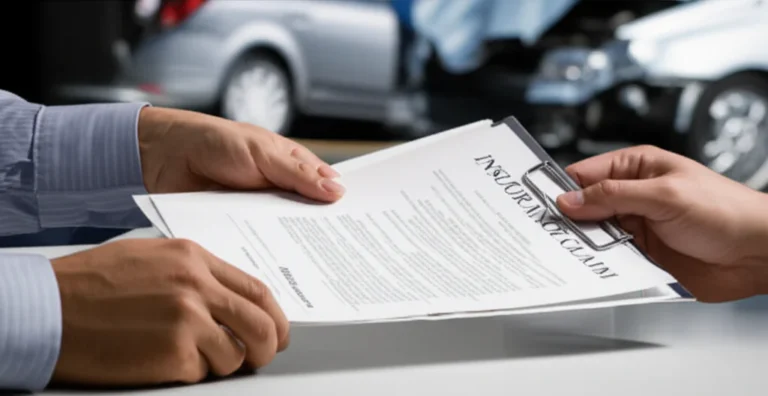
Insurance companies have their own Preferred Repair Networks and use software like CCC One or Mitchell to generate estimates.
- The Conflict: Their estimates often favor aftermarket parts and lower labor rates to minimize their payout.
- Your Rights: You have the right to choose your own shop. If the insurance estimate is too low, your chosen shop can submit a suplement to the insurance company to cover the difference.
Can I get a car repair estimate online before visiting a mechanic?
Yes, and you should!
- Tools: Use RepairPal, YourMechanic, or even the manufacturer’s website (for maintenance schedules).
- Benefit: This prevents “sticker shock” and gives you leverage when negotiating. It also helps you decide if a repair is worth the cost or if it’s time to sell the car.
What factors influence the cost of a car repair estimate?
- Vehicle Age & Condition: Older cars often have seized parts or rust, increasing labor time.
- Location: Labor rates in NYC are vastly different from those in rural Kansas.
- Parts Availability: Rare or imported parts cost more and take longer to source.
- 👉 Shop Type: Dealerships charge more for labor but have specialized tools; independents are often cheaper but may lack specific brand expertise.
How accurate are car repair estimates from different shops?
- Dealerships: Generally most accurate for complex, brand-specific issues because they have access to proprietary diagnostic tools and technical service bulletins (TSBs).
- Independent Shops: Highly accurate for general repairs (brakes, suspension, engines) and often provide better value.
- Chain Shops: Can be hit-or-miss. They rely heavily on software, which is great for standard jobs but may struggle with unique issues.
- The Golden Rule: The more specialized the shop is to your car’s make, the more accurate the estimate will be.
Deep Dive: Why do estimates vary so much between shops?
You might notice a $20 difference between two quotes for the same job. This usually comes down to:
- Labor Time: One mechanic might estimate 2 hours, another 3. This is often due to experience level or the specific tools they have.
- Parts Source: One shop might quote an OEM part ($150), while another quotes an aftermarket part ($80).
- Overhead: A fancy dealership with a showroom has higher overhead than a garage in a strip mall, reflected in the labor rate.
Reference Links
- RepairPal: Fair Price Estimator & Certified Shops
- YourMechanic: Instant Auto Repair Estimates – Free Online Estimator
- NAPA Auto Parts: Auto Care & Repair Resources
- Toyota Motor Corporation: Official Service & Maintenance
- BMW Group: Official Service & Support
- U.S. Department of Transportation: Consumer Auto Repair Tips
- Consumer Reports: Auto Repair & Maintenance Guides
- AAA: Auto Repair & Roadside Assistance