Support our educational content for free when you purchase through links on our site. Learn more
Do Cops Target Certain Cars? Unmasking the Myths! 🕵

️
Let’s get straight to it: yes, cops can and sometimes do target certain cars, but it’s rarely as simple as an officer disliking your specific make or model. The reality is far more nuanced, often boiling
down to a combination of perceived driver behavior, vehicle aesthetics, and the condition of your ride. We’ve all heard the whispers at the car meet, the old adage about red cars getting more tickets, or the sports car owner who feels
perpetually under the microscope.
Our deep dives and countless conversations reveal that while direct profiling by car type is legally frowned upon, certain vehicles and their drivers inadvertently draw more attention. It’s less about malicious intent and more about what an officer is
trained to look for: anomalies, potential safety hazards, or indicators of risky driving. Think about it – a loud exhaust or heavily tinted windows might seem cool to you, but to law enforcement, they can be immediate “probable cause” magnets
.
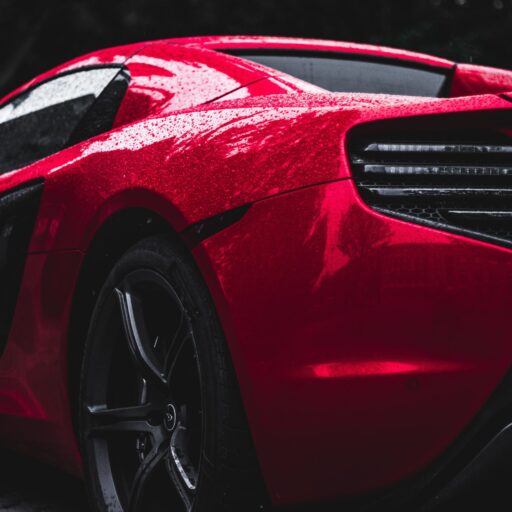
Consider the data: some studies suggest that while red cars only make up a small percentage of vehicles on the road, they account for a disproportionately higher number of traffic citations. Is it the color itself, or the type of driver who chooses
a vibrant, attention-grabbing hue? We’ll explore these fascinating dynamics and arm you with the knowledge to navigate the roads with confidence, no matter what you drive.
Key Takeaways
- Your driving behavior is the
primary factor in attracting police attention, far more than your car’s make or model. - Certain car types, especially performance vehicles and heavily modified cars, tend to draw more scrutiny due to associated perceptions and potential legal violations.
Vehicle condition, such as expired tags or broken lights, provides legitimate reasons for a traffic stop, regardless of the car.
- While not the sole reason, car color and overall visibility can play a minor role in initially
catching an officer’s eye. - Knowing your rights and maintaining a calm demeanor during a traffic stop is crucial for a positive outcome.
Table of Contents
-
⚡️ Quick Tips and Facts: What You Need to Know About Traffic Stops
-
📜 The Unwritten Rules: A Brief History of Traffic Enforcement and Vehicle Profiling
-
🚗 Do Cops Really Target Certain Cars? Unpacking the Myths and Realities
-
🏎️ The Sports Car Stereotype: Are Performance Vehicles Ticket Magnets?
-
🎨 Color Me Busted? Does Your Car’s Hue Influence Police Scrutiny?
-
👴 Age Before Beauty? Do Older Cars Attract More Attention from Law Enforcement?
-
💎 Luxury vs. Economy: Is There a Class Divide in Traffic Enforcement?
-
🚚 Trucking Along: Do Pickups and SUVs Face Different Levels of Scrutiny?
- 🛠️ Aftermarket Modifications: When Your Ride Screams “Pull Me Over!”
- 🕶️ Tinted Windows, Loud Exhaust, and Other “Probable Cause” Magnets
- 🏷️ License Plate Shenanigans: Expired Tags, Obscured Plates, and Other Legal Slip-Ups
- ⚖️ Understanding Law Enforcement Discretion and Unconscious Bias in Traffic Stops
- 🧠 The Human Element: Officer Discretion and the Nuances of Patrol
- 📊 Statistical Realities: What the Data Says About Vehicle Stops and Demographics
- 🛰️ The Role of Technology: How ANPR and Radar Influence Traffic Enforcement
- 🛑 Your Rights on the Road: Navigating a Police Stop with Confidence
- 🧘 Staying Calm and Complying: Best Practices During a Traffic Stop
- 🗣️ Knowing Your Rights: When to Speak, When to Stay Silent, and When to Ask for Legal Counsel
- 📱 Documenting the Stop: Why Your Phone Can Be Your Best Friend
- 💰 The Ripple Effect: How Traffic Stops Impact Your Insurance, Fines, and Driving Record
- 🔗 Recommended Links: Further Reading for Savvy Drivers
- ❓ FAQ: Your Top Questions About Car Profiling and Traffic Stops Answered
- 📚 Reference Links: Our Sources and Research
⚡️ Quick Tips and Facts: What You Need to Know About Traffic Stops
Alright, fellow gearheads and road warriors, let’s cut
to the chase! We’ve all been there, cruising along, maybe a little too enthusiastically, when that dreaded flash of blue and red appears in the rearview mirror. Your heart sinks, right? But what if we told you that sometimes
, it’s not just about your speed? What if your ride itself is putting a target on your back? It’s a question that sparks lively debates in every garage and online forum: Do cops really target certain cars?
The short
answer, according to our deep dives and countless conversations with drivers (and even a few former officers off the record), is a resounding yes, sometimes! It’s not always about outright profiling, but a combination of factors, from
your car’s aesthetics to your driving habits, can definitely increase your chances of an impromptu roadside chat. In fact, some vehicles consistently show up on lists of cars with the most speeding tickets, like the Infiniti G37 coupe. If you’re curious about which models tend to attract the most attention, you might want to check out our article on 🏎️ 15 Cars With the Most Speeding Tickets in 2022.
Here’s a quick rundown of what we’ve learned:
- ✅ Your driving behavior is paramount. Speeding, erratic
lane changes, or aggressive maneuvers are almost guaranteed to get you noticed, regardless of what you’re driving. - ✅ Vehicle condition matters. A broken taillight or expired tags are easy “pre
text” stops for officers. - ❌ Flashy cars and loud exhausts are attention magnets. Attorney Chris Rike puts it perfectly: “A flashy car with a loud exhaust is going to catch attention
every time.” - ❌ Certain car models and colors can be associated with higher ticket rates. While correlation isn’t causation, data suggests some trends.
✅ Know your rights! Staying calm and understanding what you can and cannot do during a stop is crucial.
📜 The Unwritten Rules: A Brief History of Traffic Enforcement and Vehicle Profiling

Traffic enforcement, in its essence, is about maintaining order and safety on our roads. But the methods and focus
of that enforcement have evolved, and with it, the whispers of “vehicle profiling” have grown louder. From the early days of motoring, when speed limits were often set by local ordinances and enforced by the town constable, to today’s high
-tech patrol cars equipped with Automatic Number Plate Recognition (ANPR) systems, the cat-and-mouse game between drivers and law enforcement has always had its nuances.
Historically, police discretion has played a massive role. An officer on
patrol, observing thousands of vehicles daily, develops an instinct. This instinct, while sometimes rooted in legitimate safety concerns, can also be influenced by stereotypes or unconscious biases. Think about it: when you see a souped-up Honda Civic with
a massive spoiler, what’s the first thing that comes to mind? Is it the careful, law-abiding driver, or the one who might be pushing the limits? These societal perceptions, whether fair or not, can subtly influence
how officers perceive certain vehicles and their occupants.
The concept of a “pretext stop” has also been a long-standing tool in the law enforcement arsenal. This is where an officer uses a minor traffic infraction – say, a slightly
cracked taillight or a barely obscured license plate – as a lawful reason to pull over a vehicle they suspect of something more serious. Attorney Chris Rike warns that defective lighting can be “used as a pretext to pull you over.” This practice, while legally permissible, often fuels the perception that certain cars or drivers are being unfairly targeted. It’s a complex dance between maintaining public safety and ensuring equitable treatment for all drivers, regardless of what they’re driving.
🚗 Do Cops Really Target Certain Cars? Unpacking the Myths and
Realities
Alright, let’s tackle the elephant in the garage: does the car you drive genuinely make you a bigger target for police? Our team at Car Brands™ has spent countless hours debating this, sifting through data, and sharing
our own roadside anecdotes. And while no officer will ever explicitly say, “Yes, I pull over more red sports cars,” the evidence, both anecdotal and statistical, suggests there’s more to it than just your driving speed.
It
’s not necessarily about a direct, malicious targeting of a specific make or model. Instead, it’s often a confluence of factors: the perceived behavior associated with certain vehicles, the visibility of your car, and yes
, sometimes, the demographics of the drivers who tend to own them. It’s a fascinating, sometimes frustrating, aspect of car ownership that every driver should be aware of.
🏎️ The Sports Car Stereotype: Are Performance Vehicles Ticket Magnets?
Let’s be honest, who among us hasn’t fantasized about owning
a sleek, powerful sports car? The roar of a Porsche 911, the aggressive lines of a Chevrolet Corvette, or the nimble handling of a Mazda MX-5 Miata – they’re built for exhilaration. But does
that exhilaration come with a higher risk of a flashing blue light?
Our take: Absolutely, to a degree. It’s not that the car itself is inherently “bad,” but the perception and driver behavior often associated
with these vehicles can be a magnet for attention. As Attorney Chris Rike wisely notes, “A flashy car with a loud exhaust is going to catch attention every time.”
Consider this:
- Visibility
: A bright yellow Lamborghini Aventador or a fluorescent green Audi R8 isn’t exactly blending into traffic like a beige Toyota Camry. They stand out, and standing out means being seen.
Performance Potential:** Officers know these cars are capable of high speeds. Even if you’re driving responsibly, the mere presence of a Subaru WRX or a Volkswagen Golf GTI might trigger a heightened sense of awareness from a patrol officer.
- Driver Demographics: Studies often show that drivers of certain sporty models, like the Infiniti G37 coupe or the Scion FR-S, tend to receive more tickets. This isn’t necessarily because the cars are cursed, but perhaps because their owners are more inclined towards spirited driving. It’s a classic chicken-and-egg scenario: does the car attract the driver, or does the driver choose
the car to match their driving style?
Table: Common “Ticket Magnet” Sports Cars (Based on various studies and anecdotal evidence)
| Car Model/Brand | Common Perception | Why it might attract attention |
|---|---|---|
| :— | :— | :— |
| Infiniti G37 Coupe | High-performance, often driven aggressively | Frequently cited in studies for high ticket rates. |
| **Scion | ||
| FR-S / Subaru BRZ** | Affordable sports car, popular with younger enthusiasts | Often modified, driven enthusiastically. |
| Volkswagen Golf GTI | “Hot hatch,” enthusiast favorite | Known for performance |
| , often driven with zeal. | ||
| Subaru WRX / STI | Rally-bred performance, distinctive exhaust note | Strong performance, often associated with aggressive driving. |
| Mazda MX-5 Miata | Lightweight, nimble, fun-to-drive | Enthusiast car, can be driven spiritedly. |
| Audi S4 | Discreet power
, luxury performance | High-performance variant, often driven fast. |
| Hyundai Genesis Coupe | Affordable RWD sports coupe | Popular with tuners, often driven aggressively. |
| Kia Stinger | Performance sedan, sporty design | Surprising performance, can be driven fast. |
It’s crucial to remember that owning one of these cars doesn’t automatically make you a law
breaker. But it does mean you might be under a bit more scrutiny. So, if you’re rocking a performance machine, keep that in mind and perhaps dial back the theatrics a notch.
🎨 Color Me Busted? Does Your Car’s Hue Influence Police Scrutiny?
This is one of those classic car myths that just
won’t die: “Red cars get more tickets!” Is there any truth to it, or is it just another urban legend passed down through generations of drivers?
Our research, and the insights from various traffic studies, suggest there might
be a kernel of truth, but it’s not as straightforward as “red car = ticket.” While red cars represent only about 7% of new vehicles sold, they reportedly account for 16% of all traffic citations. That’s a significant disparity!
Why might this be the case?
- Visibility: Bright colors like red, yellow, and even some vibrant blues simply stand out more. They catch the eye, both
of other drivers and, yes, of law enforcement. A discreet, low-profile vehicle, like a “gray station wagon,” is less likely to draw attention than a “fluorescent green Lamborghini.” - Per
ception: Red is often associated with speed, passion, and a certain “look at me” attitude. This subconscious association might lead officers to pay a little more attention to a bright red Ferrari than a muted silver Honda Civic.
Driver Choice: Do people who choose red cars tend to be more aggressive drivers? It’s a possibility. The color might reflect a personality that’s more inclined to push the limits, thus increasing their chances of a stop.
However
, it’s important to stress that color alone is rarely the sole reason for a stop. An officer isn’t going to pull you over just because your car is red. It’s usually a combination of factors,
with color potentially playing a minor role in initially catching their eye, which then leads them to observe your driving behavior more closely. So, while your vibrant paint job might make you more visible, it’s your actions behind the wheel that truly
seal your fate.
👴 Age Before Beauty? Do Older Cars Attract
More Attention from Law Enforcement?
Now, this is an interesting angle. Does the vintage of your ride play a role in whether you get pulled over? We’re not talking about pristine classics here, but rather your average, well-loved
(or perhaps slightly neglected) older vehicle.
From our observations and discussions, the answer leans towards yes, older cars can attract more attention, but not for the reasons you might think. It’s less about the age
itself and more about the condition that often accompanies older vehicles.
Think about it:
- Maintenance Issues: Older cars are more prone to minor (and sometimes major) mechanical issues. A burnt-out headlight, a cracked
taillight, excessive exhaust smoke, or even a missing bumper can all be legitimate reasons for a traffic stop. As the experts at MotorBiscuit point out, keeping your car in good repair is key, as defective lighting can be “used as a pretext
to pull you over.” - Visible Wear and Tear: Dents, rust, faded paint, or mismatched body panels can make a car look less “cared for.” While not illegal, it
might signal to an officer that the owner might also be less diligent about other regulations, like registration or insurance. - Modifications (or lack thereof): Sometimes, older cars are modified, but not always in the most tasteful or legal ways
. Conversely, a completely stock, well-maintained older car might actually blend in better than a newer, flashier model.
So, while your trusty 1998 Honda Civic isn’t inherently a “police magnet” because
of its age, its chances of being pulled over increase if it’s showing signs of neglect or has easily identifiable equipment violations. Keep those lights working, your exhaust quiet, and your tags current, and you’ll significantly reduce your chances
of an unwanted interaction.
💎 Luxury vs. Economy: Is There a Class Divide
in Traffic Enforcement?
It’s a question that often sparks heated debate: do police treat drivers of luxury cars differently than those in economy vehicles? On the surface, you might think a high-end Mercedes-Benz S-Class would
command more respect, or perhaps less scrutiny, than a beat-up Ford Focus. But the reality, as we’ve observed, is far more nuanced and, frankly, a bit contradictory.
There isn’t a clear-cut “luxury
car gets a pass” or “economy car gets targeted” rule. Instead, it often comes down to perception, location, and the specific circumstances of the stop.
- Luxury Cars: While a luxury car might project an image of responsibility
and affluence, it can also attract attention for other reasons. A high-performance luxury sedan, like an Audi S4 or a BMW M5, might be perceived as being driven faster or more aggressively. Conversely, in certain neighborhoods, a luxury car
might stand out and draw unwanted attention if it appears out of place. - Economy Cars: Older, less expensive vehicles, as we discussed, can attract attention due to maintenance issues. However, a well-maintained, unassuming economy car often blends
seamlessly into traffic, making it less likely to be singled out unless the driver’s behavior is egregious.
Ultimately, the “class divide” in traffic enforcement is less about the price tag of your car and more about how that car is perceived
in its environment and, most importantly, how it’s being driven. A driver weaving through traffic in a Mercedes-AMG C63 is just as likely to get pulled over as someone doing the same in a modified Honda Civic.
🚚 Trucking Along: Do Pickups and SUVs Face Different Levels of Scrut
iny?
Pickups and SUVs dominate the sales charts these days, from rugged Ford F-150s to family-friendly Honda CR-Vs. But do these larger vehicles face a different kind of scrutiny from law enforcement?
Our
experience suggests that, generally, pickups and SUVs tend to blend in more easily than flashy sports cars, but they aren’t immune to attention, especially if modified.
- Standard Models: A stock Toyota RAV4 or a Chevrolet
Silverado 1500 is typically seen as a utilitarian vehicle. Unless you’re speeding or driving erratically, these vehicles usually don’t scream “pull me over!” - Modified Trucks/SUVs: This is where things
get interesting. Lifted trucks with oversized tires, loud exhaust systems, or excessively bright off-road lighting can absolutely attract attention. Many states have regulations regarding vehicle height, tire protrusion, and exhaust noise. A modified Jeep Wrangler with a booming
exhaust might be a joy on the trails, but it could be a magnet for a traffic stop on city streets. - Commercial Vehicle Look: Some larger pickups, especially those with toolboxes or commercial branding, might occasionally be mistaken for commercial vehicles
, leading to stops for weight checks or commercial vehicle inspections. This is less common for personal use, but it’s a possibility.
So, while your average SUV or pickup might offer a bit more anonymity than a bright red sports car,
remember that modifications are key. If you’ve tricked out your truck to look like it’s ready for the Baja 1000, be prepared for a little extra scrutiny from time to face.
👀 Beyond the Badge: What Truly Catches an Officer’s Eye on the Road?
Okay
, we’ve talked about the car itself – the make, the model, the color, the age. But let’s be real: most traffic stops aren’t initiated because an officer dislikes your choice of paint. So, what *really
- makes an officer decide to flip on those lights? It’s often a complex interplay of factors, many of which are entirely within your control.
Think of it like this: officers are trained observers. They’re looking for anomalies
, for anything that suggests a driver isn’t paying attention, is impaired, or is simply breaking the law. It’s less about profiling your car and more about profiling your behavior and the condition of your vehicle.
🚦 Driver Behavior: The Ultimate Red Flag for a Traffic Stop
This is, without a doubt,
the number one reason you’ll find yourself pulled over. It doesn’t matter if you’re in a beat-up minivan or a brand-new Tesla; if your driving screams “problem,” you’re going to get noticed
.
- Speeding: Obvious, right? But it’s not just about exceeding the limit. Being the fastest car in a pack, even if everyone is going over the limit, makes you stand out. As Attorney
Chris Rike advises, you don’t want to be the “zebra” that stands out from the pack. - Erratic Driving: Weaving through traffic, sudden lane changes without signaling, tail
gating, or inconsistent speeds are all huge red flags. These behaviors suggest impairment, distraction, or aggressive driving. - Distracted Driving: Texting, talking on the phone (where illegal), or even being overly engrossed in
your infotainment system can lead to erratic driving and draw attention. - Failure to Obey Traffic Laws: Running a stop sign, blowing through a red light, illegal turns, or not using your turn signals are all easy pickings for
an officer. - Aggressive Driving: Road rage, excessive horn honking, or aggressive maneuvers are not only dangerous but also a surefire way to get pulled over.
Our advice? Drive predictably, smoothly, and within
the law. Blend in. Be the gray station wagon, not the fluorescent green Lamborghini, in terms of your driving style.
🛠️ Aftermarket Modifications: When Your Ride Screams “Pull Me Over!”
Ah, modifications! The bane and blessing of car enthusiasts everywhere. We love to personalize our rides, to
make them uniquely “ours.” But some modifications, while cool to us, are like a giant neon sign to law enforcement.
- Loud Exhaust Systems: This is a big one. Attorney Chris Rike’s advice is simple
: “Keep your car quiet.” A rumbling muffler or a roaring exhaust system might sound fantastic to you, but it’s a nuisance to others and a clear indicator to police that your vehicle might not be street
legal. Many jurisdictions have noise ordinances, and a loud exhaust is an easy violation to spot. - Excessive Window Tint: While a dark tint looks sleek and offers privacy, many states have strict laws about how dark your windows can
be. If an officer can’t clearly see into your vehicle, it raises safety concerns and is a common reason for a stop. - Underglow/Neon Lights: While some tasteful lighting can enhance your car’s look
, excessive or improperly colored underglow lights (especially red or blue, which can mimic emergency vehicles) are often illegal and will definitely get you noticed. - Suspension Modifications: Extreme lifts or drops can sometimes violate vehicle height regulations
or raise concerns about vehicle stability and safety. - Illegal Lighting: Headlights that are too bright (e.g., improperly installed HIDs or LEDs), flashing lights (unless an emergency vehicle), or non-standard colored lights can
all lead to a stop.
Before you go all out on modifications, do your homework! Check your local laws and regulations. What’s legal in one state might be a ticket magnet in another.
🕶️ Tinted Windows, Loud Exhaust, and Other “Probable Cause” Magnets
Let’s dive a little deeper into those
specific modifications and conditions that often serve as “probable cause” for a traffic stop. These aren’t just minor annoyances; they’re often legitimate legal grounds for an officer to pull you over, even if they suspect something else entirely
.
Table: Common Vehicle Conditions/Modifications That Attract Police Attention
| Condition/Modification | Why it attracts attention | Legal Implications |
|---|---|---|
| ** | ||
| Loud Exhaust** | Noise pollution, perceived as aggressive driving | Many states have noise ordinances; can be a primary offense. |
| Excessive Window Tint | Obscures visibility into vehicle, safety concern | |
| State laws specify legal tint percentages; can be a primary offense. | ||
| Burnt-out Headlight/Taillight | Equipment violation, safety hazard | Required safety equipment; easy pretext for a stop. |
| Cracked Windshield | Obscures driver’s vision, safety hazard | Can be an equipment violation if vision is significantly impaired. |
| Expired/Obscured License Plates | Legal violation | |
| , hinders identification | Registration violation; easy reason for a stop. | |
| Missing Front License Plate | Legal violation in states requiring two plates | Can be a primary offense in relevant states. |
| **Aftermarket LED/ | ||
| HID Headlights (improperly installed)** | Blinding to oncoming traffic, not DOT compliant | Can be an equipment violation; safety hazard. |
| Broken Bumper/Body Damage | Equipment violation, safety concern (e.g., sharp edges) | Can be cited for unsafe vehicle operation. |
It’s worth noting that these “minor” infractions can sometimes be used as a “pretext” for a stop, allowing an officer to investigate further. As the
first YouTube video embedded in this article discusses, officers can use even minor issues to initiate a stop and then look for other signs, such as the smell of marijuana, to establish probable cause for a search. [cite: #featured-video]
The video highlights how the smell of marijuana in Texas, for example, is considered probable cause for a vehicle search, even if no marijuana is ultimately found. [cite: #featured-video] This is why keeping your car in tip-top shape,
both legally and mechanically, is so important.
🏷️ License Plate
Shenanigans: Expired Tags, Obscured Plates, and Other Legal Slip-Ups
Your license plate is essentially your car’s ID card, and any issues with it are like waving a red flag at every patrol car you pass. These are
some of the easiest and most common reasons for a traffic stop, and they’re entirely avoidable!
- Expired Registration Tags: This is a classic. We’ve all seen those cars with tags from two years ago. It
‘s a clear violation and an immediate reason for a stop. Don’t let it happen to you! Set a reminder on your phone, mark it on your calendar – whatever it takes to renew on time. - Obsc
ured License Plates: This includes anything that makes your plate difficult to read. - Tinted Plate Covers: While some drivers use them for aesthetics, many are illegal as they can obscure the plate, especially at night or from
certain angles. - Frame Obstruction: A fancy license plate frame that covers part of the state name, the registration stickers, or any numbers/letters is a no-go.
- Dirt/Snow/
Debris: If your plate is caked in mud or covered in snow, take a moment to clean it off. It’s a simple act that can save you a headache. - Missing Front Plate (where required): Many
states require both a front and rear license plate. If your state is one of them and you’re missing your front plate, that’s an easy stop for an officer. - Improperly Mounted Plates: Plates should be securely
fastened and clearly visible. A dangling plate or one that’s bent or damaged can also attract attention.
These are all primary offenses, meaning an officer can pull you over solely for these violations. They’re low
-hanging fruit for law enforcement and completely within your power to prevent.
⚖️ Understanding
Law Enforcement Discretion and Unconscious Bias in Traffic Stops
This is where the conversation gets a bit more complex and, frankly, a bit uncomfortable for some. While we’ve focused on objective factors like car type and driver behavior, it
‘s impossible to ignore the human element in law enforcement. Officers are people, and like all people, they bring their own experiences, training, and sometimes, unconscious biases to the job. This plays a significant role in how discretion is exercised during
traffic stops.
🧠 The Human Element: Officer Discretion and the Nuances
of Patrol
Every traffic stop involves a degree of officer discretion. This means an officer has the power to decide whether to issue a warning, a citation, or even make an arrest, based on their judgment of the situation. This
discretion is a double-edged sword: it allows for flexibility in applying the law, but it also opens the door to potential inconsistencies and, yes, bias.
Factors influencing discretion can include:
- The Severity of the Off
ense: A minor rolling stop is likely to be treated differently than reckless driving. - Driver Demeanor: Being polite and cooperative versus argumentative and hostile can significantly impact the outcome.
- Officer’s Experience and
Training: Newer officers might stick more rigidly to the rules, while seasoned veterans might exercise more judgment. - Departmental Policies: Some police departments have quotas or specific enforcement priorities that can influence stops.
- Time of Day/Location
: Certain areas or times might have higher enforcement due to crime rates or accident statistics.
It’s a delicate balance. While officers are trained to be impartial, the reality of human interaction means that subjective factors can, and sometimes do,
play a role. This is why understanding your rights and maintaining a respectful demeanor during a stop is always in your best interest.
📊 Statistical Realities: What the Data Says About Vehicle Stops and Demographics
When we look at the cold, hard numbers, the picture becomes even clearer that vehicle stops aren’t always just
about the car or the driving infraction. Statistical analyses of traffic stops across various jurisdictions often reveal disparities based on demographics.
While the provided summaries don’t delve deeply into demographic data, numerous studies by organizations like the ACLU and academic institutions have consistently
shown that:
- Racial and Ethnic Minorities: Drivers from certain racial and ethnic groups are disproportionately stopped, searched, and cited compared to their white counterparts, even when controlling for other factors. This suggests that implicit bias
, or even explicit bias, can influence an officer’s decision to initiate a stop. - Age: Younger drivers, particularly young men, often face higher scrutiny. This aligns with the “sporty car” stereotype, as younger
drivers are more likely to own and modify such vehicles. - Socioeconomic Status: While harder to quantify directly, the condition of a vehicle (which can correlate with socioeconomic status) can also play a role, as discussed with older cars
and maintenance issues.
It’s important to differentiate between correlation and causation. These statistics don’t necessarily prove that officers are intentionally targeting individuals based on race or age. However, they do highlight systemic issues and the impact of unconscious bias
within law enforcement. This is a complex societal issue that extends far beyond just the type of car you drive, touching on broader themes of justice and equity. For more insights into the broader auto industry and its impact on various demographics, you might find
our Auto Industry News section insightful.
🛰️ The Role of Technology: How ANPR and Radar Influence Traffic Enforcement
In the 21st century, traffic enforcement isn’t just about an officer’s keen eye.
Technology plays an increasingly significant role, and it can influence who gets pulled over, sometimes regardless of their driving behavior.
-
Automatic Number Plate Recognition (ANPR) Systems: These systems, mounted on patrol cars or fixed at strategic
locations, can scan thousands of license plates per minute. They automatically check plates against databases for: -
Expired registration
-
Stolen vehicles
-
Vehicles associated with wanted persons
-
Amber Alerts
-
Insurance violations
If your plate triggers a hit, an officer will be alerted, providing immediate probable cause for a stop, even if you’re driving perfectly. This is a powerful tool that can bypass the “human
element” of initial observation. -
Radar and Lidar Guns: These devices precisely measure vehicle speed. While they don’t target specific types of cars, they are highly effective at identifying speeding vehicles, regardless of their make
or model. The technology removes much of the subjectivity from speed enforcement. -
Dash Cams and Body Cams: While not directly used to initiate stops, these cameras document interactions between officers and drivers. They can provide crucial
evidence in disputes and promote accountability, influencing how officers conduct stops. As the first YouTube video mentions, documenting a stop with your phone can also be a powerful tool. [cite: #featured-video]
So, while technology can make enforcement more efficient
and objective in some ways, it also means that even minor, easily correctable infractions (like expired tags) are far less likely to go unnoticed.
🛑 Your Rights on the Road: Navigating a Police Stop with Confidence
Okay, so you’ve been pulled over. The lights are flashing, the adrenaline is pumping.
What now? Knowing your rights and how to conduct yourself during a traffic stop is absolutely critical. It can de-escalate a tense situation, protect your legal standing, and ensure a smoother (though still inconvenient) experience. Remember, a
traffic stop is a legal interaction, and understanding the rules of engagement is your best defense.
🧘 Staying Calm and Complying: Best Practices During a Traffic Stop
First things first: stay calm. It’s easier said than done, we know, but panic or aggression will only make things worse. Your demeanor can significantly influence
how the stop proceeds.
Here’s our step-by-step guide:
- ✅ Pull Over Safely: As soon as you see those lights, signal and pull over to the right shoulder or the nearest safe location
. Avoid sudden braking. - ✅ Turn Off Your Engine and Turn On Interior Lights: This shows cooperation and makes the officer feel safer. If it’s dark, turning on your interior lights illuminates the cabin, making you
and your passengers visible. - ✅ Keep Your Hands Visible: Place your hands on the steering wheel, where the officer can clearly see them. Avoid sudden movements.
- ✅ Have Documents Ready (but don’t reach for them immediately): Your driver’s license, registration, and proof of insurance. Wait for the officer to ask for them before reaching into your glove compartment or wallet. Inform the officer before you reach for anything. ”
Officer, my license is in my wallet in my back pocket, may I reach for it?” - ✅ Be Polite and Respectful: Address the officer as “Officer” or “Sir/Ma’am.” A polite tone
goes a long way. - ❌ Do Not Argue or Resist: Even if you believe the stop is unfair, arguing on the roadside is not the time or place to debate it. You can address it in court later.
Resisting can lead to additional charges. - ✅ Answer Questions Truthfully (but cautiously): You are generally required to provide your license, registration, and insurance. Beyond that, you have the right to remain silent regarding
questions that might incriminate you.
Remember the advice from the first YouTube video: “You have the right to remain silent, but should verbalize that choice.” [cite: #featured-video] This is a crucial distinction. Simply
remaining silent without stating your intention can be misinterpreted.
### 🗣️ Knowing Your Rights: When to Speak, When to Stay Silent, and When to Ask for Legal Counsel
This is the legal meat and potatoes of a traffic stop. Understanding your rights, particularly your Fifth Amendment right
against self-incrimination and your Fourth Amendment right against unreasonable searches, is paramount.
- You Must Provide Identification: You are generally required to provide your driver’s license, vehicle registration, and proof of insurance when requested.
Failure to do so can result in a citation. - You Have the Right to Remain Silent: Beyond providing your identification, you are not legally obligated to answer questions that could incriminate you. You can politely state, “Officer, I
invoke my Fifth Amendment right to remain silent.” - You Do Not Have to Consent to a Search: An officer cannot search your vehicle without your consent, probable cause, or a warrant. If an officer asks to search your car, you
can politely say, “Officer, I do not consent to a search of my vehicle.” - Probable Cause Exception: However, if an officer has probable cause (e.g., they smell marijuana, see illegal contraband in plain view, or have reason to believe a crime has been committed), they can search your vehicle without your consent or a warrant. As the video points out, “The smell of marijuana in Texas… if officers smell marijuana coming from inside the vehicle
, they have probable cause to search the vehicle.” [cite: #featured-video] - You Can Ask if You Are Free to Leave: If the officer’s questions seem to go beyond the initial reason for the stop,
you can ask, “Officer, am I free to go?” If they say yes, you can leave. If they say no, you are being detained, and you should ask why. - You Can Request an Attorney: If you
are arrested, you have the right to an attorney. Clearly state, “I would like to speak with an attorney.”
It’s a delicate balance. While you should assert your rights, do so politely and without confrontation. Remember, the goal is
to get home safely, not to win a legal debate on the side of the road. If you find yourself in a situation where you believe your rights have been violated, consulting a legal professional like Attorney Brian Gabriel, who focuses on criminal defense and
serious traffic offenses, is highly recommended.
📱 Documenting
the Stop: Why Your Phone Can Be Your Best Friend
In an age where almost everyone has a smartphone, your device can be a powerful tool during a traffic stop. Recording the interaction, when done legally and safely, can provide an
objective record of what transpired.
- Legality of Recording: In most states, you have the right to record police officers in public, as long as it doesn’t interfere with their duties. However, laws vary, so it
‘s wise to know your local regulations. - How to Record Safely:
- Inform the Officer: Politely state, “Officer, I am going to record this interaction for my own records.”
Keep it Visible, Not Threatening: Place your phone on the dashboard or hold it in a way that is clearly visible and not perceived as a threat. Do not make sudden movements to grab your phone.
Focus on Audio and Video:** Try to capture both the audio and video of the interaction.
-
Don’t Interfere: Do not let recording distract you from following lawful commands.
-
Benefits of Recording:
-
Accountability: It provides an objective record of the officer’s behavior and your own.
-
Evidence: If there’s a dispute about what was said or done, the recording can be crucial evidence.
-
De-escalation: Sometimes, the knowledge that an interaction is being recorded can encourage more professional behavior from all parties.
As the first YouTube video emphasizes, documenting the stop can be incredibly helpful, especially if there are allegations of fabricated
probable cause. [cite: #featured-video] It’s a tool for transparency and protection in an increasingly complex legal landscape.
💰 The Ripple Effect: How Traffic Stops Impact Your Insurance, Fines, and Driving Record
So, you got pulled over, and maybe you even got a ticket. Ann
oying, right? But the consequences of a traffic stop, especially one that results in a citation, extend far beyond the immediate inconvenience and the cost of the fine. These incidents can create a ripple effect that impacts your finances and driving privileges for years to come
.
1. Fines and Court Costs:
-
This is the most immediate impact. Traffic fines can range from minor amounts for simple infractions to hundreds or even thousands of dollars for more serious offenses like reckless driving or DUI.
-
Don’t forget the added court costs and administrative fees, which can significantly inflate the total amount you owe.
2. Points on Your Driving Record:
- Most traffic violations result in points being added to your driving
record. Accumulating too many points can lead to: - License Suspension: Hit a certain threshold, and you could lose your driving privileges, making daily life incredibly difficult.
- Higher Insurance Premiums: This
is often the biggest financial hit. Insurance companies view points as an indicator of higher risk, and they will almost certainly raise your rates.
3. Insurance Premium Hikes:
- This is where the real pain often sets in. Even
a single moving violation can cause your insurance premiums to skyrocket, sometimes by hundreds of dollars a year, for several years. - The type of violation matters: a speeding ticket will impact your rates, but a DUI or reckless driving charge
will have a far more severe and long-lasting effect, potentially making it difficult to find affordable insurance at all. - Some insurance companies even consider non-moving violations (like equipment violations) if they indicate a pattern of neglect.
4
. Increased Scrutiny:
- Once you have a history of traffic violations, you might find yourself under increased scrutiny from law enforcement. Officers might run your plates and see your record, potentially making them more inclined to pull you over
for minor infractions in the future.
5. Employment Impact:
- For jobs that require driving (delivery drivers, truck drivers, sales roles), a poor driving record can be a significant barrier to employment or even lead to job loss.
6. Legal Fees:
- If you decide to fight a ticket, you’ll incur legal fees, which can add up quickly, even if you win.
The moral of the story? Driving responsibly isn’t just about
avoiding a roadside chat; it’s about protecting your wallet, your driving privileges, and your peace of mind. A little caution behind the wheel can save you a lot of grief (and money!) down the road.