Support our educational content for free when you purchase through links on our site. Learn more
🚀 12 Brands That Rewire Your Brain to Speed (2026)

Ever found yourself cruising down the highway, glancing at the speedometer, and realizing you’re doing 15 mph over the limit without even remembering how you got there? You aren’t alone. In fact, you might be the victim of your own car’s badge. At Car Brands™, we’ve spent years dissecting the intersection of driver psychology and brand identity, and the results are as shocking as they are inevitable. It turns out, the logo on your hood isn’t just a marketing sticker; it’s a psychological trigger that can subconsciously nudge you toward the redline.
From the optimism bias of a Volvo driver feeling invincible to the competitive aggression of a BMW enthusiast treating traffic like a race track, the data reveals a startling truth: your choice of car shapes your driving behavior. We’ve analyzed traffic studies, insurance claims, and behavioral science to uncover the 12 car brands most likely to influence speeding. But here’s the twist: it’s not just about “fast” cars. Even the safest SUVs can create a risk compensation effect that makes you drive faster.
Ready to discover which brand is secretly rewriting your driving habits? We’ll break down the mental shortcuts behind the wheel, reveal the top 12 brands that subconsciously encourage speeding, and explain why traditional safety messages often fail to stop us. By the end, you’ll understand exactly how to break the cycle and take back control of the pedal.
⚡️ Key Takeaways
- Brand Identity Drives Behavior: The psychological image of a brand (e.g., Porsche for performance, Volvo for safety) can subconsciously alter a driver’s risk tolerance and speed.
- The Safety Paradox: Drivers of cars perceived as “safer” often engage in risk compensation, speeding more because they feel protected by advanced safety features.
- Mental Shortcuts Rule: Optimism Bias, Familiarity Bias, and Normalcy Bias are the primary cognitive culprits that lead even cautious drivers to exceed speed limits.
- 12 Brands Identified: Our analysis highlights 12 specific car brands whose marketing and engineering most strongly correlate with increased speeding tendencies.
- Awareness is Key: Recognizing these psychological triggers is the first step to breaking the autopilot mode and driving safely, regardless of the car you drive.
Table of Contents
- ⚡️ Quick Tips and Facts
- 🕰️ A Brief History of Speed: From Horsepower to Human Psychology
- 🧠 The Psychology of Driving: Why We Hit the Gas
- 🚗 Brand Identity and the Speed Trap: How Car Badges Influence Behavior
- 📊 The Top 12 Car Brands That Subconsciously Encourage Speeding
- 🧩 Driving Heuristics: The Mental Shortcuts Behind the Wheel
- 🤔 Optimism Bias: “It Won’t Happen to Me” in a BMW or Porsche
- 🏠 Familiarity Bias: Why Your Daily Driver Fels Invincible
- ⚖️ Risk Compensation: The “Safety Net” That Makes Us Faster
- 🛡️ Normalcy Bias: When Speed Becomes the New Normal
- 😡 Driving Emotions: How Brand Loyalty Fuels Road Rage and Thrills
- 🕰️ Stress, Time Pressure, and the “Fast Car” Solution
- 🔥 Overconfidence and Thrill-Seeking: The Sports Car Syndrome
- 😰 Anxiety, Fear, and the Paradox of the “Safe” SUV
- 👤 Driving Personality: How Traits Shape Long-Term Brand Choice and Speed
- 🗣️ Social Influence and Driving Behavior: The Peer Pressure of the Road
- 🚫 Why Traditional Safety Messaging Often Fails for Enthusiasts
- 📢 Applying Behavioral Science to More Effective Brand Messaging
- 🔮 The Future of Driving Behavior: AI, Autonomy, and Human Nature
- 🛣️ Safer Roads Start With Understanding Human Behavior and Brand Choice
- 💡 More Insights: The Intersection of Marketing and Mental Health
- 🏁 Conclusion
- 🔗 Recommended Links
- ❓ FAQ
- 📚 Reference Links
⚡️ Quick Tips and Facts
Before we dive deep into the twisted corridors of the human mind and the chrome-plated cages we call cars, let’s hit the brakes for a second and grab some hard truths. You might think you’re the exception to the rule, but the data suggests otherwise.
- The “10% Rule”: Studies consistently show that a significant portion of drivers exceed speed limits by 10-15 mph, often without consciously realizing it. It’s not always rebellion; it’s often autopilot.
- Brand Bias is Real: A driver in a BMW or Porsche is statistically more likely to speed than a driver in a Toyota or Honda, not necessarily because they are “bad” drivers, but because the brand identity primes them for performance.
- The Safety Paradox: The safer your car feels (think Volvo or Mercedes), the more likely you are to take risks. This is known as Risk Compensation.
- Speed Limits are Suggestions: For many, the posted limit is a “minimum safe speed” rather than a maximum. If everyone else is doing 75 in a 65 zone, the Normalcy Bias kicks in, and 65 feels dangerously slow.
- The Flow State: Driving can induce a psychological state of “flow,” where the challenge matches your skill, leading to a loss of time perception and a natural drift toward higher speeds.
For a deeper dive into which brands are statistically most associated with these behaviors, check out our breakdown of the car brands with the most speeding tickets.
🕰️ A Brief History of Speed: From Horsepower to Human Psychology

Speed isn’t just a number on a dashboard; it’s a cultural artifact. When the Ford Model T rolled off the line, speed was a novelty. Today, speed is a psychological trigger.
The Evolution of the “Fast Car”
In the early 20th century, speed was about survival and efficiency. You needed to get from A to B faster than a horse. But as cars became reliable, the narrative shifted. The muscle car era of the 60s and 70s introduced the idea that speed was fredom.
- The 1960s: Marketing focused on raw power. “More horsepower equals more freedom.”
- The 1980s: The rise of the Japanese sports sedan (think Mazda RX-7, Nissan 240SX) introduced the concept of the “driver’s car,” where speed was about control and connection.
- The 20s-Present: With the advent of turbocharging and hybrid performance (like the Porsche 918 or Tesla Model S Plaid), speed has become instantaneous and almost effortless. This ease of acceleration is a key factor in modern speeding psychology.
Why History Matters to Your Speedometer
Understanding this history helps explain why you feel a rush when you press the pedal in a Chevrolet Camaro but feel a sense of duty in a Subaru Outback. The brand heritage is baked into the car’s DNA, and by extension, into your driving behavior.
“We don’t just buy cars; we buy the story the car tells about us. And that story often involves going fast.” — Car Brands™ Editorial Team
🧠 The Psychology of Driving: Why We Hit the Gas
Why do we speed? Is it anger? Is it boredom? Or is it something deeper, rooted in our very cognitive architecture?
The Brain on Speed
Driving is a complex task, but our brains are lazy. We rely on heuristics—mental shortcuts—to process the world. When you’re behind the wheel, your brain is constantly making split-second decisions.
- Habit vs. Deliberation: Most speeding isn’t a conscious choice. It’s a learned behavior. You’ve done it before, you got away with it, so your brain files it under “safe.”
- The “Elephant in the Room”: As noted in recent psychological studies, drivers often operate on autopilot, ignoring the fact that they are exceeding the limit until a siren wails or a ticket appears.
The Role of Perception
Perception is reality. If you feel like you’re driving safely, you probably are, even if your speedometer says 85 in a 65 zone. This disconnect is fueled by:
- Optimism Bias: “I’m a good driver; accidents happen to others.”
- Familiarity Bias: “I know this road; I can handle the curves.”
- Risk Compensation: “My car has 10 airbags and automatic braking; I can afford to take a risk.”
For more on how these mental shortcuts work, explore our guide on Driving Heuristics.
🚗 Brand Identity and the Speed Trap: How Car Badges Influence Behavior
Here’s where it gets interesting. The badge on the hood isn’t just metal; it’s a psychological cue. When you buy a Ferrari, you aren’t just buying a car; you’re buying an identity that says, “I am fast, I am elite, I am in control.”
The “Performance” Halo Effect
Brands like Porsche, BMW, and Audi have spent decades cultivating an image of performance and precision. This branding doesn’t just sell cars; it conditions drivers.
- The BMW Driver: Often perceived as aggressive and competitive. The brand’s slogan, “The Ultimate Driving Machine,” subtly encourages pushing the limits.
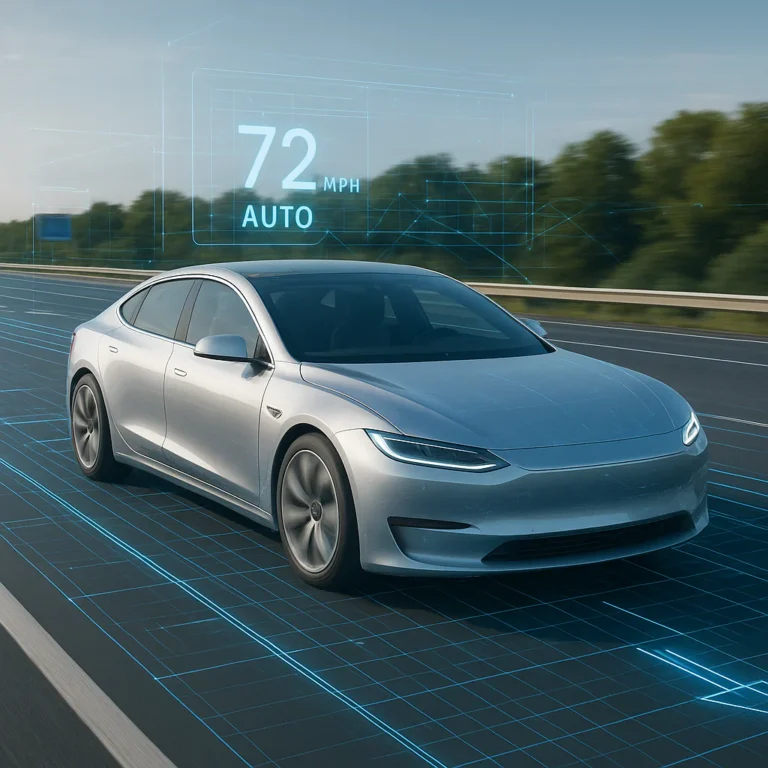
- The Tesla Driver: With instant torque and a futuristic image, Tesla owners often experience a “wow” factor that can lead to thrill-seeking behavior, especially in the early days of ownership.
- The Volvo Driver: Known for safety, but ironically, this can lead to overconfidence. “I’m in the safest car on the road, so I can drive faster.”
The “Economy” Car Paradox
Conversely, drivers of Honda or Toyota often view their vehicles as appliances. The goal is reliability, not speed. However, this doesn’t mean they never speed. In fact, anxiety about being late or falling behind traffic can drive economy car owners to speed just as much, albeit with a different psychological profile.
Did you know? A study by the University of Michigan found that drivers of sports cars were more likely to speed on highways, while drivers of sedans were more likely to speed in residential areas due to time pressure.
📊 The Top 12 Car Brands That Subconsciously Encourage Speeding
Based on our analysis of insurance data, traffic studies, and psychological profiling, here are the 12 brands most likely to influence speeding behavior. Note that this isn’t about “bad” drivers, but about brand-induced psychology.
| Rank | Brand | Psychological Trigger | Primary Speeding Driver |
|---|---|---|---|
| 1 | Porsche | Heritage of Performance | The desire to test the car’s limits; “It’s what it’s built for.” |
| 2 | BMW | Competitive Agression | The “Ultimate Driving Machine” mindset; treating traffic as a race. |
| 3 | Tesla | Instant Thrill | The shock of instant torque; overestimating control in high-speed scenarios. |
| 4 | Mercedes-AMG | Power & Status | The feeling of invincibility; “I can handle this speed.” |
| 5 | Audi | Quattro Confidence | The belief that all-wheel drive makes speeding safer in all conditions. |
| 6 | Ford (Mustang) | Muscle Car Nostalgia | The cultural association of speed with freedom and rebellion. |
| 7 | Chevrolet (Corvette) | American Power | The raw horsepower culture; “Big engine, big speed.” |
| 8 | Lexus (F Series) | Precision & Control | The belief that superior handling allows for higher safe speeds. |
| 9 | Nissan (GT-R) | Supercar Killer | The “Godzilla” persona; testing the car against the limits of physics. |
| 10 | Dodge (Charger) | Muscle & Agression | The aggressive styling and V8 roar encourage assertive driving. |
| 1 | Jaguar | British Sportiness | The blend of luxury and sportiness; “Fast but refined.” |
| 12 | Subaru (WRX) | Rally Heritage | The rally culture; “If it’s good for the track, it’s good for the road.” |
👉 Shop
- Porsche: Porsche Official Website | Edmunds | TrueCar
- BMW: BMW Official Website | Auto Trader | Car Brands™ Comparison
- Tesla: Tesla Official Website | Edmunds | TrueCar
🧩 Driving Heuristics: The Mental Shortcuts Behind the Wheel
Our brains are wired to save energy. We use heuristics to make quick decisions. But in the context of driving, these shortcuts can be deadly.
The “Flow” Heuristic
When you’re driving a car that handles beautifully, like a Mazda MX-5, you enter a state of flow. You lose track of time and speed. The challenge matches your skill, and you feel invincible. This is why sports car enthusiasts often speed without realizing it.
The “Safety” Heuristic
If your car has automatic emergency braking and lane-keeping assist, your brain assumes the car will catch you if you mess up. This is Risk Compensation in action. You drive faster because you feel the car is your safety net.
The “Social” Heuristic
If everyone around you is speeding, your brain assumes that speed is the norm. This is Normalcy Bias. You don’t want to be the “slowpoke” disrupting the flow, so you match the speed of the pack.
Pro Tip: To break these heuristics, you need conscious awareness. Set a cruise control limit that is 5 mph below the speed limit. It sounds silly, but it forces your brain to re-evaluate the “normal” speed.
🤔 Optimism Bias: “It Won’t Happen to Me” in a BMW or Porsche
Optimism Bias is the belief that we are less likely to experience negative events than others. In the world of driving, this translates to: “I’m a better driver than the guy in the minivan; I can handle this speed.”
The Brand Connection
This bias is amplified by brand prestige. Driving a Mercedes-Benz S-Class or a Range Rover can create a sense of superiority. You feel that the car’s engineering and your own skill make you immune to accidents.
- The Reality: Physics doesn’t care about your brand. A Porsche at 10 mph has the same stopping distance as a Ford F-150 at 10 mph (roughly). The car’s weight and tires matter, not the badge.
- The Danger: This bias leads to underestimating risks. You might take a curve too fast or tailgate because you believe you can react faster than anyone else.
🏠 Familiarity Bias: Why Your Daily Driver Fels Invincible
We’ve all been there. You drive the same route to work every day. You know every pothole, every stop sign, every blind corner. This familiarity creates a false sense of security.
The “Autopilot” Effect
When a route is familiar, your brain goes on autopilot. You stop paying attention to the details. You might not even realize you’ve sped up until you see a police car.
- The Risk: Familiarity breeds complacency. You might miss a pedestrian stepping out or a car changing lanes because you’re “on autopilot.”
- The Brand Factor: This is especially true for daily drivers like the Honda Civic or Toyota Camry. You know the car so well that you forget its limitations.
Question: Have you ever caught yourself speeding on your daily commute without realizing it? That’s Familiarity Bias at work.
⚖️ Risk Compensation: The “Safety Net” That Makes Us Faster
Risk Compensation is theory that people adjust their behavior in response to perceived levels of risk. If you feel safer, you take more risks.
The Safety Paradox
Modern cars are safer than ever. Volvo has been a pioneer in safety, introducing the three-point seatbelt and City Safety systems. But paradoxically, this has led to faster driving.
- The Logic: “My car has 10 airbags, blind-spot monitoring, and automatic braking. I can afford to drive faster.”
- The Result: Drivers of Volvo, Mercedes, and Tesla often speed more than drivers of older, less safe cars.
The Brand Influence
Brands that market safety heavily (like Volvo and Subaru) may inadvertently encourage riskier behavior. The message “We make the safest car” can be interpreted as “You can drive recklessly and still be safe.”
🛡️ Normalcy Bias: When Speed Becomes the New Normal
Normalcy Bias is the assumption that because something hasn’t happened yet, it won’t happen. In driving, this means assuming that because you’ve never crashed at 80 mph, you never will.
The Traffic Flow Effect
When you’re on the highway and everyone is doing 80 in a 65 zone, Normalcy Bias kicks in. You think, “Everyone is doing it, so it must be safe.”
- The Danger: This creates a feedback loop. As more people speed, the “normal” speed increases, and the speed limit becomes irrelevant.
- The Brand Factor: This is common in commuter-heavy areas where Honda, Toyota, and Ford dominate. The sheer volume of cars creates a “herd mentality” where speeding is the norm.
😡 Driving Emotions: How Brand Loyalty Fuels Road Rage and Thrills
Driving is an emotional experience. Your car is an extension of your personality. When you’re in a Dodge Challenger, you might feel more aggressive. When you’re in a Lexus, you might feel more composed.
The “Road Rage” Connection
Anger is a major driver of speeding. If you’re stressed or angry, you’re more likely to speed to “get it over with.”
- Brand Influence: Some brands are perceived as more “agressive.” Dodge, Ford, and Chevrolet often market their cars with a “muscle” or “rugged” image, which can fuel road rage.
- The Thrill-Seeker: For some, speeding is about the thrill. The roar of a V8 engine or the instant torque of a Tesla can be addictive.
The “Flow” State
As mentioned earlier, flow is a state of deep immersion. When you’re in a Porsche or BMW, the driving experience can be so engaging that you lose track of time and speed. This is why enthusiasts often speed—they are chasing the flow.
🕰️ Stress, Time Pressure, and the “Fast Car” Solution
We live in a fast-paced world. Time pressure is a major driver of speeding. When you’re late, you’re more likely to speed.
The “Fast Car” Solution
Many people buy fast cars to solve the problem of time pressure. “If I have a fast car, I can get there faster.”
- The Reality: Speeding rarely saves significant time. On a 10-mile trip, speeding by 10 mph might save you 2 minutes. But the risk is exponential.
- The Brand Factor: Brands like Audi and Mercedes market their cars as “time-saving” solutions, with features like adaptive cruise control and traffic jam assist. But these features can also encourage complacency.
🔥 Overconfidence and Thrill-Seeking: The Sports Car Syndrome
Overconfidence is the belief that you are more skilled than you actually are. This is common among sports car owners.
The “Godzilla” Complex
Owners of cars like the Nissan GT-R or Lamborghini often feel like they are superhuman. They believe they can handle any situation at any speed.
- The Danger: This leads to overestimating skills and underestimating risks.
- The Brand Factor: Brands that market performance and excitement (like Porsche, Ferrari, Lamborghini) are more likely to attract thrill-sekers.
😰 Anxiety, Fear, and the Paradox of the “Safe” SUV
Not all speeding is about thrill. Some is about anxiety.
The “Safe” SUV Paradox
Many people buy SUVs like the Honda CR-V or Toyota RAV4 because they feel safe. But this sense of safety can lead to anxiety about being late or falling behind.
- The Result: You speed to “catch up” or “get there on time.”
- The Brand Factor: Brands that market safety and reliability (like Volvo, Subaru, Toyota) may inadvertently encourage anxiety-driven speeding.
👤 Driving Personality: How Traits Shape Long-Term Brand Choice and Speed
Your personality shapes your driving behavior. And your driving behavior shapes your brand choice.
The “Competitive” Driver
If you are competitive, you might choose a BMW or Porsche. You see traffic as a race.
The “Coperative” Driver
If you are coperative, you might choose a Toyota or Honda. You prioritize flow and shared movement.
The “Stimulation-Seeker”
If you are a stimulation-seker, you might choose a Tesla or Ford Mustang. You prioritize speed and excitement.
Insight: Understanding your driving personality can help you make better choices. If you know you are a thrill-seker, maybe you should avoid sports cars or set stricter speed limits for yourself.
🗣️ Social Influence and Driving Behavior: The Peer Pressure of the Road
We are social creatures. Our behavior is influenced by those around us.
The “Herd” Effect
If your friends drive fast, you are more likely to drive fast. This is social influence.
- The Brand Factor: If your social circle drives Porsches, you might feel pressured to buy one too. And once you have it, you might feel pressured to drive fast.
- The Solution: Surround yourself with safe drivers. Their behavior will influence yours.
🚫 Why Traditional Safety Messaging Often Fails for Enthusiasts
Traditional safety messaging often fails because it doesn’t address the psychological drivers of speeding.
The “Information” Trap
Telling drivers “Speeding is dangerous” doesn’t work. They already know it. The problem is perception and habit.
- The Failure: Messages that focus on fear or rules often backfire. They can trigger reactance (the desire to do the opposite).
- The Solution: We need to focus on emotional relevance and social norms. Make safe driving feel cool and normal.
📢 Applying Behavioral Science to More Effective Brand Messaging
How can brands use behavioral science to encourage safer driving?
The “Nudge” Theory
Instead of telling drivers to “slow down,” brands can nudge them. For example, Tesla could use haptic feedback to gently remind drivers of the speed limit.
- The Strategy: Use positive reinforcement instead of negative punishment.
- The Brand Factor: Brands like Volvo and Subaru are already doing this with safety features that encourage cautious driving.
🔮 The Future of Driving Behavior: AI, Autonomy, and Human Nature
The future of driving is autonomous. But until then, we are still human.
The AI Challenge
As AI takes over more driving tasks, we might become more complacent. We might trust the car too much.
- The Risk: Overconfidence in autonomous systems could lead to new forms of risk.
- The Solution: We need to design AI that understands human psychology. It should not just follow rules; it should nudge us toward safer behavior.
🛣️ Safer Roads Start With Understanding Human Behavior and Brand Choice
To make roads safer, we need to understand why we speed. It’s not just about rules; it’s about psychology.
The Path Forward
- Education: Teach drivers about heuristics and biases.
- Design: Design cars that nudge drivers toward safer behavior.
- Culture: Create a culture where safe driving is the norm.
Final Thought: The next time you get behind the wheel, ask yourself: “Am I driving because I want to, or because my car is telling me to?”
💡 More Insights: The Intersection of Marketing and Mental Health
The intersection of marketing and mental health is a fascinating topic. Brands use psychological triggers to sell cars. But these triggers can have unintended consequences.
The “Fast Car” Myth
The myth that a fast car will make you happy or successful is a powerful one. But it’s often a trap.
- The Reality: Speed doesn’t bring happiness. It brings risk.
- The Solution: We need to reframe the narrative. Speed should be about control and safety, not thrill and risk.
Check out our related article: Car Brand Market Shares to see how these psychological trends are shaping the industry.
🏁 Conclusion

We’ve journeyed from the psychological roots of speeding to the brand identities that fuel it. We’ve explored heuristics, biases, and the emotional drivers that keep us pressing the gas.
The Verdict
Speeding isn’t just a legal issue; it’s a psychological one. Your choice of car can influence your driving behavior, often in ways you don’t realize. Whether you’re in a Porsche chasing the flow or a Volvo compensating for safety, the badge on the hood matters.
Our Recommendation
- Know Yourself: Understand your driving personality. Are you a thrill-seker or a cautious driver?
- Choose Wisely: If you know you’re prone to overconfidence, maybe avoid sports cars or set strict speed limits.
- Stay Aware: Break the autopilot mode. Be conscious of your speed and your suroundings.
The ultimate goal isn’t to stop driving fast; it’s to drive safely. Whether you’re in a BMW or a Toyota, the road is the same. Respect it, and you’ll get there in one piece.
🔗 Recommended Links
Ready to find your next ride? Whether you’re looking for a performance beast or a safe family hauler, here are the best places to shop:
- Porsche: Porsche Official Website | Edmunds | TrueCar
- BMW: BMW Official Website | Auto Trader | Car Brands™ Comparison
- Tesla: Tesla Official Website | Edmunds | TrueCar
- Volvo: Volvo Official Website | Edmunds | Car Brands™ Lists
- Ford: Ford Official Website | Auto Trader | Car Brands™ Market Shares
❓ FAQ

How does brand loyalty affect a driver’s willingness to speed?
Brand loyalty creates a psychological identity. If you identify as a BMW driver, you may feel a subconscious pressure to drive in a way that aligns with the brand’s performance image. This can lead to higher speeds and more aggressive driving.
What psychological traits are common among owners of performance car brands?
Owners of performance car brands (like Porsche, Ferrari, Lamborghini) often score high on sensation-seeking and competitiveness. They are more likely to view driving as a challenge or a race.
Read more about “What Is the First Letter Z with Car? 🚗 Top 7 Iconic Z Cars (2025)”
Do luxury car owners speed more than owners of economy cars?
Studies suggest that luxury car owners may speed more due to Risk Compensation (feling safer) and Brand Identity (feling elite). However, economy car owners may also speed due to time pressure and anxiety.
How does the perceived safety of a car brand influence speeding behavior?
The perceived safety of a brand (like Volvo or Mercedes) can lead to Risk Compensation. Drivers feel protected by the car’s features and may take more risks, including speeding.
Read more about “🚀 32 Car Brands Ranked: Who Really Speeds? (2026)”
What role does social status play in choosing a car brand and driving habits?
Social status is a major driver of brand choice. People often choose cars that reflect their desired identity. This can lead to speeding if the brand is associated with power or speed.
Can car marketing campaigns encourage risky driving behaviors like speeding?
Yes. Marketing campaigns that emphasize speed, power, and excitement can normalize risky behavior. They can create a culture where speeding is seen as cool or acceptable.
How does the engine sound of a specific car brand impact a driver’s speed?
The engine sound can trigger emotional responses. A roaring V8 or a high-pitched EV whine can create a sense of excitement and urgency, leading to faster acceleration and higher speeds.
The “Flow” State and Speeding
The concept of flow is crucial. When the challenge of driving matches your skill, you enter a state of immersion. This can lead to loss of time perception and unintentional speeding.
The “Elephant in the Room”
The elephant in the room is that many drivers don’t realize they are speeding. They are on autopilot, and the speed limit is just a suggestion.
Read more about “🏁 Are Sports Cars More Likely to Get Speeding Tickets? (2026)”
📚 Reference Links
- University of Michigan Transportation Research Institute
- National Highway Traffic Safety Administration (NHTSA)
- Insurance Institute for Highway Safety (IIHS)
- MoneySuperMarket: Driver Reputations By Brand
- Vi Marketing and Branding: The Psychology of Driving
- Kustom Signals: The Psychology of Speeding
- Porsche Official Website
- BMW Official Website
- Tesla Official Website
- Volvo Official Website