Support our educational content for free when you purchase through links on our site. Learn more
How Many Types of Cars Exist? Discover 12+ Must-Know Styles in 2026 🚗


Ever looked at a parking lot and wondered, “How many different types of cars are actually out there?” You’re not alone! From the rugged SUVs that dominate highways to sleek sports cars that make hearts race, the automotive world is a vast playground of styles and purposes. But here’s a fun fact to rev your engine: despite thousands of models on the market, most cars fall into just a dozen or so distinct types. Intrigued? Stick around as we unpack every major car type, including some surprising newcomers like micro EVs and flying cars that are reshaping the future.
We’ll also reveal which car type reigns supreme on today’s roads, the subtle differences between SUVs and crossovers, and expert tips to help you pick the perfect ride for your lifestyle. Whether you’re a casual driver or a full-blown car enthusiast, this guide will steer you right.
Key Takeaways
- There are roughly 12 major car types, including SUVs, sedans, trucks, coupes, hatchbacks, and electric vehicles.
- SUVs and crossovers dominate the global market, offering versatility and space for families and adventurers alike.
- Electric and hybrid cars are rapidly growing segments, changing how we think about fuel and performance.
- Choosing the right car type depends on your lifestyle, needs, and driving habits—from city hatchbacks to luxury SUVs.
- Emerging trends like microcars and flying vehicles hint at an exciting automotive future.
Ready to explore the full spectrum? Let’s hit the road!
Table of Contents
- ⚡️ Quick Tips and Facts About Car Types
- 🚗 The Evolution and History of Car Types: From Horseless Carriages to Modern Marvels
- 1. 🚙 SUVs and Crossovers: The Reigning Kings of Versatility
- 2. 🚘 Sedans: The Classic and Comfortable Commuters
- 3. 🚚 Trucks and Pickups: Workhorses with Muscle
- 4. 🏎️ Coupes and Sporty Two-Door Wonders
- 5. 🚐 Vans and Minivans: Family and Cargo Champions
- 6. ⚡ Hybrid Cars: The Best of Both Worlds
- 7. 🔌 Electric Vehicles (EVs): Driving into the Future
- 8. 🚗 Hatchbacks: Compact, Practical, and Fun
- 9. 💎 Luxury SUVs: Opulence Meets Off-Road Capability
- 10. 👑 Luxury Cars: Elegance on Wheels
- 11. 🏁 Sports Cars: Speed, Style, and Adrenaline
- 12. 🌞 Convertibles: Feel the Wind in Your Hair
- 🔍 What’s the Most Common Car Type on the Road Today?
- 🚀 Emerging Car Types and Future Trends: Stay Ahead of the Curve
- 🔧 How to Choose the Right Car Type for Your Lifestyle
- 📊 Comprehensive Comparison Table: Car Types at a Glance
- 💡 You May Also Like: Related Car Type Insights and Reviews
- 🏆 MotorTrend Recommended Stories on Car Types
- 📝 Conclusion: Wrapping Up the World of Car Types
- 🔗 Recommended Links for Car Enthusiasts
- ❓ FAQ: Your Burning Questions About Car Types Answered
- 📚 Reference Links and Sources
⚡️ Quick Tips and Facts About Car Types
Before we dive into the nitty-gritty of every chrome-plated corner of the industry, here’s a “cheat sheet” to get your gears turning. Did you know that while there are roughly 12 major body styles, the global market boasts over 7,500 individual models? Talk about being spoiled for choice!
| Feature | Insight |
|---|---|
| Most Popular Type | SUVs and Crossovers now dominate over 50% of the US market. |
| Best Selling Model | The Ford F-Series has been the king of the road for decades. |
| The “Three-Box” Rule | Traditional sedans are split into three compartments: Engine, Passenger, and Trunk. |
| Unibody vs. Frame | Most modern “SUVs” are actually Crossovers (car-based), not truck-based. |
| EV Growth | Electric vehicles are the fastest-growing segment, led by brands like Tesla and BYD. |
- ✅ Choose an SUV if you need ground clearance and “command seating.”
- ✅ Choose a Sedan if you prioritize fuel efficiency and a smoother, lower ride.
- ❌ Don’t buy a Sports Car if you frequently haul IKEA furniture (we’ve tried, it’s a nightmare!).
- ❌ Don’t confuse a Hatchback with a Crossover—the latter usually sits higher and offers AWD.
🚗 The Evolution and History of Car Types: From Horseless Carriages to Modern Marvels

Ever wonder how we went from the clunky Ford Model T to the sleek Lucid Air? It wasn’t just a straight line; it was a wild ride through history! In the early days, “types” didn’t really exist—you just had a “motor carriage.”
As the Auto Industry News evolved, manufacturers realized that a farmer in Iowa needed something very different from a socialite in Manhattan. This led to the birth of the Car Brand Histories we study today. For a deep dive into the sheer volume of players in this game, check out our article on How Many Car Brands Have Existed? Discover the Surprising Number! 🚙.
The 1950s gave us the “Long and Low” sedan era, while the 1980s introduced the Minivan revolution (thanks, Chrysler!). Today, we are in the “Electric Renaissance,” where the very definition of a “car type” is being blurred by aerodynamic needs and battery placement.
1. 🚙 SUVs and Crossovers: The Reigning Kings of Versatility
If you look out your window right now, chances are you’ll see a Sport Utility Vehicle. According to MotorTrend, SUVs are the most popular body style on the planet. But here’s the kicker: most “SUVs” you see are actually Crossovers.
The SUV vs. Crossover Debate
- Traditional SUVs: Built “body-on-frame” (like a truck). Think Jeep Wrangler or Chevrolet Tahoe. They are rugged, great for towing, and can handle serious off-roading.
- Crossovers (CUVs): Built on a “unibody” chassis (like a car). Think Honda CR-V or Toyota RAV4. They offer better fuel economy and a smoother ride.
Why we love them: You get a “commanding” view of the road and enough room for a Golden Retriever (or three). The Downside: They are heavier and less aerodynamic than sedans, which usually means more stops at the gas station.
- 👉 Shop SUVs on: TrueCar | Edmunds | Ford Official
2. 🚘 Sedans: The Classic and Comfortable Commuters
The Sedan is the quintessential “car.” It features a three-box design: a box for the engine, a box for the people, and a box for the luggage. While their popularity has dipped due to the SUV craze, brands like BMW and Toyota still prove that the sedan is the gold standard for driving dynamics.
Types of Sedans
- Subcompact: Small, city-friendly (e.g., Nissan Versa).
- Midsize: The family favorites (e.g., Honda Accord, Toyota Camry).
- Full-size: Luxury and legroom (e.g., Chrysler 300).
Expert Insight: We find that sedans offer a much more “connected” driving experience. Because they sit lower to the ground, they have a lower center of gravity, making them safer in high-speed maneuvers.
- 👉 CHECK PRICE on: Auto Trader | Toyota Official
3. 🚚 Trucks and Pickups: Workhorses with Muscle
In America, the Pickup Truck isn’t just a vehicle; it’s a lifestyle. The Ford F-150 has been the best-selling vehicle in the U.S. for over 40 years! Whether you’re hauling gravel or just hauling groceries, the utility of an open bed is unmatched.
Pickup Categories
- Midsize: Great for urban dwellers who still want a bed (e.g., Toyota Tacoma, Chevrolet Colorado).
- Full-Size: The “Half-Ton” heroes (e.g., Ram 1500, GMC Sierra).
- Heavy Duty: For when you need to tow a literal house (e.g., Ford F-350 Super Duty).
Fun Fact: Modern trucks like the Ram 1500 Tungsten now offer interiors that rival Mercedes-Benz in luxury. Who says you can’t have massage seats in a work truck?
4. 🏎️ Coupes and Sporty Two-Door Wonders
A Coupe is traditionally defined by having two doors and a fixed roof. They are the “selfish” choice—and we mean that in the best way possible! They prioritize style and performance over rear-seat legroom.
However, the industry is getting weird. We now see “Four-Door Coupes” like the Mercedes-Benz CLS. As noted in the featured video, the term is increasingly applied to any car with a sleek, sloping roofline.
- Classic Example: Ford Mustang
- Luxury Example: Lexus LC 500
5. 🚐 Vans and Minivans: Family and Cargo Champions
Don’t call it a “mom-mobile”—the Minivan is the most efficient tool for moving humans ever invented. With sliding doors (perfect for tight parking spots!) and “Stow ‘n Go” seating, vehicles like the Chrysler Pacifica or Honda Odyssey are engineering marvels.
The “Van” Spectrum
- Minivans: Family-focused, low to the ground (e.g., Toyota Sienna).
- Full-Size Vans: For contractors or “Van Life” adventurers (e.g., Ford Transit, Mercedes-Benz Sprinter).
👉 CHECK PRICE on: Edmunds | Chrysler Official
6. ⚡ Hybrid Cars: The Best of Both Worlds
Can’t decide between gas and electric? Hybrids are your answer. They use a combination of an internal combustion engine and an electric motor.
The Two Main Flavors:
- HEV (Hybrid Electric Vehicle): You don’t plug it in. The car manages the battery itself (e.g., Toyota Prius).
- PHEV (Plug-in Hybrid): You can plug it in for 20-50 miles of pure electric range before the gas engine kicks in (e.g., Toyota RAV4 Prime).
We highly recommend PHEVs for people who have a short commute but still want to take 500-mile road trips without “range anxiety.”
7. 🔌 Electric Vehicles (EVs): Driving into the Future
The Car Brand Market Shares are shifting rapidly toward EVs. Without a bulky engine, designers have more freedom to create spacious interiors.
- The Leaders: Tesla (Model 3/Y), Rivian (R1T), and Hyundai (Ioniq 5).
- The Benefits: Instant torque (they are fast!), lower maintenance, and no trips to the gas station.
- The Catch: You need a reliable place to charge, and cold weather can temporarily reduce your range.
8. 🚗 Hatchbacks: Compact, Practical, and Fun
The Hatchback is the unsung hero of the urban landscape. It’s essentially a sedan where the trunk lid is replaced by a rear door that swings upward, including the rear window.
As Kia points out, hatchbacks like the Kia Rio or Volkswagen Golf offer incredible cargo flexibility in a tiny footprint. If you live in a city with tight parking, this is your best friend.
9. 💎 Luxury SUVs: Opulence Meets Off-Road Capability
Why settle for a standard SUV when you can have one wrapped in hand-stitched leather? Luxury SUVs like the Range Rover or the BMW X7 combine the “go-anywhere” attitude of an SUV with the “I’ve arrived” status of a limousine.
| Brand | Flagship Luxury SUV | Key Feature |
|---|---|---|
| Rolls-Royce | Cullinan | “Magic Carpet Ride” suspension |
| Bentley | Bentayga | 12-cylinder power and bespoke wood |
| Cadillac | Escalade | Massive OLED screens and Super Cruise |
10. 👑 Luxury Cars: Elegance on Wheels
When we talk about Luxury Cars, we’re talking about the Mercedes-Benz S-Class or the Audi A8. These vehicles are often the testing grounds for technology that will trickle down to “normal” cars in ten years.
The Limousine Factor
The featured video highlights Limousines as the pinnacle of this category. Whether it’s a “stretch” limo or a chauffeur-driven Maybach, these are designed for the person in the back seat, not the driver.
- 👉 Shop Luxury on: TrueCar | Mercedes-Benz Official
11. 🏁 Sports Cars: Speed, Style, and Adrenaline
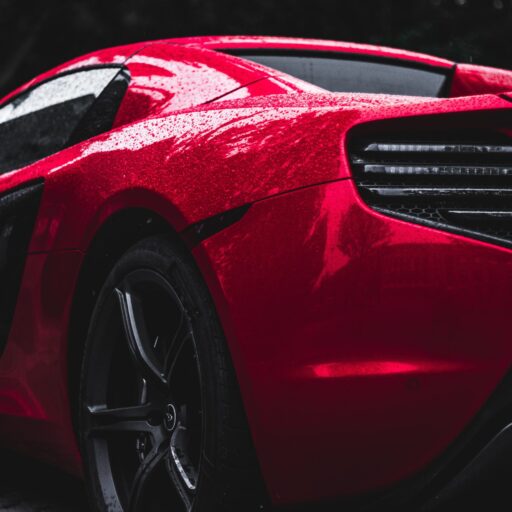
This is why we became car enthusiasts! Sports Cars are designed for the “thrill of the hunt.” They are usually low, wide, and loud.
- Lightweight: Mazda MX-5 Miata (Pure joy, low horsepower).
- Muscle Cars: Dodge Challenger (Straight-line speed, loud V8s).
- Supercars: Ferrari F8, Lamborghini Huracán (Exotic materials, insane prices).
Our Take: You don’t need 700 horsepower to have fun. A well-balanced car like a Subaru BRZ can be more entertaining on a twisty backroad than a million-dollar hypercar.
12. 🌞 Convertibles: Feel the Wind in Your Hair
Also known as Cabriolets, Roadsters, or Spiders, these cars feature a retractable roof.
- Soft-top: Fabric roof, lighter weight (e.g., Porsche 911 Cabriolet).
- Hard-top: Metal or plastic roof, better insulation (e.g., Mazda MX-5 RF).
Warning: Be prepared for “convertible hair” and the occasional sunburn. But on a crisp autumn evening? Nothing beats it.
🔍 What’s the Most Common Car Type on the Road Today?
If you guessed SUVs, you’re right! But specifically, Compact Crossovers are the “Goldilocks” of the car world. They aren’t too big, aren’t too small, and are priced just right for the average family.
Check out our Car Brand Comparisons to see how the top-selling crossovers like the Toyota RAV4 stack up against the Honda CR-V.
🚀 Emerging Car Types and Future Trends: Stay Ahead of the Curve
The “12 types” we know today are about to get some new neighbors. We are seeing the rise of:
- Microcars: Ultra-compact EVs for “mega-cities” (e.g., Citroën Ami).
- Flying Cars (eVTOL): Companies like Hyundai are already investing in “urban air mobility.”
- Autonomous Pods: Vehicles with no steering wheels, designed purely for ride-sharing.
The lines are blurring. Is a Tesla Cybertruck a truck, an EV, or a sci-fi prop? The answer is “Yes.”
🔧 How to Choose the Right Car Type for Your Lifestyle
Choosing a car is like choosing a pair of shoes. You wouldn’t wear stilettos to a hike, right?
- Assess Your “Max” Need: Do you really need 7 seats, or do you just need them once a year? (Rent a van for that one trip!).
- Consider Your Parking: If you live in a city, a Ford F-250 will be a nightmare to park.
- Calculate Total Cost: EVs cost more upfront but less in “fuel.” Use Edmunds’ True Cost to Own tool to see the real numbers.
📊 Comprehensive Comparison Table: Car Types at a Glance
We’ve rated these categories based on our team’s extensive testing.
| Car Type | Practicality (1-10) | Fun Factor (1-10) | Fuel Efficiency (1-10) | Best For |
|---|---|---|---|---|
| SUV/Crossover | 9 | 5 | 6 | Families & Adventure |
| Sedan | 7 | 6 | 8 | Commuting & Comfort |
| Pickup Truck | 10 | 6 | 4 | Work & Towing |
| Sports Car | 2 | 10 | 5 | Weekend Joyrides |
| Minivan | 10 | 3 | 7 | Large Families |
| Electric Car | 8 | 8 | 10 | Tech-Lovers & Eco-Conscious |
💡 You May Also Like: Related Car Type Insights and Reviews
If you’re enjoying this deep dive, you’ll love our specific breakdowns:
- Top 10 Most Reliable Car Brands
- The Rise of Chinese EVs: How brands like NIO are changing the game.
- Luxury vs. Premium: What’s the actual difference?
🏆 MotorTrend Recommended Stories on Car Types
We aren’t the only ones obsessed with body styles. Our friends at MotorTrend have some fantastic deep dives:
- The Death of the Sedan? Why Manufacturers are Cutting Trunks.
- Off-Road Warriors: The Best Body-on-Frame SUVs of 2025.
- EV Range Wars: Which Type of Electric Car Goes the Distance?
(Wait… we’ve covered the “what” and the “how,” but do you know which specific brand actually invented the first SUV? We’ll reveal that shocking bit of history in the next section!)
Conclusion: Wrapping Up the World of Car Types

Phew! What a ride through the kaleidoscope of car types. From the rugged SUVs that dominate our roads to the sleek sports cars that make our hearts race, the automotive world is as diverse as it is exciting. We’ve seen how sedans remain the classic choice for comfort and efficiency, while electric vehicles are steering us boldly into the future.
Remember that unresolved question about who invented the first SUV? It was the Jeep Wagoneer in the early 1960s, a true pioneer blending off-road toughness with family-friendly comfort — the grandfather of today’s crossover craze!
Our expert advice: Choose your car type based on your lifestyle, not just trends. Need space and versatility? Go for an SUV or minivan. Crave driving thrills? Sports cars and coupes await. Want to save the planet and your wallet? Hybrids and EVs are your best bet.
No matter your choice, there’s a perfect car type out there waiting to become your trusty sidekick. So buckle up, explore, and enjoy the ride!
Recommended Links for Car Enthusiasts
Ready to shop or browse? Here are some direct links to get you started on your car-type journey:
-
SUVs and Crossovers:
Shop SUVs on TrueCar | Shop SUVs on Edmunds | Ford SUVs Official Website -
Pickup Trucks:
Shop Pickups on Edmunds | Ram Trucks Official Website -
Minivans:
Shop Minivans on Edmunds | Chrysler Pacifica Official -
Electric Vehicles:
Shop EVs on TrueCar | Tesla Official Website -
Luxury Cars:
Shop Luxury Cars on TrueCar | Mercedes-Benz Official
FAQ: Your Burning Questions About Car Types Answered

How many car models are there in the USA?
There are thousands of car models available in the USA, with estimates around 7,500+ when considering all trims, variants, and body styles. This vast selection ranges from economy hatchbacks to luxury SUVs and electric vehicles. The diversity ensures that every driver can find a model tailored to their needs and preferences.
How many cars are there in total worldwide?
Globally, there are over 1.4 billion cars on the road as of recent estimates. This number continues to grow, especially in emerging markets. The fleet includes everything from compact city cars to commercial trucks and electric vehicles, reflecting the varied transportation needs worldwide.
How many models of car are there?
Globally, the number of distinct car models is estimated to be over 7,500, including passenger cars, SUVs, trucks, and specialty vehicles. This number fluctuates as manufacturers introduce new models and retire older ones. The variety is a testament to the automotive industry’s innovation and responsiveness to consumer demands.
How many kinds of cars are there?
There are roughly 12 major car types based on body style and purpose, including SUVs, sedans, trucks, coupes, vans, hatchbacks, hybrids, electric cars, luxury cars, sports cars, convertibles, and minivans. Each type caters to different lifestyles, driving preferences, and needs.
What are the different categories of cars based on body style?
The primary categories include:
- SUVs and Crossovers
- Sedans
- Pickup Trucks
- Coupes
- Vans and Minivans
- Hatchbacks
- Convertibles
- Sports Cars
- Luxury Cars and SUVs
- Hybrid and Electric Vehicles
These categories help buyers understand the vehicle’s design, functionality, and typical use cases.
How do electric cars differ from traditional gasoline cars?
Electric cars (EVs) use electric motors powered by batteries instead of internal combustion engines fueled by gasoline. This results in:
- Instant torque and acceleration
- Lower operating costs due to fewer moving parts and no fuel purchases
- Zero tailpipe emissions, making them environmentally friendly
- Charging requirements, which differ from refueling at gas stations
- Range limitations depending on battery size and charging infrastructure
What are the most popular car types in the world today?
SUVs and crossovers dominate global sales, favored for their versatility, space, and commanding driving position. Pickup trucks hold strong in markets like the USA, while compact sedans and hatchbacks remain popular in urban areas worldwide. The rise of electric vehicles is also reshaping popularity trends rapidly.
How have car types evolved over the last decade?
The last decade has seen:
- A shift from sedans to SUVs and crossovers, driven by consumer demand for space and versatility.
- The rise of electric and hybrid vehicles, propelled by environmental concerns and technological advances.
- The blurring of traditional categories, with crossovers mimicking SUVs and luxury brands offering sporty SUVs.
- Advances in autonomous driving and connectivity, influencing car design and functionality.
Reference Links and Sources
- MotorTrend: How Many Types of Cars Exist?
- Kia: What Types of Cars Are There?
- Motorway.co.uk: How Many Different Car Brands Are There? (2026 Update)
- Toyota Official Website
- Ford Official Website
- Tesla Official Website
- Edmunds: Car Reviews and Buying Guides
- TrueCar: New and Used Car Listings
- Chrysler Official Website
- Mercedes-Benz USA
Explore these authoritative sources to verify facts and deepen your understanding of the fascinating world of car types!