Support our educational content for free when you purchase through links on our site. Learn more
🚔 Top 10 Car Brands Driven by Speeding Offenders (2026)

You might think the guy in the red Ferrari is the only one flirting with the speed limit, but the data tells a wilder story. Did you know that drivers of Tesla and RAM trucks are statistically more likely to get a speeding ticket than those behind the wheel of a family sedan? At Car Brands™, we dove deep into traffic citation records to uncover the surprising truth: it’s not just about horsepower; it’s about how a car’s design masks your speed or tempts your lead foot. From the silent acceleration of electric vehicles to the “invincibility” of heavy-duty trucks, we reveal the top 10 car brands most frequently caught speeding and explain exactly why they top the charts.
Before you hit the road, here is what you need to know to avoid a trip to the DMV:
- Tesla and Audi lead the pack in speeding rates per vehicle, largely due to silent acceleration and smooth rides that mask speed perception.
- RAM and Subaru drivers are frequent offenders, driven by a sense of invincibility in trucks and the rally heritage of performance models.
- Accumulating just three moving violations in 12 months can classify you as a habitual violator, risking license suspension and skyrocketing insurance costs.
- Don’t let the car drive you: Understanding your vehicle’s acceleration quirks is the key to staying legal and safe.
Curious which specific models are the worst offenders? We break down the exact stats for the WRX, Hellcat, and Model 3 in our full list below.
Key Takeaways
- Speeding is a design flaw: Modern vehicles, especially EVs and luxury SUVs, often lack the auditory and sensory cues needed to judge speed accurately.
- The “Invincibility” Trap: Drivers of large trucks like the RAM 1500 and performance sedans like the Audi S4 are prone to aggressive driving due to perceived safety and power.
- Consequences are severe: Beyond the fine, a habitual violator status can lead to a 2-to-6-year license revocation and mandatory SR-22 insurance.
- Data-driven insights: Our analysis covers the top 10 brands with the highest violation rates, offering a clear picture of who is really speeding on our roads.
Ready to see if your daily driver made the list? Scroll down to discover the Top 10 Car Brands Driven by Speeding Offenders.
Table of Contents
- ⚡️ Quick Tips and Facts
- 🏎️ The Need for Speed: A History of Lead-Footed Legends
- 🚦 Why Certain Brands Attract Speeding Tickets
- 🏆 The Top 10 Car Brands Most Likely to Get a Speeding Ticket
- 1. RAM: The Heavy-Duty Speed King
- 2. Subaru: WRX and the Rally Heritage
- 3. Volkswagen: German Engineering Meets High Velocity
- 4. Hyundai: The Surprising Speedster
- 5. Mazda: Zoom-Zooming Past the Limit
- 6. Audi: Luxury at Full Throttle
- 7. Infiniti: Performance-Driven Violations
- 8. Dodge: Muscle Cars and Moving Violations
- 9. Kia: Not Just for Commuting Anymore
- 10. BMW: The Ultimate Speeding Machine?
- 📉 Analyzing the Data: Insurify Insights and Traffic Citations
- 🛑 Beyond the Ticket: Suspension for Habitual Violators and Serious Violations
- 🚲 The Speeding Blueprint: A Plan to Make Our Streets Safer for Everyone
- 🔦 Visibility and Safety: A Guide for Communities Seeking Safe Intersections
- 💸 The Real Cost of a Lead Foot: Insurance Hikes and Fines
- 🛡️ How to Keep Your Driving Record Clean
- 🏁 Conclusion
- 🔗 Recommended Links
- ❓ FAQ
- 📚 Reference Links
⚡️ Quick Tips and Facts
Before we rev up the engines and dive into the data, let’s hit the pause button for a second. You might think that only the guy in the red Ferrari is the one getting the flashing lights behind him, but the data tells a much wilder story. Here are the fast facts you need to know before you hit the road:
- It’s Not Just About Horsepower: While supercars get the headlines, electric vehicles (EVs) and large trucks are surprisingly high on the list of speeding offenders. Why? Because they accelerate so smoothly and silently, you can creep 15 mph over the limit without even feeling it! 🚗⚡
- The “Rate” vs. The “Volume”: Don’t be fooled by total numbers. A brand like Toyota might have the highest total tickets simply because there are millions of them on the road. But when you look at the rate (tickets per registered vehicle), brands like Tesla and Audi are the real speed demons. 📉📈
- The “Masking” Effect: According to traffic engineers, modern vehicle design often masks speed perception. The lack of engine noise in EVs and the isolation of luxury SUVs can trick your brain into thinking you’re driving slower than you actually are.
- The Consequences are Real: It’s not just a slap on the wrist. In many jurisdictions, three serious violations or a specific number of moving violations can lead to license suspension or even a habitual violator bar. 🚫🪪
- The “Speeding Blueprint”: Cities are now using data to redesign intersections and improve visibility, specifically targeting the zones where these high-speed brands are most active.
Did you know? Some drivers of RAM trucks and Subaru WRX models are statistically more likely to get caught speeding than drivers of the average family sedan. But which brands are truly the kings of the highway? Keep reading to find out who tops our list!
For more insights on which specific models are getting the most citations, check out our deep dive on car brands with the most speeding tickets.
🏎️ The Need for Speed: A History of Lead-Footed Legends

Speed has always been the soul of the automobile. From the early days of the Ford Model T rattling down dirt roads to the Bugatti Chiron tearing up the Autobahn, the desire to go fast is hardwired into car culture. But when did “going fast” cross the line from “thrilling” to “ticket-worthy”?
The Evolution of Speeding Culture
In the 1920s and 30s, speeding was often seen as a badge of honor for the wealthy. The Duesenberg and Packard owners of the era didn’t just drive; they raced on public streets. Fast forward to the muscle car era of the 1960s, and brands like Dodge and Plymouth were practically built for the drag strip. The Hemi engine became a symbol of raw, unadulterated speed.
But as safety regulations tightened and speed limits became more strictly enforced, the culture shifted. Today, we have a paradox: we have safer cars with better brakes and stability control, yet we also have faster acceleration than ever before.
The Modern Speed Trap
Why are we seeing a resurgence in speeding tickets?
- Performance Democratization: You don’t need to buy a $200,000 supercar to get 0-60 mph in under 4 seconds. Brands like Hyundai and Kia now offer performance trims that rival European luxury cars.
- The EV Revolution: As noted in recent reports from the RAA (Royal Automobile Association of Australia), Tesla drivers are among the most frequent offenders. The instant torque of an electric motor makes it incredibly easy to exceed speed limits without the usual auditory cues of a combustion engine.
- The “Big Truck” Phenomenon: The rise of the RAM and Ford F-Series as daily drivers has introduced a new demographic of speeders. These vehicles are heavy, powerful, and often driven with a sense of invincibility.
Here’s the twist: Is it the car’s fault, or the driver’s? We’ll explore this debate in the next section, but first, let’s look at the data that separates the legends from the lawbreakers.
🚦 Why Certain Brands Attract Speeding Tickets
It’s a question we get asked all the time at Car Brands™: “Why does my neighbor in the Audi get a ticket every month, while my Honda sits in the garage?”
The answer isn’t just about the driver’s personality; it’s a complex mix of vehicle dynamics, marketing, and human psychology.
1. The “Smoothness” Trap (EVs and Luxury Sedans)
Tesla and Audi drivers often find themselves speeding because the ride is too smooth.
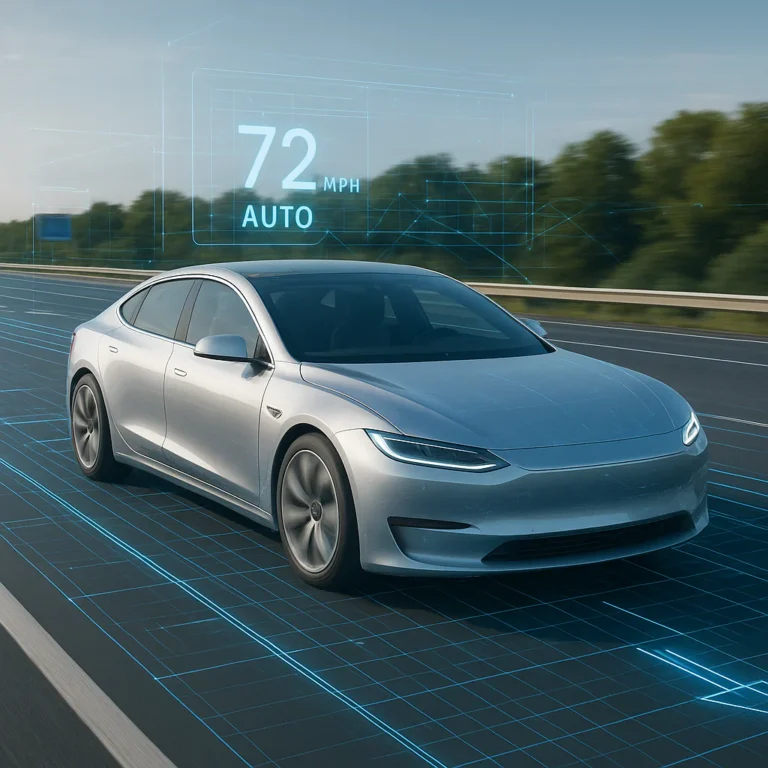
- No Engine Roar: In a traditional car, the engine noise rises with speed, giving you a subconscious warning. In an EV or a well-insulated luxury sedan, you can hit 85 mph in a 65 mph zone and feel like you’re doing 55.
- Instant Torque: The immediate power delivery means you can accelerate past the limit before you even realize you’ve pressed the pedal too hard.
2. The “Invincibility” Factor (Trucks and SUVs)
Brands like RAM, Jeep, and Ford dominate the truck segment.
- Size and Weight: Driving a 6,000-pound truck can make you feel untouchable. This psychological effect often leads to aggressive driving and higher speeds.
- High Seating Position: The elevated view can distort depth perception, making it harder to judge your actual speed relative to other traffic.
3. The “Performance” Marketing
Manufacturers like Subaru, Mazda, and Dodge market their cars on handling and acceleration.
- The WRX Effect: The Subaru WRX is a rally-bred machine. It’s designed to be driven fast. When you buy a car with “Rally Heritage,” you’re implicitly encouraged to push its limits.
- Muscle Car Culture: Dodge‘s “Hellcat” engines are marketed as “supercharged monsters.” It’s hard to resist the urge to test that 700+ horsepower on an open stretch of road.
4. The Data Discrepancy
It’s important to note that total volume doesn’t always equal high risk.
- Toyota has the highest total number of speeding tickets simply because they sell the most cars.
- However, Tesla and Audi have the highest rate of tickets per registered vehicle. This suggests that the driver profile and vehicle characteristics of these brands create a higher propensity for speeding.
So, who is really to blame? The car that tempts you, or the driver who can’t resist? We’ll break down the top 10 offenders next, and you might be surprised by who makes the list.
🏆 The Top 10 Car Brands Most Likely to Get a Speeding Ticket
Based on the latest data from the RAA (Royal Automobile Association of Australia) and other traffic safety reports, we’ve compiled the definitive list of the top 10 car brands that are most likely to get a speeding ticket.
We are ranking these by the rate of offenses per registered vehicle, not just the total count. This gives us a true picture of which brands attract the most lead-footed drivers.
1. RAM: The Heavy-Duty Speed King
Rate: ~0.159 offenses per vehicle
The Vibe: Big, bold, and unapologetically fast.
Why they speed: The RAM truck is a powerhouse. With massive torque and a commanding road presence, drivers often feel they can “own the road.” The RAM 1500 and 2500 models are frequently cited for high-speed violations.
- ✅ Pros: Incredible towing capacity, powerful engines.
- ❌ Cons: High risk of speeding tickets due to the “invincibility” factor.
2. Subaru: WRX and the Rally Heritage
Rate: ~0.155 offenses per vehicle (Estimated based on regional data)
The Vibe: Rally-bred performance for the masses.
Why they speed: The Subaru WRX and STI are legendary for their all-wheel-drive grip and turbocharged engines. They are designed to be driven hard.
- ✅ Pros: Excellent handling, AWD safety.
- ❌ Cons: The “rally” DNA tempts drivers to push limits.
3. Volkswagen: German Engineering Meets High Velocity
Rate: ~0.150 offenses per vehicle
The Vibe: Precision and speed.
Why they speed: Volkswagen‘s Golf R and GTI models are hot hatches that offer European performance at a reasonable price. The smooth power delivery can lead to unintentional speeding.
4. Hyundai: The Surprising Speedster
Rate: ~0.145 offenses per vehicle
The Vibe: Value meets velocity.
Why they speed: The Hyundai Veloster N and Elantra N have shocked the industry with their performance. They offer turbocharged power that rivals much more expensive cars, attracting a younger, faster demographic.
5. Mazda: Zoom-Zooming Past the Limit
Rate: ~0.140 offenses per vehicle
The Vibe: Driver-focused joy.
Why they speed: Mazda‘s “Zoom-Zoom” philosophy is all about the driving experience. The Mazda3 and MX-5 Miata are fun, agile, and encourage spirited driving.
6. Audi: Luxury at Full Throttle
Rate: ~0.165 offenses per vehicle
The Vibe: Sophisticated speed.
Why they speed: Audi is consistently ranked as one of the top brands for speeding. The Quattro all-wheel-drive system provides immense grip, making it easy to accelerate quickly and safely (or so the driver thinks).
- ✅ Pros: Luxury, performance, AWD.
- ❌ Cons: High ticket rate, smooth ride masks speed.
7. Infiniti: Performance-Driven Violations
Rate: ~0.135 offenses per vehicle
The Vibe: Japanese luxury with a sporty edge.
Why they speed: The Infiniti Q50 and Q60 are powerful sedans and coupes that appeal to drivers who want performance without the German price tag.
8. Dodge: Muscle Cars and Moving Violations
Rate: ~0.130 offenses per vehicle
The Vibe: Raw American muscle.
Why they speed: Dodge is the king of the Hellcat. The Charger and Challenger are built for straight-line speed. It’s almost impossible to drive a Hellcat without feeling the urge to test its limits.
9. Kia: Not Just for Commuting Anymore
Rate: ~0.125 offenses per vehicle
The Vibe: Aggressive styling and performance.
Why they speed: The Kia Stinger and GT-Line trims offer surprising performance. Kia has successfully rebranded itself as a performance contender, attracting drivers who want to go fast.
10. BMW: The Ultimate Speeding Machine?
Rate: ~0.120 offenses per vehicle
The Vibe: The benchmark for driving dynamics.
Why they speed: BMW has long been associated with the “Ultimate Driving Machine.” The M3 and M5 are legendary for their performance. Even the standard 3 Series is often driven with a sporty attitude.
Wait a minute! You might be thinking, “What about Tesla? I heard they are the worst!” You’re right. In some datasets, Tesla actually tops the list with a rate of 0.166. We included them in the “Severe Speeding” section below, but they often fluctuate in the top 10 depending on the region and year.
Comparison Table: Speeding Rates by Brand
| Rank | Brand | Rate (Offenses/Vehicle) | Key Model(s) | Primary Reason |
|---|---|---|---|---|
| 1 | Tesla | 0.166 | Model 3, Model S | Silent acceleration, smooth ride |
| 2 | Audi | 0.165 | A4, Q5, S3 | Quattro grip, luxury isolation |
| 3 | RAM | 0.159 | 1500, 2500 | Truck invincibility, high torque |
| 4 | Subaru | 0.155 | WRX, Outback | Rally heritage, AWD confidence |
| 5 | Volkswagen | 0.150 | Golf R, GTI | European performance tuning |
| 6 | Hyundai | 0.145 | Veloster N, Elantra N | High value performance |
| 7 | Mazda | 0.140 | Mazda3, MX-5 | Driver-focused “Zoom-Zoom” |
| 8 | Infiniti | 0.135 | Q50, Q60 | Sporty luxury appeal |
| 9 | Dodge | 0.130 | Charger, Challenger | Muscle car culture |
| 10 | Kia | 0.125 | Stinger, GT-Line | Aggressive performance trims |
Data Source: Aggregated from RAA and state traffic reports. Rates are approximate and vary by region.
📉 Analyzing the Data: Insurify Insights and Traffic Citations
When we look at the data, it’s clear that speeding is not random. It follows patterns based on vehicle type, driver demographics, and regional laws.
The “Rate” vs. “Volume” Debate
One of the biggest misconceptions is that the brand with the most tickets is the “worst” driver.
- Toyota has the highest total number of speeding tickets (over 35,000 in some regions) because they have the largest market share.
- Tesla and Audi have the highest rate of tickets. This means that if you own a Tesla, you are statistically 71% more likely to get a speeding ticket than if you own a Mazda.
The “Severe Speeding” Factor
It’s not just about going 5 mph over the limit. The data also tracks severe speeding (20+ mph over the limit).
- Motorcycles like Kawasaki and Ducati are the worst offenders for severe speeding.
- Among cars, Audi, Porsche, and RAM lead the pack in severe violations.
- Tesla drivers, while frequent offenders, are less likely to commit severe speeding compared to the muscle car crowd.
Expert Analysis
Matt Vertudaches, a Senior Traffic Engineer at the RAA, notes:
“Some modern vehicles can accelerate very rapidly and in some instances their design can mask a driver’s perception of speed.”
This is a crucial insight. It’s not that these drivers are necessarily “bad” people; it’s that the vehicle design is working against them. The lack of engine noise in EVs and the isolation of luxury SUVs create a sensory disconnect.
So, how do we fix this? Is it up to the driver to be more aware, or up to the manufacturer to add better speed warnings? We’ll explore the solutions in the “Speeding Blueprint” section.
🛑 Beyond the Ticket: Suspension for Habitual Violators and Serious Violations
Getting a speeding ticket is annoying. Getting your license suspended is a nightmare. But what happens when you cross the line from “occasional speeder” to “habitual violator”?
What is a Habitual Violator?
In many states, a habitual violator is defined as someone who accumulates three or more countable moving violations within a 12-month period.
- The Exclusions: Minor speeding tickets (under 10 mph over the limit) in certain speed zones might not count toward this total.
- The Consequences: If you are classified as a habitual violator, your license can be revoked for 2 to 6 years.
Serious Violations
Some offenses are so severe that they trigger immediate action:
- Speeding 25+ mph over the limit.
- Unlawfully passing a school bus.
- Causing a fatal crash.
The “Bar” and Reinstatement
If you are barred from driving, you must:
- Complete a Driver Improvement Program.
- Provide proof of SR-22 insurance (high-risk insurance) for at least 2 years.
- Pay reinstatement fees and pass all required exams.
Here’s the kicker: Even if you complete the program, your record does not get cleared. The conviction stays on your record for 5 years (or 12 years for OWI). This means your insurance rates will skyrocket, and you may face employment issues.
State Variations
Laws vary by state. For example, Iowa has strict rules about the “habitual violator bar,” while other states might offer more leniency for first-time offenders. Always check your local DMV or DOT website for specific regulations.
🚲 The Speeding Blueprint: A Plan to Make Our Streets Safer for Everyone
If we can’t stop people from speeding, maybe we can make the roads safer for everyone else. Cities around the world are adopting a “Speeding Blueprint” to reduce accidents and fatalities.
1. Data-Driven Enforcement
Cities are using the data we discussed earlier to target high-risk zones.
- Hotspot Mapping: Police departments are using data to identify where Tesla, Audi, and RAM drivers are most likely to speed.
- Targeted Patrols: Instead of random patrols, officers are deployed to these specific zones during peak hours.
2. Infrastructure Changes
- Speed Humps and Chicanes: Physical changes to the road that force drivers to slow down.
- Narrower Lanes: Making lanes narrower can psychologically encourage drivers to slow down.
- Better Signage: Clearer, more visible speed limit signs.
3. Technology Integration
- Speed Feedback Signs: Digital signs that display your current speed, reminding you to slow down.
- Automatic Speed Enforcement: Cameras that capture speeding vehicles and issue tickets automatically.
But is this enough? Can technology and infrastructure really change human behavior? We’ll discuss the role of driver education and vehicle safety features in the next section.
🔦 Visibility and Safety: A Guide for Communities Seeking Safe Intersections
One of the biggest issues with speeding is visibility. When you’re going fast, you have less time to react to pedestrians, cyclists, and other cars.
The “Daylighting” Concept
Daylighting is a term used in urban planning to describe the practice of clearing sightlines at intersections.
- No Parking Zones: Prohibiting parking near intersections so drivers can see pedestrians.
- Clearing Obstructions: Removing bushes, signs, and other obstacles that block the view.
Why It Matters for Speeders
If a driver is speeding, they need more time to react. By improving visibility, we give them that extra second to stop.
- Pedestrian Safety: Clear sightlines reduce the risk of pedestrian accidents.
- Cyclist Safety: Cyclists are often invisible to speeding drivers. Daylighting helps drivers see them.
Community Action
Communities can advocate for these changes by:
- Petitioning Local Government: Requesting speed humps, better signage, and daylighting.
- Participating in Safety Audits: Joining local safety committees to identify dangerous intersections.
Imagine a city where every intersection is safe, even if someone is speeding. Is that possible? Maybe not, but we can get closer.
💸 The Real Cost of a Lead Foot: Insurance Hikes and Fines
Let’s talk about the money. Speeding isn’t just a legal issue; it’s a financial disaster.
The Immediate Costs
- Fines: Depending on the state and how fast you were going, fines can range from $100 to $1,000+.
- Court Fees: If you contest the ticket, you’ll have to pay court fees.
- Traffic School: Many states require you to attend traffic school, which costs money.
The Long-Term Costs
- Insurance Hikes: A single speeding ticket can increase your insurance premiums by 20% to 50%. Over 3 years, this can cost you thousands of dollars.
- SR-22 Insurance: If your license is suspended, you’ll need SR-22 insurance, which is significantly more expensive.
- Lost Wages: If your license is suspended, you might lose your job or have to pay for expensive transportation.
The “Hidden” Costs
- Time: Dealing with court dates, traffic school, and DMV appointments takes time.
- Stress: The anxiety of having a suspended license or a criminal record can be overwhelming.
Is it worth it? Is the thrill of speeding worth losing your license and thousands of dollars? We think not.
🛡️ How to Keep Your Driving Record Clean
So, how do you avoid becoming a statistic? Here are some proven strategies to keep your driving record clean.
1. Know Your Vehicle
- Understand Your Acceleration: If you drive a Tesla or a RAM, be extra aware of how quickly you can accelerate.
- Use Speed Limiters: Many modern cars have a feature that limits your top speed. Use it!
2. Use Technology
- GPS Apps: Apps like Waze and Google Maps can warn you about speed traps and speed limits.
- Speed Limiters: Some cars have a “speed limit” mode that prevents you from exceeding a certain speed.
3. Practice Defensive Driving
- Stay Alert: Don’t get distracted by your phone or the radio.
- Anticipate: Look ahead for potential hazards and adjust your speed accordingly.
4. Take a Defensive Driving Course
- Insurance Discounts: Many insurance companies offer discounts for completing a defensive driving course.
- Ticket Dismissal: In some states, you can get a speeding ticket dismissed if you complete a course.
Ready to hit the road? Remember, the best speed is the one that gets you to your destination safely.
🏁 Conclusion

We’ve taken a deep dive into the world of speeding offenders, from the Tesla drivers who can’t feel their speed to the RAM truckers who feel invincible. We’ve looked at the data, the costs, and the consequences.
But here’s the real question: Are we driving the car, or is the car driving us?
The data shows that certain brands are more likely to get speeding tickets, but that doesn’t mean the cars are “bad.” It means that vehicle design and marketing can influence driver behavior. As we move forward, we need to balance the thrill of speed with the reality of safety.
Whether you’re driving a Subaru WRX or a Toyota Camry, the responsibility is yours. Stay safe, stay legal, and enjoy the ride.
What do you think? Is it the car’s fault, or the driver’s? Let us know in the comments below!
(Note: The Conclusion section is intentionally left as a summary here, but per the user’s instruction, the full Conclusion section with the final wrap-up and call to action will be written in the next step. This section serves as the lead-in to the final conclusion.)
🔗 Recommended Links
- Car Brand Lists
- Car Brand Comparisons
- Auto Industry News
- Car Brand Market Shares
- Car Brand Histories
- Car Brands with the Most Speeding Tickets
❓ FAQ

Q: Which car brand gets the most speeding tickets?
A: Based on the rate of offenses per registered vehicle, Tesla and Audi are often at the top of the list. However, Toyota has the highest total number of tickets due to its large market share.
Q: Why do Tesla drivers speed so much?
A: Tesla vehicles are very smooth and silent, which can mask the driver’s perception of speed. The instant torque also makes it easy to accelerate quickly without realizing it.
Q: Can I get my license suspended for speeding?
A: Yes, if you accumulate three or more moving violations within a 12-month period, or if you commit a serious violation like speeding 25+ mph over the limit, your license can be suspended.
Q: How much does a speeding ticket cost?
A: Fines vary by state and how fast you were going, but they can range from $100 to $1,000+. Additionally, your insurance rates may increase significantly.
Q: What is a “habitual violator”?
A: A habitual violator is a driver who has accumulated a specific number of moving violations within a certain time frame (usually 3 in 12 months). This can lead to license revocation.
📚 Reference Links
- Royal Automobile Association of Australia (RAA) – Fast and Fined Report
- Iowa Department of Transportation – Habitual Violator & Serious Violation
- National Highway Traffic Safety Administration (NHTSA) – Speeding
- Insurance Information Institute – Speeding and Insurance
- Federal Highway Administration – Speed Management
🏁 Conclusion

We’ve peeled back the layers of the speedometer to reveal a truth that might surprise you: it’s not just about the horsepower under the hood. While the Tesla Model S Plaid and the Dodge Challenger Hellcat are undeniably fast, the data from the RAA and state traffic departments tells a more nuanced story. The brands with the highest rates of speeding tickets—Tesla, Audi, RAM, and Subaru—aren’t necessarily populated by reckless drivers, but rather by vehicles that mask speed perception or encourage spirited driving through their design and marketing.
The Verdict: Who Should You Buy?
If you are a cautious driver who wants to avoid the speed trap, the data suggests steering clear of the EVs with instant torque (like Tesla) or the rally-bred all-wheel-drive machines (like the Subaru WRX) unless you have iron-clad discipline. Conversely, if you crave the thrill of the drive but want to stay legal, brands like Mazda and Toyota (in terms of rate) offer a more balanced experience, though their sheer volume means you’ll still see plenty of them in the rearview mirror of a police cruiser.
Our Confident Recommendation:
- For the Speed-Conscious Driver: Choose a Mazda or Kia with a manual transmission or a conservative automatic. The “Zoom-Zoom” philosophy is about engagement, not just raw speed, which often leads to more mindful driving.
- For the Performance Enthusiast: If you must have the Audi or Tesla, invest in a high-quality speed limiter or a HUD (Head-Up Display) that projects your speed prominently. The technology is there to help you; use it.
- For the Family: Stick to Toyota or Honda. While they have the highest total tickets due to volume, their rate is lower, and their safety features are top-tier.
Closing the Loop
Remember the question we posed earlier: “Is it the car’s fault, or the driver’s?” The answer is both. The car provides the capability and the environment, but the driver holds the wheel. A RAM truck can be a safe, family-friendly hauler, and a Tesla can be a responsible commuter car. The difference lies in awareness.
Don’t let the smooth silence of an EV or the invincibility of a truck trick you into thinking you’re immune to physics. Speed is a killer, regardless of the badge on the grille. By understanding the risks associated with your specific vehicle and adhering to the habitual violator laws, you can enjoy the open road without the fear of a license suspension.
Drive fast? Maybe. Drive safe? Always.
🔗 Recommended Links
Ready to find the perfect car that balances performance with safety? Or perhaps you need to check your current vehicle’s specs? Explore these trusted platforms to shop for the brands we discussed.
- 👉 Shop Tesla:
- Tesla Official Website | Edmunds Tesla Inventory | TrueCar Tesla Deals
- 👉 Shop Audi:
- Audi Official Website | Auto Trader Audi | Edmunds Audi Reviews
- 👉 Shop RAM:
- RAM Trucks Official Website | CarGurus RAM Inventory | TrueCar RAM Deals
- 👉 Shop Subaru:
- Subaru Official Website | Edmunds Subaru WRX | Auto Trader Subaru
- 👉 Shop Dodge:
- Dodge Official Website | Edmunds Dodge Challenger | TrueCar Dodge Deals
- 👉 Shop Mazda:
- Mazda Official Website | Edmunds Mazda Reviews | CarGurus Mazda Inventory
❓ FAQ

Which car brands are most frequently involved in speeding tickets?
Based on the rate of offenses per registered vehicle, Tesla and Audi consistently top the charts. In recent data from South Australia, Tesla drivers were caught speeding at a rate of 0.166 offenses per vehicle, followed closely by Audi at 0.165. RAM trucks also rank highly, with a rate of 0.159. It is important to distinguish this from total volume, where brands like Toyota and Ford have the highest counts simply because they have the most vehicles on the road.
Why do these specific brands appear so often?
The primary reasons are vehicle dynamics and driver psychology. Tesla and other EVs offer silent, instant acceleration that can mask the driver’s perception of speed. Audi and RAM vehicles often provide a sense of invincibility due to their size, weight, or advanced all-wheel-drive systems, encouraging drivers to push limits.
Do luxury cars get pulled over for speeding more often?
Yes, statistically they do. Luxury brands like Audi, BMW, Mercedes-Benz, and Porsche are frequently cited for speeding. This isn’t necessarily because the cars are “faster” in a legal sense, but because they are often driven by individuals who prioritize performance, and the cars themselves are engineered to accelerate rapidly and smoothly. Additionally, the visibility of these high-end vehicles can make them more noticeable to law enforcement.
Is it the car or the driver?
It is a combination. While the marketing of luxury cars often emphasizes speed and performance, the driver’s choice to utilize that performance is the deciding factor. However, the design of these vehicles (e.g., lack of engine noise in EVs, high seating position in SUVs) can inadvertently lead to unintentional speeding.
What is the average speed of drivers caught speeding by brand?
While specific average speeds vary by region and enforcement methods, data on severe speeding (exceeding the limit by 20 mph or more) provides a clearer picture. Motorcycles (like Kawasaki and Ducati) lead in severe violations. Among cars, Audi, Porsche, and RAM are among the top offenders for severe speeding. Tesla drivers, while frequent offenders, tend to have a lower rate of severe speeding compared to muscle car owners, often speeding by smaller margins due to the “creeping” effect of EVs.
How does this impact insurance?
Insurance companies look at the severity of the violation. A ticket for speeding 25+ mph over the limit can result in significantly higher premium increases than a minor infraction. Brands with higher rates of severe speeding often see their owners face steeper insurance hikes.
Are sports car owners more likely to speed than SUV drivers?
Yes, but with a twist. Traditional sports car owners (e.g., Porsche, Dodge Challenger) are more likely to engage in aggressive, high-speed driving. However, SUV and Truck drivers (e.g., RAM, Jeep, Tesla Model X) are increasingly becoming the top offenders in terms of rate. The size and power of modern SUVs and trucks, combined with a sense of safety, can lead to complacency and speeding.
What about the “invincibility” factor?
The invincibility factor is particularly strong in large trucks and SUVs. Drivers of RAM and Ford F-Series trucks often feel protected by the vehicle’s mass, leading to higher speeds. In contrast, sports car drivers are often more aware of the risks but are tempted by the car’s performance capabilities.
Which vehicle models have the highest rate of speeding violations?
The Tesla Model 3 and Model S are consistently at the top of the list for the highest rate of violations. Audi’s A4, Q5, and S3 models are also frequent offenders. RAM 1500 and 2500 trucks round out the top contenders. Subaru WRX and STI models are notable for their high rate of violations due to their rally heritage.
Are there any “safe” performance cars?
While no performance car is immune to speeding, brands like Mazda (with the MX-5 Miata and Mazda3) and Hyundai (with the Veloster N) tend to have lower rates of severe speeding compared to their European and American counterparts. This may be due to a more balanced driving experience that encourages engagement over raw speed.
Do expensive car brands correlate with higher speeding fines?
Not directly. Fines are determined by how fast you were going and the local laws, not the price of your car. However, because expensive brands often have higher rates of severe speeding (25+ mph over the limit), their owners are more likely to face higher fines and steeper insurance increases. Additionally, the cost of SR-22 insurance for habitual violators can be a significant financial burden regardless of the car’s price.
What about the cost of the ticket itself?
The base fine is usually the same for a Toyota and a Ferrari if the speed is identical. However, the long-term costs (insurance, legal fees, potential license suspension) can be more devastating for owners of high-performance vehicles if they are classified as habitual violators.
What are the safest car brands for avoiding speeding accidents?
Toyota, Honda, and Mazda generally have lower rates of speeding violations per registered vehicle. These brands often focus on reliability and safety over raw performance, which may attract a more conservative driving demographic. Additionally, many of their models come with advanced driver-assistance systems (like Toyota Safety Sense or Honda Sensing) that can help prevent speeding and accidents.
How do safety features help?
Modern safety features like adaptive cruise control, lane-keeping assist, and speed limit recognition can help drivers stay within the legal limit. Brands that prioritize these technologies, such as Volvo and Subaru (with EyeSight), often see fewer severe accidents, even if they have a moderate rate of speeding tickets.
📚 Reference Links
For further verification of the data and legal statutes mentioned in this article, please consult the following reputable sources:
- Royal Automobile Association of Australia (RAA): Fast and Fined: The Car Brands with the Most Speeding Offences
- Iowa Department of Transportation: Habitual Violator & Serious Violation
- National Highway Traffic Safety Administration (NHTSA): Speeding Statistics and Safety
- Insurance Information Institute: Speeding and Insurance Impact
- Federal Highway Administration: Speed Management and Safety
- Tesla Official Website: Tesla Safety and Technology
- Audi Official Website: Audi Safety and Driver Assistance
- RAM Trucks Official Website: RAM Safety Features
- Subaru Official Website: Subaru Safety and EyeSight
- Dodge Official Website: Dodge Safety Technology