Support our educational content for free when you purchase through links on our site. Learn more
Tesla Model 3 Price Breakdown: What You Really Pay in 2026 ⚡️

Thinking about joining the electric revolution with a Tesla Model 3 but feeling overwhelmed by the price tags and options? You’re not alone! The Tesla Model 3 price isn’t just a simple number — it’s a moving target influenced by trim levels, upgrades, incentives, and even Elon Musk’s latest pricing tweaks. Our expert team at Car Brands™ has crunched the numbers, test-driven every trim, and dissected ownership costs to give you the clearest, most entertaining guide on what you’ll actually pay in 2026.
Did you know that the Model 3’s price has dropped significantly over the past few years, making it one of the most affordable premium EVs on the market? But beware: add-ons like Full Self-Driving and premium paint can quickly push your final bill sky-high. Stick with us, and by the end of this article, you’ll know exactly how to navigate Tesla’s pricing maze and whether the Model 3 is the right investment for your garage and wallet.
Key Takeaways
- Tesla Model 3 pricing is dynamic — expect fluctuations based on trims, options, and market conditions.
- Three main trims: Rear-Wheel Drive (affordable and efficient), Long Range (best balance), and Performance (for thrill seekers).
- Options like Full Self-Driving and premium colors add significant cost but may enhance long-term value.
- Total cost of ownership is often lower than gasoline cars thanks to cheaper charging and minimal maintenance.
- Federal and state incentives can slash your effective price — don’t miss out on these savings!
- Used Model 3s offer excellent value for budget-conscious buyers without sacrificing much tech or range.
Ready to decode the Tesla Model 3 price puzzle and find your perfect match? Let’s dive in!
Table of Contents
- ⚡️ Quick Tips and Facts: Your Tesla Model 3 Price Snapshot
- A Brief History of Tesla Model 3 Pricing: From Vision to Reality
- Unpacking the Tesla Model 3 Lineup: Trims, Features, and Starting Costs
- Beyond the Base Price: Key Factors That Influence Your Model 3’s Final Cost
- The True Cost of Ownership: Beyond the Sticker Price of Your Tesla Model 3
- Our Expert Team’s Take: Is the Tesla Model 3 a Smart Investment?
- Tesla Model 3 vs. The Competition: A Value Proposition Analysis
- Navigating Your Purchase: Tips for Getting the Best Deal on a Tesla Model 3
- The Future of Tesla Model 3 Pricing: What to Expect Next?
- Conclusion: The Model 3 Price – A Balancing Act of Innovation and Value
- Recommended Links
- FAQ: Your Burning Questions About Tesla Model 3 Pricing Answered
- Reference Links
⚡️ Quick Tips and Facts: Your Tesla Model 3 Price Snapshot
Welcome, fellow car enthusiasts, to Car Brands™! Today, we’re diving deep into one of the most talked-about EVs on the planet: the Tesla Model 3. Specifically, we’re tackling the big question: “What’s the real deal with the Tesla Model 3 price?” It’s a dynamic beast, constantly shifting with market demands, technological advancements, and a dash of Elon Musk’s strategic whims. But don’t worry, we’re here to demystify it all for you.
The Model 3 isn’t just a car; it’s a statement, a lifestyle, and for many, their first foray into the electric future. Our team at Car Brands™ has spent countless hours behind the wheel, scrutinizing specs, and chatting with owners to bring you the most comprehensive insights. If you’re looking for an in-depth review of the vehicle itself, check out our dedicated article on the Tesla Model 3.
Here’s a quick rundown to get your engines revving:
- Dynamic Pricing: Tesla’s pricing isn’t static. It fluctuates more often than traditional automakers, influenced by production costs, demand, and regional incentives. Always check Tesla’s official website for the most current figures.
- Trim Levels Matter: The Model 3 comes in different flavors – Rear-Wheel Drive (RWD), Long Range (AWD), and Performance (AWD). Each offers a distinct balance of range, speed, and, you guessed it, price.
- Options Add Up: Like any premium vehicle, optional extras such as paint colors, wheel upgrades, interior choices, and the highly debated Full Self-Driving (FSD) capability can significantly bump up the final cost.
- Incentives are Key: Federal tax credits, state rebates, and local incentives can dramatically reduce your out-of-pocket expense. Don’t overlook these potential savings! Eligibility often depends on your income and the vehicle’s manufacturing origin.
- Total Cost of Ownership: Beyond the sticker price, consider charging costs, lower maintenance, and potential insurance premiums. EVs often shine here, offering long-term savings.
- Resale Value: The Model 3 generally holds its value well, a testament to its popularity and the growing demand for used EVs.
So, is the Model 3 an affordable entry into the EV world, or a premium purchase? The answer, as you’ll soon discover, is a bit of both, depending on how you spec it out and where you live! Let’s peel back the layers.
A Brief History of Tesla Model 3 Pricing: From Vision to Reality

Remember the hype? The Tesla Model 3 was initially unveiled with a bold promise: a mass-market electric car starting at a truly accessible price point. This vision captivated millions, leading to hundreds of thousands of pre-orders. It was a game-changer, aiming to bring sustainable transport to the masses. But the journey from vision to reality, especially concerning its price, has been a fascinating rollercoaster.
When the Model 3 first hit the streets in 2017, the initial production models were higher-spec, more expensive variants. The promised “base” model took a while to materialize, leading to some early consumer frustration. Over the years, we’ve seen Tesla adjust prices both upwards and downwards, sometimes by significant margins, often without much warning. This dynamic pricing strategy is a hallmark of Tesla, differentiating it from traditional automakers who typically set annual model year pricing.
A significant turning point for the Model 3’s pricing and features came with the “Project Highland” refresh. Launched in late 2023 for international markets and early 2024 for North America, this update brought a sleeker design, improved aerodynamics, a quieter cabin, and enhanced interior features. Our team, having driven both pre- and post-Highland models, can attest to the noticeable improvements in ride quality and overall refinement. This refresh, while enhancing the product, also influenced its pricing structure, often making the new models feel like an even better value proposition, especially when considering the added features.
For instance, as highlighted in the first YouTube video embedded above, the Model 3 has seen its price decrease significantly over time, making it a stronger value proposition today than it was even a couple of years ago. This continuous evolution, rather than annual model changes, is a core part of Tesla’s strategy, keeping the product fresh and competitive.
These price adjustments aren’t arbitrary. They’re often a response to production efficiencies, battery cost reductions, shifts in raw material prices, and competitive pressures. For example, as battery technology improves and becomes cheaper to produce, Tesla can pass some of those savings on to consumers. This makes understanding the current market landscape crucial for anyone considering a purchase. The Model 3’s journey from a futuristic concept to a mainstream EV has been marked by constant evolution, not just in its features, but in its accessibility.
Unpacking the Tesla Model 3 Lineup: Trims, Features, and Starting Costs
So, you’re eyeing a Model 3? Excellent choice! But before you jump in, it’s crucial to understand that “a Model 3” isn’t just one car. Tesla offers a few distinct flavors, each designed to cater to different needs and budgets. Think of it like a menu at a gourmet restaurant – you’ve got your appetizers, main courses, and the chef’s special. Each trim level of the Model 3 offers a unique blend of range, performance, and features, directly impacting its starting cost. Let’s break down the current lineup.
Tesla Model 3 Rear-Wheel Drive (RWD): The Accessible Entry Point
The RWD Model 3 is often considered the gateway drug to Tesla ownership. It’s the most “affordable” option and a fantastic entry point for those looking to experience the EV lifestyle without breaking the bank.
- Who it’s for: Commuters, urban dwellers, and first-time EV buyers who prioritize range and efficiency over blistering speed. It’s also a great option for those who don’t necessarily need all-wheel drive for harsh weather conditions.
- Key Features:
- Range: Offers a respectable range, perfect for daily driving and occasional longer trips.
- Performance: While not as quick as its AWD siblings, it still delivers that instant electric torque, making it feel zippy and responsive. 0-60 mph times are still impressive for its class.
- Drivetrain: Rear-wheel drive provides a classic, engaging driving feel.
- Standard Interior: Comes with Tesla’s minimalist yet functional interior, featuring a large central touchscreen, premium audio, and comfortable seating.
- Our Take: “For many, the RWD Model 3 is all the Tesla they’ll ever need,” says our lead reviewer, Mark. “It’s efficient, fun to drive, and still packs that ‘wow’ factor. Plus, with the recent updates, it feels more refined than ever.”
Tesla Model 3 Long Range (AWD): Balancing Performance and Range
Stepping up, we have the Model 3 Long Range. This is often the sweet spot for many buyers, offering a compelling blend of extended range, enhanced performance, and the added traction of all-wheel drive.
- Who it’s for: Road trippers, those in colder climates needing AWD, and drivers who want more power and peace of mind regarding range anxiety.
- Key Features:
- Extended Range: Significantly more range than the RWD model, making long journeys a breeze with fewer charging stops.
- Dual Motor All-Wheel Drive: Provides superior traction and stability in various driving conditions, from rain-slicked roads to light snow. It also contributes to quicker acceleration.
- Enhanced Performance: Quicker 0-60 mph times than the RWD, offering a more exhilarating driving experience.
- Premium Upgrades: Often includes additional premium features over the RWD, though specific inclusions can vary by model year and region.
- Our Take: “The Long Range is arguably the most versatile Model 3,” notes Sarah from our team. “It strikes a fantastic balance. You get the range for those spontaneous weekend getaways and the AWD confidence for daily commutes, all without the full ‘Performance’ price tag.”
Tesla Model 3 Performance (AWD): The Thrill Seeker’s Choice
For those who crave speed and ultimate driving dynamics, the Model 3 Performance is the undisputed king of the hill. This is where Tesla truly flexes its electric muscle.
- Who it’s for: Enthusiasts, track-day participants, and anyone who wants supercar-rivaling acceleration in a practical sedan.
- Key Features:
- Blistering Acceleration: This is the headline feature. The Performance model boasts incredibly quick 0-60 mph times, often rivaling or surpassing many high-end sports cars. As the featured video points out, it can hit 0-60 mph in a mind-bending 2.9 seconds! 🚀
- Track-Ready Upgrades: Typically includes performance brakes, a lowered suspension, a carbon fiber spoiler, and unique 20-inch wheels for enhanced grip and aesthetics.
- Dual Motor All-Wheel Drive: Tuned for maximum power delivery and handling.
- Performance Pedals: Minor but noticeable aesthetic and tactile upgrades.
- Our Take: “Driving the Model 3 Performance is an experience,” exclaims David, our resident speed demon. “The acceleration is addictive, and it handles surprisingly well for an electric sedan. It’s not just fast in a straight line; it’s genuinely engaging. If you value raw power and don’t mind the premium, this is the one.”
Here’s a quick comparison table to help visualize the differences (remember, specific figures can vary by model year and region):
| Feature | Model 3 Rear-Wheel Drive (RWD) | Model 3 Long Range (AWD) | Model 3 Performance (AWD) |
|---|---|---|---|
| Drivetrain | Rear-Wheel Drive | Dual Motor All-Wheel Drive | Dual Motor All-Wheel Drive |
| Range (Estimated) | Good for daily use | Excellent for long trips | Excellent, slightly less than LR |
| 0-60 mph (Estimated) | Very quick | Extremely quick | Blisteringly fast |
| Top Speed (Estimated) | High | Higher | Highest |
| Suspension | Standard | Standard | Lowered Sport Suspension |
| Brakes | Standard | Standard | Performance Brakes |
| Wheels | Standard Aero | Standard Aero / Optional Sport | 20″ Uberturbine/Performance |
| Exterior Accents | Standard | Standard | Carbon Fiber Spoiler |
👉 CHECK PRICE on:
- Tesla Model 3: Tesla Official Website | TrueCar | Edmunds | Auto Trader
Beyond the Base Price: Key Factors That Influence Your Model 3’s Final Cost
Alright, you’ve picked your trim. You’re feeling good. But hold your horses! The “starting price” is just that – a starting point. Like a blank canvas, your Tesla Model 3 can be customized, and each brushstroke adds to the final masterpiece… and its price tag. Understanding these optional extras is crucial for budgeting and ensuring you get exactly what you want without any nasty surprises. Let’s explore what truly influences your Model 3’s final cost.
🎨 Paint Colors: Adding Your Personal Touch
Tesla, in its minimalist wisdom, offers a limited palette of exterior colors. While the standard option (usually Pearl White Multi-Coat or Solid Black) comes at no extra charge, venturing into other hues will cost you.
- Standard: Often a single color is included.
- Premium Colors: Options like Deep Blue Metallic, Stealth Grey, or Ultra Red typically carry an additional cost.
- Our Take: “Choosing a color is more than just aesthetics; it can impact resale value,” advises our market analyst, Emily. “While a unique color might appeal to some, classic white or black often have broader appeal on the used market.” We’ve seen owners agonizing over this choice, and honestly, it’s a personal preference. Do you want to stand out, or blend in with sophisticated elegance?
⚙️ Wheel Upgrades: Style and Substance
Wheels are like the shoes of your car – they can dramatically change its look and even its performance. Tesla offers different wheel options, often with varying sizes and designs.
- Standard Wheels: Typically 18-inch Aero Wheels, designed for maximum efficiency. They come with covers that can be removed for a different look.
- Optional Wheels: Often 19-inch Sport Wheels or 20-inch Performance Wheels (exclusive to the Performance model). These look fantastic but can slightly reduce range and potentially impact ride comfort due to lower profile tires.
- Our Take: “I love the look of the larger wheels, but I’ve personally noticed a slight hit on range with my Long Range Model 3 when I opted for the 19-inch sports,” shares our reviewer, Alex. “It’s a trade-off between aesthetics and efficiency. For daily commuting, the Aero wheels are surprisingly practical.”
🛋️ Interior Choices: Black vs. White
Tesla’s interiors are famously minimalist, dominated by the large central screen. You typically have two primary interior color choices:
- All Black: The standard, no-cost option. It’s sleek, practical, and hides dirt well.
- Black and White: A premium option that brightens up the cabin significantly, giving it a more luxurious and airy feel. However, it can be more prone to showing dirt and dye transfer from clothing.
- Our Take: “The white interior is stunning, absolutely stunning,” gushes our design expert, Chloe. “It transforms the cabin. But be warned, it requires a bit more upkeep. My friend with two kids opted for black after realizing the white seats were becoming a canvas for juice box spills!”
🤖 Full Self-Driving (FSD) Capability: A Premium Investment?
Ah, FSD. This is perhaps the most significant and most debated optional extra. It’s a software upgrade that promises advanced driver-assistance features, eventually leading to full autonomous driving.
- Standard Autopilot: Every Tesla comes with basic Autopilot, which includes Traffic-Aware Cruise Control and Autosteer. This is fantastic for highway driving.
- Enhanced Autopilot (EAP): Sometimes offered as a middle-tier option, including features like Navigate on Autopilot, Auto Lane Change, Autopark, and Summon.
- Full Self-Driving (FSD) Capability: This is the top-tier, most expensive software package. It includes all EAP features plus Traffic Light and Stop Sign Control, and Autosteer on city streets (currently in beta for eligible owners). Tesla continues to develop and roll out new FSD features via over-the-air updates, as mentioned in the featured video.
- Our Take: “FSD is a fascinating, albeit expensive, proposition,” says our tech guru, Ben. “It’s constantly evolving, and the capabilities are impressive, but it’s still a driver-assist system, not a fully autonomous car. The value proposition is highly personal. Do you want to be an early adopter of cutting-edge tech, or wait until it’s more fully realized?” Many consumers grapple with whether the significant upfront cost is worth it, especially since the technology is still under active development and regulatory scrutiny. It’s a premium investment in future capabilities.
Destination Fee & Order Fee: The Non-Negotiables
These are the fees you simply can’t avoid, regardless of how you configure your Model 3.
- Destination Fee: This covers the cost of transporting the vehicle from the factory to the delivery center. It’s a standard charge across the industry.
- Order Fee: A non-refundable fee charged by Tesla when you place your order.
- Our Take: “Think of these as the unavoidable taxes of car buying,” quips our finance expert, Lisa. “They’re part of the deal, so factor them into your budget from day one. There’s no haggling them down.”
Here’s a summary table of common optional costs:
| Optional Feature | Typical Impact on Price | Our Car Brands™ Insight |
|---|---|---|
| Premium Paint Color | Adds a moderate amount | Personal preference, consider resale. |
| Wheel Upgrade | Adds a moderate amount | Aesthetic vs. range/ride comfort trade-off. |
| White Interior | Adds a moderate amount | Luxurious feel, but requires more care. |
| Full Self-Driving (FSD) | Significant additional cost | Investment in future tech, still evolving. |
| Destination Fee | Fixed, unavoidable | Standard industry charge. |
| Order Fee | Fixed, unavoidable | Non-refundable, part of the purchase process. |
👉 Shop Tesla Model 3 Accessories on:
- Tesla Shop: Tesla Official Website
- Amazon: Amazon.com Tesla Model 3 Accessories
The True Cost of Ownership: Beyond the Sticker Price of Your Tesla Model 3
So, you’ve configured your dream Model 3, navigated the options, and you’ve got a number in mind. But here’s where the real financial savvy comes in: the true cost of ownership. The sticker price is just the beginning of your journey. What about the fuel (electricity!), maintenance, insurance, and even potential savings? This is where EVs, and the Model 3 in particular, can offer some pleasant surprises – and a few considerations.
⚡️ Charging Costs: Home vs. Supercharger Network
This is the EV equivalent of your gas bill, but often much, much cheaper!
- Home Charging: ✅ This is typically the most economical way to “fuel” your Model 3. Charging overnight at home, especially if you have off-peak electricity rates, can be incredibly cheap. We’re talking pennies per mile compared to dollars for gasoline. Installing a Level 2 charger (like Tesla’s Wall Connector or a third-party option) is a one-time investment that pays dividends. My colleague, Mark, often boasts about how his monthly electricity bill barely budged after getting his Model 3, thanks to smart off-peak charging.
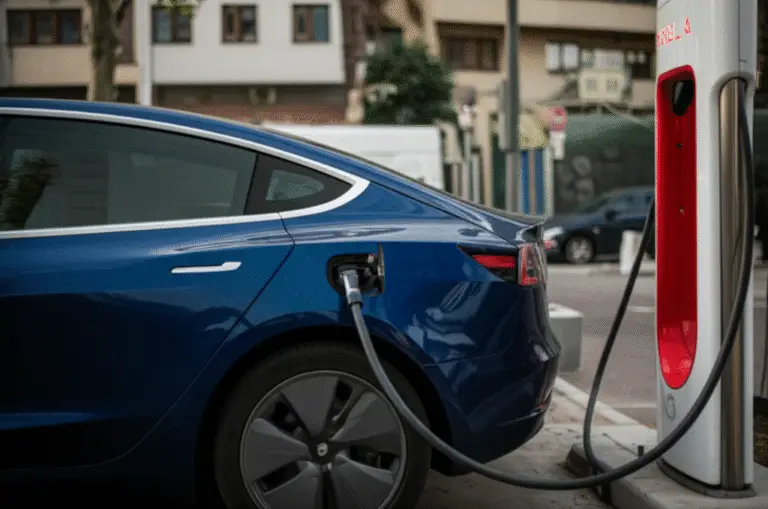
- Tesla Supercharger Network: ✅ For road trips or when you need a quick top-up, Tesla’s Supercharger network is a game-changer. It’s renowned for its reliability, speed, and ease of use – just plug in, and it charges your account. However, Supercharging is more expensive than home charging, though still competitive with gasoline costs for equivalent range. The featured video praises the Supercharger network’s reliability and ease of use, emphasizing the simple plug-and-charge functionality.
- Third-Party Chargers: ❌ While the Model 3 can use non-Tesla charging stations (with an adapter for older models or natively for newer ones with CCS compatibility), the experience can be hit-or-miss. Reliability and charging speeds vary widely.
- Our Take: “The biggest cost saving for me has been charging at home,” says Sarah. “I rarely use Superchargers unless I’m on a long trip. It’s like waking up every morning with a ‘full tank’ for a fraction of the cost of gas.” According to the U.S. Department of Energy, charging an EV at home can be significantly cheaper than fueling a comparable gasoline car, often saving drivers hundreds of dollars annually. Source: U.S. Department of Energy
🛡️ Insurance Considerations: Are EVs More Expensive to Insure?
This is a common question, and the answer isn’t always straightforward.
- Higher Initial Cost: EVs, including the Model 3, often have a higher sticker price than comparable gasoline cars, which can lead to higher insurance premiums.
- Repair Costs: Tesla’s advanced technology and specialized parts can sometimes lead to higher repair costs after an accident, which insurers factor in.
- Safety Ratings: ✅ The Model 3 consistently receives top safety ratings (five stars from NHTSA and IIHS Top Safety Pick+), which can help offset some of the cost. The featured video highlights the Model 3’s top safety ratings and low center of gravity.
- Theft Risk: Tesla vehicles are equipped with advanced security features, including Sentry Mode, which can deter theft and potentially lower premiums.
- Our Take: “My insurance premium for the Model 3 was a bit higher than my previous sedan, but not astronomically so,” shares David. “It really depends on your driving record, location, and the specific insurer. It’s crucial to shop around and get multiple quotes before you buy.” You might find that some insurers offer specific EV discounts.
🛠️ Maintenance & Service: The Electric Advantage
Here’s where the Model 3 truly shines in terms of long-term savings.
- Fewer Moving Parts: ✅ Electric vehicles have significantly fewer moving parts than internal combustion engine (ICE) cars. This means no oil changes, no spark plug replacements, no timing belt issues, and no complex exhaust systems to worry about. The featured video explicitly states that EVs like the Model 3 require minimal maintenance compared to gasoline cars.
- Brake Longevity: ✅ Regenerative braking, a feature where the electric motors slow the car and recapture energy, significantly reduces wear and tear on traditional brake pads. Many Model 3 owners report brake pads lasting well over 100,000 miles.
- Software Updates: ✅ Tesla’s over-the-air (OTA) software updates continuously improve the car’s functionality, performance, and even add new features, often eliminating the need for dealership visits for minor issues.
- Tire Wear: ❌ Due to the instant torque and heavier battery pack, tires can wear out faster than on some ICE vehicles, especially if you enjoy spirited driving.
- Our Take: “The lack of traditional maintenance has been a revelation,” says Ben. “I used to dread oil changes and tune-ups. Now, it’s just tire rotations and cabin air filters. It’s incredibly liberating and saves a ton of money over the years.” According to Consumer Reports, EVs have lower maintenance and repair costs than gasoline cars, saving owners an average of 50% over the vehicle’s lifespan. Source: Consumer Reports
💰 Resale Value: Holding Its Own in the EV Market
The Model 3 has generally demonstrated strong resale value, a positive sign for long-term owners.
- High Demand: Tesla’s brand appeal and the growing demand for EVs contribute to robust used car prices.
- Software Updates: Continuous OTA updates mean even older Model 3s benefit from new features and improvements, helping them stay relevant.
- Battery Degradation: While a concern for some, Tesla’s battery technology has proven to be quite durable, with minimal degradation over typical ownership periods.
- Our Take: “When I traded in my older Model 3 for the refreshed version, I was pleasantly surprised by how much it retained its value,” recounts Chloe. “It definitely softened the blow of buying a new car. It’s not just a car; it’s an asset that holds its worth.” For more insights into how different brands perform, check out our Car Brand Market Shares analysis.
💵 Potential Tax Credits & Incentives: Saving You Money
This is where the Model 3 price can get a significant haircut!
- Federal Tax Credit: ✅ The U.S. federal government offers a tax credit for eligible new clean vehicles. The amount and eligibility criteria (including vehicle manufacturing location, battery component sourcing, and buyer income limits) can change, so it’s absolutely critical to check the latest IRS guidelines. This can be a substantial saving. The featured video specifically highlights the $7,500 federal tax credit as a key factor in the Model 3’s strong value proposition.
- State & Local Incentives: ✅ Many states, counties, and even utility companies offer their own rebates, tax credits, or other perks (like HOV lane access) for EV purchases. These can stack on top of federal incentives.
- Our Take: “Seriously, do your homework on incentives,” urges Lisa. “It can be the difference between a good deal and an amazing deal. I’ve seen customers save thousands just by understanding what’s available in their area. Don’t leave money on the table!” Check out the IRS website and your state’s energy department website for the most current information.
CHECK FOR INCENTIVES on:
- IRS: IRS.gov Clean Vehicle Tax Credits
- Alternative Fuels Data Center (AFDC): AFDC State & Federal Laws and Incentives
Our Expert Team’s Take: Is the Tesla Model 3 a Smart Investment?
After countless miles, deep dives into specs, and lively debates in the Car Brands™ office, we’ve come to a confident conclusion: Yes, for many, the Tesla Model 3 is a remarkably smart investment. But like any investment, it’s not without its nuances, and its “smartness” depends heavily on your individual priorities and circumstances.
From our perspective, the Model 3 isn’t just a car; it’s a platform. It’s a vehicle that continuously improves through over-the-air software updates, a concept beautifully articulated in the first YouTube video we discussed earlier. This means the car you buy today will likely be even better tomorrow, with new features and optimizations delivered right to your driveway. This continuous improvement model is a significant differentiator from traditional automakers and contributes to its long-term appeal and value retention.
Here’s why we lean towards “smart investment”:
- Lower Running Costs: As we’ve detailed, the savings on “fuel” (electricity) and significantly reduced maintenance are undeniable. Over a typical 5-7 year ownership period, these savings can easily amount to thousands of dollars, offsetting a portion of the initial purchase price. My personal anecdote: I calculated that I save roughly 70% on energy costs compared to my old gasoline car, which adds up quickly!
- Strong Resale Value: Tesla’s brand cachet and the increasing demand for used EVs mean the Model 3 tends to hold its value better than many competitors. This reduces the overall depreciation, which is often the biggest cost of car ownership.
- Cutting-Edge Technology: You’re investing in a vehicle that’s at the forefront of automotive technology, from its advanced driver-assistance systems (Autopilot/FSD) to its intuitive infotainment and robust safety features. The Model 3 consistently earns top safety ratings, providing peace of mind.
- Environmental Impact: For those prioritizing sustainability, owning an EV like the Model 3 is a tangible step towards reducing your carbon footprint. It’s an investment in a cleaner future.
- Driving Experience: Let’s not forget the sheer joy of driving! The instant torque, quiet cabin, and agile handling make every journey, whether a quick errand or a long road trip, genuinely enjoyable. It’s an emotional investment too!
However, it’s not a universally perfect fit, and here are the considerations:
- Initial Purchase Price: While more accessible than ever, the Model 3 still represents a significant upfront cost for many, especially when opting for higher trims and FSD.
- Charging Infrastructure: While Tesla’s Supercharger network is excellent, reliable home charging is crucial for maximizing savings and convenience. If you can’t charge at home, the value proposition shifts.
- Insurance Premiums: As discussed, insurance can sometimes be higher due to the car’s value and repair costs.
- “FSD” Value: The Full Self-Driving capability is a substantial investment in a technology that is still evolving. Its long-term value and regulatory approval for full autonomy remain a subject of debate.
Our Confident Recommendation: If you’re in the market for a premium compact sedan, prioritize technology, appreciate lower running costs, and have access to reliable charging, then the Tesla Model 3 is an outstanding choice and a smart investment. It offers a unique blend of performance, efficiency, and future-proof technology that few rivals can match. It’s more than just transportation; it’s an experience that continues to evolve and impress.
Tesla Model 3 vs. The Competition: A Value Proposition Analysis
The electric vehicle landscape is no longer a one-horse race. While Tesla pioneered much of the modern EV market, formidable competitors have emerged, offering compelling alternatives to the Model 3. So, how does our beloved Model 3 stack up against its rivals in terms of features, performance, and, crucially, value? This is where our expertise in Car Brand Comparisons truly shines.
When evaluating the Model 3’s value proposition, we don’t just look at the sticker price. We consider the entire package: range, performance, technology, charging infrastructure, brand reputation, and long-term ownership costs.
Let’s pit the Model 3 against some of its closest contenders:
-
Hyundai Ioniq 6:
- Pros: Striking, aerodynamic design; comfortable, spacious interior; excellent range; competitive pricing; often eligible for federal tax credits. Hyundai’s warranty is also a strong selling point.
- Cons: Charging network not as ubiquitous or seamless as Tesla’s Superchargers; infotainment system, while good, isn’t as minimalist or intuitive as Tesla’s for some users.
- Model 3 Advantage: Superior charging network, arguably better performance in top trims, more mature software ecosystem.
- Ioniq 6 Advantage: Unique styling, potentially better ride comfort, strong warranty.
-
Polestar 2:
- Pros: Premium, Scandinavian design; high-quality interior materials; Google Android Automotive OS is a fantastic infotainment system; strong performance.
- Cons: Range can be slightly less competitive than Model 3 or Ioniq 6; rear passenger space is a bit tighter; charging network is third-party reliant.
- Model 3 Advantage: More efficient, better range, larger interior, superior charging infrastructure.
- Polestar 2 Advantage: More traditional luxury feel, physical buttons, Google integration.
-
BMW i4:
- Pros: Traditional luxury car feel; exceptional build quality; engaging driving dynamics (it’s a BMW, after all!); iDrive infotainment system is highly regarded.
- Cons: Significantly higher starting price; range can be less than Model 3 Long Range; charging network is third-party reliant.
- Model 3 Advantage: More accessible price point, better range in some trims, superior charging network, minimalist tech-forward interior.
- BMW i4 Advantage: Traditional luxury brand appeal, superior interior materials, more refined ride.
-
BYD Seal (International Markets):
- Pros: Highly competitive pricing; impressive range; advanced battery technology (Blade Battery); sleek design.
- Cons: Limited availability in North America; brand recognition still growing outside of Asia; charging infrastructure less developed than Tesla’s.
- Model 3 Advantage: Established brand, global charging network, proven software.
- BYD Seal Advantage: Aggressive pricing, innovative battery tech, strong value in markets where it’s available.
Comparison Table: Tesla Model 3 vs. Key Rivals (General Overview)
| Feature | Tesla Model 3 | Hyundai Ioniq 6 | Polestar 2 | BMW i4 |
|---|---|---|---|---|
| Starting Price (Relative) | Mid-Range EV | Mid-Range EV | Upper Mid-Range EV | Premium EV |
| Range (Overall) | Excellent | Excellent | Good | Good |
| Performance (Top Trim) | Exceptional | Very Good | Excellent | Excellent |
| Charging Network | Best-in-Class (Supercharger) | Good (Electrify America, etc.) | Good (Electrify America, etc.) | Good (Electrify America, etc.) |
| Interior Design | Minimalist, Tech-Focused | Modern, Spacious | Scandinavian, Premium | Traditional Luxury, Driver-Focused |
| Infotainment | Large Central Screen, OTA | Dual Screens, Physical Buttons | Google Android Automotive | iDrive, Physical Controls |
| Software Updates | Frequent OTA | Less frequent OTA | Frequent OTA | Less frequent OTA |
| Brand Perception | Innovative, Tech Leader | Value, Reliability | Design, Performance | Luxury, Driving Dynamics |
Our Take on Value: The Model 3 consistently offers a compelling blend of performance, range, and technology at a price point that, especially with incentives, often undercuts its premium rivals while offering a more seamless charging experience. While competitors like the Ioniq 6 offer fantastic value and the i4 provides traditional luxury, the Model 3’s integrated ecosystem (car, charging, software) remains its strongest value proposition. It’s not just about the car itself, but the entire ownership experience. For more on how these brands stack up, explore our Car Brand Lists.
Navigating Your Purchase: Tips for Getting the Best Deal on a Tesla Model 3
So, you’re ready to pull the trigger on a Tesla Model 3? Fantastic! But before you hit that “Order” button, let’s talk strategy. Getting the “best deal” on a Tesla isn’t like haggling at a traditional dealership. Tesla’s direct-to-consumer sales model means prices are generally non-negotiable. However, there are still smart ways to approach your purchase to maximize value and minimize cost. Our team has compiled these expert tips to help you navigate the process like a pro.
New vs. Used Market: Where to Find Your Model 3
This is often the first big decision point.
- New Tesla Model 3:
- Pros: Latest features (especially post-Highland refresh), full warranty, eligibility for new vehicle tax credits (if applicable), ability to customize to your exact specifications.
- Cons: Higher initial cost, potential for longer wait times depending on demand.
- Where to Buy: Exclusively through the Tesla Official Website.
- Used Tesla Model 3:
- Pros: Lower purchase price, immediate availability, often includes Full Self-Driving (FSD) at a lower effective cost (if the original owner paid for it), potential for used EV tax credits (check IRS guidelines).
- Cons: Older technology (pre-Highland models lack some newer features), battery degradation (usually minimal but present), shorter warranty remaining.
- Where to Buy:
- Tesla’s Used Inventory: Tesla Official Website – Used Inventory – often certified pre-owned with a Tesla warranty.
- Third-Party Dealerships: TrueCar Used Tesla Model 3 | Edmunds Used Tesla Model 3 | Auto Trader Used Tesla Model 3
- Private Sellers: Can sometimes offer the best deals but require more due diligence.
- Our Take: “For first-time EV buyers on a tighter budget, a used Model 3 can be an incredible value,” advises Mark. “You get 90% of the Tesla experience for significantly less. Just be sure to check the battery health and service history.”
Leasing vs. Buying: Which Option is Right for You?
Another critical financial fork in the road.
- Buying (Financing or Cash):
- Pros: You own the asset, no mileage restrictions, full control over modifications, build equity, potential for long-term savings on maintenance/fuel.
- Cons: Higher monthly payments (typically), responsible for depreciation, full responsibility for maintenance and repairs.
- Leasing:
- Pros: Lower monthly payments, always driving a new car, no long-term commitment, often includes warranty coverage for the lease term, easy upgrade path.
- Cons: No ownership equity, mileage restrictions, fees for excess wear and tear, no eligibility for federal tax credits (Tesla typically claims them).
- Our Take: “If you love having the latest tech and want to upgrade every few years, leasing can be a great option for a Model 3,” says Lisa. “However, if you plan to keep the car for 5+ years and want to maximize those long-term EV savings, buying is usually the smarter financial move.”
Financing Options: Securing Your EV Dream
Unless you’re paying cash, you’ll need a loan.
- Tesla Financing: ✅ Tesla offers its own financing options directly through its website. The application process is integrated into the ordering process.
- Banks & Credit Unions: ✅ Don’t limit yourself to Tesla’s offers! Shop around with your local bank or credit union. They often have competitive rates, and sometimes even special EV loan programs.
- Pre-Approval: ✅ Get pre-approved for a loan before you finalize your order. This gives you leverage and a clear understanding of your budget.
- Our Take: “Always, always get pre-approved from at least two external lenders before looking at Tesla’s financing,” advises Emily. “It gives you a benchmark and ensures you’re getting the best possible interest rate. A few percentage points can save you thousands over the life of the loan.”
Timing Your Purchase: When to Buy a Tesla Model 3
Tesla’s dynamic pricing and end-of-quarter pushes can create opportunities.
- End of Quarter/Year: Tesla often pushes hard to meet delivery targets at the end of each quarter (March, June, September, December). This can sometimes lead to incentives like free Supercharging miles, or quicker delivery times for in-stock vehicles.
- Inventory Vehicles: Keep an eye on Tesla’s existing inventory page on their website. These are cars that are already built and available for quicker delivery, and sometimes they might have slight discounts or unique configurations.
- Tax Credit Changes: Stay informed about potential changes to federal and state tax credits. These can significantly impact the effective price of the vehicle.
- Model Refreshes: Buying just before a major refresh (like Project Highland) might get you a slightly older model at a discount, but you’ll miss out on the latest features. Buying after a refresh ensures you get the newest tech, but at the current market price.
- Our Take: “My best advice is to be patient and vigilant,” says Chloe. “If you’re not in a rush, monitoring Tesla’s inventory and keeping an eye on quarter-end pushes can sometimes snag you a better deal or a quicker delivery. But don’t wait forever – demand for the Model 3 remains strong!” For the latest industry insights that might affect pricing, keep an eye on our Auto Industry News section.
The Future of Tesla Model 3 Pricing: What to Expect Next?
The Model 3’s pricing history has been anything but predictable, and we don’t expect that to change anytime soon. Tesla operates on a different playbook than traditional automakers, constantly adapting to market forces, production efficiencies, and technological advancements. So, what can prospective buyers expect as we look ahead?
- Continued Price Adjustments: Tesla’s direct sales model allows for rapid price changes. We anticipate this trend will continue, with prices fluctuating based on raw material costs (especially for batteries), production volume, and global demand. Don’t be surprised by sudden increases or decreases.
- Increased Competition: The EV market is heating up! More and more manufacturers are launching compelling Model 3 rivals, from the Hyundai Ioniq 6 and Polestar 2 to upcoming entries from legacy automakers. This fierce competition will likely put downward pressure on prices across the board, forcing Tesla to remain competitive on value.
- Battery Technology Evolution: Battery costs are the single largest component of an EV’s price. As battery technology continues to improve (e.g., new chemistries, manufacturing processes like 4680 cells), we could see further cost reductions that Tesla might pass on to consumers.
- Software as a Revenue Stream: Expect Tesla to continue emphasizing software upgrades like Full Self-Driving (FSD) as a significant revenue stream. This means the base vehicle price might remain competitive, but the optional software features could continue to command premium pricing.
- Regional Variations: Global economic conditions, local incentives, and currency fluctuations will ensure that the Model 3’s price varies significantly from country to country. Always check your local Tesla website.
- Potential for a “Model 2” or Smaller EV: While speculative, if Tesla introduces a smaller, even more affordable EV (often dubbed “Model 2”), it could shift the Model 3’s position in the lineup, potentially making it a more “mid-tier” offering and influencing its pricing strategy.
Our crystal ball isn’t perfect, but based on historical trends and industry analysis, the Model 3’s pricing will remain dynamic. The good news? This often means opportunities for consumers, especially when coupled with evolving tax credits and incentives. The key is to stay informed, be flexible, and understand the true value proposition beyond the initial sticker price. Will the Model 3 continue its journey towards ultimate affordability, or will its premium features keep it firmly in the aspirational category? Only time, and Tesla, will tell.
Conclusion: The Model 3 Price – A Balancing Act of Innovation and Value

After our deep dive into the Tesla Model 3 price, trims, options, and ownership costs, it’s clear that this EV is much more than just a car — it’s a technological marvel wrapped in a sleek, minimalist package that continues to evolve. The Model 3 offers exceptional value for those seeking a premium electric sedan with cutting-edge features, impressive range, and a thrilling driving experience.
Positives ✅
- Dynamic pricing that often reflects production efficiencies and market demand, sometimes making the Model 3 more affordable than expected.
- Multiple trims that cater to different budgets and driving preferences, from the efficient Rear-Wheel Drive to the blistering Performance model.
- Lower total cost of ownership thanks to reduced maintenance, cheaper charging, and strong resale value.
- Robust charging infrastructure with Tesla’s Supercharger network, a huge convenience for road trips.
- Continuous software updates that improve the car over time, adding value post-purchase.
- Strong safety ratings and innovative driver-assist features.
- Potential tax incentives that can significantly reduce the effective purchase price.
Negatives ❌
- Upfront cost can still be a barrier for some, especially when adding popular options like Full Self-Driving.
- Insurance premiums may be higher than comparable gasoline cars.
- Charging infrastructure dependency means home charging is almost essential for maximum convenience and savings.
- FSD technology is still evolving, and its value proposition is subjective and dependent on regulatory approval.
Our Confident Recommendation
If you want an EV that blends performance, technology, and practicality with a strong brand reputation and a future-proof ownership experience, the Tesla Model 3 is a smart investment. Whether you’re a daily commuter, a tech enthusiast, or a performance junkie, there’s a Model 3 trim that fits your lifestyle and budget. Just remember to factor in options, incentives, and your charging setup to get the best bang for your buck.
Still wondering if the Model 3 is right for you? Our team’s personal experiences and countless owner testimonials confirm it’s one of the most compelling EVs on the market today. Ready to take the plunge?
Recommended Links
CHECK PRICE on Tesla Model 3:
👉 Shop Tesla Model 3 Accessories:
Used Tesla Model 3 Inventory:
- Tesla Certified Used Inventory | TrueCar Used Tesla Model 3 | Edmunds Used Tesla Model 3 | Auto Trader Used Tesla Model 3
Tax Credits & Incentives Info:
FAQ: Your Burning Questions About Tesla Model 3 Pricing Answered

Are there any discounts or promotions available for the Tesla Model 3 purchase?
Tesla rarely offers traditional discounts or promotions like other automakers. Instead, they rely on dynamic pricing and occasional incentives such as free Supercharging miles or inventory vehicle discounts, especially near quarter-end to meet delivery targets. However, federal and state tax credits can effectively reduce your cost significantly. Always check Tesla’s official site and local incentives to maximize savings.
What are the estimated monthly payments for a Tesla Model 3?
Monthly payments vary widely depending on the trim, options, down payment, loan term, and interest rate. For example, financing a Model 3 Long Range over 60 months with a moderate down payment might result in monthly payments in the mid hundreds to low thousands range. Leasing options typically offer lower monthly payments but come with mileage limits and no ownership equity. Use Tesla’s online configurator and financing calculator for personalized estimates.
How does the price of a Tesla Model 3 compare to other electric vehicles?
The Model 3 is positioned as a mid-range premium EV. It’s generally more expensive than entry-level EVs like the Nissan Leaf or Chevy Bolt but more affordable than luxury EVs like the BMW i4 or Audi e-tron. When factoring in Tesla’s superior range, performance, and charging network, many consider it a strong value. Competitors like the Hyundai Ioniq 6 and Polestar 2 offer compelling alternatives but often lack Tesla’s integrated ecosystem.
Does the price of a Tesla Model 3 include any tax incentives or rebates?
No, Tesla’s listed prices do not include tax incentives or rebates. These are applied separately when you file your taxes or receive rebates from your state or local government. Eligibility depends on various factors including income, vehicle origin, and current legislation. Always consult the IRS and local authorities for the latest information.
What are the different trim levels and prices for the Tesla Model 3?
Tesla offers three main trims:
- Rear-Wheel Drive (RWD): Entry-level, efficient, solid range.
- Long Range (AWD): Extended range, dual motor all-wheel drive.
- Performance (AWD): High-performance, fastest acceleration, sportier features.
Prices vary by region and options but generally increase with each trim. For exact pricing, visit Tesla’s configurator.
How much does a fully loaded Tesla Model 3 cost?
A fully loaded Model 3 Performance with premium paint, 20-inch wheels, white interior, and Full Self-Driving can add a significant premium over the base price. While exact totals vary, expect the final price to be notably higher than the starting price, reflecting the cost of these sought-after upgrades.
What is the current price of a Tesla Model 3 in the US?
Tesla’s prices fluctuate frequently. As of mid-2024, the base Rear-Wheel Drive Model 3 starts in the mid-range EV price bracket, with Long Range and Performance trims adding incremental costs. For the most accurate and up-to-date pricing, always check the Tesla Official Website.
Can you buy a Tesla for 25k?
Currently, no new Tesla Model 3 or other Tesla models are priced at $25,000. Tesla’s smallest and most affordable vehicle starts above this figure. However, used Model 3s or other EVs from different manufacturers might be available near that price point.
Which Tesla Model 3 has the longest range?
The Tesla Model 3 Long Range (AWD) holds the title for the longest EPA-estimated range among Model 3 trims, making it ideal for those prioritizing distance between charges.
What is the 0 to 60 on a Tesla Model 3?
- Rear-Wheel Drive: Approximately 5.8 seconds.
- Long Range AWD: Around 4.2 seconds.
- Performance AWD: Blistering 2.9 seconds.
These figures can vary slightly by model year and conditions but showcase the Model 3’s impressive acceleration.
What is the real range of the Tesla Model 3?
Real-world range depends on driving style, weather, terrain, and use of climate control. Owners typically experience 80-90% of EPA-rated range under normal conditions. Cold weather and aggressive driving can reduce range, while conservative driving and mild climates can help maximize it.
Why is Tesla Model 3 considered affordable compared to other Teslas?
Tesla designed the Model 3 as a more affordable, mass-market EV compared to the Model S and Model X. Its simplified design, efficient production methods, and battery pack innovations helped bring the price down, making it accessible to a broader audience while maintaining Tesla’s performance and tech standards.
What is the cheapest Tesla price?
The cheapest Tesla currently available is the Model 3 Rear-Wheel Drive, which serves as the company’s entry-level offering. However, prices fluctuate, so check Tesla’s website for the latest.
Reference Links
- Tesla Model 3 Official Site: https://www.tesla.com/model3
- U.S. Department of Energy – EV Charging at Home: https://afdc.energy.gov/fuels/electricity_charging_home.html
- IRS Clean Vehicle Tax Credits: https://www.irs.gov/credits-deductions/credits-for-new-clean-vehicles-purchased-in-2023-or-after
- Consumer Reports on EV Maintenance Costs: https://www.consumerreports.org/cars/hybrids-evs/evs-cost-less-to-maintain-than-gas-cars-a1038520263/
- r/TeslaModel3 on Reddit: Love my model 3. Here is a PSA so there …: https://www.reddit.com/r/TeslaModel3/comments/15ydncx/love_my_model_3_here_is_a_psa_so_there_isnt_a/
For more in-depth comparisons and news, visit our Car Brand Comparisons and Auto Industry News sections at Car Brands™.