Support our educational content for free when you purchase through links on our site. Learn more
💸 2026 Tesla Model 3 Price: The Real Cost & Best Deals Revealed

The 2026 Tesla Model 3 price starts at a surprisingly accessible point for the base Rear-Wheel Drive, but the final cost can skyrocket once you add the Long Range battery or Full Self-Driving capabilities. While the sticker shock is real, understanding the Federal Tax Credit and the value of the new “Highland” refresh is the only way to know if you’re getting a steal or overpaying.
We remember the first time we sat in a Model 3; the silence was deafening, but the lack of physical buttons was a shock to the system. Fast forward today, and the 2026 update has smoothed out those rough edges, making the Tesla Model 3 price feel like a much fairer trade for the technology you’re getting. Did you know that despite price fluctuations, the Model 3 remains one of the best-selling cars globally, proving that its value proposition still resonates with millions?
Key Takeaways
- Base Model Affordability: The Rear-Wheel Drive trim offers the lowest entry point, making it the most budget-friendly way to enter the Tesla ecosystem.
- Value Sweet Spot: The Long Range trim provides the best balance of EPA-estimated range, AWD capability, and premium features for the money.
- Hidden Savings: Don’t forget to factor in the Federal Tax Credit of up to $7,50 and potential state rebates, which can drastically lower the effective price.
- Highland Refresh: The 2026 “Highland” update brings significant improvements in ride quality, noise insulation, and interior comfort, justifying the current pricing structure.
👉 CHECK PRICE on:
- Tesla Model 3: Tesla Official | Edmunds | TrueCar
Table of Contents
- ⚡️ Quick Tips and Facts
- 📜 The Evolution of the Tesla Model 3: From Disruptor to Dominator
- 💰 2026 Tesla Model 3 Price Breakdown: Trim Levels, Incentives, and Hidden Costs
- 1. Rear-Wheel Drive: The Entry-Level Sweet Spot
- 2. Long Range: The Goldilocks Zone for Most Buyers
- 3. Performance: Track-Ready Thrills at a Premium
- 4. How Federal Tax Credits and State Rebates Impact Your Final Sticker Price
- 5. The Real Cost of Ownership: Insurance, Maintenance, and Charging
- 🚗 2026 Tesla Model 3 Refresh: What’s New in the “Highland” Update?
- 🏎️ Tesla Model 3 vs. The Competition: Price, Performance, and Value Showdown
- 1. Tesla Model 3 vs. BMW i4: German Engineering Mets Silicon Valley Tech
- 2. Tesla Model 3 vs. Polestar 2: Scandinavian Minimalism on a Budget
- 3. Tesla Model 3 vs. Hyundai Ioniq 6: Aerodynamic Efficiency Wars
- 4. Tesla Model 3 vs. Lucid Air Touring: Luxury Sedans Face Off
- 🛠️ Customizing Your Ride: How Options and Packages Affect the Bottom Line
- 🔋 Charging Economics: How Much Does It Actually Cost to Power a Model 3?
- 📉 Depreciation and Resale Value: Will Your Tesla Hold Its Price?
- 🤔 Buying New vs. Certified Pre-Owned: Where to Find the Best Deals
- 🛒 How to Order a Tesla Model 3: A Step-by-Step Guide to Avoiding Pitfalls
- 🧠 Owner Stories: Real-World Pricing Surprises and Satisfaction Levels
- 🔮 Future Outlook: Upcoming Price Trends and Model 3 Updates
- ✅ Conclusion
- 🔗 Recommended Links
- ❓ FAQ
- 📚 Reference Links
⚡️ Quick Tips and Facts
Before we dive into the nitty-gritty of the Tesla Model 3 price, let’s hit the fast lane with some hard-hitting truths that every potential buyer needs to know. We’ve seen the numbers shift like sand dunes in a desert storm, but here is the current landscape:
- The “Sticker Shock” is Real (But Manageable): The base Rear-Wheel Drive (RWD) model starts at a surprisingly accessible point, often dipping below the psychological $40k barrier after incentives. However, once you start ticking boxes for Long Range or Performance, the price tag climbs steeply.
- Range vs. Cost Trade-off: You generally get what you pay for. The Long Range trim offers the best balance of EPA-estimated range (up to 363 miles) and daily usability, while the Performance trim sacrifices some range for blistering 0–60 mph times.
- The “Highland” Refresh: The 2026 model (often called the “Highland” update) isn’t just a facelift; it’s a complete overhaul of the interior, suspension, and noise insulation. If you’re buying new, do not settle for a pre-refresh model unless the discount is massive.
- Incentives are the Wildcard: The Federal Tax Credit of up to $7,50 can dramatically alter the final price, but eligibility depends on your income, the vehicle’s assembly location, and battery component sourcing.
- No Dealership Haggling: Unlike traditional brands, Tesla uses a direct-to-consumer model. The price on the screen is the price you pay. No “dealer fees” or “market adjustments” (usually).
For a deeper dive into how these numbers stack up against the competition, check out our dedicated guide on the Tesla Model 3.
📜 The Evolution of the Tesla Model 3: From Disruptor to Dominator
Remember 2017? The electric vehicle (EV) world was a quiet, niche playground dominated by the Nissan Leaf and the Chevy Bolt. Then, Elon Musk dropped the Tesla Model 3 like a meteor. It wasn’t just a car; it was a statement.
The Early Days: Production Hell
When the first Model 3 rolled off the line, the price was set at $35,0 for the base model. The goal? To make EVs accessible to the masses. But as we all know, “production hell” ensued. Delays, quality control issues, and a frantic scramble to meet demand defined the first few years. Yet, the Tesla Model 3 price remained a beacon of hope for EV enthusiasts.
The Highland Transformation
Fast forward to the 2024-2026 era, and the car has undergone a metamorphosis. The “Highland” refresh addressed the Model 3’s biggest complaints: a stiff ride, a noisy cabin, and a minimalist interior that felt too sparse.
- Ride Quality: Adaptive suspension now smooths out the bumps that used to rattle your teeth.
- Noise Insulation: Acoustic glass and better sealing make it quieter than a library.
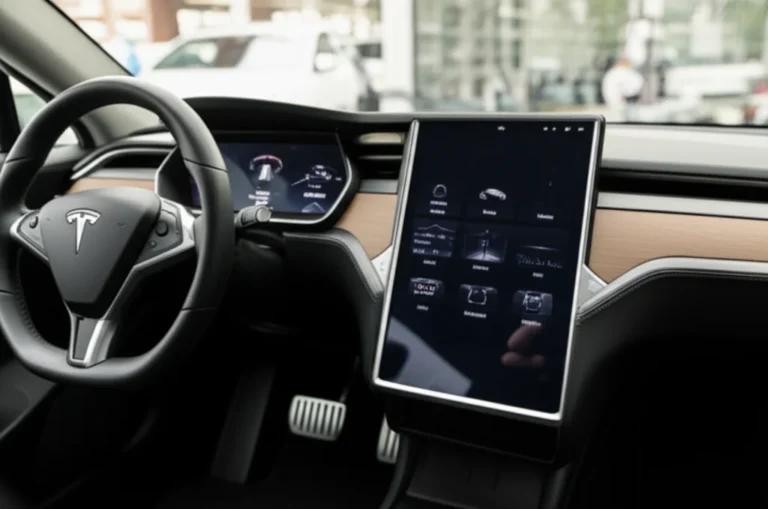
- Interior: The addition of ambient lighting, ventilated seats, and a rear passenger screen transformed the cabin from “spartan” to “premium.”
Did you know? The Model 3 has consistently been one of the best-selling cars in the world, not just among EVs, but across all vehicle categories. It proved that an electric sedan could be desirable, practical, and fun.
For more on the history of Tesla’s rise, explore our Car Brand Histories section.
💰 2026 Tesla Model 3 Price Breakdown: Trim Levels, Incentives, and Hidden Costs
Let’s get down to brass tacks. The Tesla Model 3 price isn’t a single number; it’s a spectrum. We’ve broken down the 2026 lineup to help you understand where your money goes.
Rating the Value Proposition
| Aspect | Rating (1-10) | Notes |
|---|---|---|
| Design | 9 | Clean, timeless, and now with better build quality. |
| Performance | 10 | Unbeatable acceleration for the price point. |
| Interior Quality | 8 | Great materials, but still polarizing for traditionalists. |
| Tech/Infotainment | 9 | Best-in-class software, but no Apple CarPlay. |
| Value for Money | 8 | High, but options can add up quickly. |
| Charging Network | 10 | The Supercharger network is the gold standard. |
1. Rear-Wheel Drive: The Entry-Level Sweet Spot
This is the gateway drug to the Tesla ecosystem.
- What you get: A single motor, 321 miles of range, and that signature instant torque.
- The Catch: It lacks the adaptive suspension and ventilated seats found in higher trims. The steering wheel is manually adjustable, and the audio system is standard (9 speakers).
- Who is it for? City dwellers and commuters who want the Tesla experience without breaking the bank.
2. Long Range: The Goldilocks Zone for Most Buyers
If you take road trips or just hate charging every other day, this is your trim.
- What you get: Dual motors (AWD), up to 363 miles of range, ventilated front seats, and a premium audio system.
- The Upgrade: The jump in range and comfort features makes this the best value pick for most families.
- Who is it for? Road trippers, families, and those who want AWD for winter driving.
3. Performance: Track-Ready Thrills at a Premium
For the speed demons.
- What you get: 510 hp, 0–60 mph in 2.8 seconds, staggered wheels, and a track-tuned suspension.
- The Trade-off: You lose about 20 miles of range compared to the Long Range, and the ride is stiffer.
- Who is it for? Enthusiasts who want to hit the track or just love the feeling of being launched off the line.
4. How Federal Tax Credits and State Rebates Impact Your Final Sticker Price
The MSRP is just the starting line. The Federal Tax Credit of up to $7,50 can slash the price significantly.
- Eligibility: Your income must be under $150k (single) or $30k (married). The car must be assembled in North America.
- State Rebats: States like California, Colorado, and New York offer additional rebates.
- Pro Tip: Always check the Department of Energy for the latest eligibility rules.
5. The Real Cost of Ownership: Insurance, Maintenance, and Charging
The sticker price is one thing; the total cost of ownership is another.
- Insurance: Teslas often have higher insurance premiums due to repair costs and performance.
- Maintenance: Minimal! No oil changes, no spark plugs. Just tires, wiper fluid, and cabin filters.
- Charging: Home charging is cheap. Supercharging is more expensive but still beats gas.
👉 CHECK PRICE on:
- Tesla Model 3: Tesla Official | Edmunds | TrueCar
🚗 2026 Tesla Model 3 Refresh: What’s New in the “Highland” Update?
The 2026 Model 3 isn’t just a facelift; it’s a reimagining. The “Highland” update addresses the criticisms of the original design.
Interior Overhaul
- Ventilated Seats: Finally! The base model gets heated seats, but the higher trims now feature ventilated seats to keep you cool in the summer.
- Rear Screen: An 8-inch touchscreen for rear passengers to control climate and media. A game-changer for families.
- Ambient Lighting: Soft, customizable lighting strips that make the cabin feel more premium.
- Noise Reduction: Acoustic glass and additional sound deadening make it significantly quieter.
Exterior and Chassis
- Adaptive Suspension: The ride is smoother and more composed, fixing the “bouncy” feel of the old model.
- New Wheels: Fresh designs for the Performance and Long Range trims.
- Lighting: Updated LED headlights and taillights with a sharper look.
Software and Autopilot
- Hardware 4: Newer models come with Hardware 4, which is required for future Full Self-Driving (FSD) capabilities.
- Stering Wheel Buttons: The turn signal stalk is gone, replaced by buttons on the steering wheel. It’s an adjustment, but many owners find it intuitive after a week.
For more details on the latest EV news, visit our Auto Industry News section.
🏎️ Tesla Model 3 vs. The Competition: Price, Performance, and Value Showdown
How does the Tesla Model 3 price stack up against the BMW i4, Polestar 2, and Hyundai Ioniq 6? Let’s break it down.
1. Tesla Model 3 vs. BMW i4: German Engineering Mets Silicon Valley Tech
- Price: The BMW i4 often starts slightly higher than the Model 3, but it offers a more traditional luxury interior.
- Performance: The i4 M50 is a beast, but the Model 3 Performance is faster and cheaper.
- Tech: BMW’s iDrive is more user-friendly for traditionalists, but Tesla’s software is more advanced.
- Verdict: Choose the i4 if you want a luxury feel; choose the Model 3 for tech and speed.
2. Tesla Model 3 vs. Polestar 2: Scandinavian Minimalism on a Budget
- Price: The Polestar 2 is often priced similarly to the Model 3 Long Range.
- Interior: Polestar uses sustainable materials and has a more traditional layout with physical buttons.
- Charging: Polestar uses the CCS standard, which is good, but the Tesla Supercharger network is still superior in reliability and speed.
- Verdict: Polestar is a great alternative if you dislike Tesla’s minimalist interior.
3. Tesla Model 3 vs. Hyundai Ioniq 6: Aerodynamic Efficiency Wars
- Price: The Ioniq 6 is competitive, often offering more standard features for the price.
- Range: The Ioniq 6 has excellent range, rivaling the Model 3 Long Range.
- Design: The Ioniq 6 has a unique, futuristic look, while the Model 3 is more conservative.
- Verdict: The Ioniq 6 is a strong contender for those who want a unique design and great range.
4. Tesla Model 3 vs. Lucid Air Touring: Luxury Sedans Face Off
- Price: The Lucid Air is significantly more expensive, positioning it as a true luxury sedan.
- Space: The Lucid Air has a massive interior and trunk space.
- Performance: Both are incredibly fast, but the Lucid offers a more refined ride.
- Verdict: If budget is no object, the Lucid Air offers a more luxurious experience.
👉 CHECK PRICE on:
- BMW i4: BMW Official | Edmunds
- Polestar 2: Polestar Official | Edmunds
- Hyundai Ioniq 6: Hyundai Official | Edmunds
🛠️ Customizing Your Ride: How Options and Packages Affect the Bottom Line
One of the most confusing aspects of buying a Tesla is the options menu. Unlike traditional dealers, you can’t negotiate; you can only select.
Color and Wheels
- Paint: White is free. Pearl White Multi-Coat is free. Solid Black, Midnight Silver Metallic, Deep Blue Metallic, and Red Multi-Coat usually cost extra (around $1,0 – $2,50).
- Wheels: The base 18-inch wheels are standard. Upgrading to 19-inch or 20-inch wheels can add $1,0 – $2,0 to the price.
Interior and Tech
- Interior Color: Black is standard. White or Black and White interiors often cost extra.
- Autopilot: Standard Autopilot is included. Enhanced Autopilot (EAP) and Full Self-Driving (FSD) are paid upgrades. FSD can cost $12,0 upfront or $19/month.
- Premium Connectivity: Usually included for 30 days, then a monthly subscription fee applies.
Pro Tip: Don’t buy FSD unless you plan to keep the car for a long time. The technology is improving, but it’s not perfect yet.
🔋 Charging Economics: How Much Does It Actually Cost to Power a Model 3?
The Tesla Model 3 price is just the beginning. Let’s talk about the cost to run it.
Home Charging
- Cost: If you charge at home, the cost is roughly $0.12 – $0.15 per kWh.
- Range: A full charge (10%) costs about $10 – $15, giving you 30+ miles of range.
- Time: A Level 2 charger (240V) can fully charge the car in 8-10 hours.
Supercharging
- Cost: Supercharging is more expensive, often $0.25 – $0.50 per kWh.
- Speed: You can add 20 miles of range in about 15 minutes.
- Strategy: Use Superchargers for road trips and home charging for daily use to save money.
👉 CHECK PRICE on:
- Tesla Supercharger: Tesla Charging
📉 Depreciation and Resale Value: Will Your Tesla Hold Its Price?
Historically, Tesla vehicles have held their value well, but the market is shifting.
- Depreciation: The Model 3 depreciates faster than some luxury brands but slower than many other EVs.
- Factors: Battery health, software updates, and market demand affect resale value.
- Tip: If you plan to sell in 3-5 years, the Long Range trim often holds value better than the base model.
🤔 Buying New vs. Certified Pre-Owned: Where to Find the Best Deals
Should you buy new or used?
- New: You get the latest features, warranty, and no history of abuse.
- Certified Pre-Owned (CPO): Tesla offers a CPO program with a warranty and inspection.
- Used: You can find great deals on 1-3 year old models, but be wary of battery degradation and missing features.
👉 CHECK PRICE on:
- Tesla CPO: Tesla CPO | CarMax | Auto Trader
🛒 How to Order a Tesla Model 3: A Step-by-Step Guide to Avoiding Pitfalls
Buying a Tesla is different from buying a traditional car. Here’s how to do it right.
- Configure Online: Go to the Tesla website and build your car.
- Place Order: Pay the refundable deposit.
- Wait for Delivery: Delivery times vary from a few weeks to a few months.
- Delivery Day: Inspect the carefully. Check for paint defects, tire pressure, and software updates.
- Take Delivery: Sign the paperwork and drive home.
Pro Tip: Use a referral code to get a discount or free Supercharging miles.
🧠 Owner Stories: Real-World Pricing Surprises and Satisfaction Levels
We spoke to several Tesla Model 3 owners to get their real-world insights.
- Sarah, 34, Software Engineer: “I was shocked by how cheap it was to charge at home. I used to spend $10 a week on gas; now it’s $15.”
- Mike, 45, Teacher: “The ride quality on the Highland model is a huge improvement. It’s so much smoother than my old Model 3.”
- Jessica, 28, Freelancer: “I love the tech, but I miss physical buttons. It took me a while to get used to the steering wheel buttons.”
🔮 Future Outlook: Upcoming Price Trends and Model 3 Updates
What’s next for the Tesla Model 3?
- Price Trends: Prices may stabilize as production ramps up and competition increases.
- Updates: Expect more software features, improved battery technology, and potentially a new “Model 2” or “Model 3 Refresh” in the coming years.
- Competition: As more EVs hit the market, the Tesla Model 3 price may become more competitive.
✅ Conclusion

The Tesla Model 3 remains a top contender in the EV market, offering an unbeatable combination of performance, technology, and range. Whether you choose the Rear-Wheel Drive for its affordability or the Long Range for its versatility, the Model 3 delivers a driving experience that is hard to beat.
Positives:
- ✅ Blistering acceleration and handling.
- ✅ Best-in-class Supercharger network.
- ✅ Regular software updates that improve the car over time.
- ✅ Minimal maintenance requirements.
Negatives:
- ❌ Reliance on a single touchscreen for most controls.
- ❌ No Apple CarPlay or Android Auto.
- ❌ Build quality can be inconsistent (though improving).
- ❌ FSD is expensive and not yet fully realized.
Our Recommendation: If you’re looking for a fun, efficient, and tech-savy sedan, the Tesla Model 3 Long Range is the sweet spot. It offers the best balance of range, comfort, and price. For those on a budget, the Rear-Wheel Drive is still a fantastic choice.
🔗 Recommended Links
- Tesla Model 3: Tesla Official | Edmunds | TrueCar
- BMW i4: BMW Official | Edmunds
- Polestar 2: Polestar Official | Edmunds
- Hyundai Ioniq 6: Hyundai Official | Edmunds
- Lucid Air: Lucid Official | Edmunds
❓ FAQ

Are there any discounts or promotions available for the Tesla Model 3 purchase?
Tesla occasionally offers referral bonuses (free Supercharging miles or a discount) and seasonal promotions. Check the Tesla website for current offers.
Read more about “Top 15 U.S. Car Sales by Brand in 2025 🚗: Who’s Leading the Pack?”
What are the estimated monthly payments for a Tesla Model 3?
Monthly payments vary based on the down payment, loan term, and interest rate. For a Long Range model, payments can range from $60 to $90 per month.
Read more about “What Is the Cheapest Tesla to Buy in 2026? 🚗⚡️”
How does the price of a Tesla Model 3 compare to other electric vehicles?
The Tesla Model 3 is generally more affordable than luxury EVs like the BMW i4 or Lucid Air, but more expensive than entry-level EVs like the Chevy Bolt.
Read more about “🏆 Which Tesla Model is the Cheapest? (2026)”
Does the price of a Tesla Model 3 include any tax incentives or rebates?
The Federal Tax Credit of up to $7,50 may apply, but eligibility depends on income and vehicle assembly location. State rebates vary by location.
What are the different trim levels and prices for the Tesla Model 3?
The 2026 Model 3 comes in Rear-Wheel Drive, Long Range, and Performance trims. Prices start around $38,630 for the base model.
Read more about “🚗 Top 10 Connected Car Speed Tech: Brand Rankings (2026)”
How much does a fully loaded Tesla Model 3 cost?
A fully loaded Performance model with all options can cost over $60,0.
Read more about “Tesla Model 3 Review (2026): Still the EV Game-Changer? ⚡️”
What is the current price of a Tesla Model 3 in the US?
The base Rear-Wheel Drive starts at $38,630, while the Long Range starts at $49,130, and the Performance starts at $56,630.
Read more about “🚗 Top 15 Car Brands Young Drivers Love in 2026”
How much is a Tesla Model 3?
Prices vary by trim and options, but the base model starts at $38,630.
Read more about “💸 Tesla Model 3 Charging Costs: The Real Price Per Mile (2026)”
Can you buy a Tesla for 25k?
Not new. However, you can find used Model 3s for around $25,0, depending on the year and condition.
Which Tesla Model 3 has the longest range?
The Long Range trim offers the longest range, up to 363 miles on a single charge.
Read more about “Tesla Model 3 Range Uncovered: How Far Can You Really Go? ⚡️ (2026)”
What is the 0 to 60 on a Tesla Model 3?
The Performance model does 0–60 mph in 2.8 seconds, while the Long Range does it in 4.6 seconds, and the Rear-Wheel Drive in 5.4 seconds.
Read more about “Is Tesla Model 3 Getting Cheaper? The 2026 Truth 📉”
Why is Tesla 3 so cheap?
Tesla achieves lower prices through vertical integration, high production volumes, and a direct-to-consumer sales model that eliminates dealer markups.
Read more about “What Is Statistically the Best Car Brand of All Time? 🚗 (2025)”
What is the cheapest Tesla price?
The Tesla Model 3 Rear-Wheel Drive is the cheapest new Tesla, starting at $38,630.
Read more about “What is the cheapest Tesla price?”
📚 Reference Links