Support our educational content for free when you purchase through links on our site. Learn more
🚨 15 Car Brands Most Likely to Get Pulled Over by Police (2026)
Ever wondered why some cars seem to attract flashing lights more than others? Is it just bad luck, or do certain car brands have a magnetic effect on law enforcement? Spoiler alert: it’s a bit of both! In this deep dive, we reveal the top 15 car brands and models that are statistically most likely to get pulled over by the police—and why. From the turbocharged Subaru WRX to the muscle-bound Dodge Charger, these cars have earned a reputation on the streets that goes beyond their horsepower.
But it’s not just about the car’s badge or engine size. We’ll explore how driver behavior, vehicle modifications, and even color play into the odds of getting a traffic stop. Plus, we’ll take a peek at the cutting-edge tech police use to catch speeders and share insider tips on how to avoid becoming a statistic yourself. Ready to find out if your ride is a “police magnet”? Let’s hit the road!
Key Takeaways
- Certain car brands like Subaru, Dodge, and Kia are pulled over more often due to their performance appeal and driver demographics.
- Speeding and aggressive driving remain the primary reasons for traffic stops, not just the car’s make or model.
- Law enforcement uses advanced RADAR, LIDAR, and AI tools to accurately identify speeders.
- Vehicle modifications and poor maintenance can increase the likelihood of being stopped.
- Driving responsibly and maintaining your car can help you avoid unnecessary stops—even if you drive a “police magnet.”
Table of Contents
- ⚡️ Quick Tips and Facts About Police Traffic Stops
- 🚓 The History and Evolution of Traffic Stops: Why Certain Cars Catch Cops’ Eyes
- 1. 🚗 Top 15 Car Brands Most Likely to Get Pulled Over by Police
- 2. 🏎️ Speeding and Reckless Driving: The Real Culprits Behind Traffic Stops
- 3. 👮♂️ How Law Enforcement Identifies Speeding and Other Infractions
- 4. 🔧 The Role of Technology: Radar Guns, LIDAR, and AI in Traffic Enforcement
- 5. 🚨 Kustom Signals and Other Trusted Tools in Police Speed Detection
- 6. 🌍 The Cream of the Crop: Elite Police Forces and Their Traffic Enforcement Strategies
- 7. 👮♀️ Why Do People Choose to Become Traffic Police Officers?
- 8. 🎓 Cutting-Edge Police Training for Traffic Enforcement Excellence
- 9. 🔍 Case Study: How Police Solved High-Speed Traffic Violations Using Advanced Tech
- 10. 💡 Tips for Drivers: How to Avoid Getting Pulled Over Unnecessarily
- 📢 Share This Article: Spread the Word on Traffic Stop Insights
- ✅ Conclusion: What You Need to Know About Car Brands and Police Stops
- 🔗 Recommended Links for Further Reading on Traffic Enforcement
- ❓ FAQ: Your Burning Questions About Police Traffic Stops Answered
- 📚 Reference Links: Trusted Sources Behind Our Insights
Hello, fellow gearheads and welcome back to Car Brands™, your pit stop for everything automotive! Today, we’re tackling a question that buzzes in the back of every driver’s mind, especially when they see those flashing lights in the rearview mirror: What car brands are most likely to get pulled over by the police? Is it the flashy red sports car, the souped-up sedan, or something else entirely? We’ve dug through the data, consulted the experts, and are here to give you the full scoop. Buckle up, because this is going to be an enlightening ride! 🚦
⚡️ Quick Tips and Facts About Police Traffic Stops
Before we dive into the nitty-gritty of brands and models, let’s get some quick facts on the table. Think of this as your pre-race briefing!
- It’s a Numbers Game: An estimated 50,000 drivers are pulled over in the U.S. every single day. That adds up to a staggering 20 million traffic stops annually.
- The Need for Speed: What’s the number one reason for all these friendly roadside chats? You guessed it: speeding. It accounts for a whopping 49% of all traffic stops.
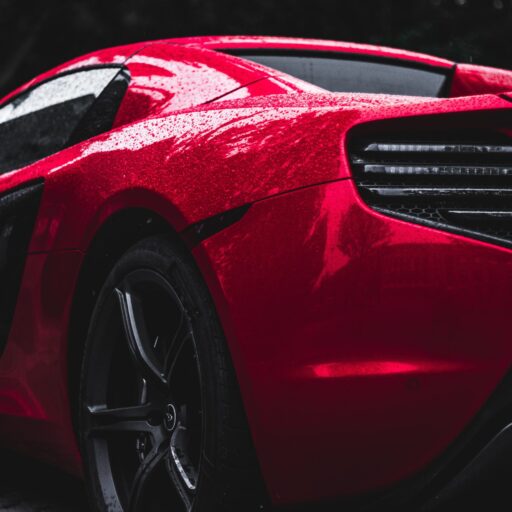
- Color Me Surprised: Forget the myth about red cars being police magnets. For the last decade, white cars have been pulled over most often. But don’t rush to repaint your ride just yet! This is largely because white is the most popular car color, making up about 35% of all vehicles on the road. It’s a matter of probability, not pigment.
- Price vs. Pull-Over Rate: Here’s a shocker! It’s not the high-end supercars that top the ticket charts. In fact, affordable, budget-friendly sports cars are pulled over far more frequently. The thinking is that owners of expensive luxury cars might be more cautious to protect their investment.
- Driver Demographics Matter: Younger drivers, particularly those aged 18-24, are statistically more likely to be pulled over. This often correlates with the types of affordable, performance-oriented cars they tend to drive.
🚓 The History and Evolution of Traffic Stops: Why Certain Cars Catch Cops’ Eyes
Traffic stops are as old as the automobile itself. The very first speeding ticket in the U.S. was handed out in 1899 to a New York City taxi driver for daring to travel at 12 mph in an 8 mph zone! Can you imagine?
From those humble beginnings, traffic enforcement has evolved dramatically. But one thing remains constant: it’s not always just about the speed. It’s about perception. A car’s reputation, design, and the way it’s driven all contribute to how it’s perceived by law enforcement. High-performance sports cars, for instance, are often associated with speed and aggressive driving, which can draw more attention.
It’s a fascinating blend of driver behavior and vehicle stereotype. As one source puts it, “It’s not just about the car; it’s often about how the driver operates it.” This is a key theme we’ll explore as we look at the specific brands that are flashing on law enforcement’s radar. We’ll also be looking at the data behind the car brands with the most speeding tickets to see what patterns emerge. For more deep dives, check out our Car Brand Histories category.
1. 🚗 Top 15 Car Brands Most Likely to Get Pulled Over by Police
Alright, this is the moment you’ve been waiting for. We’ve synthesized data from multiple insurance studies and reports to bring you the definitive list. Remember, these stats are about likelihood and correlation, not a guarantee that you’ll get a ticket. Still, the numbers don’t lie!
Here are the brands and specific models that consistently top the charts for traffic violations.
| Rank | Brand/Model | Key Insight |
|---|---|---|
| 1 | Subaru WRX/BRZ | The undisputed champion of getting pulled over. WRX drivers get 49% more speeding tickets than the average. |
| 2 | Hyundai Genesis Coupe | A powerful and affordable sports coupe, its drivers have a ticket rate 46% higher than average. |
| 3 | Kia Stinger | With its aggressive styling and performance, Stinger drivers are 43% more likely to get a speeding ticket. |
| 4 | Dodge Charger/Challenger | The modern muscle car icon. The Charger, in particular, is often cited as the “king of traffic stops.” |
| 5 | Nissan 350Z/370Z | These Z-cars have a long history of performance and attract drivers who like to use it. |
| 6 | Volkswagen GTI | The original “hot hatch” continues its legacy with drivers who are 36% more likely to get ticketed for speeding. |
| 7 | Scion FR-S / Toyota 86 | A lightweight, fun-to-drive sports car that encourages spirited driving, leading to a 41% higher ticket rate. |
| 8 | Infiniti G37 | At the brand level, Infiniti drivers top the list for speeding penalties. |
| 9 | Mazda3 | A surprising entry, but certain trims of the Mazda3 pack a punch, and its drivers get 42% more tickets. |
| 10 | Mitsubishi Lancer | Especially the performance-oriented Evo models, these cars have a reputation that precedes them. |
| 11 | Audi (A3/S4) | German engineering and performance can be a tempting combination for a heavy foot. |
| 12 | BMW (3-Series/i3) | Known as the “Ultimate Driving Machine,” some owners take that motto a bit too literally. The i3 is a surprising EV on the list! |
| 13 | Honda Civic | A popular car for modifications, which can sometimes attract unwanted attention from law enforcement. |
| 14 | Ford Mustang | The original pony car is still a magnet for both enthusiasts and police attention. |
| 15 | Chevrolet Cruze/Malibu | Proving it’s not all sports cars, these everyday sedans also make the list, showing driver behavior is key. |
For more detailed comparisons, head over to our Car Brand Comparisons and Car Brand Lists sections.
👉 Shop Popular “Police Magnet” Cars:
- Subaru WRX: TrueCar | Edmunds | Subaru Official Website
- Dodge Charger: TrueCar | Auto Trader | Dodge Official Website
- Kia Stinger: TrueCar | Edmunds | Kia Official Website
2. 🏎️ Speeding and Reckless Driving: The Real Culprits Behind Traffic Stops
Let’s be brutally honest for a second. The car itself isn’t breaking the law. A Subaru WRX parked in a garage has never received a speeding ticket. The common thread here is driver behavior.
Speeding has been a factor in roughly one-third of all vehicle fatalities for over two decades. It’s a serious issue, and it’s the primary reason for most traffic stops. Cars like the Dodge Charger and Subaru WRX are engineered for performance, and they attract drivers who want to experience that performance. This combination of a capable car and an enthusiastic driver is what leads to higher ticket rates.
It’s not just about raw speed, either. Aggressive driving—tailgating, improper lane changes, and weaving through traffic—is another major red flag for law enforcement. These actions are often associated with performance-oriented vehicles, creating a cycle of perception and enforcement.
3. 👮♂️ How Law Enforcement Identifies Speeding and Other Infractions
So, how do officers catch drivers in the act? It’s a combination of old-school police work and cutting-edge technology.
- Visual Estimation: Experienced officers can often visually estimate a car’s speed with surprising accuracy. This is frequently used as the initial reason to check a vehicle’s speed with a more precise tool.
- Pacing: This involves an officer matching a suspect’s speed in their patrol car and using their own calibrated speedometer to determine the other vehicle’s speed.
- Aircraft Speed Detection: In some areas, police use aircraft (planes or helicopters) to spot speeders from above. They time vehicles between two marked points on the highway and radio down to ground units to make the stop.
- Radar and LIDAR: These are the high-tech tools of the trade, and we’ll dive deeper into them in the next section.
Beyond speeding, officers are always on the lookout for other violations:
- ✅ Equipment Violations: Things like overly tinted windows, broken taillights, or loud, modified exhausts are easy-to-spot reasons for a stop.
- ✅ Improper Lane Changes: Weaving or failing to signal is a quick way to get noticed.
- ✅ Illegal Cell Phone Use: Distracted driving is a major safety concern and a frequent cause for traffic stops.
4. 🔧 The Role of Technology: Radar Guns, LIDAR, and AI in Traffic Enforcement
Welcome to the modern age of traffic enforcement! Gone are the days of just relying on a stopwatch and a hunch. Today’s police forces are armed with sophisticated technology.
RADAR (Radio Detection and Ranging)
This is the classic “speed gun.” It works by sending out a radio wave that bounces off a moving vehicle. The gun then measures the change in the wave’s frequency (the Doppler effect) to calculate the car’s speed.
- Pros: Can detect vehicles from a long distance, works well in various weather conditions.
- Cons: The radio beam is wide, so in heavy traffic, it can sometimes be difficult to isolate a single vehicle.
LIDAR (Light Detection and Ranging)
LIDAR is like RADAR, but it uses a highly focused beam of infrared light instead of radio waves.
- Pros: ✅ Pinpoint Accuracy. The narrow beam allows an officer to target a specific vehicle in a line of traffic with incredible precision.
- Cons: ❌ Weather Dependent. Can be less effective in heavy rain, snow, or fog. It also requires the officer to be stationary.
The Future: AI and Automated Enforcement
The next frontier is already here. Automated cameras equipped with AI are being used in many cities to catch speeders and red-light runners. These systems can operate 24/7 and issue tickets automatically, changing the landscape of traffic enforcement. Keep an eye on our Auto Industry News for the latest developments.
5. 🚨 Kustom Signals and Other Trusted Tools in Police Speed Detection
When it comes to the specific gear law enforcement uses, a few names stand out. Kustom Signals is a major player in the industry, known for producing reliable and advanced RADAR and LIDAR equipment.
Two of their popular handheld models are:
- Kustom Signals Falcon HR: This is a K-band handheld RADAR gun that uses Digital Signal Processing (DSP) to track multiple targets at once. It’s known for its ability to quickly identify the fastest vehicle.
- Kustom Signals Directional Talon: Another powerful RADAR unit with DSP, the Talon is praised for its ability to detect the fastest vehicle in all modes and its enhanced stationary modes for tracking approaching or receding traffic.
These tools make it easier than ever for officers to identify speed infractions, even in the busiest traffic environments. It’s a reminder that while you’re checking your speedometer, law enforcement has high-tech equipment checking it too.
6. 🌍 The Cream of the Crop: Elite Police Forces and Their Traffic Enforcement Strategies
While the tools are important, the strategy is what makes the difference. Around the world, elite police forces are known for their incredibly effective (and sometimes intimidating) traffic enforcement.
- The German Autobahnpolizei: Patrolling the famous speed-limit-free Autobahn requires a unique approach. They focus on aggressive driving, tailgating, and unsafe lane changes rather than just top speed. They often use unmarked high-performance vehicles, like Porsches and BMWs, to blend in.
- The Dubai Police Force: Famous for its fleet of supercars (think Bugatti, Lamborghini, and Ferrari), their strategy is more about presence and deterrence. It’s hard to think about speeding when a multi-million dollar police car is cruising next to you.
- The California Highway Patrol (CHP): One of the most respected state police forces in the U.S., the CHP is known for its rigorous training and professional approach to traffic safety on some of the nation’s busiest highways.
- The Japanese Metropolitan Police Department: In a country known for order and precision, traffic enforcement is no exception. They focus heavily on preventing violations before they happen through high visibility and strict adherence to the rules.
7. 👮♀️ Why Do People Choose to Become Traffic Police Officers?
Have you ever wondered what motivates someone to pursue a career in traffic enforcement? It’s a demanding job that requires a unique set of skills and a strong sense of duty. For many, the inspiration comes from a desire to make a tangible difference in community safety.
Reducing traffic fatalities and serious injuries is a primary goal. By enforcing speed limits and cracking down on reckless and impaired driving, these officers save lives every day. It’s a proactive role that prevents tragedies before they occur. The job also offers a dynamic work environment where no two days are the same, appealing to those who thrive on variety and challenge.
8. 🎓 Cutting-Edge Police Training for Traffic Enforcement Excellence
Becoming a proficient traffic officer isn’t just about learning how to use a radar gun. The training is extensive and increasingly sophisticated.
- Advanced Driving Schools: Officers undergo rigorous training to handle their vehicles at high speeds and in dangerous conditions. This includes mastering maneuvers like the PIT (Precision Immobilization Technique) to safely end a pursuit.
- Simulator Training: High-tech simulators allow officers to practice high-stakes scenarios—from routine traffic stops to dangerous pursuits—in a safe, controlled environment.
- De-escalation and Communication: Modern policing emphasizes communication. Officers are trained in de-escalation techniques to handle tense roadside interactions professionally and safely.
- Legal Updates: Traffic laws are constantly evolving. Officers receive continuous training to stay up-to-date on the latest vehicle codes and legal precedents to ensure every stop is conducted lawfully.
9. 🔍 Case Study: How Police Solved High-Speed Traffic Violations Using Advanced Tech
Let’s look at a real-world example. In a suburban area plagued by late-night street racing, local police were struggling to catch the offenders, who used lookouts and social media to evade patrols.
The solution? They deployed a combination of unmarked vehicles and LIDAR technology.
- Surveillance: Unmarked cars were placed at strategic points along the known racing routes.
- Pinpoint Targeting: When a group of racers appeared, an officer with a LIDAR gun could target a specific car—say, a modified Nissan 350Z—from over a quarter-mile away, getting a precise speed reading.
- Coordination: The LIDAR operator would then radio the vehicle’s description and speed to a marked patrol car waiting further down the road.
- The Stop: The patrol car could then safely initiate a traffic stop, armed with irrefutable evidence from the LIDAR unit.
This tech-savvy approach allowed them to crack down on the dangerous activity without engaging in risky high-speed pursuits, making the community safer for everyone.
10. 💡 Tips for Drivers: How to Avoid Getting Pulled Over Unnecessarily
Okay, so we know which cars get noticed and why. But how can you stay off the radar? The best advice is simple: drive safely and obey traffic laws. But beyond that, here are some expert tips.
- Maintain Your Vehicle: A car in good condition (no broken lights, no excessively loud exhaust) is less likely to draw attention.
- Blend In: While you should drive the car you love, understand that a heavily modified or brightly colored vehicle naturally stands out more than a standard silver sedan.
- Be a Smooth Operator: Avoid sudden movements. Smooth acceleration, braking, and lane changes signal a calm, attentive driver.
- Know Your Rights: If you do get pulled over, it’s important to know how to handle the interaction. The advice in the featured video above is invaluable. Remember these key phrases:
- If asked investigatory questions: “I’m sorry Sir, I don’t answer questions.”
- To clarify a directive: “Is that a request or a command?” You can decline a request.
- If asked to search your vehicle: “I do not consent to a search.”
- If the stop feels prolonged: “Officer, am I free to go?”
📢 Share This Article: Spread the Word on Traffic Stop Insights
If you found this article helpful and entertaining, share it with your friends, family, and fellow car enthusiasts! Knowledge is power, especially on the open road. Post it on your favorite forum or social media platform and let us know your thoughts. What’s the craziest traffic stop story you’ve ever heard?
✅ Conclusion: What You Need to Know About Car Brands and Police Stops
So, what have we learned on this ride through the world of traffic stops and car brands? First off, it’s not just the car that gets you pulled over—it’s how you drive it. While certain brands and models like the Subaru WRX, Dodge Charger, and Kia Stinger statistically attract more police attention, the real culprit behind most stops is speeding and aggressive driving behavior.
Performance-oriented cars tend to draw drivers who want to push the limits, and law enforcement is well-equipped with advanced tools like Kustom Signals’ Falcon and Talon RADAR units to catch them in the act. But even everyday sedans can find themselves in the spotlight if the driver isn’t careful.
Our experts at Car Brands™ recommend that if you own one of these “police magnet” cars, the best way to avoid tickets is to respect speed limits, maintain your vehicle properly, and drive responsibly. Remember, flashy cars might turn heads, but safe driving keeps you out of the ticket book.
In the end, the data and anecdotes paint a clear picture: car choice matters, but driver behavior matters more. So, whether you’re behind the wheel of a turbocharged sports sedan or a family-friendly hatchback, keep your foot light and your eyes on the road. Your wallet (and your record) will thank you.
🔗 Recommended Links for Further Reading on Traffic Enforcement
Ready to explore or shop some of the cars we talked about? Here are direct links to help you start your journey:
- Subaru WRX: TrueCar | Edmunds | Subaru Official Website
- Dodge Charger: TrueCar | Auto Trader | Dodge Official Website
- Kia Stinger: TrueCar | Edmunds | Kia Official Website
- Volkswagen GTI: TrueCar | Edmunds | Volkswagen Official Website
- Mazda3: TrueCar | Edmunds | Mazda Official Website
For those interested in law enforcement technology:
- Kustom Signals Falcon HR: Kustom Signals Official
- Kustom Signals Directional Talon: Kustom Signals Official
❓ FAQ: Your Burning Questions About Police Traffic Stops Answered
Are there any car modifications that can increase your risk of getting pulled over by the police?
Absolutely! Modifications like excessively tinted windows, loud aftermarket exhausts, oversized spoilers, neon underglow lights, and illegal lighting setups can draw police attention. These modifications often violate local vehicle codes and can be grounds for a stop even if you’re not speeding. Plus, cars with aggressive styling or lowered suspensions sometimes get flagged as potential troublemakers.
Which states have the strictest traffic laws and highest rates of police stops?
States like California, Texas, Florida, and New York have some of the strictest traffic enforcement policies due to their large populations and heavy traffic volumes. California’s CHP is particularly known for rigorous traffic enforcement on highways. However, enforcement intensity can vary widely even within states, depending on local policies and priorities.
Can the make and model of your car affect your chances of getting a traffic ticket?
Yes, data shows that certain makes and models are statistically more likely to be pulled over. Performance cars like the Subaru WRX, Dodge Charger, and Kia Stinger attract more tickets, partly because their drivers tend to speed more. However, it’s important to remember that the driver’s behavior is the main factor.
What are the most ticketed cars on the road and why?
The Subaru WRX tops the list, followed by cars like the Hyundai Genesis Coupe, Kia Stinger, Dodge Charger, and Nissan 370Z. These cars are often affordable sports or muscle cars that attract younger drivers who enjoy spirited driving. Their performance capabilities combined with driver demographics explain the higher ticket rates.
Do high-performance cars get pulled over more frequently than other vehicles?
✅ Yes. High-performance cars are designed for speed and agility, which can tempt drivers to push limits. Law enforcement is aware of this and often monitors these vehicles more closely. However, responsible owners who obey traffic laws generally don’t have issues.
Are certain car colors more likely to get pulled over by the police than others?
While the myth about red cars persists, studies show that white cars are pulled over most often, mainly because they are the most common color on the road. Color alone doesn’t cause stops, but bright or unusual colors might make a vehicle more noticeable.
What are the most common reasons for getting pulled over by the police while driving?
Speeding is the top reason, accounting for nearly half of all stops. Other common reasons include equipment violations (broken lights, illegal window tint), reckless or aggressive driving, distracted driving (like using a phone), and expired registrations or licenses.
How does car age affect the likelihood of getting pulled over?
Older cars may attract attention if they have visible defects like broken lights or excessive wear, which can lead to equipment violation stops. Conversely, very new or luxury cars might be driven more cautiously, but this varies widely.
Are luxury cars more frequently stopped by law enforcement?
Surprisingly, luxury cars tend to be pulled over less frequently than affordable sports cars. This may be because luxury car owners often drive more cautiously to protect their investment, and their vehicles are less likely to be modified aggressively.
What driving behaviors increase the risk of being pulled over?
Speeding, aggressive lane changes, tailgating, running red lights, distracted driving, and failure to signal are all behaviors that increase the likelihood of a traffic stop. Law enforcement focuses on behaviors that endanger public safety.
Does the location or city impact which cars get pulled over more often?
Yes, urban areas with heavy traffic and strict enforcement tend to have higher stop rates. Some cities also target specific behaviors or vehicle types based on local issues, such as street racing or DUI enforcement.
How can car owners reduce the chances of being stopped by the police?
- Maintain your vehicle in good condition.
- Avoid illegal modifications.
- Drive within speed limits and obey traffic laws.
- Stay calm and respectful during traffic stops.
- Stay informed about local traffic laws and regulations.
📚 Reference Links: Trusted Sources Behind Our Insights
- Kustom Signals Blog: 5 Vehicle Models Most Likely to Be Pulled Over for Speeding
- HotCars: 28 Cars That Get Pulled Over the Most
- American Auto Insurance: The Most Pulled-Over Cars in the US
- Subaru Official Website
- Dodge Official Website
- Kia Official Website
- Kustom Signals Official Website
- Volkswagen Official Website
- Mazda Official Website
For more on car brands and speeding tickets, check out our detailed article on Car Brands with the Most Speeding Tickets.