Support our educational content for free when you purchase through links on our site. Learn more
🏆 The Most Recognized Car Brand Revealed: Top 10 List (2026)

If you asked a stranger on the street to name a car brand, Toyota is the most likely answer, standing as the undisputed global leader in recognition. We tackled the burning question of what is the most recognized car brand by analyzing decades of sales data, cultural impact, and brand equity to bring you this definitive ranking.
It’s not just about selling the most units; it’s about the badge that triggers an instant emotional response whether you’re in Tokyo, Toronto, or Timbuktu. Imagine driving through a foreign country where you don’t speak the language, yet you spot a familiar blue oval or three-pointed star and instantly feel a sense of connection.
That universal language of the road is what separates the true titans from the rest of the pack. From the rugged reliability of Japanese giants to the electric disruption of American innovators, we’ve broken down the hierarchy that defines our automotive world.
Key Takeaways
- Toyota holds the crown as the most recognized car brand globally due to its unmatched ubiquity and reputation for reliability.
- Legacy giants like Ford and Volkswagen maintain massive recognition through decades of cultural dominance and iconic models.
- Tesla has rapidly ascended top-tier status, redefining recognition through electric innovation and polarizing brand loyalty.
- Regional variations exist, with American brands dominating the US and European luxury marques leading in their home markets.
- Logo psychology and consistent quality are the primary drivers that turn a manufacturer into a household name.
Table of Contents
- ⚡️ Quick Tips and Facts
- 🏁 The Evolution of Automotive Fame: A Brief History of Brand Recognition
- 🏆 The Titans of the Road: Top 10 Most Recognized Car Brands Globally
- 1. Toyota: The Unstoppable Reliability Giant
- 2. Ford: The American Icon That Built a Nation
- 3. Volkswagen: The People’s Car That Conquered the World
- 4. Mercedes-Benz: The Standard for Luxury and Engineering
- 5. BMW: The Ultimate Driving Machine’s Global Appeal
- 6. Honda: The Japanese Master of Efficiency and Innovation
- 7. Chevrolet: The Heartbeat of America’s Streets
- 8. Ferrari: The Red Stallion of Speed and Prestige
- 9. Tesla: The Electric Disruptor Redefining Recognition
- 10. Porsche: The Sports Car Benchmark for Enthusiasts
- 🧠 Decoding Brand Equity: What Makes a Car Logo Stick in Your Brain?
- 🌍 Regional Rivalries: How Car Brand Popularity Shifts Across Continents
- 📊 Measuring the Unmeasurable: Methodologies Behind Brand Recognition Surveys
- 🚗 Beyond the Badge: How Vehicle Quality Impacts Long-Term Brand Loyalty
- 💡 The Future of Fame: Will Electric and Autonomous Vehicles Reshape the Hierarchy?
- 🏁 Conclusion
- 🔗 Recommended Links
- ❓ FAQ
- 📚 Reference Links
⚡️ Quick Tips and Facts
Before we dive into the engine room of automotive fame, let’s hit the fast lane with some essential nugets of wisdom. If you’re in a rush, here’s the lowdown on what makes a car brand stick in your brain:
- Global Reach is King: The most recognized brands aren’t just popular in one country; they are household names from Tokyo to Toronto.
- Logo Loyalty: A simple badge can trigger decades of emotional connection. Think of the three-pointed star or the prancing horse.
- Reliability vs. Hype: While Tesla screams innovation, Toyota whispers dependability. Both are recognized, but for very different reasons.
- The “Hertz” Effect: Did you know rental fleets play a massive role in brand recognition? As noted industry reports, companies like Hertz leverage their massive global footprint to keep brands visible, earning titles like “Best Car Rental Company in the World” due to their sheer ubiquity and service quality.
- Conglomerate Power: Many “independent” brands are actually siblings under a massive corporate umbrella. Volkswagen Group owns Porsche, Audi, and Lamborghini, while Stellantis holds the keys to Jeep, Dodge, and Maserati.
For a deeper dive into the numbers behind these giants, check out our comprehensive breakdown of car brand statistics.
🏁 The Evolution of Automotive Fame: A Brief History of Brand Recognition

How did we get here? The story of car brand recognition is a rollercoaster of innovation, war, and cultural shifts. It didn’t start with sleek EVs; it started with the horseless carriage.
In the early 190s, recognition was local. If you lived in Detroit, you knew Ford. If you were in Stuttgart, you knew Mercedes. But as the 20th century rolled on, globalization changed the game. The post-WII era saw American muscle and European luxury battling for supremacy, while the 1970s oil crisis introduced the world to the Japanese efficiency of Toyota and Honda.
We’ve seen brands rise on the back of a single iconic model (the Volkswagen Beetle) and others fall due to scandal (the VW emissions saga). Today, recognition is a mix of heritage, technology, and marketing muscle. It’s a constant battle between tradition and disruption.
Want to trace the lineage of your favorite marque? Explore our Car Brand Histories to see how the legends were forged.
🏆 The Titans of the Road: Top 10 Most Recognized Car Brands Globally
So, who actually sits on the throne? Based on global sales, brand value, and that “I know that logo” factor, here are the Top 10 Most Recognized Car Brands. We’ve ranked them not just by sales, but by the sheer weight of their presence in our collective consciousness.
1. Toyota: The Unstoppable Reliability Giant
You can’t talk about recognition without Toyota. They are the definition of “it just works.” From the rugged Hilux that survives apocalypses to the ubiquitous Corolla, Toyota has built a reputation on unshakeable reliability.
- Why they win: They are everywhere. If you drive a car, you’ve likely seen a Toyota.
- The Vibe: Practical, sensible, and incredibly durable.
- The Catch: Sometimes “reliable” is code for “boring” to enthusiasts, but they are fixing that with the GR lineup.
2. Ford: The American Icon That Built a Nation
Ford isn’t just a car company; it’s an American institution. The Model T put the world on wheels, and the F-Series has been the best-selling truck in the US for decades.
- Why they win: Cultural dominance. The Mustang is a global symbol of freedom.
- The Vibe: Rugged, patriotic, and muscular.
- The Catch: Quality control can be a bit of a rollercoaster compared to their Japanese rivals.
3. Volkswagen: The People’s Car That Conquered the World
Volkswagen literally means “People’s Car.” From the original Beetle to the modern Golf, VW has mastered the art of the mass-market hatchback.
- Why they win: They balance European style with global accessibility.
- The Vibe: Sophisticated yet accessible.
- The Catch: The emissions scandal shook trust, though they are aggressively pivoting to EVs with the ID.4.
4. Mercedes-Benz: The Standard for Luxury and Engineering
When you think of luxury, you think of the three-pointed star. Mercedes-Benz invented the modern car and has spent a century refining the art of the premium sedan.
- Why they win: They set the benchmark for safety and comfort.
- The Vibe: Opulent, technological, and authoritative.
- The Catch: Maintenance costs can be eye-watering.
5. BMW: The Ultimate Driving Machine’s Global Appeal
BMW carved out a niche for the driver. Their slogan isn’t just marketing; it’s a promise of handling.
- Why they win: They balance performance with daily usability better than almost anyone.
- The Vibe: Sporty, aggressive, and premium.
- The Catch: The “kidney grille” is now so huge it’s become a polarizing design element.
6. Honda: The Japanese Master of Efficiency and Innovation
Honda is the engineer’s choice. They make engines that sing and cars that last forever. The Civic and Accord are the gold standards of the compact and mid-size segments.
- Why they win: Unbeatable value and engineering prowess.
- The Vibe: Smart, efficient, and fun.
- The Catch: Interior materials often feel a step below German rivals.
7. Chevrolet: The Heartbeat of America’s Streets
Chevy is the backbone of the American road. From the Silverado to the Corvette, they cover the spectrum from workhorse to supercar.
- Why they win: Deep cultural roots and a massive model lineup.
- The Vibe: Bold, versatile, and American.
- The Catch: Brand identity can sometimes feel a bit scattered between economy and performance.
8. Ferrari: The Red Stallion of Speed and Prestige
You don’t need to own a Ferrari to recognize it. The Prancing Horse is the ultimate status symbol.
- Why they win: Exclusivity and raw emotion.
- The Vibe: Passionate, fast, and expensive.
- The Catch: You can’t just walk into a dealership and buy one; you need to be on the list.
9. Tesla: The Electric Disruptor Redefining Recognition
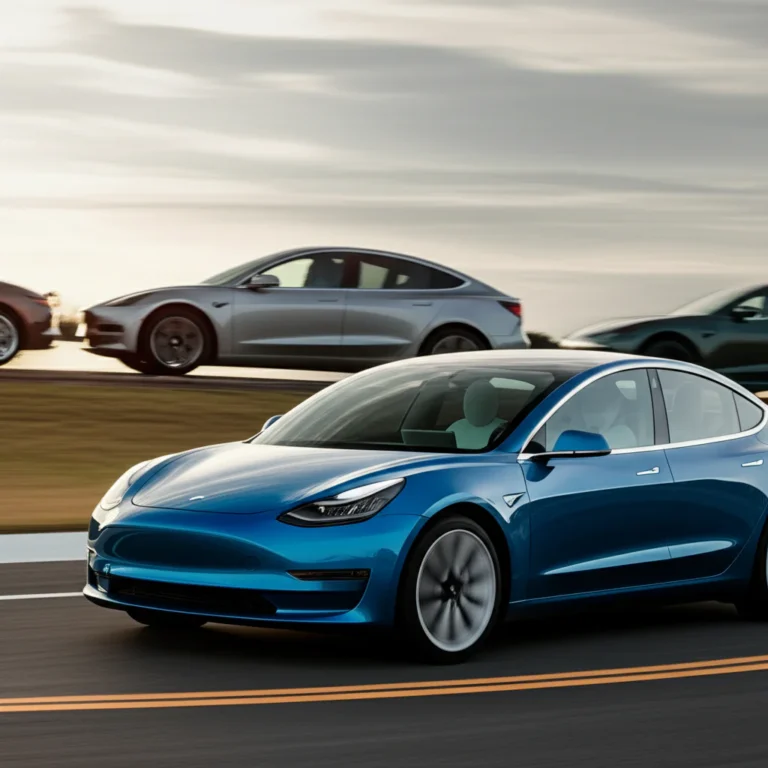
Tesla didn’t just enter the market; they disrupted it. The Model S and Model 3 made EVs cool and desirable.
- Why they win: They are synonymous with the electric future.
- The Vibe: Futuristic, minimalist, and tech-forward.
- The Catch: Build quality and customer service have been points of contention.
10. Porsche: The Sports Car Benchmark for Enthusiasts
Porsche is the only brand that makes a supercar (the 91) that you can drive to work every day.
- Why they win: Perfect engineering balance and timeless design.
- The Vibe: Precision, heritage, and performance.
- The Catch: Options lists are so long they can cost more than the base car.
👉 Shop these brands on:
- Toyota: Toyota Official | Edmunds Toyota
- Ford: Ford Official | TrueCar Ford
- Tesla: Tesla Official | Auto Trader Tesla
🧠 Decoding Brand Equity: What Makes a Car Logo Stick in Your Brain?
Why does a bowtie make you think of Chevrolet, and a blue oval scream Ford? It’s not magic; it’s brand equity.
The Psychology of the Badge
A car logo is a visual shorthand. In a split second, it tells you about the car’s origin, price point, and intended personality.
- Simplicity Wins: The most recognized logos are often the simplest. Think of the BMW roundel or the Honda “H”.
- Color Psychology: Red (Ferrari, Alfa Romeo) signals passion and speed. Blue (Ford, BMW) suggests trust and reliability. Silver/Chrome (Mercedes, Audi) implies luxury and technology.
The “Function vs. Fashion” Grid
As discussed in our analysis of automotive conglomerates, brands often fall on a spectrum.
- Function: Brands like Toyota and Honda prioritize utility and longevity.
- Fashion: Brands like Ferrari and Lamborghini prioritize emotion and exclusivity.
- The Sweet Spot: BMW and Porsche manage to straddle both lines, offering high performance (fashion) with daily drivability (function).
For more on how these groups are structured, check out our Car Brand Comparisons.
🌍 Regional Rivalries: How Car Brand Popularity Shifts Across Continents
Here’s a twist: The “most recognized” brand depends entirely on where you are standing.
- North America: Ford and Chevrolet reign supreme. The truck culture is undeniable.
- Europe: Volkswagen, Mercedes, and BMW dominate the streets. Diesel (historically) and now EVs are the focus.
- Asia: Toyota and Honda are kings, but local giants like Hyundai and BYD are surging.
- China: The market is shifting rapidly toward domestic EV brands like NIO and BYD, challenging the traditional Western giants.
This regional variance is why a brand like Kia might be a “budget” choice in the US but a “premium” contender in South Korea.
📊 Measuring the Unmeasurable: Methodologies Behind Brand Recognition Surveys
How do we know who is #1? It’s not just a guess. Organizations like YouGov and J.D. Power use rigorous methodologies.
- Unaided Awareness: “Name a car brand.” If you say “Toyota,” you count.
- Aided Awareness: “Have you heard of Toyota?” (Yes/No).
- Brand Sentiment: Do you like the brand, or just know it?
- Purchase Intent: Would you actually buy one?
These surveys often reveal a gap between recognition (knowing the name) and affinity (loving the brand). For instance, Tesla has massive recognition but polarized sentiment.
🚗 Beyond the Badge: How Vehicle Quality Impacts Long-Term Brand Loyalty
Recognition gets you in the door; quality keeps you there.
A brand can be famous for all the wrong reasons (like the Ford Pinto or the Chrysler PT Cruiser). Long-term success requires:
- Reliability: Cars that don’t break.
- Resale Value: Brands like Porsche and Toyota hold value incredibly well.
- Customer Service: The post-purchase experience is crucial.
We’ve seen brands like Nissan struggle with CVT transmission issues, which hurt their long-term reputation despite high initial recognition. Conversely, Lexus (Toyota’s luxury arm) has built a fortress of loyalty through consistent quality.
💡 The Future of Fame: Will Electric and Autonomous Vehicles Reshape the Hierarchy?
The automotive landscape is shifting beneath our feet. The ICE (Internal Combustion Engine) era is ending, and the EV era is beginning.
- New Contenders: Tesla is already a top-tier brand, but what about Rivian, Lucid, or BYD?
- Legacy Adaptation: Can Ford and GM maintain their recognition as they transition to electric? The Mustang Mach-E and Silverado EV are their bets.
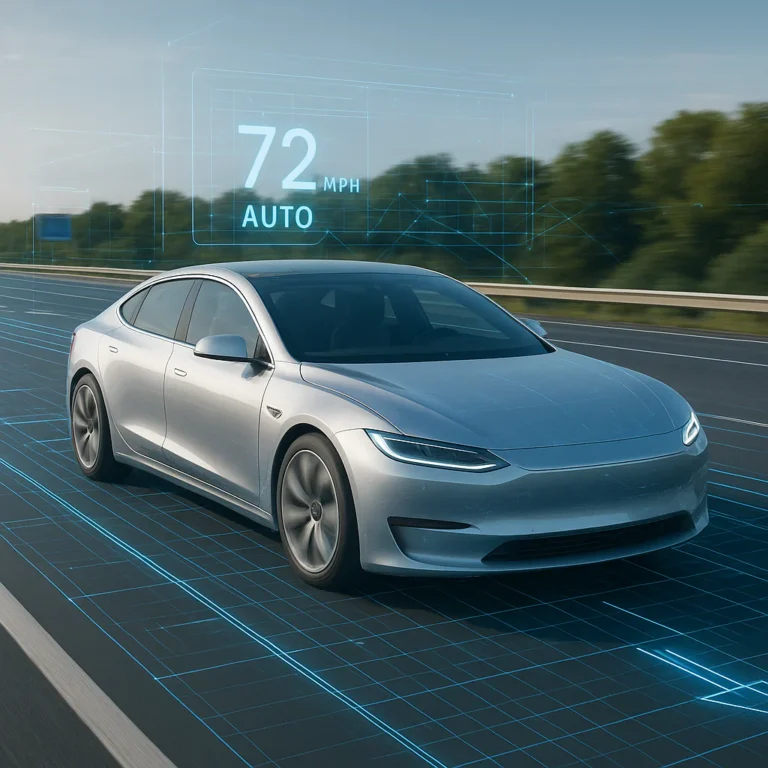
- Tech Giants: Will Apple or Google (Waymo) become the new car brands?
The brands that survive will be those that can blend heritage with innovation. As we saw in the “first video” analysis, the grid is shifting. The “fashion” of the future might be defined by software updates rather than horsepower.
👉 CHECK PRICE on:
- Tesla Model 3: Tesla Official | Edmunds Tesla
- Ford F-150 Lightning: Ford Official | TrueCar Ford
🏁 Conclusion

So, who is the most recognized car brand? If we had to pick one based on a global, historical, and cultural lens, the crown likely goes to Toyota. Their combination of ubiquity, reliability, and a model for every type of driver makes them the safest bet for “most recognized.”
However, if we are talking about cultural impact and desirability, Ferrari or Ford might take the title. And if we are looking at the future, Tesla is the brand everyone is talking about.
The answer isn’t static. It’s a moving target, shifting with every new model, every scandal, and every technological breakthrough. But one thing is certain: the car brand you choose says a lot about who you are.
Our Verdict:
- Best All-Rounder: Toyota
- Best for Enthusiasts: Porsche
- Best for Luxury: Mercedes-Benz
- Best for the Future: Tesla
Whether you’re a fan of the roar of a V8 or the silence of an electric motor, the world of cars is vast and exciting. Keep your eyes on the road, and your badge proud.
🔗 Recommended Links
Ready to take the next step? Here are some great places to explore these brands further:
- 👉 Shop Toyota: Toyota Official Website | Edmunds Toyota Inventory
- 👉 Shop Ford: Ford Official Website | TrueCar Ford Deals
- 👉 Shop Tesla: Tesla Official Website | Auto Trader Tesla
- 👉 Shop BMW: BMW Official Website | Car and Driver BMW Reviews
- 👉 Shop Mercedes-Benz: Mercedes-Benz Official | Edmunds Mercedes
❓ FAQ

What are the most iconic car logos in the automotive industry?
The most iconic logos are often the simplest and most historically significant. The three-pointed star of Mercedes-Benz represents dominance on land, sea, and air. The prancing horse of Ferrari is a symbol of speed and Italian heritage. The blue oval of Ford and the bowtie of Chevrolet are instantly recognizable symbols of American industry.
How has the most recognized car brand evolved over the years?
The evolution has been from mechanical reliability to technological integration. Toyota evolved from a lom manufacturer to a global automotive giant by focusing on the “Toyota Production System” and quality. Ford evolved from the Model T to a diverse lineup including trucks, SUVs, and EVs. Tesla has evolved from a niche sports car maker to a mass-market EV leader, forcing the entire industry to adapt.
Read more about “🏆 Top 50 Most Famous Car Brands in the World (2026)”
Which car brand is known for the best reliability and recognition?
Toyota and Lexus consistently top reliability charts while maintaining massive global recognition. Their reputation for building cars that last for hundreds of thousands of miles is unmatched.
Read more about “16 Iconic 6 Letter Car Brands You Need to Know in 2025 🚗”
What are the top luxury car brands recognized internationally?
Mercedes-Benz, BMW, Audi, Porsche, Ferrari, and Lexus are the titans of international luxury. Rolls-Royce and Bentley represent the ultra-luxury segment.
How do car brands maintain their global recognition?
They maintain recognition through consistent marketing, sponsorships (like F1 for Mercedes and Red Bull Racing for Honda), quality control, and cultural relevance. They also leverage heritage by celebrating their history while innovating for the future.
What makes a car brand the most recognized worldwide?
Ubiquity is key. A brand must be present in as many markets as possible. Toyota and Volkswagen achieve this by offering a wide range of vehicles at various price points. Brand consistency in design and messaging also plays a huge role.
Read more about “🏆 Which Brand of Car Sells the Most? (2026) Top 10 List”
Which car brand has the highest global brand value?
While rankings fluctuate, Toyota and Mercedes-Benz often vie for the top spot in terms of brand value, followed closely by BMW and Tesla. Tesla’s value is heavily tied to its stock price and future potential, while the German and Japanese brands are valued for their steady cash flow and heritage.
Read more about “🏆 Top 10 Car Brands Ranked: Reliability, Value & Performance (2026)”
What are the most popular car brands among luxury car buyers?
Mercedes-Benz and BMW are the most popular entry-level luxury brands. For ultra-luxury, Porsche, Ferrari, and Lamborghini are the top choices. Lexus is a favorite for those prioritizing reliability in the luxury segment.
Read more about “🚗 Brand Loyalty is Dead: 10 Reasons Buyers Are Switching (2026)”
Which car brand has the strongest global presence and distribution network?
Toyota has one of the most extensive distribution networks, with dealerships in almost every country. Volkswagen and Ford also have massive global footprints.
What are the key factors that contribute to a car brand’s success?
Product Quality, Inovation, Marketing, Customer Service, and Adaptability are the pillars of success. Brands that fail to adapt to changing consumer needs (like the shift to EVs) risk losing their recognition.
Read more about “The 15 Most Famous Car Brands Ever! 🏆”
How do car brands measure brand recognition and awareness?
They use surveys (like YouGov), social media listening, search volume data, and sales figures. They track “unaided recall” (naming the brand without prompts) and “aided recall” (recognizing the brand when shown).
What is the best-selling car brand of all time?
Toyota is widely considered the best-selling car brand of all time, with the Corolla being the best-selling individual model in history.
Read more about “🚗 The Ultimate Car Name List: 10+ Legends, Failures & Future Icons (2026)”
What are the top 5 most valuable car brands in the world?
Based on recent brand valuation reports, the top 5 are typically:
- Toyota
- Mercedes-Benz
- BMW
- Tesla
- Volkswagen
Read more about “🏎️ Can Car Games Improve Driving Skills? 7 Sims That Actually Work (2026)”
What is the most recognized car brand in the world?
While it varies by region and metric, Toyota is generally cited as the most recognized car brand globally due to its sheer volume of sales and presence in virtually every market. However, Ford and Mercedes-Benz are close contenders depending on the specific criteria used.
Read more about “🚗 Ultimate A-Z Car Logos & Names: 2026 Guide to 10+ Emblems”
📚 Reference Links
- Toyota Global: Toyota Motor Corporation
- Ford Motor Company: Ford Official
- Volkswagen Group: Volkswagen Group
- Mercedes-Benz: Mercedes-Benz Group
- BMW Group: BMW Group
- Tesla: Tesla Inc.
- Hertz Recognition: Hertz Recognized as Best Car Rental Company in the World
- YouGov Methodology: YouGov About Us
- J.D. Power Reliability Studies: J.D. Power Vehicle Dependability Study