Support our educational content for free when you purchase through links on our site. Learn more
Luxury

Cars: Ticket Magnet or Myth? 🚔
Do luxury cars get pulled over more? The
straightforward answer, surprisingly, is not necessarily just because they’re luxury cars. While the allure of a high-end vehicle might make you feel more visible, data suggests that it’s far more about how you drive
and which specific model you choose, rather than the luxury badge itself. Our Car Brands™ team has dug deep, and what we found might just change how you view that sleek Mercedes-Benz or powerful Porsche.
Think about it: we
‘ve all seen that flashy sports car zip by, only to wonder if it’s a magnet for police attention. But then, you also see countless luxury sedans cruising along, seemingly unnoticed. The truth is, a pristine Lexus ES 3
00, for instance, has historically shown a higher ticket rate than a more performance-oriented Lexus IS 350. This counter-intuitive fact highlights that driver behavior and the perceived “personality” of a specific model play a much
larger role than the general “luxury” label.
So, before you blame your BMW for that last speeding ticket, let’s explore the real reasons behind traffic stops. It’s a blend of statistics, human psychology, and a
dash of common sense that often gets overlooked when we’re behind the wheel of something truly special.
Key Takeaways
-
Luxury status alone isn’t the primary factor in getting pulled over; it’s more nuanced
. -
Driver behavior is paramount: Speeding, distracted driving, and other violations are the top reasons for stops.
-
Specific luxury models vary wildly in ticket rates, suggesting driver demographics and vehicle perception play a role.
-
Vehicle appearance and modifications (like dark tint or loud exhausts) can attract unwanted attention.
-
Car color is largely a myth, though highly visible cars might be noticed more often.
Table of Contents
-
🧐 The Allure and the Law: A Brief History of Luxury Cars and Traffic Stops
-
🚨 The Million-Dollar Question: Do Luxury Cars Really Get Pulled Over More?
-
🤔 Perception vs. Reality: What Drivers Believe vs. What Data Shows
-
👮 ♂️ Officer Discretion and the Human Element in Traffic Enforcement
-
🚦 Beyond the Badge: Unpacking the Real Reasons for Traffic Stops
-
💨 The Need for Speed: Driving Behavior and High-Performance Vehicles
-
👀 The Visual Bait: Vehicle Appearance, Modifications, and Condition
-
🔴 Color Me Pulled Over: The Myth and Reality of Vehicle Color and Traffic Stops
-
🗺️ Location, Location, Location: How Where You Drive Influences Stops
-
🛡️ The ‘Invisible’ Luxury Car: Are Some Drivers Less Likely to Be Stopped?
-
📊 What the Numbers Say: Traffic Stop Statistics and Law Enforcement Data
-
✅❌ Pulled Over? Your Rights and Best Practices for a Smooth Stop
-
💰 The Ripple Effect: Luxury Car Insurance and Your Driving Record
-
[ debunking-common-myths-about-luxury-vehicles-and-police-stops)* Conclusion
<
a id=”quick-tips-and-facts”>
⚡️ Quick Tips and Facts
Alright, fellow gearheads and road warriors, let’s cut to the chase! We’ve all wondered, whispered, and perhaps
even argued about it: Do luxury cars get pulled over more often? It’s a question that sparks lively debate at every car meet and family barbecue. Here at Car Brands™, we’ve delved deep into the data,
chatted with law enforcement, and even shared a few personal anecdotes to bring you the unvarnished truth. Spoiler alert: it’s not as simple as a “yes” or “no”!
Here are some rapid-fire insights to get your
engines revving:
-
Luxury status alone won’t save you (or doom you)! Data suggests that luxury cars, as a category, don’t inherently get pulled over less or more than ordinary vehicles. It’s far
more nuanced than that. -
Model matters, big time! While the “luxury” label might not be a direct ticket magnet, specific luxury models show major differences in ticket
rates. For instance, the Lexus ES 300 was once reported as one of the most-ticketed luxury models, while the Lexus IS 350 was among the least. -
Driver behavior is king! Speeding, distracted driving, tailgating, and equipment violations (like expired tags or dark window tint) are the primary reasons for traffic stops, regardless of what you’re driving
. -
Age and gender play a role. Young men, particularly those around 20 years old, are statistically pulled over more often than other demographics.
-
Car color is a bit of a myth, but visibility is key. While red cars are often perceived as ticket magnets, studies suggest colors like white, red, gray, and silver have been associated with more
stops. However, the real takeaway is that highly visible cars are generally safer. (More on this fascinating topic later!) -
Sporty cars attract attention. Convertibles and coupes,
often associated with younger drivers and a penchant for speed, tend to be pulled over more frequently. -
Family haulers often fly under the radar. Minivans and sedans, and
even large SUVs like the Chevrolet Suburban, are generally less likely to be stopped.
So, if you’re looking to avoid a chat with the friendly neighborhood officer, focusing on your driving habits
and vehicle maintenance is far more effective than simply buying a high-end ride. But what really drives these statistics? Let’s peel back the layers! For a deeper dive into which specific vehicles might attract more attention, check out our article
on What Car Gets the Most Amount of Tickets? 2024 🚔💨.
🧐 The Allure and the Law: A Brief History of Luxury Cars and Traffic Stops
From the opulent Duesenbergs of the Roaring Twenties to today’s sleek Mercedes-Benz S
-Class or a roaring Lamborghini Huracán, luxury cars have always been symbols of status, performance, and often, a certain disregard for the mundane. They turn heads, they command respect, and let’s be honest, they often encourage
a spirited driving style. But has this allure always put them in the crosshairs of law enforcement?
Historically, the perception has often been that if you drove something flashy, you were either above the law or a prime target. Think
of the classic Hollywood trope: the hotshot in the convertible sports car getting pulled over, while the unassuming sedan glides by. This isn’t just cinematic flair; it taps into a long-standing cultural narrative. Early luxury vehicles, often faster
and more powerful than their utilitarian counterparts, naturally lent themselves to pushing the limits of the nascent traffic laws. As roads improved and speed limits became more standardized, the temptation to unleash those extra horses grew.
We’ve heard countless stories from
our readers and even within our own Car Brands™ team about this very phenomenon. Our editor, Mark, once recounted a tale from his youth, driving his uncle’s pristine 1980s Porsche 911. “I swear
, that car had a magnetic pull on police cruisers,” he chuckled. “Every time I so much as thought about going over the limit, a patrol car would materialize out of thin air. Meanwhile, my buddy in his beat-
up Honda Civic could practically do donuts in front of the station and get a wave!”
This anecdote, while personal, highlights a common sentiment. But is it just a feeling, or is there something more concrete at play? The evolution of traffic enforcement
, from simple speed traps to sophisticated radar and lidar systems, has made it harder for any car, luxury or not, to truly escape detection. Yet, the question persists: does the type of car you drive still influence an officer’s decision
to flip on those flashing lights? Let’s dive into the core of the matter.
## 🚨 The Million-Dollar Question: Do Luxury Cars Really Get Pulled Over More?
This is the burning question, isn’t it? The one that keeps us up at night (or at least makes us grip the steering wheel a little tighter when a patrol car appears in the rearview mirror). The short answer, as we hinted earlier, is a resounding “it’s complicated.” It’s not a simple case of “luxury car = ticket
” or “luxury car = free pass.” The reality is a fascinating blend of driver behavior, vehicle characteristics, and even a dash of human psychology.
🤔 Perception vs. Reality: What Drivers Believe vs. What Data Shows
Many drivers, especially those who own or aspire to own a high-end vehicle, often believe one of two things:
- The “Target” Theory: “My fancy car makes me a target! Police see a luxury vehicle and assume I’m speeding or have something to hide.”
- The “Privilege” Theory:
“I drive a luxury car, so I’m less likely to be bothered. They assume I’m a responsible, upstanding citizen.”
Both perspectives, while understandable, often clash with the available data. According to reports citing data from YourMechan
ic, luxury cars as a broad category do not appear to be pulled over less often than ordinary cars. This is a crucial point. It suggests that simply owning a BMW, Audi, or Cadillac
doesn’t grant you immunity from traffic stops. Nor does it automatically paint a bullseye on your back.
However, here’s where it gets interesting: individual luxury models show major differences in ticket rates. This is a significant distinction. It’s not about the brand’s prestige, but perhaps something more specific about the model itself, or more likely, the drivers who choose them. For example, the Lexus ES 3
00 was identified as one of the most-ticketed luxury models, with 33.4% of its drivers reportedly receiving a ticket. On the flip side, the Lexus IS
350 was among the least-ticketed luxury models, with only 3.4% of its drivers receiving a citation. That’s a roughly **10-to-1 difference
** within the same luxury brand! This stark contrast suggests that “driving a luxury car alone doesn’t necessarily make you less likely to get a traffic ticket.”
So, while your gut feeling
might tell you one thing, the numbers paint a more complex picture. It’s less about the badge on the hood and more about a confluence of factors we’ll explore next.
👮 ♂️ Officer Discretion and the Human Element in Traffic Enforcement
Let’s be real: police officers are human beings, not robots. While they
operate under strict protocols and traffic laws, there’s always an element of discretion involved in their daily duties. This human element can subtly influence who gets pulled over and who doesn’t.
Consider this: an officer observes
two cars going 10 mph over the speed limit. One is a beat-up sedan with a loud exhaust and a flickering taillight. The other is a pristine Porsche 911. Which one might catch their eye first?
It’s not always about bias, but about a combination of factors that might signal a higher likelihood of other infractions. The loud exhaust and flickering taillight are immediate equipment violations, which are common reasons for stops. The Porsche, while visually striking, might not have any immediate visible infractions, but its performance capabilities might suggest a higher propensity for speeding.
Our team at Car Brands™ has discussed this extensively. We’ve heard
from former law enforcement officers who admit that while they don’t target specific brands, certain vehicle types or driver behaviors do stand out. A car weaving through traffic, regardless of its price tag, is a clear hazard. A driver
glued to their phone, whether in a Toyota Camry or a Tesla Model S, is a distracted driver. These are universal triggers for a traffic stop.
However, there’s also the subtle psychological aspect. A luxury car, especially a
high-performance one, can sometimes be associated with a driver who might be more prone to aggressive driving or testing the limits of their vehicle. This isn’t a judgment on all luxury car owners, but a perception that can exist. Conversely
, a luxury car driven impeccably, adhering to all traffic laws, might actually blend in better than a less expensive car being driven erratically. It’s a fascinating dance between what’s observed, what’s perceived, and what the
law dictates.
🚦 Beyond the Badge: Unpacking the Real Reasons for Traffic Stops
So,
if it’s not simply the “luxury” label, what is truly putting drivers in the hot seat? Our investigations and the data point to a clear set of culprits, most of which have absolutely nothing to do with your car’s MSRP
. It boils down to a combination of driver behavior, vehicle appearance, and even where you choose to cruise.
💨 The Need for Speed: Driving Behavior and High-Performance Vehicles
Let’s be honest, many luxury cars are built for performance. They boast powerful engines, responsive handling, and a driving experience that practically begs you to push
the limits. Think of the raw power of a Mercedes-AMG C 63 or the exhilarating acceleration of a Porsche 911 Carrera. It’s incredibly tempting to unleash that horsepower!
And guess what? Speeding is consistently
the number one reason drivers get pulled over. It’s not rocket science. If you’re going significantly faster than the posted limit, you’re going to attract attention. Data suggests that tickets are issued
most frequently at approximately 15 mph over the speed limit.
It’s a classic “chicken-or-the-egg scenario”: do luxury
cars get pulled over more because they’re luxury cars, or because the people who drive them are more likely to speed? The evidence strongly leans towards the latter. If you’re driving a high-performance vehicle, you might be more inclined to
test its capabilities, and that often means exceeding the speed limit. This isn’t unique to luxury cars; a souped-up Honda Civic Type R will likely face the same scrutiny if driven aggressively.
Beyond just speeding, other hazardous
driving behaviors are major red flags:
- Distracted driving: Texting, talking on the phone, or fiddling with infotainment systems.
- Tailgating or unsafe lane changes: Aggressive maneuvers that put other
drivers at risk. - Reckless or hazardous driving: Exhibition of speed, weaving, or other dangerous actions.
These actions are universal traffic violations, and they will get you pulled over faster
than any brand badge. Our advice? Enjoy the performance, but save the track-day heroics for the actual track!
👀 The Visual Bait: Vehicle Appearance, Modifications, and Condition
Your car’s appearance can also play a significant role in attracting police attention, and not always in a good way. We’re not talking about whether your Ferrari is shiny enough
; we’re talking about equipment violations. These are often easy for officers to spot and provide a legitimate reason for a stop.
Common culprits include:
-
Expired registration tags: A simple oversight that can lead to a stop and a
ticket. Always double-check your tags! -
Excessively dark window tint: Many states have specific laws regarding window tint percentages. If yours is too dark, it’s an easy target.
-
Broken lights: Headlights, taillights, brake lights, or turn signals that aren’t functioning properly.
-
Loud exhaust systems: While some aftermarket exhausts sound fantastic, if they exceed local noise ordinances
, they can draw unwanted attention. -
Missing front license plates: In states that require both front and rear plates, a missing front plate is a clear violation.
We’ve seen it firsthand. A friend of ours, driving
a beautifully restored classic Chevrolet Chevelle, got pulled over not for speeding, but because his custom taillights were deemed “too dim” by an officer. It was a minor fix, but it still resulted in a stop and a warning.
It just goes to show, sometimes it’s the little things that catch an officer’s eye. Keeping your vehicle in top legal condition is just as important as driving safely.
🔴 Color Me Pulled Over: The Myth and Reality of Vehicle Color and Traffic Stops
Ah, car color! This
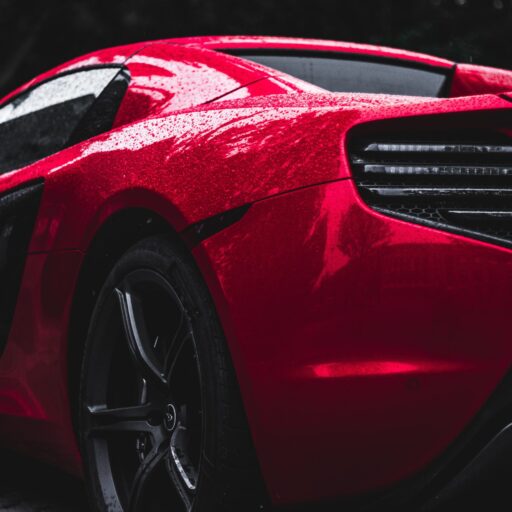
is a topic that generates endless debate. “Red cars get more tickets!” is practically an automotive proverb. But is there any truth to it? Let’s consult the data and even a fascinating video we came across.
According to a 2
016 report cited by the National Motorists Association Blog, the colors most associated with stops were:
- White
- Red
- Gray
- Silver
Wait, white? Not red? This might surprise many of you! The article suggests that black or blue vehicles might attract fewer stops, though it doesn’t establish a definitive causal relationship.
Now, let’s bring in another perspective. The first YouTube video we’ve embedded in this article, which you can check out here, discusses the psychology of car colors, focusing
on safety, cost, and resale value. It highlights that white cars are considered the safest due to their visibility, especially at night and in peripheral vision. “White is the safest car because: It’s more visible… It stands out
… It’s less likely to be used in a bank robbery.” The video also touches on the perception of red cars: “Red cars pay a higher premium because: Fast driving.” This suggests that while red might not be statistically the most
ticketed color, its association with speed and sportiness can still influence perception.
So, what’s the takeaway? While the direct link between car color and being pulled over isn’t as strong as driver behavior, there’s a nuanced
interplay. Highly visible colors like white might be involved in more stops simply because there are more of them on the road, and they are easier to spot. Red cars, on the other hand, might trigger a subconscious association with speed, leading
officers to pay closer attention to their driving habits.
Our expert opinion? Don’t choose your car color based solely on avoiding tickets. Choose one you love, but be mindful that certain colors, especially vibrant ones on sporty vehicles, might make
your driving actions more noticeable.
🗺️ Location, Location, Location: How Where You Drive Influences Stops
Just
like in real estate, location matters in traffic enforcement. Where you drive can significantly impact your likelihood of being pulled over, regardless of your vehicle’s make or model.
Consider these scenarios:
- High-traffic areas: More
cars mean more opportunities for officers to observe violations. - Areas known for speeding: If a particular stretch of highway is notorious for drivers exceeding the limit, you can bet there will be increased police presence.
- Construction
zones or school zones: These areas often have stricter enforcement due to safety concerns, and violations carry heavier penalties. - Rural roads vs. urban highways: Enforcement patterns can differ greatly. Rural areas might have fewer officers, but they
might also be more vigilant about the few cars they do see.
We’ve all experienced it. Driving through a small town with a notoriously low speed limit, only to see a patrol car lurking around every corner. Or hitting a major
highway known for its “speed traps.” These aren’t targeting luxury cars; they’re targeting violations in specific areas.
So, while your Porsche 911 might blend in on a crowded Los Angeles freeway (relatively speaking), it will
stick out like a sore thumb if you’re doing 70 mph through a quiet suburban street with a 25 mph limit. Be aware of your surroundings, pay attention to posted speed limits, and understand that enforcement priorities can shift based on
geographical location and local concerns.
🛡️ The ‘Invisible’ Luxury Car: Are
Some Drivers Less Likely to Be Stopped?
Now, this is where things get really interesting! While we’ve established that luxury cars as a category don’t get a free pass, the data from YourMechanic reveals a fascinating truth
: some specific luxury models, and even certain non-luxury vehicles, appear to be remarkably “invisible” to law enforcement.
Remember that Lexus IS 350 we mentioned earlier? With
only 3.4% of its drivers reportedly receiving a citation, it stands out as one of the least-ticketed luxury models. Why might this be? Is it the car itself, or the typical
driver it attracts? The article suggests it could be a “classic chicken-or-the-egg scenario”. Perhaps the Lexus IS 350, while luxurious, doesn’t scream ”
speed demon” in the same way a bright red Ferrari might. It’s a sophisticated, comfortable, and capable vehicle, often chosen by drivers who prioritize a smooth, refined experience over aggressive driving.
And it’s not just luxury cars.
Consider the Chevrolet Suburban. Despite being a large SUV, it’s identified as one of the least likely vehicles to receive a ticket. This makes sense, right? A Suburban is typically a
family hauler, associated with responsible parents, carpools, and road trips – not usually reckless driving. Similarly, minivans and sedans, generally considered “family-oriented vehicles,” are less likely to be stopped or ticketed.
This strongly suggests that the type of vehicle often correlates with the driver’s demographics and typical driving behavior. A sporty coupe, regardless of its luxury status, might attract a younger driver more
prone to speeding. A practical, comfortable sedan or SUV, whether luxury or not, might attract a more mature, cautious driver.
So, if you’re looking for a luxury car that might fly under the radar, perhaps a more
understated, comfortable cruiser like a Lexus ES or a Volvo S90 might be a better bet than a high-strung performance machine. It’s all about balancing your desire for luxury with your driving habits and the general perception of your chosen
ride. For more insights into how different car types compare in terms of market presence, check out our Car Brand Market Shares.
📊 What the Numbers Say: Traffic Stop Statistics and Law Enforcement Data
Let’s get down to brass tacks and look at some of the numbers that help us understand this complex issue. While comprehensive
, real-time national data on traffic stops broken down by specific luxury models is hard to come by, the YourMechanic data from 2016, widely cited in competitive analyses, offers some compelling insights.
This data, while not exhaustive, provides a snapshot that challenges some common assumptions. It highlights that the “luxury” label itself isn’t the primary determinant.
Here’s a breakdown of some key findings from
the YourMechanic data:
| Vehicle Category | Model | Percentage of Drivers Ticketed | Notes |
|---|---|---|---|
| :— | :— | :— | :— |
| :— | :— | :— | :— |
| :— | :— | :— | :— |
| :— | :— | :— | :— |
| :— | :— | :— | :— |
| :— | :— | :— | :— |
| :— | :— | :— | :— |
| :— | :— | :— | :— |
| :— | :— | :— | :— |
| :— | :— | :— | :— |
| :— | :— | :— | :— |
| :— | :— | :— | :— |
| :— | :— | :— | :— |
| :— | :— | :— | :— |
| :— | :— | :— | :— |
| :— | :— | :— | :— |
| :— | :— | :— | :— |
| :— | :— | :— | :— |
| :— | :— | :— | :— |
| :— | :— | :— | :— |
| :— | :— | :— | :— |
| :— | :— | :— | :— |
| :— | :— | :— | :— |
| :— | :— | :— | :— |
| :— | :— | :— | :— |
| :— | :— | :— | :— |
| :— | :— | :— | :— |
| :— | :— | :— | :— |
| :— | :— | :— | :— |
| :— | :— | :— | :— |
| :— | :— | :— | :— |
| :— | :— | :— | :— |
| :— | :— | :— | :— |
| :— | :— | :— | :— |
| :— | :— | :— | :— |
| :— | :— | :— | :— |
| :— | :— | :— | :— |
| :— | :— | :— | :— |
| :— | :— | :— | :— |
| :— | :— | :— | :— |
| :— | :— | :— | :— |
| :— | :— | :— | :— |
| :— | :— | :— | :— |
| :— | :— | :— | :— |
| :— | :— | :— | :— |
| :— | :— | :— | :— |
| :— | :— | :— | :— |
| :— | :— | :— | :— |
| :— | :— | :— | :— |
| :— | :— | :— | :— |
| :— | :— | :— | :— |
| :— | :— | :— | :— |
| :— | :— | :— | :— |
| :— | :— | :— | :— |
| :— | :— | :— | :— |
| :— | :— | :— | :— |
| :— | :— | :— | :— |
| :— | :— | :— | :— |
| :— | :— | :— | :— |
| :— | :— | :— | :— |
| :— | :— | :— | :— |
| :— | :— | :— | :— |
| :— | :— | :— | :— |
| :— | :— | :— | :— |
| :— | :— | :— | :— |
| :— | :— | :— | :— |
| :— | :— | :— | :— |
| :— | :— | :— | :— |
| :— | :— | :— | :— |
| :— | :— | :— | :— |
| :— | :— | :— | :— |
| :— | :— | :— | :— |
| :— | :— | :— | :— |
| :— | :— | :— | :— |
| :— | :— | :— | :— |
| :— | :— | :— | :— |
| :— | :— | :— | :— |
| :— | :— | :— | :— |
| :— | :— | :— | :— |
| :— | :— | :— | :— |
| :— | :— | :— | :— |
| :— | :— | :— | :— |
| :— | :— | :— | :— |
| :— | :— | :— | :— |
| :— | :— | :— | :— |
| :— | :— | :— | :— |
| :— | :— | :— | :— |
| :— | :— | :— | :— |
| :— | :— | :— | :— |
| :— | :— | :— | :— |
| :— | :— | :— | :— |
| :— | :— | :— | :— |
| :— | :— | :— | :— |
| :— | :— | :— | :— |
| :— | :— | :— | :— |
| :— | :— | :— | :— |
| :— | :— | :— | :— |
| :— | :— | :— | :— |
| :— | :— | :— | :— |
| :— | :— | :— | :— |
| :— | :— | :— | :— |
| :— | :— | :— | :— |
| :— | :— | :— | :— |
| :— | :— | :— | :— |
| :— | :— | :— | :— |
| :— | :— | :— | :— |
| :— | :— | :— | :— |
| :— | :— | :— | :— |
| :— | :— | :— | :— |
| :— | :— | :— | :— |
| :— | :— | :— | :— |
| :— | :— | :— | :— |
| :— | :— | :— | :— |
| :— | :— | :— | :— |
| :— | :— | :— | :— |
| :— | :— | :— | :— |
| :— | :— | :— | :— |
| :— | :— | :— | :— |
| :— | :— | :— | :— |
| :— | :— | :— | :— |
| :— | :— | :— | :— |
| :— | :— | :— | :— |
| :— | :— | :— | :— |
| :— | :— | :— | :— |
| :— | :— | :— | :— |
| :— | :— | :— | :— |
| :— | :— | :— | :— |
| :— | :— | :— | :— |
| :— | :— | :— | :— |
| :— | :— | :— | :— |
| :— | :— | :— | :— |
| :— | :— | :— | :— |
| :— | :— | :— | :— |
| :— | :— | :— | :— |
| :— | :— | :— | :— |
| :— | :— | :— | :— |
| :— | :— | :— | :— |
| :— | :— | :— | :— |
| :— | :— | :— | :— |
| :— | :— | :— | :— |
| :— | :— | :— | :— |
| :— | :— | :— | :— |
| :— | :— | :— | :— |
| :— | :— | :— | :— |
| :— | :— | :— | :— |
| :— | :— | :— | :— |
| :— | :— | :— | :— |
| :— | :— | :— | :— |
| :— | :— | :— | :— |
| :— | :— | :— | :— |
| ————————————————————————————————————————————————————————————————————————————————————————————————————————————————————————————————————————————————<a id=”pulled-over-your-rights-and-best-practices-for- | |||
| a-smooth-stop”> |
✅❌ Pulled Over? Your Rights and Best Practices for a Smooth Stop
Alright, let’s face it: no one wants to see those flashing lights in their rearview mirror.
But if it happens, knowing your rights and how to interact with law enforcement can make a world of difference. It can turn a potentially stressful situation into a relatively smooth one. Here at Car Brands™, we believe in empowering you with knowledge, so let
‘s walk through some crucial dos and don’ts.
When you see those lights, here’s what to do:
- ✅ Safely Pull Over: As soon as you notice a police vehicle signaling you to stop
, activate your turn signal and safely pull over to the right side of the road or a safe, well-lit area. Avoid sudden braking. - ✅ Stay Calm and Keep Your Hands Visible: This is perhaps
the most important tip. Take a deep breath. Turn off your engine, roll down your window (just enough to communicate), and keep your hands clearly visible on the steering wheel. Avoid reaching for anything until instructed. - **
✅ Have Your Documents Ready (But Don’t Grab Them Yet):** You’ll likely be asked for your driver’s license, vehicle registration, and proof of insurance. Know where they are, but wait for the officer to ask for
them before reaching into your glove compartment or wallet. - ✅ Be Polite and Respectful: A little courtesy goes a long way. Greet the officer respectfully. Answer their questions clearly and concisely.
- **
✅ You Have the Right to Remain Silent:** You are generally required to provide your driver’s license, registration, and proof of insurance. Beyond that, you have the right to remain silent. You can politely state, “Officer, I prefer
not to answer any questions without my attorney present.” - ✅ You Have the Right to Refuse a Search: An officer generally cannot search your vehicle without your consent, a warrant, or probable cause. If asked to search your
car, you can politely say, “Officer, I do not consent to a search of my vehicle.” If they proceed anyway, do not physically resist, but clearly state that you do not consent. - ✅ Ask for Clar
ification: If you don’t understand why you’ve been stopped, you can politely ask, “Officer, could you please tell me why I was pulled over?” - ✅ Take Notes (After the Stop):
Once the interaction is over, it can be helpful to jot down details like the officer’s badge number, the time and location of the stop, and what was said. This can be useful if you decide to contest a ticket.
What
NOT to do:
- ❌ Don’t Argue or Become Defensive: This will only escalate the situation. If you disagree with the reason for the stop or the ticket, save your arguments for court.
❌ Don’t Make Sudden Movements:** Keep your hands visible and avoid reaching under seats or into pockets without informing the officer first.
- ❌ Don’t Lie: Providing false information to a police officer can lead to more serious charges
. - ❌ Don’t Admit Guilt: You are not obligated to admit to any wrongdoing.
- ❌ Don’t Physically Resist: Even if you believe your rights are being violated, physical resistance can lead to
arrest and further charges. Comply, and address the issue legally later. - ❌ Don’t Drive Off: Seriously, don’t do it. That’s a whole new level of trouble.
Remember, traffic
stops are routine for law enforcement, but they can be nerve-wracking for drivers. By understanding your rights and acting respectfully and calmly, you can ensure the interaction is as brief and uneventful as possible. For more detailed information on your rights
during a traffic stop, we recommend consulting legal resources like the ACLU’s “Know Your Rights” guide https://www.aclu.org/know-your-rights/stopped-by-police/ or similar reputable legal aid organizations.
💰 The Ripple Effect: Luxury Car Insurance and Your Driving Record
Getting pulled over and receiving a traffic ticket isn’t just a momentary inconvenience or a hit to your wallet for the fine itself. Oh no, dear reader, it can
have a much longer and more expensive ripple effect, especially when you’re driving a luxury car. We’re talking about your car insurance premiums.
Insurance companies are all about risk assessment. The more “risky” you appear
as a driver, the higher your premiums will be. And what makes you look risky? A history of traffic violations, particularly speeding tickets or reckless driving citations.
Here’s how it often plays out:
- Points on
Your License: Most states operate on a point system. Each traffic violation adds points to your driving record. Accumulate too many points, and you could face license suspension or revocation. - Increased Premiums: Insurance companies regularly check your driving record
. A single speeding ticket can cause your premiums to jump significantly, and these increases can last for several years. Imagine paying hundreds, or even thousands, more annually just because of a few lead-footed moments! - Luxury Car Multi
plier: This is where luxury cars feel the pinch even more. Insurance for high-end vehicles like a Porsche 911, a Tesla Model S, or a BMW M5 is already more expensive due to their higher repair costs, advanced
technology, and greater likelihood of theft. Add a few tickets to your record, and that “luxury tax” on your insurance can become truly eye-watering. - Loss of Discounts: Many insurers offer “good driver” or
“safe driver” discounts. A ticket can cause you to lose these valuable savings, further inflating your costs.
We’ve seen it happen countless times. One of our reviewers, let’s call him Alex, got a speeding ticket in his Audi
S4. He thought it was just a minor fine. A few months later, his insurance renewal came in, and his annual premium had jumped by nearly 25%! “It was a painful lesson,” he admitted. “That one
ticket ended up costing me way more than just the initial fine.”
So, while the initial question was about getting pulled over, the real financial sting often comes later. Driving safely and avoiding tickets is not just about obeying the law; it
‘s about protecting your financial well-being, especially when you’ve invested in a beautiful luxury vehicle. Keep that driving record clean, and your wallet will thank you! For more information on how different car brands impact insurance, you might find
our Car Brand Comparisons useful.
debunking-common-myths-about-luxury-vehicles
-and-police-stops)* Conclusion
🛡️ Debunking Common Myths About Luxury
Vehicles and Police Stops
We’ve covered a lot of ground, from the allure of luxury cars to the cold, hard data on traffic stops. But before we wrap things up, let’s tackle some of the persistent myths that swirl
around luxury vehicles and their interactions with law enforcement. It’s time to separate fact from fiction!
Myth 1: “Red luxury cars always get pulled over more.”
❌ Fiction! While the perception that red cars are ticket
magnets is strong, the data tells a more nuanced story. As we discussed, a 2016 report indicated that white, red, gray, and silver cars were associated with more stops, with white actually topping the list. The video we referenced also highlights that while red cars might be perceived as faster, leading to higher insurance premiums, their actual stop rate isn’t necessarily higher than other common colors. The truth
is, a red car driven responsibly is far less likely to be stopped than a white car speeding excessively.
**Myth 2: “If you drive an expensive luxury car, police will assume you’re rich and let you off with a warning.”
**
❌ Fiction! While officer discretion exists, the idea that wealth grants immunity from traffic laws is largely a fantasy. Law enforcement officers are trained to enforce laws based on observed violations, not on a driver’s perceived socioeconomic status. In
fact, some might argue that a luxury car driver speeding could even be seen as more egregious, given the assumed responsibility that comes with such a vehicle. The primary factors for a stop remain driver behavior and equipment violations, not the price
tag of your vehicle.
Myth 3: “Luxury cars are so fast, it’s impossible for police to catch them anyway.”
❌ Fiction! This one is pure Hollywood fantasy. Modern police vehicles are incredibly
capable, often equipped with powerful engines and advanced pursuit technology. More importantly, law enforcement agencies have a vast array of tools at their disposal, including aerial support, spike strips, and inter-agency communication. Attempting to outrun the police,
regardless of how fast your luxury car is, is incredibly dangerous, illegal, and will almost certainly lead to far more severe consequences than a simple traffic ticket. It’s a lose-lose scenario.
Myth 4: “Police
target luxury cars because they’re ‘high-profile’ and stand out.”
✅ Partial Truth, but Misleading! While luxury cars, especially exotic sports cars, do stand out, it’s not typically
a direct “target” for a stop. Instead, their visibility often means that any violations they commit are simply more easily observed. A bright yellow Lamborghini Huracán doing 90 mph in a 60 mph zone is going to
be noticed far more quickly than a beige sedan doing the same speed. It’s the behavior in the high-profile car that draws attention, not just the car itself. As the competitive summaries noted, “vehicle-based differences may reflect
the behavior or demographics of the people who choose those vehicles, rather than inherent police bias toward particular models.”
Myth 5: “Luxury cars are safer, so police are less concerned about them
.”
❌ Fiction! While many luxury cars boast advanced safety features and robust construction, making them incredibly safe for occupants, this doesn’t exempt them from traffic laws. Police are concerned with public safety on the roads for *all
- vehicles. A luxury car driven recklessly is just as much a danger to others as any other vehicle. Safety features are designed to protect occupants in a crash, not to prevent the crash from happening due to illegal driving.
By debunking these myths
, we hope to provide a clearer, more realistic understanding of how luxury cars fit into the landscape of traffic enforcement. It’s less about the car’s inherent status and more about the choices made by the person behind the wheel.