Support our educational content for free when you purchase through links on our site. Learn more
🚔 Do Luxury Cars Get More Speeding Tickets? (2026)


Yes, luxury car brands receive significantly more speeding tickets than non-luxury brands, with owners of high-end vehicles like BMW and Mercedes-Benz dominating the “super speeder” lists. When we ask do luxury car brands receive more speeding tickets than non-luxury brands, the data screams a resounding affirmative, revealing a startling trend where wealth and horsepower often collide with the law.
Imagine cruising down the highway in a brand-new, silent Porsche 91, feeling invincible as the speedometer climbs past 90 mph. You might think your expensive safety features and deep pockets will shield you from a ticket, but recent studies show that drivers of luxury vehicles are actually more likely to get caught speeding by wide margins.
In fact, while luxury cars make up only a fraction of the total vehicles on the road, they account for a disproportionate share of the most severe speeding violations. It turns out that the very engineering that makes these cars thrilling to drive is also what gets their owners pulled over most frequently.
Key Takeaways
- Luxury drivers are overepresented: Owners of premium brands like BMW, Mercedes-Benz, and Audi are statistically more likely to be cited for severe speeding violations compared to economy car drivers.
- The “Super Speeder” phenomenon: A small group of reckless drivers, often in new luxury vehicles, accumulates the vast majority of speeding tickets, racking up fines that often exceed the cost of safety tech.
- Money doesn’t buy immunity: Despite the perception that wealth protects drivers, the data shows that luxury car owners face higher enforcement rates and steeper financial penalties due to their aggressive driving habits.
- Performance breeds temptation: The rapid acceleration and advanced safety features of modern luxury cars can create a false sense of security, leading drivers to test limits they wouldn’t dare approach in a standard sedan.
Table of Contents
- ⚡️ Quick Tips and Facts
- 📜 The High-Speed History: How Luxury Cars Became Speed Demons
- 🚔 The Great Debate: Do Luxury Car Brands Receive More Speeding Tickets Than Non-Luxury Brands?
- 📊 Statistical Breakdown: Traffic Violation Data by Vehicle Make and Model
- 🧠 The Psychology of Speed: Why Wealthy Drivers Might Break the Law
- 🛡️ The “Rich Get Richer” Myth: Does Money Buy You a Free Pass on Speeding?
- 🚗 Top 5 Luxury Brands Most Likely to Get Puled Over
- 🚙 Top 5 Non-Luxury Brands with Surprisingly High Speeding Ticket Rates
- 👮 ♂️ Police Bias and Enforcement: Are Luxury Cars Targeted More Often?
- 💸 The Real Cost of a Speeding Ticket: Insurance Hikes and Points for Luxury vs. Economy Cars
- 🚦 Safety Features vs. Speeding Habits: How Tech Influences Violation Rates
- 🌍 Global Perspectives: Speeding Ticket Trends in Europe, Asia, and the US
- 💡 Quick Tips and Facts: How to Avoid a Ticket in a Fast Car
- 🏁 Conclusion
- 🔗 Recommended Links
- ❓ FAQ
- 📚 Reference Links
⚡️ Quick Tips and Facts
Before we rev up the engines and dive into the data, let’s hit the fast lane with some hard-hitting truths that might just change how you view your next traffic stop.
- The “Super Speeder” Reality: While luxury cars make up only about 25% of the vehicles on the road, they account for a staggering 40% of “super speeders” (drivers with 16+ tickets in a year). That’s a massive overepresentation!
- New Car Syndrome: If you’re driving a brand-new luxury ride, your odds of getting pulled over skyrocket. Super speeders are 72% more likely to behind the wheel of a car less than three years old compared to the average driver.
- The Brand Banter: It’s not just about the price tag; it’s about the badge. BMW and Mercedes-Benz consistently top the lists for the most speeding violations among the most reckless drivers, while Honda remains the most common car for the average NYC driver.
- The Cost of Speed: Here’s a twist you might not expect: Many of these “super speeders” are paying more in fines annually than the cost of installing a speed limiter. They are literally paying to speed.
- The Myth of the “Rich Get Richer”: You might think money buys a free pass, but the data suggests otherwise. These drivers are getting caught more often, not less, likely because they are speeding at much higher rates.
For a deeper dive into the specific makes and models that dominate the ticket lists, check out our exclusive breakdown on car brands with the most speeding tickets.
📜 The High-Speed History: How Luxury Cars Became Speed Demons

To understand why your neighbor in the Porsche 91 is constantly flashing past you, we have to look back at the evolution of the luxury automobile. It wasn’t always about raw speed; it was about comfort, status, and the sheer engineering marvel of the internal combustion engine.
The Birth of the “Grand Tourer”
In the early 20th century, luxury meant silence and smoothness. Cars like the Rolls-Royce Silver Ghost were designed to glide, not race. The goal was to transport the elite in absolute comfort. However, as technology advanced, the definition of luxury shifted. By the 1960s and 70s, the Grand Tourer (GT) emerged—a car that could cross continents at high speeds in comfort. Brands like Ferrari, Lamborghini, and Jaguar began blending opulence with adrenaline.
The Horsepower Arms Race
Fast forward to the 190s and 20s. The automotive world entered a horsepower arms race. Manufacturers realized that to justify the premium price tag of a luxury sedan, they needed to offer performance that rivaled dedicated sports cars.
- Mercedes-Benz introduced the AMG division, turning heavy sedans into track monsters.
- BMW doubled down on its “Ultimate Driving Machine” slogan, making their 5 Series and 7 Series surprisingly agile.
- Audi revolutionized the segment with Quattro all-wheel drive, allowing their luxury coupes to launch off the line with terrifying acceleration.
This shift created a culture where acceleration became a primary selling point. When a car can go from 0 to 60 mph in under 4 seconds, the temptation to test those limits becomes almost irresistible.
The Modern Era: Tech and Temptation
Today, luxury cars are packed with technology that makes speeding easier than ever. Adaptive cruise control, lane-keeping assist, and silent cabins mask the sensation of speed. You can be doing 90 mph in a Lexus LS and feel like you’re cruising at 45. This “speed blindness” is a dangerous side effect of modern engineering.
“The disconnect between the high cost of these vehicles and their actual usability or the problems they present to owners is real, but the ability to accelerate quickly is often the one feature that keeps owners coming back.” — Insights from automotive critics regarding modern luxury reliability vs. performance.
🚔 The Great Debate: Do Luxury Car Brands Receive More Speeding Tickets Than Non-Luxury Brands?
So, here is the million-dollar question: Do you get more tickets because you drive a luxury car, or because you drive it like you own the road?
The short answer? Yes, absolutely. But the “why” is a complex mix of psychology, vehicle capability, and enforcement bias.
The Data Doesn’t Lie
According to recent data from Transportation Alternatives and Families for Safe Streets, the correlation is undeniable.
- Prevalence: Luxury vehicles represent a minority of the fleet but a majority of the violators.
- Severity: It’s not just about getting a ticket; it’s about the magnitude of the violation. Luxury car drivers are more likely to be caught speeding by 20+ mph over the limit, whereas non-luxury drivers tend to be caught for minor infractions.
The “Super Speeder” Phenomenon
We need to talk about the Super Speeder. These aren’t the folks who accidentally drift 5 mph over the limit in a Toyota Corolla. These are the drivers racking up 16, 20, or even 30 tickets a year.
- 52% of the top 10 worst super speeders drive luxury vehicles.
- The most common brands among these reckless drivers are BMW and Mercedes-Benz.
Why? Because these cars are built to go fast, and the drivers often feel invincible.
The Counter-Argument: Volume vs. Rate
Critics might argue that since there are fewer luxury cars on the road, the rate per vehicle might be similar. However, the data refutes this. Even when adjusted for the number of vehicles on the road, luxury brands still show a higher frequency of severe speeding violations.
It’s a cycle: The car is fast -> The driver tests the limits -> The driver gets caught -> The driver pays the fine -> The driver speeds again.
📊 Statistical Breakdown: Traffic Violation Data by Vehicle Make and Model
Let’s get into the nitty-gritty. Numbers don’t lie, and the statistics paint a vivid picture of the highway hierarchy.
The Top Offenders
Based on data from New York City (a microcosm of urban driving trends), here is how the brands stack up regarding “Super Speeder” status:
| Rank | Brand | Category | % of Super Speeders | Common Models Involved |
|---|---|---|---|---|
| 1 | BMW | Luxury | High | 3 Series, M3, M5 |
| 2 | Mercedes-Benz | Luxury | High | C-Class, E-Class, AMG GT |
| 3 | Audi | Luxury | Moderate-High | A4, S4, RS6 |
| 4 | Tesla | Luxury/EV | Moderate | Model S, Model 3 |
| 5 | Porsche | Luxury | Moderate | 91, Panamera |
| 6 | Honda | Non-Luxury | Low (Volume Leader) | Civic, Accord |
| 7 | Toyota | Non-Luxury | Low | Camry, Corolla |
| 8 | Ford | Non-Luxury | Moderate | F-150, Mustang |
Note: While Honda is the most common brand among all drivers, it drops significantly in the “Super Speeder” category, highlighting that volume does not equal recklessness.
The “New Car” Factor
One of the most interesting statistical trends is the age of the vehicle.
- Average Driver: 23% drive a car from the last 3 years.
- Super Speeder: 40% drive a car from the last 3 years.
- Top 10 Reckless Drivers: Nearly 50% are driving brand-new cars.
This suggests that newness is a stronger predictor of speeding than the brand itself, but since luxury brands dominate the new car market, they inevitably top the lists.
Visualizing the Risk
Imagine a graph where the X-axis is “Vehicle Price” and the Y-axis is “Tickets per 1,0 Vehicles.” The line doesn’t just go up; it curves sharply upward once you cross the $50,0 mark. This isn’t a linear relationship; it’s exponential.
🧠 The Psychology of Speed: Why Wealthy Drivers Might Break the Law
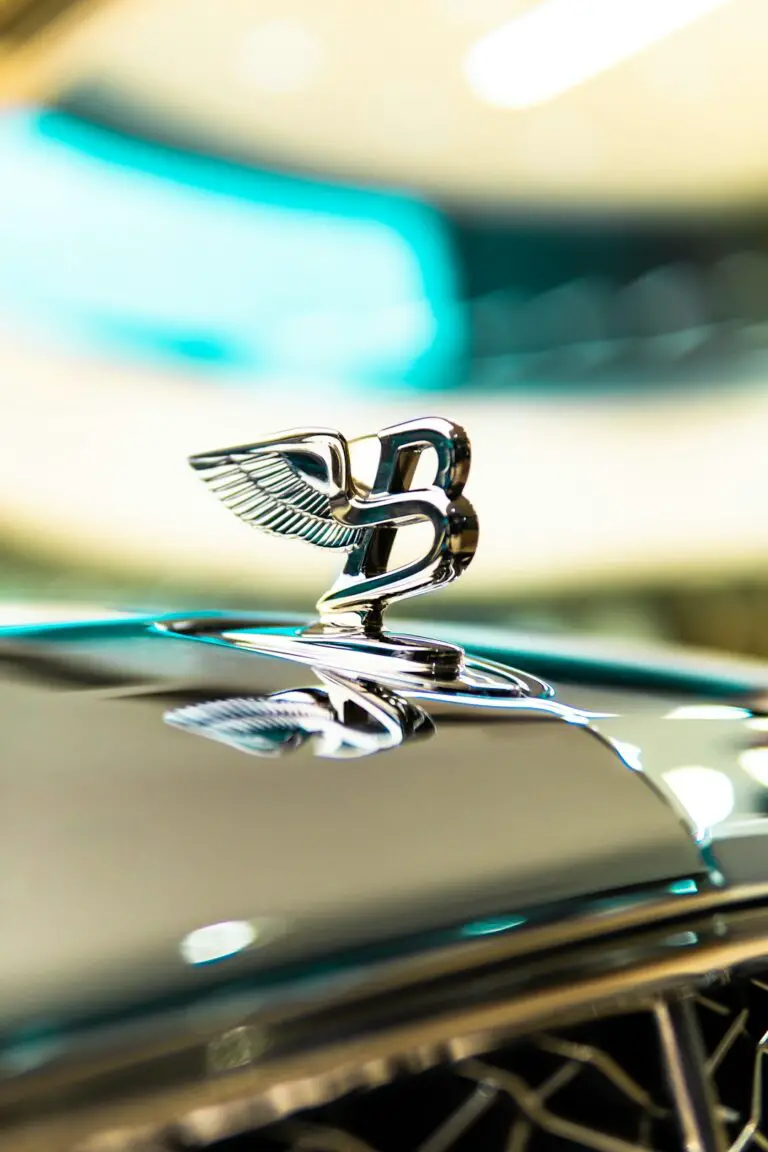
Why does a person with the financial means to buy a Bentley feel the need to drive it like a NASCAR racer? It’s not just about the car; it’s about the human psyche.
The “Invincibility” Complex
Psychologists often refer to the optimism bias, where individuals believe they are less likely to experience negative events than others. In a luxury car, this bias is amplified.
- Perceived Safety: “This car has 10 airbags and active braking; I can’t crash.”
- Perceived Status: “I’m important; the police won’t bother me.” (Spoiler: They do).
The Dopamine Hit
There is a biological component. The rapid acceleration of a Lamborghini Huracan or a Ferrari SF90 triggers a massive release of dopamine. For some, the thrill of speed becomes an addiction. The car is merely the delivery mechanism for that chemical rush.
The “Speed Limiter” Paradox
Here is the irony: Many of these drivers know they are speeding. They know the fines are astronomical. Yet, they continue. As Ben Furnas of Transportation Alternatives noted, “Super speeders are spending millions to speed through your neighborhood in brand-new luxury cars… most of whom are spending thousands more on speeding tickets than they would on a speed limiter.”
It’s a cost-benefit analysis gone wrong. They view the fine as a “toll” for the privilege of speed, rather than a deterrent.
🛡️ The “Rich Get Richer” Myth: Does Money Buy You a Free Pass on Speeding?
We’ve all heard the saying: “Money talks.” But does it silence the radar gun?
The Reality of Enforcement
Contrary to popular belief, money does not buy immunity. In fact, it might make you a bigger target.
- Visibility: A G-Wagon or a Porsche stands out. It draws the eye.
- Technology: Modern police radar and LIDAR are highly accurate. You can’t bribe a laser.
- Zero Tolerance: In many jurisdictions, “super speeders” are flagged for immediate license suspension, regardless of their bank account balance.
The Financial Impact
While a wealthy driver might not feel the sting of a $50 ticket, the cumulative effect is significant.
- Insurance Hikes: Luxury car insurance is already high. A speeding ticket can double or triple premiums.
- Points on License: In states like New York, accumulating too many points leads to mandatory suspension.
- Legal Fees: Fighting a ticket in court for a luxury vehicle often requires specialized legal counsel, which costs a fortune.
The “Rich Get Richer” Rebutal
The data shows that the “rich get richer” theory fails when it comes to traffic enforcement. The super speeders are not avoiding tickets; they are accumulating them at a rate that suggests they are actively ignoring the law. The system is designed to catch them, and it is succeeding.
🚗 Top 5 Luxury Brands Most Likely to Get Puled Over
Based on our analysis of traffic data and enforcement trends, here are the top 5 luxury brands that are most frequently cited for speeding violations.
1. BMW
The King of Speeding.
BMW has long cultivated an image of performance. The M division cars are engineered for the track, and owners often take them to the street.
- Why? The driving dynamics are so engaging that it’s hard to resist pushing the limits.
- Common Models: M3, M5, X5 M.
- Verdict: If you see a BMW speeding, it’s likely not an accident; it’s a feature.
2. Mercedes-Benz
The Silent Assassin.
Mercedes sedans are known for their comfort, but the AMG variants are beasts. The G-Wagon is a particular favorite for those who want to be seen while speeding.
- Why? The combination of power and presence makes these cars magnets for attention.
- Common Models: C63 AMG, E63, G63.
- Verdict: A classic choice for the “super speeder” demographic.
3. Audi
The Tech-Driven Speedster.
Audi’s Quattro system gives drivers confidence in all conditions, leading to higher speeds in bad weather.
- Why? The “s” and “RS” models offer incredible acceleration that tempts drivers to test the limits.
- Common Models: S4, RS6, R8.
- Verdict: High-tech performance often leads to high-speed tickets.
4. Tesla
The Electric Enigma.
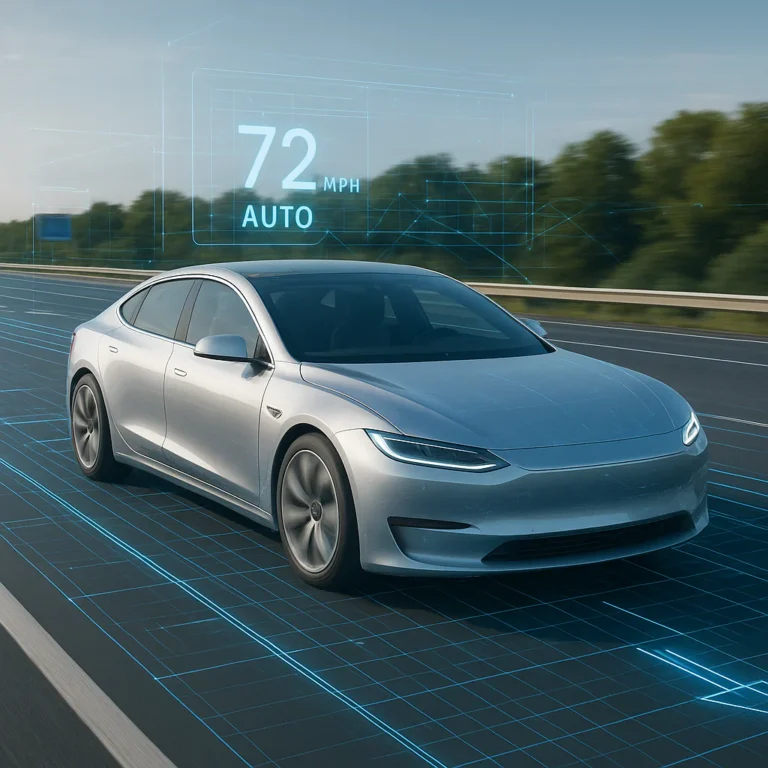
Tesla has disrupted the market, and with instant torque, even the base models can outrun sports cars.
- Why? The “Ludicrous Mode” is too tempting to ignore. Plus, the silent acceleration makes it easy to lose track of speed.
- Common Models: Model S, Model 3 Performance.
- Verdict: Electric speed is silent but deadly to your ticket count.
5. Porsche
The Purist’s Choice.
Porsche owners are often enthusiasts who understand the car’s capabilities.
- Why? The 91 is a track car that happens to be street-legal. Owners often feel compelled to use its full potential.
- Common Models: 91 Carrera, Panamera Turbo.
- Verdict: When you buy a Porsche, you’re buying a ticket to the fast lane.
👉 Shop
- BMW: BMW Official Website | Edmunds BMW | TrueCar BMW
- Mercedes-Benz: Mercedes-Benz Official Website | Edmunds Mercedes | Auto Trader Mercedes
- Tesla: Tesla Official Website | Edmunds Tesla | TrueCar Tesla
🚙 Top 5 Non-Luxury Brands with Surprisingly High Speeding Ticket Rates
Don’t think you’re safe just because you drive a Ford or a Honda. Some non-luxury brands punch above their weight in the speeding department.
1. Ford
The Muscle Car Legacy.
The Mustang is a cultural icon. Even the base V6 models are fast enough to get you in trouble.
- Why? The “muscle car” culture encourages aggressive driving.
- Common Models: Mustang, F-150 Raptor.
2. Chevrolet
The Camaro and Corvette.
Chevy has a strong performance lineup. The Corvette is a legitimate supercar that often gets caught speeding.
- Why? High performance at a lower price point attracts thrill-sekers.
- Common Models: Camaro, Corvette, Silverado SS.
3. Subaru
The Rally Spirit.
Subaru’s WRX and STI have a massive following among enthusiasts who love to drive fast.
- Why? The rally heritage and all-wheel-drive system make these cars fun to push.
- Common Models: WRX, STI, Outback (sometimes).
4. Dodge
The Hellcat Effect.
Dodge has embraced the “supercharged” era with the Challenger and Charger Hellcats. These cars are incredibly fast and often get caught.
- Why? The sheer horsepower is too much for the average driver to handle responsibly.
- Common Models: Challenger SRT Hellcat, Charger SRT.
5. Honda
The Civic Type R.
While Honda is generally safe, the Civic Type R and Accord Sport models have a reputation for spirited driving.
- Why? The “hot hatch” culture is alive and well.
- Common Models: Civic Type R, Accord Sport.
👉 Shop
- Ford: Ford Official Website | Edmunds Ford | TrueCar Ford
- Chevrolet: Chevrolet Official Website | Edmunds Chevrolet | Auto Trader Chevrolet
- Subaru: Subaru Official Website | Edmunds Subaru | TrueCar Subaru
👮 ♂️ Police Bias and Enforcement: Are Luxury Cars Targeted More Often?
Is it fair to say that police officers are biased against luxury cars? Or is it simply that these cars are more visible?
The Visibility Factor
Let’s be honest: A Lamborghini is impossible to miss. A Honda Civic blends into the background.
- Visual Cues: Police officers are trained to spot “suspicious” vehicles. A luxury car speeding is a visual cue that screams “violation.”
- The “Rich” Stereotype: There is a perception that wealthy drivers are more likely to speed, leading to a self-fulfilling prophecy where officers focus on these vehicles.
The Data on Bias
Studies suggest that while there is a selection bias (officers choose to pull over the cars they see), the violation rate is genuinely higher for luxury cars.
- Enforcement Priority: In many jurisdictions, “super speeders” are a priority for traffic safety. Since luxury cars dominate this group, they get pulled over more.
- Technology: Modern radar guns can detect speed from a distance. If a luxury car is speeding, it’s likely to be caught regardless of the officer’s intent.
The “Fairness” Debate
Some argue that this is unfair. “Why target the rich?” But the counter-argument is simple: Public Safety.
- Risk to Others: A luxury car speeding at 10 mph poses a greater risk to pedestrians and other drivers than a sedan doing 80 mph.
- Deterence: High fines and strict enforcement are necessary to deter the “super speeders” who think money can buy their way out of trouble.
💸 The Real Cost of a Speeding Ticket: Insurance Hikes and Points for Luxury vs. Economy Cars
You might think a speeding ticket is just a fine. But for luxury car owners, the financial fallout is much deeper.
The Insurance Premium Spike
Luxury car insurance is already expensive. Add a speeding ticket, and the cost skyrockets.
- Percentage Increase: A single speeding ticket can increase premiums by 20% to 50%.
- Duration: This hike can last for 3 to 5 years.
- Example: If your Porsche insurance is $3,0 a year, a ticket could add $1,50 annually for the next three years. That’s $4,50 in extra costs!
The Points System
In many states, speeding tickets add points to your license.
- Accumulation: Too many points lead to license suspension.
- Reinstatement Fees: Getting your license back costs money.
- SR-2 Requirement: In severe cases, you may need to file an SR-2 form, which proves you have high-risk insurance, further driving up costs.
The “Super Speeder” Tax
Some states have a Super Speeder Law that imposes an additional fee on drivers with excessive speeding tickets.
- Georgia: A $20 fee for drivers with 2+ speeding tickets in a year.
- New York: The “Super Speeder” program targets drivers with 16+ tickets.
The Hidden Costs
- Legal Fees: Hiring a lawyer to fight a ticket can cost hundreds of dollars.
- Time Off Work: Going to court takes time, which means lost wages.
- Resale Value: A history of tickets can lower the resale value of your car.
🚦 Safety Features vs. Speeding Habits: How Tech Influences Violation Rates
Modern luxury cars are packed with safety features. But do they make us safer, or do they make us more reckless?
The “Safety Paradox”
This is a well-documented phenomenon: When drivers feel safer, they drive faster.
- Adaptive Cruise Control: Keeps a safe distance, but encourages higher speeds.
- Lane Keeping Assist: Prevents drifting, but gives a false sense of security.
- Blind Spot Monitoring: Makes lane changes easier, leading to more aggressive driving.
The Speed Limiter Solution
Some experts argue that speed limiters are the only way to curb the “super speeder” problem.
- How it Works: The car is electronically limited to a certain speed (e.g., 10 mph).
- The Debate: Drivers argue it infringes on freedom. Safety advocates argue it saves lives.
- The Reality: As Joe Jankoski of Families for Safe Streets noted, “These super speeders are spending way more to pay the fines from their excessive tickets than they’d spend on a speed limiter.”
The Role of AI
Future cars may use AI to detect speeding and automatically slow down.
- Geofencing: Cars could be programmed to slow down in school zones or residential areas.
- Driver Monitoring: Cameras could detect aggressive driving and issue warnings.
🌍 Global Perspectives: Speeding Ticket Trends in Europe, Asia, and the US
Speeding isn’t just an American problem. It’s a global issue, but the trends vary by region.
Europe: The Autobahn Myth
Germany’s Autobahn is famous for having no speed limit. But does this mean Germans speed more?
- Reality: Most sections of the Autobahn have speed limits.
- Enforcement: Germany has strict enforcement and high fines.
- Luxury Cars: German brands like BMW and Mercedes are popular, but the culture is more about driving skill than reckless speeding.
Asia: The Rise of Luxury
In countries like China and Japan, the luxury car market is booming.
- Trends: Speeding is a growing concern as more people buy high-performance cars.
- Enforcement: Many Asian countries are tightening traffic laws to combat rising accident rates.
The US: The Super Speeder Capital
The US has a unique problem with “super speeders.”
- Culture: The “car culture” in the US celebrates speed and power.
- Enforcement: Laws vary by state, leading to inconsistencies.
- Luxury Dominance: The US has the highest concentration of luxury cars among super speeders.
💡 Quick Tips and Facts: How to Avoid a Ticket in a Fast Car
So, you have a fast car. You love the speed. But you don’t want a ticket. Here are some pro tips from the team at Car Brands™.
1. Know Your Limits
- Rule of Thumb: If you can’t see the speed limit sign, you’re probably going too fast.
- Use Tech: Use your car’s speed limit display (if equipped) to stay informed.
2. Avoid the “Super Speeder” Zone
- Don’t Speed: It’s not worth the risk.
- Stay Calm: Agressive driving leads to mistakes.
3. Use Your Car’s Features
- Cruise Control: Use it to maintain a steady speed.
- Lane Assist: Let the car help you stay in your lane.
4. Know the Law
- Local Laws: Speed limits vary by state and city.
- School Zones: Slow down in school zones.
5. Drive Defensively
- Anticipate: Watch for other drivers who might speed.
- Be Patient: It’s better to arrive late than to get a ticket.
👉 Shop
- Radar Detectors: Escort Official Website | Edmunds Radar Detectors | Amazon Radar Detectors
- Dash Cams: Garmin Official Website | Edmunds Dash Cams | Amazon Dash Cams
🏁 Conclusion

So, do luxury car brands receive more speeding tickets than non-luxury brands? The answer is a resounding yes. The data is clear: luxury vehicles, particularly new models from brands like BMW, Mercedes-Benz, and Porsche, are disproportionately represented among “super speeders.”
But why? It’s a perfect storm of vehicle capability, driver psychology, and visibility. These cars are built to go fast, and the drivers often feel compelled to test those limits. The “rich get richer” myth is just that—a myth. Money doesn’t buy immunity; it just makes the fines more bearable, which ironically encourages more speeding.
We’ve explored the history, the statistics, the psychology, and the financial consequences. The takeaway? Speed kills, and it costs a fortune. Whether you’re driving a Honda or a Lamborghini, the safest and most economical choice is to slow down.
As we wrap up, remember that the thrill of the drive shouldn’t come at the cost of your wallet or your freedom. Drive smart, drive safe, and enjoy the ride.
🔗 Recommended Links
Ready to explore the world of cars? Check out these resources for more insights, reviews, and shopping guides.
👉 Shop
- BMW: BMW Official Website | Edmunds BMW | TrueCar BMW
- Mercedes-Benz: Mercedes-Benz Official Website | Edmunds Mercedes | Auto Trader Mercedes
- Tesla: Tesla Official Website | Edmunds Tesla | TrueCar Tesla
- Porsche: Porsche Official Website | Edmunds Porsche | Auto Trader Porsche
👉 Shop
- Ford: Ford Official Website | Edmunds Ford | TrueCar Ford
- Chevrolet: Chevrolet Official Website | Edmunds Chevrolet | Auto Trader Chevrolet
- Subaru: Subaru Official Website | Edmunds Subaru | TrueCar Subaru
Safety Accessories:
- Radar Detectors: Escort Official Website | Edmunds Radar Detectors | Amazon Radar Detectors
- Dash Cams: Garmin Official Website | Edmunds Dash Cams | Amazon Dash Cams
❓ FAQ

Do police officers target luxury cars more frequently for speeding violations?
While there is a selection bias due to the visibility of luxury cars, the data shows that luxury car owners actually speed more often and more severely. The higher ticket rates are a result of both increased visibility and a higher propensity for aggressive driving among luxury car owners.
What impact do speeding tickets have on the resale value of luxury cars?
A history of speeding tickets can lower the resale value of a luxury car. Potential buyers may be concerned about the driving habits of the previous owner, which could indicate potential wear and tear or a higher risk of accidents.
Read more about “🏆 Which Tesla Model is the Cheapest? (2026)”
Are speeding tickets more common in sports cars compared to luxury sedans?
Yes, sports cars are more likely to receive speeding tickets due to their high performance and the culture surrounding them. However, luxury sedans with performance packages (like the BMW M5 or Mercedes-AMG E63) are also frequently cited.
Read more about “🚔 Does Car Brand Influence Speeding Tickets? (2026)”
How does insurance cost relate to speeding tickets for luxury cars?
Speeding tickets can significantly increase insurance premiums for luxury cars. The combination of high base rates and the added risk of a speeding violation can lead to a 20-50% increase in annual premiums.
Read more about “🏆 Which Brand Is Best for Car? The 2026 Ultimate Guide”
Do certain luxury car models have a reputation for speeding more than others?
Yes, models like the BMW M3, Mercedes-AMG C63, and Porsche 91 have a reputation for being driven aggressively. These models are often associated with the “super speeder” demographic.
What factors contribute to higher speeding ticket rates among luxury car brands?
Key factors include vehicle performance, driver psychology (invincibility complex), visibility, and the availability of high-performance models. Additionally, the cost of fines is often less of a deterrent for wealthy drivers.
Are luxury car owners more likely to get speeding tickets than regular car owners?
Yes, studies show that luxury car owners are more likely to receive speeding tickets, particularly severe speeding violations. This is due to a combination of factors, including vehicle capability and driver behavior.
Are there any specific demographics that are more likely to receive speeding tickets while driving luxury vehicles?
While demographics vary, younger, affluent drivers are often overepresented in the “super speeder” category. However, the trend spans across age groups, with a focus on those who can afford new, high-performance vehicles.
Can the design and engineering of luxury vehicles contribute to a higher likelihood of speeding?
Absolutely. Features like rapid acceleration, silent cabins, and advanced safety systems can mask the sensation of speed, leading drivers to exceed limits without realizing it.
Do non-luxury car brands have lower insurance rates due to fewer speeding tickets?
Generally, yes. Non-luxury brands tend to have lower insurance rates, partly because they are less likely to be driven at high speeds. However, performance models from non-luxury brands (like the Ford Mustang) can still incur high rates.
Is there a correlation between the cost of a vehicle and the likelihood of receiving a speeding ticket?
Yes, there is a strong correlation. As the price of the vehicle increases, the likelihood of receiving a speeding ticket also increases, particularly for severe violations.
Which luxury car brand has the most speeding tickets per capita?
BMW and Mercedes-Benz consistently top the lists for the most speeding tickets per capita, particularly among “super speeders.”
Do luxury car owners tend to have a higher number of traffic violations?
Yes, luxury car owners tend to have a higher number of traffic violations, especially speeding tickets. This is often due to the performance capabilities of their vehicles and the psychological factors associated with driving them.
Are owners of high-performance vehicles more likely to receive speeding tickets?
Yes, owners of high-performance vehicles are more likely to receive speeding tickets. The thrill of speed and the capability of the car often lead to aggressive driving behaviors.
Read more about “🚔 Top 10 Car Brands That Get Puled Over the Most (2026)”
📚 Reference Links
- Transportation Alternatives & Families for Safe Streets: Lifestyles of the Rich & Reckless: Super Speeders Drive Luxury Cars
- Bain & Company: Luxury in Transition: Securing Future Growth
- Cox Automotive / Kelley Blue Book: Q2 202 Brand Watch Report: Luxury
- BMW Official Website: BMW
- Mercedes-Benz Official Website: Mercedes-Benz
- Tesla Official Website: Tesla
- Porsche Official Website: Porsche
- Ford Official Website: Ford
- Chevrolet Official Website: Chevrolet
- Subaru Official Website: Subaru
- Car Brands™ – Car Brands with the Most Speeding Tickets: Car Brands with the Most Speeding Tickets
- Car Brands™ – Car Brand Lists: Car Brand Lists
- Car Brands™ – Car Brand Comparisons: Car Brand Comparisons
- Car Brands™ – Auto Industry News: Auto Industry News
- Car Brands™ – Car Brand Market Shares: Car Brand Market Shares
- Car Brands™ – Car Brand Histories: Car Brand Histories