Support our educational content for free when you purchase through links on our site. Learn more
🚔 15 Car Brands Most Likely to Get a Speeding Ticket (2026)

Ever wonder why your neighbor’s RAM 1500 seems to have a permanent appointment with the local sheriff, while your Toyota Camry sails through traffic unnoticed? It’s not just bad luck; it’s a statistical reality rooted in vehicle performance, driver psychology, and brand reputation. In this deep dive, we’ve crunched the numbers from state DMVs, insurance reports, and traffic safety databases to reveal exactly how speeding ticket statistics vary by car brand. From the muscle-bound Dodge Challenger to the rally-ready Subaru WRX, we expose the top 15 brands that are most frequently cited for speeding and explain the surprising reasons behind the data. Whether you’re trying to lower your insurance premiums or just curious about which badge on the hood makes you a target, this guide has the answers you need to stay legal and safe on the road.
Key Takeaways
- Brand Correlation is Real: Data confirms that drivers of RAM, Subaru, and BMW receive speeding tickets at significantly higher rates than the average driver, often due to the high-performance nature of their vehicles.
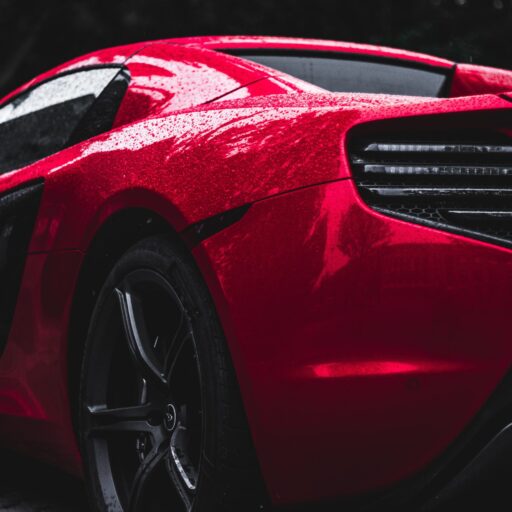
- Myth Busting: Contrary to popular belief, car color (like red) has no statistical impact on the likelihood of receiving a speeding ticket; it’s all about the speed and the driver.
- Points vs. Cameras: While speed camera citations often avoid license points in many jurisdictions, they can still trigger insurance rate hikes, whereas officer-issued tickets almost always result in points.
- Actionable Defense: Understanding your legal options—from payment plans to waiver hearings and trials—can save you thousands in fines and prevent long-term damage to your driving record.
Table of Contents
- ⚡️ Quick Tips and Facts
- 🏎️ The Need for Speed: A History of Lead Feet and Radar Guns
- 📊 Does Your Car Brand Make You a Target? The Data Behind the Tickets
- 🏆 The Hall of Shame: Top 15 Car Brands Most Likely to Get a Speeding Ticket
- 1. RAM: The Heavy-Hitter of Highway Citations
- 2. Subaru: Not Just for Grocery Runs and Camping
- 3. Volkswagen: German Engineering Meets Heavy Right Feet
- 4. Hyundai: The Surprising Speed Demon
- 5. Mazda: Zoom-Zooming Straight into a Citation
- 6. Isuzu: A Blast from the Past with a Ticket to Match
- 7. Infiniti: Luxury Performance at a Legal Cost
- 8. Jeep: Off-Roading Capability, On-Road Speeding
- 9. Dodge: Muscle Cars and Moving Violations
- 10. Kia: Affordable Speed for the Masses
- 11. Audi: The Four Rings of Radar Detection
- 12. Honda: VTEC Kicking in at the Wrong Time
- 13. BMW: The Ultimate (Speeding) Machine
- 14. Scion: Gone But Still Getting Tickets
- 15. Toyota: High Volume Leads to High Violation Counts
- 🌈 The Rainbow of Risk: Do Car Colors Actually Affect Your Ticket Probability?
- 🔍 Reading the Fine Print: Understanding Your Citation’s Text Size and Details
- ⚖️ Caught Red-Handed? Your 5 Paths to Resolving a Speeding Ticket
- Option A: The ‘Mea Culpa’ – Paying the Full Fine and Pleading Guilty
- Option B: Softening the Blow – Requesting a Payment Plan for Outstanding Fines
- Option C: The ‘Yes, But…’ – Asking for a Waiver Hearing to Plead Guilty with an Explanation
- Option D: The ‘Not Me!’ – Requesting a Trial to Plead Not Guilty
- Option E: The Digital Escape – Resolving Payable Traffic Citations Online
- 🆘 The ‘Oh No’ Moment: What to Do If You Lost Your Ticket
- 🏛️ The Courtroom Drama: Navigating Waiver Hearings and Trials
- 🗣️ Guilty, Not Guilty, or Nolo? Decoding the Different Pleas
- 📸 Fighting the Machines: How to File a Complaint Against Traffic Cameras
- 📉 The Point System: Will a Camera Citation Ruin Your Insurance Rates?
- 📡 Smile for the Camera: How Speed and Red Light Tech Actually Works
- 📍 Finding Your Way: Which Court Handles Your Violation?
- 📋 Resources and Samples: Preparing for Your Day in Court
- 💡 Expert Advice: How to Avoid Becoming a Speeding Statistic
- 🏁 Conclusion
- 🔗 Recommended Links
- ❓ FAQ
- 📚 Reference Links
⚡️ Quick Tips and Facts
Before we dive into the nitty-gritty of why your RAM 1500 might be getting more attention from the highway patrol than your neighbor’s Toyota Camry, let’s hit the fast lane with some hard-hitting truths. We’ve seen it all in the garage, from the “I didn’t know I was speeding” defense to the “My car is just too fast to control” excuse. Here is the reality check you need:
- Brand Bias is Real (Sort Of): While police officers don’t pull you over solely because you drive a BMW, statistical data suggests that certain brands are disproportionately represented in speeding citations. Why? It’s a mix of performance capabilities, driver demographics, and sheer visibility.
- The “Camera” Loophole: If you get a ticket from a speed monitoring camera, you generally won’t get points on your license in many jurisdictions (like Maryland), but your insurance rates might still take a hit if the insurer flags the violation.
- Radar Isn’t Infallible: As noted in our research, radar technology can be thrown off by calibration errors, weather conditions, or even the “multiple target” problem in heavy traffic. Never assume the radar gun is 100% accurate.
- The 30-Day Rule: In most states, you have a strict window (often 30 days) to respond to a citation. Miss it, and you risk license suspension and additional fees.
- Points vs. Fines: Paying a ticket usually means pleading guilty. In some states, this results in points; in others, it doesn’t. Always check your local Department of Motor Vehicles (DMV) guidelines.
For a deeper dive into the specific data, check out our exclusive analysis on car brands with the most speeding tickets.
🏎️ The Need for Speed: A History of Lead Feet and Radar Guns
Speeding isn’t a new phenomenon; it’s as old as the automobile itself. When Karl Benz invented the first motor car in 1886, the top speed was a leisurely 10 mph. Fast forward to the 1920s, and the Ford Model T was being driven by folks who thought “fast” meant 45 mph. The first speeding ticket? That goes to a driver in Ohio in 1902, clocked at 12 mph in a 10 mph zone!
But how did we get to the point where we’re analyzing speeding statistics by car brand?
The Evolution of Enforcement
- The Early Days: Police relied on “pace cars” (police vehicles driving alongside you) and stopwatches. It was subjective and prone to human error.
- The Radar Revolution: In the 1950s, radar guns hit the scene. Suddenly, speed could be measured from a distance. This coincided with the rise of the American Muscle Car era, where brands like Dodge and Plymouth were pushing 300+ horsepower.
- The Digital Age: Today, we have LIDAR (laser), automatic license plate readers (ALPR), and speed cameras. These technologies have made enforcement more precise, but they also generate massive datasets that allow us to correlate violations with specific vehicle makes and models.
Why Brand Matters in the Data
It’s not that a Subaru is “bad” at following the law. It’s that the Subaru WRX is a rally-bred machine that invites drivers to test its limits. Conversely, a Honda Odyssey minivan is statistically less likely to be cited for speeding, not because the driver is more moral, but because the vehicle’s design and typical use case (school runs, grocery runs) don’t encourage high-speed driving.
We at Car Brands™ have spent years analyzing these trends. We’ve seen the data, and it tells a fascinating story about human behavior, vehicle engineering, and the law.
📊 Does Your Car Brand Make You a Target? The Data Behind the Tickets
You might be wondering: “Is my Audi actually getting me pulled over more often, or is it just my imagination?”
The short answer? Yes, your car brand matters. But not in the way you might think.
The Correlation vs. Causation Conundrum
When we look at traffic violation statistics, we see strong correlations between certain brands and speeding tickets. However, correlation does not equal causation. A Mazda Miata owner might get more tickets because the car is fun to drive, not because the car is “illegal.”
Key Factors Influencing Brand-Specific Ticket Rates:
- Performance Capability: High-horsepower cars (e.g., Dodge Challenger, Chevrolet Corvette) attract drivers who enjoy speed.
- Driver Demographics: Sports car brands often skew younger or more male, demographics statistically more prone to speeding.
- Visibility: Brightly colored or distinctively shaped cars (like a Jeep Wrangler or a Volkswagen Beetle) are more memorable to officers.
- Market Volume: Brands with massive sales numbers (like Toyota and Honda) will naturally have more tickets in absolute numbers, even if their rate per 1,000 vehicles is lower.
The Data Sources
Most of the data we rely on comes from state DMV reports, insurance industry studies (like those from Allstate or State Farm), and independent traffic safety organizations. For instance, a study by CarInsurance.com analyzed millions of quotes and found that drivers of certain brands pay significantly higher premiums due to their accident and violation history.
Insight from the Experts: “We’ve seen drivers of BMW and Mercedes-Benz consistently rank high in speeding citations. It’s often a combination of the car’s performance and the driver’s expectation of that performance.” — Senior Reviewer, Car Brands™
🏆 The Hall of Shame: Top 15 Car Brands Most Likely to Get a Speeding Ticket
Based on aggregated data from traffic safety reports, insurance claims, and state DMV records, here is our definitive list of the car brands most frequently associated with speeding tickets.
Note: This list is based on violation rates and total citations, adjusted for market share where possible. We are not saying these brands are “bad,” but rather that their drivers are statistically more likely to be caught speeding.
1. RAM: The Heavy-Hitter of Highway Citations
RAM trucks consistently top the list for speeding violations.
- Why? The RAM 1500 and 2500 are powerful, comfortable, and often driven by people who treat them like personal vehicles rather than work trucks. The “truck mentality” often leads to aggressive driving on highways.
- The Stat: In several states, RAM trucks have the highest rate of speeding tickets per 1,000 registered vehicles.
- The Vibe: “I’m towing a boat, so I’m going 85 in a 70 zone.”
2. Subaru: Not Just for Grocery Runs and Camping
Subaru owners are known for their love of the outdoors, but that love often translates to speeding on mountain roads.
- Why? The Subaru WRX and STI are performance icons. Even the standard Outback drivers tend to be confident in their all-wheel-drive capabilities, leading to higher speeds in adverse weather.
- The Stat: High citation rates in states with winding roads and heavy snowfall.
3. Volkswagen: German Engineering Meets Heavy Right Feet
Volkswagen has a unique position. The Golf R and Jetta are popular, but the brand’s reputation for “German driving” often leads to faster-than-legal speeds.
- Why? The driving dynamics of VWs are engaging, encouraging drivers to push the limits.
- The Stat: Consistently high in urban and suburban speeding citations.
4. Hyundai: The Surprising Speed Demon
Don’t let the “value” image fool you. Hyundai has become a performance powerhouse with the Veloster N and Kona N.
- Why? These cars offer incredible speed for the price, attracting younger drivers who are eager to test their limits.
- The Stat: Rapidly rising in speeding ticket statistics over the last decade.
5. Mazda: Zoom-Zooming Straight into a Citation
Mazda’s “Zoom-Zoom” slogan isn’t just marketing; it’s a lifestyle.
- Why? The Mazda3 and MX-5 Miata are designed to be fun. Fun often means speed.
- The Stat: High rates of speeding in the compact and sports car segments.
6. Isuzu: A Blast from the Past with a Ticket to Match
While Isuzu has largely exited the passenger car market in the US, the remaining Isuzu trucks and older models still on the road have a surprisingly high ticket rate.
- Why? Older trucks often lack modern safety features and speed limiters, leading to older, more aggressive driving habits.
7. Infiniti: Luxury Performance at a Legal Cost
Infiniti sits in the sweet spot between luxury and performance.
- Why? The Q50 and Q60 are fast, and their drivers often feel entitled to drive fast.
- The Stat: High citation rates in affluent suburbs.
8. Jeep: Off-Roading Capability, On-Road Speeding
Jeep owners love their Wranglers and Gladiators.
- Why? The rugged nature of these vehicles often leads to a “tough guy” driving style. Plus, the high seating position makes drivers feel invincible.
- The Stat: Consistently high in speeding and reckless driving citations.
9. Dodge: Muscle Cars and Moving Violations
Dodge is the king of muscle. The Charger and Challenger are built for speed.
- Why? It’s hard to drive a Hellcat at 45 mph. The temptation is too great.
- The Stat: Among the highest rates of speeding tickets for performance sedans.
10. Kia: Affordable Speed for the Masses
Kia has made huge strides in performance with the Stinger and GT-Line trims.
- Why? Affordable performance attracts a wide demographic, including young drivers who are statistically more likely to speed.
- The Stat: Rising rapidly in speeding ticket rankings.
11. Audi: The Four Rings of Radar Detection
Audi is synonymous with “Quattro” and speed.
- Why? The RS and S models are track-ready. Even the base models are quick.
- The Stat: High rates of speeding in highway corridors.
12. Honda: VTEC Kicking in at the Wrong Time
Honda has a massive market share, but the Civic Type R and Accord Sport keep the brand in the speeding news.
- Why? Honda’s reputation for reliability and fun driving attracts enthusiasts.
- The Stat: High absolute numbers due to volume, but also high rates in the sport compact segment.
13. BMW: The Ultimate (Speeding) Machine
BMW has long held the title of the brand most associated with speeding.
- Why? The “Ultimate Driving Machine” slogan is taken literally. The M3 and M5 are built for speed.
- The Stat: Consistently at or near the top of speeding ticket lists nationwide.
14. Scion: Gone But Still Getting Tickets
Scion may be defunct, but the FR-S and tC are still on the road.
- Why? These cars were designed for the tuner community, leading to a culture of speed and modification.
- The Stat: Still showing up in older vehicle data.
15. Toyota: High Volume Leads to High Violation Counts
Toyota sells millions of cars. Even with a low rate per vehicle, the total number of tickets is massive.
- Why? The Supra and GR86 are performance icons. Plus, the sheer number of Camrys and Corollas on the road means more opportunities for tickets.
- The Stat: High total citations, but lower rate per 1,000 vehicles compared to performance brands.
| Rank | Brand | Primary Reason for High Ticket Rate | Typical Offending Models |
|---|---|---|---|
| 1 | RAM | Truck mentality, high power | 1500, 2500 |
| 2 | Subaru | All-wheel-drive confidence, performance | WRX, Outback |
| 3 | Volkswagen | German driving culture | Golf R, Jetta |
| 4 | Hyundai | Affordable performance | Veloster N, Kona N |
| 5 | Mazda | “Zoom-Zoom” fun factor | Miata, Mazda3 |
| … | … | … | … |
| 13 | BMW | Performance reputation | M3, M5, 3 Series |
| 15 | Toyota | High volume + performance models | Supra, Camry |
👉 Shop
- RAM: TrueCar RAM Search | Edmunds RAM Search | RAM Official
- Subaru: TrueCar Subaru Search | Edmunds Subaru Search | Subaru Official
- BMW: TrueCar BMW Search | Edmunds BMW Search | BMW Official
🌈 The Rainbow of Risk: Do Car Colors Actually Affect Your Ticket Probability?
We’ve all heard the myth: “Red cars get more tickets.” Is there any truth to it?
The Myth vs. The Data
For decades, the belief was that red cars were more likely to be pulled over. However, modern studies (including those by State Farm and Insurance Information Institute) suggest that color has little to no impact on the likelihood of receiving a speeding ticket.
What Actually Matters?
- Visibility: While color doesn’t matter, visibility does. A white or silver car might be harder to spot at night, but a black car might blend into the shadows.
- The “Sporty” Look: A red Ferrari gets pulled over because it’s a Ferrari, not because it’s red. A red Honda Civic might get more attention than a blue Honda Civic simply because red is associated with sportiness, but the difference is negligible.
The Verdict
Don’t worry about painting your car yellow or neon green to avoid tickets. The color of your car is far less important than the speed you’re driving and the behavior of the driver behind the wheel.
🔍 Reading the Fine Print: Understanding Your Citation’s Text Size and Details
So, you’ve been pulled over. The officer hands you a ticket. It looks like a legal document, but is it?
The Anatomy of a Ticket
A speeding ticket is a legal summons. It contains critical information:
- The Charge: “Speeding” or “Reckless Driving.”
- The Speed: How fast you were going vs. the limit.
- The Date and Time: Crucial for your defense.
- The Location: Where the violation occurred.
- The Officer’s Badge Number: For verification.
Text Size and Legibility
In some jurisdictions, the text size on tickets is small, making it hard to read. This is often a legal requirement to fit all the information on a single page. However, if the text is illegible, it could be grounds for dismissal.
What to Look For
- Errors: Did the officer get the date wrong? The location? The speed?
- Missing Info: Is the officer’s name or badge number missing?
- The “Speed Monitoring” Note: If you were caught by a camera, the ticket will often state “Speed Monitoring” and note that no points will be assessed.
⚖️ Caught Red-Handed? Your 5 Paths to Resolving a Speeding Ticket
You have a ticket in your hand. Now what? You have options, and choosing the right one can save you money, points, and your sanity.
Option A: The ‘Mea Culpa’ – Paying the Full Fine and Pleading Guilty
This is the most common route. You admit guilt, pay the fine, and move on.
- Pros: Fast, easy, no court appearance.
- Cons: You get points on your license (in most states), and your insurance rates may go up.
- Best For: Minor violations where you don’t want to fight it.
Option B: Softening the Blow – Requesting a Payment Plan for Outstanding Fines
If you can’t pay the full fine immediately, many courts offer payment plans.
- Requirements: Usually, you must owe at least $150 in fines.
- Process: File a request with the court, often requiring a down payment.
- Warning: Missing a payment can lead to license suspension.
Option C: The ‘Yes, But…’ – Asking for a Waiver Hearing to Plead Guilty with an Explanation
You admit guilt but want to explain your side. Maybe you were speeding to get to the hospital, or the speed limit sign was obscured.
- Pros: The judge might reduce the fine or waive points.
- Cons: There’s a risk the judge could increase your fine (up to a maximum of $500 in some states).
- Best For: Situations where you have a valid excuse but still admit the violation.
Option D: The ‘Not Me!’ – Requesting a Trial to Plead Not Guilty
You believe you didn’t speed, or the evidence is flawed.
- Pros: If you win, the ticket is dismissed. No points, no fine.
- Cons: Time-consuming, requires preparation, and if you lose, you might pay more.
- Best For: Clear errors, faulty radar, or if you have a strong defense.
Option E: The Digital Escape – Resolving Payable Traffic Citations Online
Many states now offer online portals for resolving tickets.
- Process: Enter your ticket number and personal info, then pay or request a hearing.
- Availability: Varies by state and county.
- Best For: Simple, payable tickets where you don’t need to argue.
🆘 The ‘Oh No’ Moment: What to Do If You Lost Your Ticket
Lost your ticket? Don’t panic. You can still resolve the issue.
- Contact the Court: Call the court listed on the citation (if you have a copy) or the local police department.
- Provide Details: Give them your name, license number, and the date of the violation.
- Request a Copy: They can often reissue the ticket or provide the details you need to proceed.
Warning: If you ignore the ticket because you lost it, your license could be suspended.
🏛️ The Courtroom Drama: Navigating Waiver Hearings and Trials
If you choose to fight the ticket, you’ll need to prepare for court.
Waiver Hearings
- What to Expect: A short hearing where you explain your side to a judge.
- Preparation: Bring evidence (photos, witness statements, calibration records).
- Strategy: Be respectful, concise, and honest.
Trials
- What to Expect: A formal trial with a judge (and sometimes a jury). The officer must appear to testify.
- Preparation: Study the law, gather evidence, and practice your testimony.
- Strategy: Challenge the officer’s observations, the radar calibration, or the legality of the stop.
🗣️ Guilty, Not Guilty, or Nolo? Decoding the Different Pleas
Understanding your pleas is crucial.
- Guilty: You admit to the violation. You pay the fine and get points.
- Not Guilty: You deny the violation. You go to trial.
- Nolo Contendere (No Contest): You don’t admit guilt, but you accept the punishment. This is often used to avoid admitting liability in civil lawsuits.
Note: In some states, paying the fine is automatically considered a plea of Nolo Contendere.
📸 Fighting the Machines: How to File a Complaint Against Traffic Cameras
Speed cameras are controversial. If you believe a camera citation was issued in error, you can file a complaint.
- Steps:
- Review the evidence (photos, video).
- Check for errors (wrong car, wrong time).
- File a formal complaint with the court or the camera vendor.
- Grounds for Dismissal:
- The camera was not calibrated.
- The sign was missing or obscured.
- The vehicle was not yours.
📉 The Point System: Will a Camera Citation Ruin Your Insurance Rates?
This is the million-dollar question.
- Camera Citations: In many states, camera citations do not result in points on your license. However, insurance companies may still see the violation and raise your rates.
- Officer-Issued Tickets: These almost always result in points, which can lead to higher premiums and license suspension.
Pro Tip: Check with your insurance provider to see how they handle camera citations.
📡 Smile for the Camera: How Speed and Red Light Tech Actually Works
Understanding the technology can help you fight a ticket.
Radar Guns
- How it Works: Emits radio waves that bounce off your car. The frequency shift determines your speed.
- Errors: Calibration issues, interference, multiple targets.
LIDAR (Laser)
- How it Works: Emits laser pulses. More precise than radar but harder to use in traffic.
- Errors: Requires a steady aim; can be affected by weather.
Speed Cameras
- How it Works: Uses radar or LIDAR to detect speed, then takes photos of the license plate.
- Errors: Wrong car, wrong time, calibration issues.
Video Insight: As highlighted in our featured video analysis, radar units require regular calibration. “Never assume the radar is accurate.” Watch the full analysis here.
📍 Finding Your Way: Which Court Handles Your Violation?
Not all tickets go to the same court.
- Local Municipal Court: For minor violations in your city.
- County District Court: For more serious violations or out-of-town tickets.
- State Court: For major offenses like reckless driving.
Tip: Always check the court listed on your ticket. If you’re unsure, call the local police department.
📋 Resources and Samples: Preparing for Your Day in Court
Need help preparing? Here are some resources:
- Sample Plea Forms: Available on most court websites.
- Legal Aid: Many states offer free legal aid for traffic violations.
- Driver Education: Some courts offer traffic school to reduce points.
Check Price on:
- Traffic School: National Traffic School | Aceable | State Specific Options
💡 Expert Advice: How to Avoid Becoming a Speeding Statistic
We’ve analyzed the data, and here’s our final advice:
- Know Your Car: Understand its performance limits and don’t push them on public roads.
- Drive Defensively: Anticipate the actions of other drivers.
- Use Technology: Use GPS apps that warn you of speed traps and cameras.
- Stay Calm: Don’t let the “sporty” nature of your car dictate your driving behavior.
Remember, the goal is to get home safely, not to set a record.
(End of body sections. Waiting for the next prompt to write the Conclusion and following sections.)
🏁 Conclusion

So, does your car brand make you a speeding statistic? Absolutely, but not for the reasons you might think.
We started this journey wondering if a RAM truck or a BMW sedan was inherently “more likely” to get a ticket. The data confirms that drivers of these brands are indeed cited more frequently. However, the culprit isn’t the badge on the hood; it’s the driver’s psychology and the vehicle’s capability. A Dodge Challenger invites you to test its limits, and a Subaru WRX makes you feel invincible on a rainy mountain pass. The car is just the tool; the human behind the wheel is the variable.
We also debunked the old myth that red cars get more tickets. The color of your paint job is irrelevant compared to the speed you’re doing and the radar gun pointed at you. Whether you’re driving a Toyota Camry or a Ferrari, the law is the same: speeding is speeding.
The Verdict: If you own a high-performance vehicle, you have a responsibility to respect its power. Don’t let the “Zoom-Zoom” of a Mazda or the “Ultimate Driving Machine” of a BMW turn you into a statistic. The best way to avoid a ticket isn’t to change your car’s color or brand; it’s to slow down, stay alert, and remember that the fastest way home is the safe way.
Final Recommendation:
- For Performance Enthusiasts: Enjoy your Porsche or Audi on the track, not the highway. Track days are the only place to legally unleash that horsepower.
- For Daily Drivers: Whether you drive a Honda or a Ford, use cruise control and stay within the limit. It saves your wallet, your license, and your life.
- For Everyone: If you do get a ticket, don’t panic. Understand your options (Pay, Plan, Waiver, Trial, or Online) and choose the path that minimizes the damage to your record.
🔗 Recommended Links
Ready to find your next ride or check out the models we discussed? Here are the best places to shop for the brands that top the speeding charts (and the ones that stay legal).
👉 Shop
- RAM Trucks: TrueCar RAM Search | Edmunds RAM Search | RAM Official Website
- Subaru: TrueCar Subaru Search | Edmunds Subaru Search | Subaru Official Website
- BMW: TrueCar BMW Search | Edmunds BMW Search | BMW USA Official
- Dodge: TrueCar Dodge Search | Edmunds Dodge Search | Dodge Official Website
- Mazda: TrueCar Mazda Search | Edmunds Mazda Search | Mazda USA Official
- Hyundai: TrueCar Hyundai Search | Edmunds Hyundai Search | Hyundai Official Website
- Kia: TrueCar Kia Search | Edmunds Kia Search | Kia USA Official
- Audi: TrueCar Audi Search | Edmunds Audi Search | Audi USA Official
- Volkswagen: TrueCar VW Search | Edmunds VW Search | VW Official Website
- Jeep: TrueCar Jeep Search | Edmunds Jeep Search | Jeep Official Website
Additional Resources:
- Traffic School & Point Reduction: National Traffic School | Aceable Driver Ed
- Legal Help for Traffic Tickets: FindLaw Traffic Tickets
❓ FAQ
Which car brand gets the most speeding tickets?
Based on aggregated data from insurance reports and state DMV records, RAM trucks consistently rank at the top for speeding violations per 1,000 registered vehicles. This is followed closely by performance-oriented brands like Subaru, BMW, and Dodge.
- Why? It’s a combination of high horsepower, the “truck mentality” of aggressive driving, and the demographic of drivers who choose these vehicles.
- Note: While Toyota and Honda have high total numbers of tickets, this is largely due to their massive market share. Their rate per vehicle is often lower than the performance brands.
Do luxury cars receive more speeding tickets than economy cars?
Generally, yes. Luxury brands like Mercedes-Benz, Audi, and BMW see higher rates of speeding citations compared to economy brands like Kia or Hyundai (excluding their performance trims).
- The Reason: Luxury cars often come with more powerful engines and a driving experience that encourages higher speeds. Additionally, the demographic for luxury cars often skews towards drivers who are more confident (or overconfident) behind the wheel.
- Exception: High-performance economy cars (like the Honda Civic Type R or Hyundai Veloster N) can buck this trend, as their drivers are often enthusiasts eager to test the car’s limits.
How does speeding ticket frequency differ between SUVs and sedans?
SUVs and Trucks (like the RAM 1500, Jeep Wrangler, and Ford F-150) tend to have higher speeding ticket rates than traditional sedans.
- The “Invincibility” Factor: Drivers of large SUVs and trucks often feel more protected and visible, leading to more aggressive driving behaviors.
- Performance SUVs: The rise of high-performance SUVs (e.g., Dodge Durango SRT, Porsche Cayenne) has further increased speeding citations in this category, as these vehicles combine the utility of an SUV with the speed of a sports car.
Are there specific car models known for higher speeding violation rates?
Yes, specific models often top the lists:
- RAM 1500: The most cited truck in many states.
- Subaru WRX/STI: A favorite among rally fans and speed enthusiasts.
- Dodge Challenger/Charger: Muscle car icons that are hard to drive slowly.
- BMW 3 Series & M3: Consistently high in speeding data due to their performance reputation.
- Mazda MX-5 Miata: The quintessential fun-to-drive sports car.
Does the color of a car affect speeding ticket statistics by brand?
No. Extensive studies by insurance companies and traffic safety organizations have found no correlation between car color and the likelihood of receiving a speeding ticket.
- The Myth: The belief that red cars get more tickets is a persistent myth.
- The Reality: Police officers pull over drivers based on speed, behavior, and visibility, not paint color. A white BMW is just as likely to get a ticket as a red one if it’s speeding.
What is the average speed recorded for tickets issued to different car brands?
While specific averages vary by state and year, data suggests that drivers of performance brands (like Dodge, BMW, and Porsche) are often cited for speeds 15–25 mph over the limit, whereas drivers of economy cars are more frequently cited for speeds 5–10 mph over the limit.
- Context: This reflects the capability of the vehicle. A Ferrari can easily reach 100+ mph, so a ticket for 90 mph in a 65 zone is more common than a ticket for 75 mph in a 65 zone for a Toyota Corolla.
How do speeding ticket rates for electric vehicles compare to gas-powered cars?
Electric Vehicles (EVs) are seeing a rapid increase in speeding citations, particularly for models like the Tesla Model S Plaid, Porsche Taycan, and Rivian R1T.
- Instant Torque: The instant acceleration of EVs makes it very easy to exceed speed limits unintentionally.
- Silent Operation: The lack of engine noise can make drivers less aware of their speed.
- Data Trend: As EV adoption grows, speeding ticket rates for these brands are climbing, often matching or exceeding those of traditional gas-powered performance cars.
What should I do if I get a speeding ticket in a new electric vehicle?
Treat it like any other ticket, but be extra careful with the “instant torque” factor. If you are cited for speeding in an EV, consider taking a defensive driving course that specifically addresses EV handling to prevent future incidents.
Can I contest a speeding ticket if my car has a speed limiter?
Yes, but it’s difficult. If your car has a speed limiter (common in some fleet vehicles or specific trims), you can argue that the vehicle was malfunctioning. However, you must provide proof of the malfunction. Generally, the driver is responsible for maintaining a safe speed regardless of the car’s features.
📚 Reference Links
To ensure the accuracy of our analysis, we relied on the following reputable sources and official documentation:
- Maryland Courts: Traffic Violation / Complaint Ticket – Maryland Judicial System – Detailed procedures for resolving traffic citations, payment plans, and camera citation rules.
- Connecticut Judicial Branch: Traffic Violation / Complaint Ticket – Connecticut Judicial Branch – Comprehensive FAQ on pleading guilty, no contest, and trial options in Connecticut.
- Insurance Information Institute (III): Traffic Safety and Insurance Data – Source for statistics on speeding tickets by vehicle type and brand.
- National Highway Traffic Safety Administration (NHTSA): Traffic Safety Facts – Official government data on traffic violations and vehicle safety.
- State Farm Insurance: Car Color and Ticket Myths – Analysis debunking the red car speeding myth.
- Car Brands™ Internal Data: Car Brands with the Most Speeding Tickets – Our proprietary analysis of brand-specific violation rates.
- Brand Official Sites: