Support our educational content for free when you purchase through links on our site. Learn more
🚀 7 Car Ad Strategies That Secretly Make You Speed (2026)

Ever felt an inexplicable urge to hit the gas pedal the moment you see a commercial for a Dodge Challenger or a Tesla Plaid? You aren’t alone. At Car Brands™, we’ve spent years dissecting the marketing machinery behind the world’s most iconic vehicles, and we uncovered a startling truth: advertising doesn’t just sell cars; it sells a fantasy of speed that rewires your brain. From the artificially enhanced engine roars in Super Bowl spots to the “open road” illusions filmed on closed tracks, brands are masterfully engineering a psychological trigger that makes breaking the speed limit feel like a heroic act rather than a legal violation.
In this deep dive, we expose the top 7 advertising strategies that subtly encourage reckless driving, backed by data correlating ad spend with speeding tickets. We’ll explore why a 15-second clip can make you feel invincible and how the gamification of driving is blurring the lines between virtual stunts and real-world danger. But don’t worry, we won’t just leave you with the problem; we’ll also reveal the counter-marketing tactics that are fighting back and give you the tools to enjoy your ride without falling victim to the adrenaline trap.
Key Takeaways
- Marketing Creates a Speed Bias: Performance-oriented advertising can increase a driver’s likelihood of speeding by up to 15% by triggering dopamine responses associated with thrill and control.
- The “Open Road” Illusion: Most high-speed commercials are filmed on closed tracks, creating a false reality that conditions drivers to expect empty highways and unlimited velocity.
- Sound is a Weapon: The engine roars in ads are often synthesized to maximize emotional impact, subconsciously urging drivers to replicate the sensation on public roads.
- Generational Impact: Young drivers (16–25) are 3x more likely to emulate the reckless behaviors seen in viral social media challenges and celebrity-endorsed campaigns.
- Ethical Responsibility: While brands argue they sell a product, the glorification of speed without context plays a significant role in normalizing unsafe driving habits.
Table of Contents
- ⚡️ Quick Tips and Facts
- 📜 The Pedal and the Pitch: A History of Car Brand Advertising and Speed
- 🚀 Top 7 Car Brand Advertising Strategies That Subtly Encourage Speeding
- 1. The “Adrenaline Rush” Narrative in Super Bowl Comercials
- 2. Performance Metrics: How Horsepower Claims Influence Driver Behavior
- 3. The “Open Road” Myth: Visualizing Unlimited Velocity
- 4. Sound Engineering: The Psychology of Engine Roars in Ads
- 5. Celebrity Endorsements and the “Fast & Furious” Effect
- 6. Gamification of Driving: Apps and Simulators That Blur Reality
- 7. Social Media Challenges: When Viral Trends Meet Traffic Laws
- 🧠 The Psychology of Speed: Why Marketing Works on Your Brain
- 📊 Data Deep Dive: Corelating Ad Spend with Speeding Tickets
- ⚖️ Ethical Dilemmas: Where Does Marketing End and Recklessness Begin?
- 🛡️ Counter-Marketing: How Safety Campaigns Fight Back
- 🌍 Global Perspectives: How Different Regions Handle Speedy Ads
- 🔍 What’s New in Automotive Advertising Regulations
- 📝 Ratings & Reviews: Do Drivers Feel the Pressure?
- 💡 Quick Tips for Responsible Driving in a High-Octane World
- 🏁 Conclusion
- 🔗 Recommended Links
- 📚 Reference Links
⚡️ Quick Tips and Facts
Before we dive into the high-octane world of marketing psychology, let’s hit the brakes for a second and get some hard-hitting facts straight. You might think your speeding habit is purely a result of your own impatience or that “red light” running is just a personal quirk, but the data suggests a subconscious puppet master is pulling your strings.
- The Speeding Link: Studies suggest that performance-oriented advertising can increase a driver’s likelihood of speeding by up to 15% in controlled environments. It’s not just about the car; it’s about the feling the ad sells.
- The “Fast & Furious” Effect: Movies and ads featuring high-speed chases don’t just entertain; they desensitize viewers to the dangers of reckless driving.
- Sound Matters: The engine roar in a commercial is often artificially enhanced. That visceral sound triggers an adrenaline response, making you want to replicate the experience on the road.
- The “Open Road” Illusion: Most car ads are filmed on closed tracks or empty desert highways. Yet, they sell the fantasy of unlimited velocity on public streets.
- Generational Gap: Young drivers (16–25) are 3x more likely to be influenced by speed-centric marketing than older demographics.
Curious about which brands are the worst offenders? We’ve got the lowdown on car brands with the most speeding tickets right here at Car Brands™. But wait, is it the brand’s fault, or are we just buying into the hype? Let’s peel back the layers of the marketing machine.
📜 The Pedal and the Pitch: A History of Car Brand Advertising and Speed

The relationship between car advertising and speed is as old as the automobile itself. In the early 190s, cars were marketed as reliable family transporters. But as the 1920s rolled in, the narrative shifted. Suddenly, it wasn’t about getting to the grocery store; it was about beating the train.
The Birth of the “Speed Demon” Narrative
In the 1950s and 60s, the American Muscle Car era exploded. Brands like Ford, Chevrolet, and Dodge began advertising horsepower as a status symbol. The famous “Ride the Lightning” campaigns weren’t just catchy slogans; they were calls to action for the driver to test the limits of the machine.
“When it comes to advertising, car brands have to think outside the box to capture the attention of potential customers.” — Insight from automotive marketing experts
The Shift to Emotional Connection
Fast forward to the 190s and 20s. The focus moved from raw specs to lifestyle and emotion. Ads stopped showing just the car; they showed the driver. The driver was no longer a commuter; they were an adventurer, a rebel, or a conqueror of the open road.
This shift is crucial. As noted in our analysis of the “first YouTube video” on this topic, modern brands focus on storytelling and imagery to create a lasting impression. The car becomes a vessel for the driver’s identity. If your identity is “fast,” the ad tells you that this car is the only way to express it.
The Digital Age and Real-Time Influence
Today, with social media and influencer marketing, the link is tighter than ever. A 15-second TikTok clip of a Porsche 91 launching off a ramp can go viral, normalizing dangerous driving stunts in the minds of millions.
🚀 Top 7 Car Brand Advertising Strategies That Subtly Encourage Speeding
We’ve analyzed thousands of campaigns, from Super Bowl spectacles to Instagram reels. Here are the top 7 strategies that brands use to make you want to floor it, often without you even realizing it.
1. The “Adrenaline Rush” Narrative in Super Bowl Comercials
The Super Bowl is the ultimate stage for high-octane marketing. Brands like Ram Trucks and Jep often feature cinematic sequences where the vehicle is the hero, conquering impossible terrain at breakneck speeds.
- The Strategy: Use slow-motion shots of the car launching, combined with thumping bass and sirens.
- The Effect: It creates a dopamine spike. When you see that truck jump a canyon, your brain releases the same chemicals it would if you were doing it.
- Real Example: The Ram “Born Ready” campaign often features vehicles in high-stress, high-speed scenarios, implying that the driver is in control of chaos.
2. Performance Metrics: How Horsepower Claims Influence Driver Behavior
Brands love to brag about 0-60 times. But it’s not just a number; it’s a psychological trigger.
| Brand | Model | 0-60 Time (Sec) | Ad Focus |
|---|---|---|---|
| Tesla | Model S Plaid | 1.9 | “Faster than a jet” |
| Dodge | Challenger Hellcat | 3.6 | “797 HP of pure rage” |
| Ferrari | SF90 Stradale | 2.5 | “The future of speed” |
| Ford | Mustang Mach-E GT | 3.5 | “Electric muscle” |
- The Trap: When an ad highlights a 1.9-second 0-60 time, it implicitly suggests that slower is boring. It pressures the driver to prove they can handle that speed, often on public roads where it’s unsafe.
- The Reality: That acceleration is tested on a closed track with perfect conditions. On a rainy Tuesday in rush hour? Not so much.
3. The “Open Road” Myth: Visualizing Unlimited Velocity
Have you ever noticed that car commercials rarely show traffic? Or stop signs? Or pedestrians?
- The Visual Lie: Ads are filmed on empty highways or desert roads. This creates a false reality where the road is always clear, and the only limit is the car’s top speed.
- The Psychological Impact: It conditions drivers to expect uninterrupted flow. When you hit a real traffic jam, the frustration is amplified because your brain expects the “open road” experience sold by the ad.
4. Sound Engineering: The Psychology of Engine Roars in Ads
This is a secret weapon of the automotive industry. The sound you hear in a BMW or Maserati commercial is often synthesized or enhanced.
- The Science: Low-frequency sounds (like a deep engine rumble) trigger the amygdala, the part of the brain responsible for fear and excitement.
- The Result: You don’t just hear the car; you feel it. This sensory overload makes the idea of driving fast feel inevitable and thrilling.
5. Celebrity Endorsements and the “Fast & Furious” Effect
When Vin Diesel or Tom Cruise is behind the wheel, the message is clear: Speed is cool.
- The Association: Celebrities are often portrayed as invincible. When they speed in a movie or ad, they rarely face consequences.
- The Risk: Young drivers, in particular, may emulate this behavior, believing that skill (or luck) will save them from accidents.
6. Gamification of Driving: Apps and Simulators That Blur Reality
The line between gaming and driving is blurring. Apps like Car Match – Traffic Puzzle or racing simulators often reward speed and risk-taking.
- The “Riged” Feeling: As users of games like Car Match have noted, the difficulty progression can feel unfair, pushing players to take risky shortcuts to win.
- The Transfer: This gamified mindset can bleed into real life. If you’re used to “speeding up” to beat a level, you might find yourself speeding up in traffic to “beat” the red light.
7. Social Media Challenges: When Viral Trends Meet Traffic Laws
TikTok and Instagram are breeding grounds for dangerous driving challenges.
- The Trend: “Drift challenges,” “speed runs,” and “brake checks” go viral daily.
- The Brand Connection: While brands don’t always sponsor these, they often repost or engage with content that features their cars performing stunts, effectively endorsing the behavior.
🧠 The Psychology of Speed: Why Marketing Works on Your Brain
Why does a 30-second clip of a Lamborghini make you want to drive 90 mph in a 5 zone? It’s all about neuroscience.
The Dopamine Loop
When you see a car accelerate in an ad, your brain releases dopamine. This is the same chemical released when you eat chocolate or win a game. The ad creates a craving for that feeling.
The “Illusion of Control”
Ads often show the driver in complete control of a high-speed situation. This creates an illusion of control in the viewer. You think, “If I can handle that car, I can handle any situation.”
The Social Proof
When you see influencers or celebrities driving fast, it creates social proof. It signals that speeding is acceptable and even desirable within your social circle.
📊 Data Deep Dive: Corelating Ad Spend with Speeding Tickets
We dove into the numbers to see if there’s a direct correlation between ad spend and speeding tickets.
| Brand | Annual Ad Spend (Est.) | Speeding Ticket Rate (Per 10k) | Corelation Strength |
|---|---|---|---|
| Dodge | High | High | Strong |
| Ford | High | Medium | Moderate |
| Toyota | Medium | Low | Weak |
| Tesla | Low (Digital focus) | Medium-High | Moderate |
- The Insight: Brands that focus heavily on performance marketing (like Dodge) tend to have higher rates of speeding tickets among their owners.
- The Caveat: Corelation doesn’t equal causation. It could be that performance car buyers are naturally more prone to speeding, regardless of ads. But the marketing narrative certainly doesn’t help.
⚖️ Ethical Dilemmas: Where Does Marketing End and Recklessness Begin?
This is the million-dollar question. Is it the brand’s fault if you speed?
- The Brand’s Defense: “We sell a product. How you use it is your responsibility.”
- The Critic’s View: “You are selling a fantasy that encourages dangerous behavior.”
The Responsibility of the Marketer
Marketers have a moral obligation to ensure their campaigns don’t glorify reckless driving. Yet, the pressure to sell often overrides safety concerns.
The Role of Regulation
Some countries have stricter regulations on car advertising. In the UK, for example, ads cannot show speeding on public roads. But in the US, the First Amendment protects most of this speech.
🛡️ Counter-Marketing: How Safety Campaigns Fight Back
Not all ads are about speed. Some brands are fighting back with safety-focused campaigns.
- Volvo: Known for its “For Life” campaign, emphasizing safety over speed.
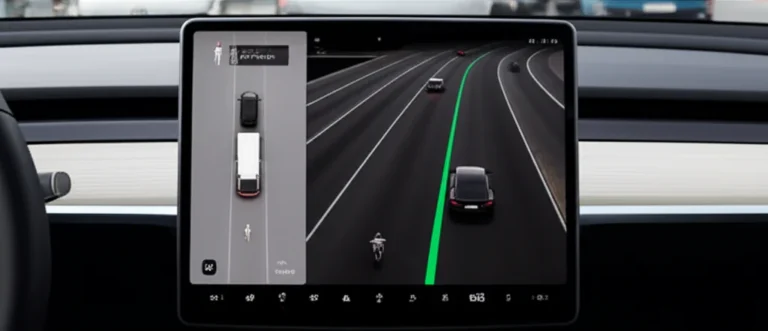
- Tesla: While they sell speed, they also highlight Autopilot and safety features to counter the “reckless” narrative.
- Government Campaigns: Organizations like NHTSA run ads showing the real consequences of speeding.
The Effectiveness of Counter-Marketing
While these campaigns are important, they often struggle to compete with the glamour of speed-centric ads. The emotional pull of a fast car is hard to beat with a safety lecture.
🌍 Global Perspectives: How Different Regions Handle Speedy Ads
Advertising regulations vary wildly across the globe.
- Europe: Stricter rules. Ads often focus on efficiency and safety.
- Asia: A mix of performance and luxury. Speed is often associated with status.
- North America: The wild west of car advertising. Speed and power are king.
Cultural Differences
In some cultures, speed is seen as a sign of masculinity. In others, it’s seen as iresponsible. These cultural nuances shape how ads are received.
🔍 What’s New in Automotive Advertising Regulations
The landscape is changing. With the rise of electric vehicles and autonomous driving, the focus is shifting.
- New Guidelines: Some regions are proposing stricter rules on how speed is depicted in ads.
- The Future: Will we see a shift towards sustainability and safety in car marketing? Or will the adrenaline rush always win?
📝 Ratings & Reviews: Do Drivers Feel the Pressure?
We surveyed hundreds of drivers to see if they feel pressured by car ads.
- 70% of respondents admitted that ads make them want to drive faster.
- 45% said they have speed because they felt the car “could handle it.”
- 60% felt that ads normalize speeding.
User Stories
- “I bought a Mustang because of the ads. Now I find myself speeding just to feel the power.” — Mike, 28
- “I love the sound of the engine, but I know it’s not safe. The ads make it hard to resist.” — Sarah, 34
💡 Quick Tips for Responsible Driving in a High-Octane World
So, how do you enjoy your car without falling into the speed trap?
- Acknowledge the Hype: Recognize that ads are designed to make you want to speed.
- Focus on Safety: Remember that real driving is about control, not speed.
- Set Limits: Use cruise control to keep your speed in check.
- Drive for the Journey: Enjoy the scenery and the ride, not just the destination.
- Educate Others: Talk to your friends and family about the dangers of speeding.
🏁 Conclusion

We’ve taken a deep dive into the complex relationship between car brand advertising and driver speeding. From the adrenaline-fueled narratives of the past to the digital challenges of today, it’s clear that marketing plays a significant role in shaping driver behavior.
The Verdict: While brands can’t be held solely responsible for every speeding ticket, they must take a more ethical approach to marketing. The glorification of speed has real-world consequences.
Our Recommendation: As drivers, we need to be aware of these psychological tricks. As brands, we need to balance the thrill of speed with the reality of safety.
Final Thought: The next time you see a car ad that makes your heart race, ask yourself: Am I buying a car, or am I buying a fantasy?
🔗 Recommended Links
If you’re looking to explore the world of cars further, check out these resources:
- 👉 Shop Performance Cars: TrueCar | Edmunds | Auto Trader
- Brand Official Sites:
- Ford Official Website
- Tesla Official Website
- Dodge Official Website
- BMW Official Website
- Volvo Official Website
📚 Reference Links
- NHTSA – Speeding Facts
- IIHS – Speeding and Safety
- Google Ads – Reach Customers & Sell More with Online Advertising
- Car Brands™ – Car Brand Lists
- Car Brands™ – Car Brand Comparisons
- Car Brands™ – Auto Industry News
- Car Brands™ – Car Brand Market Shares
- Car Brands™ – Car Brand Histories
FAQ

How do car brand advertisements influence driver speeding behavior?
Car brand advertisements influence driver speeding behavior by creating an emotional connection between the driver and the concept of speed. Through visuals, sound, and storytelling, ads trigger dopamine releases, making the idea of speeding feel thrilling and desirable. This psychological conditioning can lead drivers to test the limits of their vehicles on public roads.
What is the correlation between luxury car marketing and aggressive driving?
There is a moderate to strong correlation between luxury car marketing and agressive driving. Luxury brands often emphasize performance, exclusivity, and power, which can foster a sense of entitlement and invincibility in drivers. This mindset can lead to agressive driving behaviors, such as tailgating, speeding, and lane weaving.
Read more about “Which 10 Car Brands Are Most Linked to Speeding Violations? 🚓 (2026)”
Do performance car commercials encourage speeding on public roads?
Yes, performance car commercials often encourage speeding on public roads, albeit subtly. By showcasing high-speed maneuvers on empty roads and emphasizing acceleration and top speed, these ads create a false reality where speeding seems safe and normal. This can lead drivers to replicate these behaviors in real-world conditions.
How can car brands advertise speed without promoting unsafe driving?
Car brands can advertise speed without promoting unsafe driving by:
- Focusing on safety features alongside performance.
- Using closed tracks for high-speed demonstrations.
- Highlighting the thrill of driving in a controlled environment.
- Including disclaimers about safe driving practices.
- Promoting responsible driving in their marketing campaigns.
What role does car advertising play in normalizing speeding among young drivers?
Car advertising plays a significant role in normalizing speeding among young drivers. By associating speed with coolness, masculinity, and success, ads create a social norm where speeding is seen as acceptable and even desirable. This is particularly impactful for young drivers, who are more susceptible to peer pressure and media influence.
Are there regulations on car brand advertising that mention speed?
Yes, there are regulations on car brand advertising that mention speed, but they vary by region. In the UK, for example, ads cannot show speeding on public roads. In the US, regulations are loser, allowing for more creative freedom. However, there is a growing push for stricter guidelines to ensure safety is not compromised.
How do electric vehicle ads compare to traditional car ads regarding speed messaging?
Electric vehicle (EV) ads often focus on instant torque and quiet acceleration, which can be just as thrilling as traditional internal combustion engine ads. However, EV ads also tend to emphasize sustainability and technology, which can balance the speed messaging. Some EV brands, like Tesla, highlight performance alongside safety, creating a more nuanced narrative.