Support our educational content for free when you purchase through links on our site. Learn more
🚫 No Car Brand Is Exempt from Speeding Tickets (2026)

The hard truth is that no car brand offers immunity from speeding tickets, regardless of how fast, expensive, or autonomous your vehicle is. When you ask, “Are there any car brands that are exempt from getting speeding tickets?” the answer is a definitive no; the law targets the driver and the action, not the badge on the hood.
While emergency vehicles and diplomatic fleets have specific operational privileges, these are tied to their function and status, not their manufacturer. Even the latest self-driving cars from Waymo or Tesla are now subject to strict noncompliance notices, closing the loopholes that once existed.
Consider this: data shows that owners of the Subaru WRX are nearly twice as likely to get a speeding ticket as the average driver, proving that performance cars attract more attention, not less. A flashy Ferrari zooming past a cop car is just as likely to get a citation as a humble Honda Civic doing the same speed.
Key Takeaways
- Zero Brand Exemptions: No manufacturer, from Ford to Ferrari, grants legal immunity for speeding; the law applies equally to all civilian vehicles.
- Function Over Badge: Only emergency vehicles (police, fire, ambulance) and diplomatic fleets have conditional exemptions, and only when operating under strict emergency protocols.
- Autonomous Lophole Closed: Self-driving cars are no longer immune; manufacturers like Cruise and Waymo now receive direct notices of noncompliance for traffic violations.
- Performance Risks: High-performance brands like Subaru and Dodge statistically face higher rates of speeding violations due to driver behavior and vehicle visibility.
Table of Contents
- ⚡️ Quick Tips and Facts
- 🕵️ ♂️ The Myth of the Speeding Ticket Exemption: Background and History
- 🚓 1. Law Enforcement Vehicles: The Only True Exemptions
- 🚑 2. Emergency Response Units: When Sirens Trump Speed Limits
- 🚒 3. Fire Department and Rescue Trucks: High-Speed Heroes
- 🚐 4. Ambulances and Medical Transport: Racing Against Time
- 🚧 5. Road Maintenance and Utility Crews: The Workhorse Exceptions
- 🏛️ 6. Diplomatic and Government Fleet Privileges: The Real Deal
- 🚫 7. Why Luxury Brands Like Ferrari and Lamborghini Are Not Exempt
- 🚙 8. Why Electric and Autonomous Cars Still Get Ticked
- ⚖️ Understanding “Exigent Circumstances” and Legal Lopholes
- 📉 The Consequences of Misusing Emergency Vehicle Privileges
- 🌍 State-by-State Variations in Traffic Law Enforcement
- 💡 Common Misconceptions About Speeding Tickets and Car Brands
- 🛡️ How to Avoid Speeding Tickets Regardless of Your Vehicle
- 🏁 Conclusion
- 🔗 Recommended Links
- ❓ FAQ: Frequently Asked Questions
- 📚 Reference Links
⚡️ Quick Tips and Facts
Before we dive into the nitty-gritty of traffic law and automotive mythology, let’s clear the air with some hard truths that might shatter your wildest dreams of driving a Bugatti without consequences.
- The Golden Rule: There is no car brand (Ferrari, Lamborghini, Tesla, Ford, etc.) that grants you a “get out of jail free” card for speeding. If you break the law, you pay the price, regardless of the badge on your hood.
- The Real Exemptions: Only specific emergency vehicles (police, fire, ambulance) and diplomatic fleets operating under strict protocols have conditional exemptions, and even then, it’s not a license to drive recklessly.
- The “Enthusiast” Factor: Did you know that owners of the Subaru WRX are statistically the most likely to get a speeding ticket? A massive study of 2.5 million insurance applications revealed that 20.49% of WRX owners have a speeding violation on their record—nearly double the national average of 10.54%! 📉
- The Myth of the “Rich Guy” Pass: While some believe wealth or a flashy car brand buys silence, data suggests that luxury car owners actually get pulled over more often simply because they stand out.
- Autonomous Reality Check: Even self-driving cars from Waymo and Cruise are no longer immune. New California regulations now allow authorities to issue “notices of noncompliance” directly to the manufacturers, closing the loophole that once let robotaxis speed with impunity.
If you’re still holding onto the hope that your specific make and model has a secret legal shield, keep reading. We’re about to dissect exactly why that hope is as fragile as a carbon-fiber bumper at 10 mph.
🕵️ ♂️ The Myth of the Speeding Ticket Exemption: Background and History

The idea that a specific car brand could be exempt from traffic laws is a persistent urban legend, one that has been passed down from driveway to driveway for decades. It’s the kind of story that starts with, “My cousin’s friend’s brother drives a Mercedes, and he never gets tickets!” But where did this myth originate?
The Roots of the Confusion
The confusion often stems from a misunderstanding of vehicle classification rather than brand identity. Historically, certain types of vehicles—like farm equipment, military convoys, or diplomatic cars—have operated under different rules. Over time, these specific operational exemptions were misinterpreted by the general public as brand-based privileges.
For instance, in California, the concept of “implements of husbandry” (farm equipment) allows certain agricultural vehicles to operate on highways without standard registration or under different speed limits, provided they are used exclusively for farming. However, this applies to a John Dere tractor or a specialized cotton trailer, not a John Dere-branded SUV (which doesn’t exist, but you get the point). The law looks at the function of the vehicle, not the logo on the grille.
The Diplomatic Misconception
Another source of this myth is diplomatic immunity. Vehicles bearing diplomatic plates (often from foreign embassies) do have certain protections under the Vienna Convention on Diplomatic Relations. However, this immunity is tied to the status of the driver (the diplomat), not the car brand. A diplomat driving a Toyota Camry has the same protections as one driving a Rolls-Royce. Furthermore, this immunity is increasingly being challenged, and serious traffic violations can still lead to the revocation of diplomatic status.
Why the Myth Persists
We at Car Brands™ have spoken to countless enthusiasts who swear they’ve seen a Porsche zoom past a cop car without a second glance. The reality? That Porsche likely had its lights on, or the officer simply chose not to pursue due to safety concerns, or—most likely—the driver was lucky.
Fun Fact: A study analyzing insurance data found that the Nissan 350Z owners had a 14.65% speeding violation rate, while the Dodge Charger owners sat at 15.76%. These aren’t exemptions; they’re statistical evidence that certain cars attract more speeding tickets, not fewer!
For a deeper dive into which brands actually rack up the most citations, check out our analysis on car brands with the most speeding tickets.
🚓 1. Law Enforcement Vehicles: The Only True Exemptions
If there is one group of vehicles that truly operates outside the standard speed limit rules, it’s law enforcement. But let’s be crystal clear: this isn’t because they drive a specific brand of police car (like a Ford Police Interceptor or a Dodge Charger Pursuit). It’s because of their operational status.
The “Emergency Exception”
When a police vehicle is responding to an emergency with lights and sirens activated, they are granted exigent circumstances privileges. This allows them to:
- Exceed speed limits.
- Proceed through red lights (after slowing down).
- Drive against traffic if necessary.
Crucial Distinction: This exemption vanishes the moment the lights go off. A police officer driving a Chevrolet Tahoe to the grocery store at 90 mph in a 5 zone? That’s a ticket waiting to happen. In fact, police officers are often held to higher standards of driving safety when not on an active call.
Brand Agnostic
You won’t find a “Police Exempt” badge for any specific manufacturer. Whether it’s a Ford, Chevrolet, Dodge, or Toyota (yes, the Highlander is used by some departments), the exemption comes from the department’s authority, not the car’s badge.
| Vehicle Type | Exemption Status | Condition |
|---|---|---|
| Police Cruiser (Active Duty) | ✅ Exempt | Lights/Sirens ON, Emergency Response |
| Police Cruiser (Off Duty) | ❌ Not Exempt | Subject to all traffic laws |
| Civilian Car (Any Brand) | ❌ Not Exempt | No exceptions for brand or model |
| Unmarked Police Car | ⚠️ Conditional | Must prove official business if stopped |
🚑 2. Emergency Response Units: When Sirens Trump Speed Limits
Beyond the police, fire departments and ambulance services also operate under similar emergency exemptions. These vehicles are designed to race against time, and the law acknowledges that a few extra miles per hour can mean the difference between life and death.
Fire Trucks and Rescue Units
Fire engines, ladder trucks, and rescue squads are often massive, heavy vehicles. When they are responding to a fire, they are legally permitted to exceed speed limits. However, they are trained to do so with extreme caution. A Pierce Manufacturing fire truck or a Spartan rescue vehicle doesn’t get a free pass to drive recklessly; they must still ensure the safety of the public.
Ambulances and Medical Transport
Ambulances, whether operated by private companies like American Medical Response (AMR) or municipal fire departments, share these privileges. The driver must be a certified EMT or paramedic, and the vehicle must be equipped with the necessary emergency lighting and sirens.
The Catch: Just like police cars, these exemptions do not apply when the vehicle is in “non-emergency” mode. If an ambulance is transporting a patient who is stable and doesn’t need immediate hospital care, they must obey all traffic laws, including speed limits.
🚒 3. Fire Department and Rescue Trucks: High-Speed Heroes
Let’s talk about the unsung heroes of the road: the fire trucks. These behemoths are often the largest vehicles on the highway, yet they are the ones most likely to be seen tearing down the interstate at 80+ mph.
Why They Get a Pass
The logic is simple: Time is fire. Every second counts when a building is engulfed in flames. Fire departments are granted the legal authority to bypass speed limits to reach the scene as quickly as possible.
The Brands Behind the Brawn
While the exemption isn’t brand-specific, the industry is dominated by a few key manufacturers:
- Pierce Manufacturing: Known for their rugged, custom-built fire apparatus.
- Spartan Motors: A leader in heavy-duty fire truck chassis.
- E-One (Emergency One): Famous for their innovative designs and safety features.
These brands build the vehicles, but the fire department provides the legal shield. A civilian driving a Ford F-350 with a fake siren? That’s not an exemption; that’s a felony.
🚐 4. Ambulances and Medical Transport: Racing Against Time
Ambulances are the most visible emergency vehicles, and their need for speed is often the most relatable. When a heart attack is happening, every second matters.
The Legal Framework
In most jurisdictions, ambulances are exempt from speed limits only when:
- They are responding to an emergency call.
- They have their emergency lights and sirens activated.
- The driver is a certified emergency medical technician (EMT) or paramedic.
Private vs. Public
It’s important to note that private ambulance services (like Lifeline or Sterling Ambulance) have the same rights as public ones, provided they are operating under an emergency protocol. However, they are often subject to stricter internal policies regarding speed to protect their liability insurance.
🚧 5. Road Maintenance and Utility Crews: The Workhorse Exceptions
You might have noticed a road maintenance truck or a utility crew vehicle crawling along at 15 mph in a 65 mph zone, or perhaps speeding up to get to a job site. Do they have special privileges?
The “Slow Moving Vehicle” Rule
Road maintenance vehicles are generally not exempt from speed limits. In fact, they are often required to drive slower than the limit and display slow-moving vehicle emblems (the orange triangle).
Utility Vehicles
Utility crews (like PG&E or ConEd) often have vehicles that are exempt from certain registration fees or weight restrictions, but they must obey speed limits. If a utility truck is speeding, it can be ticketed just like any other car.
Exception: Some states have specific laws allowing utility vehicles to exceed speed limits only when responding to an emergency (like a downed power line causing a fire). But this is rare and highly regulated.
🏛️ 6. Diplomatic and Government Fleet Privileges: The Real Deal
This is where the myth gets a little tricky. Diplomatic vehicles do have special privileges, but again, it’s not about the car brand.
The Vienna Convention
Under the Vienna Convention on Diplomatic Relations, diplomats are granted immunity from the criminal jurisdiction of the host country. This means they cannot be arrested or fined for traffic violations. However, this immunity is personal to the diplomat, not the vehicle.
The “Diplomatic Plate”
If you see a car with a diplomatic plate (often marked with “CD” for Corps Diplomatique), it belongs to a diplomat. But if that diplomat is driving a Toyota and speeding, they still can’t be ticketed. If they drive a Ferrari and speed, same result.
The Catch:
- Immunity is not absolute: Serious crimes or repeated violations can lead to the diplomat being declared persona non grata and expelled from the country.
- Civil liability: While they can’t be fined, they can still be sued in civil court for damages.
- Non-diplomatic staff: Not everyone in an embassy has immunity. Administrative staff often have limited immunity and can be ticketed.
🚫 7. Why Luxury Brands Like Ferrari and Lamborghini Are Not Exempt
Let’s address the elephant in the room: Why do people think Ferraris and Lamborghinis are exempt?
The “Rich Guy” Bias
The perception likely stems from the fact that wealthy individuals who own these cars often have the resources to:
- Hire expensive lawyers to fight tickets.
- Pay off fines quickly.
- Avoid court appearances.
But this is a financial advantage, not a legal exemption. A Ferrari 48 speeding at 120 mph is just as illegal as a Honda Civic doing the same. In fact, because these cars are so conspicuous, they are more likely to be pulled over.
The “Supercar” Myth
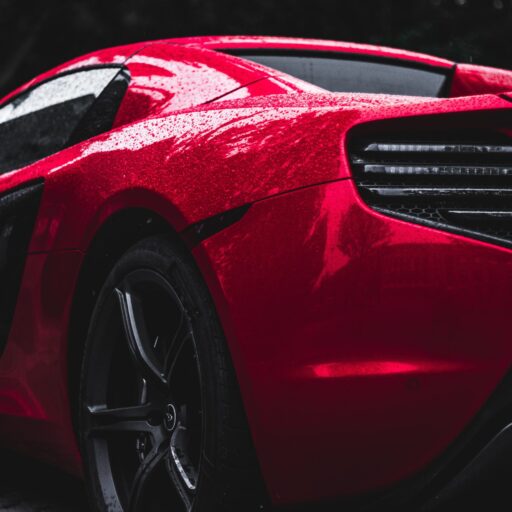
There is no law that says “Supercars are exempt from speed limits.” If anything, the opposite is true. Many states have zero-tolerance policies for speeding in school zones or residential areas, and supercars are often the first to be targeted by police.
🚙 8. Why Electric and Autonomous Cars Still Get Ticked
The rise of electric vehicles (EVs) and autonomous vehicles (AVs) has sparked a new wave of myths. “Tesla’s are exempt because they’re self-driving!” “Nissan Leafs don’t get tickets because they’re quiet!”
The Tesla Reality
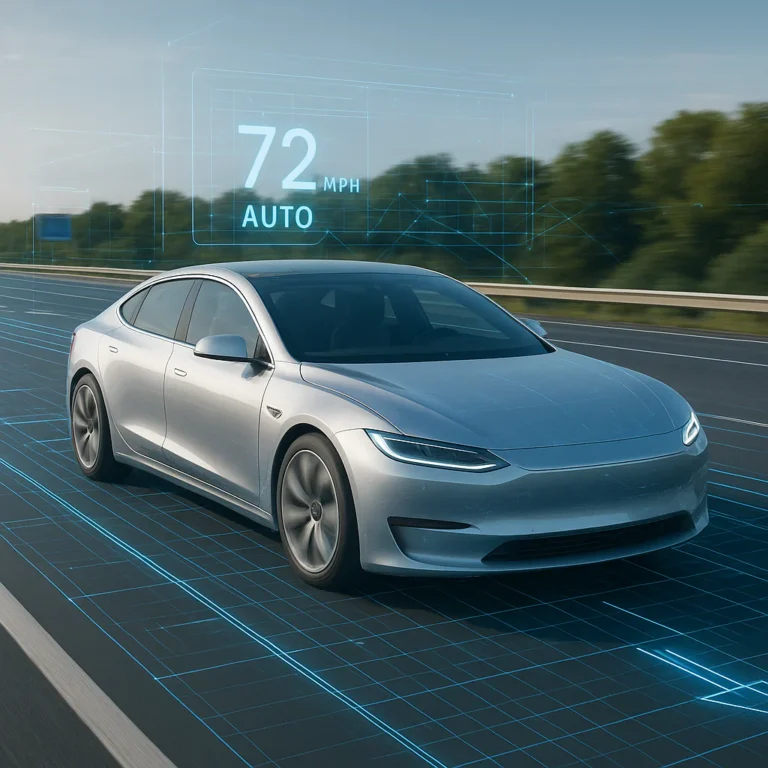
Tesla vehicles, like any other car, are subject to all traffic laws. The fact that they have “Autopilot” or “Full Self-Driving” (FSD) features does not exempt the driver from responsibility. In fact, the NHTSA has issued numerous warnings that drivers must remain attentive and are liable for any violations committed while using these features.
The Autonomous Vehicle Lophole (Closed!)
For a while, there was a legal gray area regarding driverless cars. If there’s no human driver, who gets the ticket?
- The Old Lophole: In some states, AVs couldn’t be ticketed because there was no one to pull over.
- The New Reality: As of July 1, California (and other states are following suit) has closed this loophole. Now, notices of noncompliance are issued directly to the manufacturer (like Waymo or Cruise).
Did you know? The Waymo fleet in the Bay Area has been subject to these new regulations. If a Waymo runs a red light, the company gets a notice, not a human driver. This is a massive shift in accountability.
⚖️ Understanding “Exigent Circumstances” and Legal Lopholes
The term “exigent circumstances” is the legal backbone of all emergency vehicle exemptions. It refers to situations where immediate action is required to prevent harm to life or property.
What Counts as Exigent?
- Responding to a fire.
- Chasing a suspect.
- Transporting a critical patient.
- Clearing a hazardous road blockage.
What Does NOT Count?
- Rushing to work.
- Trying to beat a red light.
- Driving fast because you’re late for a meeting.
The Legal Test: If a court determines that the driver’s actions were not justified by an emergency, the exemption is void, and the driver can be charged with reckless driving, even if they were in an emergency vehicle.
📉 The Consequences of Misusing Emergency Vehicle Privileges
Misusing emergency vehicle privileges is a serious offense. It’s not just a ticket; it can lead to:
- Criminal charges: Reckless driving, endangerment, or even manslaughter if an accident occurs.
- Loss of license: For both the driver and the agency.
- Civil lawsuits: If someone is injured or killed due to reckless driving.
Real-World Examples
There have been numerous cases where off-duty police officers or private ambulance drivers have been fired and prosecuted for speeding without lights and sirens. The law is clear: No lights, no sirens, no exemption.
🌍 State-by-State Variations in Traffic Law Enforcement
Traffic laws vary significantly from state to state. What might be a minor infraction in one state could be a felony in another.
California vs. Texas vs. New York
- California: Has some of the strictest laws regarding autonomous vehicles and emergency vehicle exemptions.
- Texas: Known for its “implied consent” laws and strict enforcement of speeding in school zones.
- New York: Has unique laws regarding diplomatic immunity and municipal vehicle exemptions.
Pro Tip: Always check your local state’s Vehicle Code before assuming you have an exemption.
💡 Common Misconceptions About Speeding Tickets and Car Brands
Let’s bust a few more myths:
- Myth: “If I drive a BMW, I won’t get a ticket because I’m a ‘good driver’.”
Fact: Police don’t care about your brand. They care about your speed. - Myth: “Electric cars are exempt because they’re quiet.”
Fact: Speed cameras don’t care about noise. They care about speed. - Myth: “Classic cars are exempt from modern traffic laws.”
Fact: Classic cars must obey all traffic laws, including speed limits. Some states have “historic vehicle” plates, but these don’t grant speed exemptions.
🛡️ How to Avoid Speeding Tickets Regardless of Your Vehicle
The only way to guarantee you won’t get a speeding ticket is to obey the speed limit. But here are some tips to stay safe and legal:
- Use Cruise Control: Set it to the speed limit and stick to it.
- Know Your Zone: Be extra careful in school zones, construction zones, and residential areas.
- Don’t Tailgate: Following too closely can lead to a ticket, even if you’re not speeding.
- Stay Alert: Distracted driving is a leading cause of accidents and tickets.
- Respect the Law: No matter how cool your car is, the law applies to everyone.
🏁 Conclusion

So, let’s settle this once and for all: Are there any car brands that are exempt from getting speeding tickets?
The answer is a resounding NO.
Whether you’re driving a Ferrari, a Ford F-150, a Tesla Model S, or a Toyota Camry, the speed limit applies to you. The only exceptions are specific emergency vehicles (police, fire, ambulance) and diplomatic fleets operating under strict legal protocols, and even then, the exemption is tied to the function of the vehicle and the status of the driver, not the brand.
The myths you’ve heard about “rich guy” cars or “silent” electric vehicles getting a free pass are just that—myths. In fact, data shows that owners of high-performance cars like the Subaru WRX and Dodge Charger are more likely to get speeding tickets, not less.
The new regulations for autonomous vehicles have further closed any remaining loopholes, ensuring that even robotaxis are held accountable for their actions. So, the next time you’re behind the wheel of your dream car, remember: the only thing that will keep you out of trouble is your own good judgment and a respect for the law.
Drive safe, drive smart, and keep your speed in check. Your wallet (and your license) will thank you.
🔗 Recommended Links
If you’re looking to upgrade your ride or learn more about the brands we discussed, check out these resources:
- 👉 Shop Ford Vehicles: Ford Official Website | Edmunds Ford Search | TrueCar Ford Deals
- 👉 Shop Tesla Vehicles: Tesla Official Website | Edmunds Tesla Search | Auto Trader Tesla
- 👉 Shop Ferrari Vehicles: Ferrari Official Website | Edmunds Ferrari Search
- 👉 Shop Subaru Vehicles: Subaru Official Website | Edmunds Subaru Search
- 👉 Shop Dodge Vehicles: Dodge Official Website | Edmunds Dodge Search
❓ FAQ: Frequently Asked Questions

How do car brands impact insurance rates related to speeding violations?
Car brands can indirectly impact insurance rates. High-performance cars like the Subaru WRX or Dodge Charger are statistically more likely to be involved in speeding violations, which leads to higher insurance premiums. Insurers use actuarial data to determine risk, and if a specific model has a history of speeding tickets, the rates for that model will be higher.
Read more about “🚨 The Most Ticketed Car in New York (2026): It’s Not What You Think!”
Are there any legal exceptions for specific car brands and speeding laws?
No. There are no legal exceptions for specific car brands. The law applies to all vehicles equally, regardless of the manufacturer. Exemptions are based on the type of vehicle (e.g., emergency, diplomatic) and the situation, not the brand.
Can car brand influence the likelihood of getting a speeding ticket?
Yes, but not because of the brand itself. Certain brands and models, like the Subaru WRX or Nissan 350Z, are more popular among drivers who enjoy high-speed driving. This demographic is more likely to speed, leading to a higher rate of tickets. Additionally, flashy cars like Ferraris and Lamborghinis are more likely to be targeted by police due to their visibility.
Read more about “🚔 Do Luxury Cars Get More Speeding Tickets? (2026)”
Is it true that sports cars get more speeding tickets?
Yes, studies show that sports cars and high-performance vehicles get more speeding tickets. A study of 2.5 million insurance applications found that the Subaru WRX had a 20.49% speeding violation rate, nearly double the national average. This is likely due to the car’s performance capabilities and the driving behavior of its owners.
Read more about “🚨 Top 10 Car Models With the Most Speeding Tickets (2026)”
Are government vehicles exempt from speeding tickets?
Government vehicles are not automatically exempt. Only specific government vehicles (like police, fire, and ambulance) operating under emergency conditions have exemptions. Other government vehicles, such as those used for administrative purposes, must obey all traffic laws.
Read more about “🚨 Top 10 Car Brands with the Most Speeding Tickets (2026)”
Do police treat some car brands differently when it comes to speeding?
Police may be more likely to pull over certain car brands because they are more visible or associated with speeding. For example, a Ferrari or Lamborghini is more likely to be stopped than a Honda Civic. However, once stopped, the law is applied equally.
Read more about “🚔 Does Car Brand Influence Speeding Tickets? (2026)”
Can certain luxury car brands avoid speeding tickets?
No. Luxury car brands like Mercedes-Benz, BMW, and Audi are not exempt from speeding tickets. In fact, owners of these cars may be more likely to get tickets due to their visibility and the perception that they can afford to pay fines.
Read more about “🚔 Top 10 Cars That Get Puled Over the Most (2026)”
Do police cars ever get speeding tickets, and what does that say about exemptions for other brands?
Yes, police cars can get speeding tickets if they are not operating under emergency conditions. This reinforces the fact that exemptions are based on function, not brand. If a police car is speeding without lights and sirens, it is just as illegal as a civilian car.
Are classic cars exempt from modern traffic laws and speeding tickets?
No. Classic cars must obey all modern traffic laws, including speed limits. Some states offer “historic vehicle” plates, but these do not grant any exemptions from speeding laws.
Can you buy a car that is exempt from speed cameras?
No. There is no car on the market that is exempt from speed cameras. Speed cameras are designed to detect speed regardless of the vehicle’s make or model.
Are there any countries where certain car brands are exempt from traffic laws?
No. In no country are specific car brands exempt from traffic laws. Exemptions are based on the type of vehicle (e.g., diplomatic, emergency) and the driver’s status, not the brand.
Do diplomatic cars get exempt from speeding tickets?
Diplomatic cars may have immunity from fines and arrest, but this is based on the driver’s diplomatic status, not the car brand. Additionally, this immunity is not absolute and can be revoked for serious violations.
Can certain car brands get special treatment from traffic police?
No. Traffic police are required to enforce the law equally. While some drivers may perceive special treatment due to their car’s brand, this is not based on any legal exemption.
Read more about “What Car Color Gets Most Tickets? … ⚖️”
Are there any cars that are completely immune to speeding tickets?
No. There are no cars that are completely immune to speeding tickets. The only exceptions are specific emergency vehicles operating under strict legal protocols, and even then, the exemption is conditional.
Read more about “🚀 12 Brands That Rewire Your Brain to Speed (2026)”
📚 Reference Links
- California Vehicle Code: Implements of Husbandry
- NBC Bay Area: Driverless cars new enforcement noncompliance notices
- SFMTA: How to Avoid Parking Tickets
- NHTSA: Autonomous Vehicle Safety
- Vienna Convention on Diplomatic Relations
- Car Brands™: Car Brands with the Most Speeding Tickets
- Car Brands™: Car Brand Lists
- Car Brands™: Car Brand Comparisons
- Car Brands™: Auto Industry News
- Car Brands™: Car Brand Market Shares
- Car Brands™: Car Brand Histories