Support our educational content for free when you purchase through links on our site. Learn more
🚀 15 Automotive Industry Trends Reshaping Your Drive (2026)

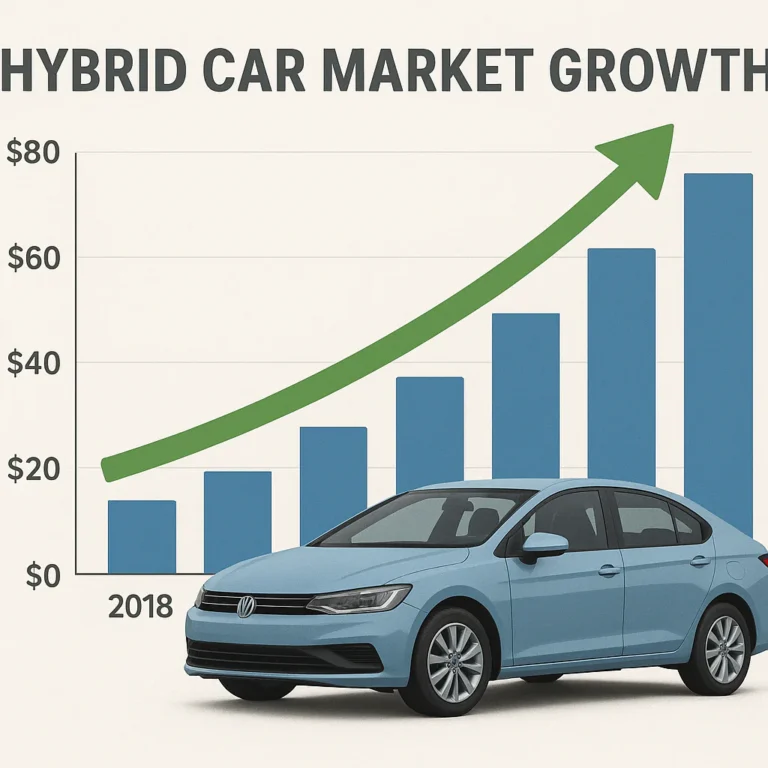
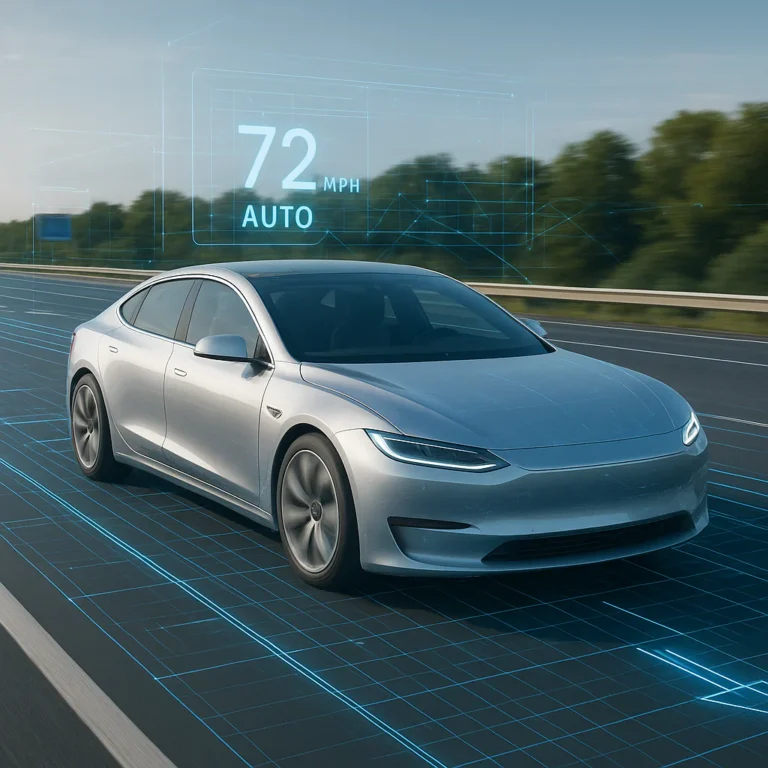
The future of driving is electric, software-defined, and increasingly shared, with electric vehicles (EVs) and autonomous technology leading a radical transformation across the automotive industry trends of 2026. Forget the slow evolution of the past; we are witnessing a seismic shift where your car is becoming a smart device on wheels, and the traditional ownership model is cracking under the weight of subscription services and ride-sharing.
Remember the last time you waited in a dealership for a chip that never arrived? That chaos was just the opening act. Today, Chinese giants like BYD are selling EVs for half the price of Western rivals, while Tesla and Mercedes race to perfect self-driving software that could finally make traffic jams a thing of the past.
The numbers don’t lie: 50% of all new vehicles sold in 2024 were SUVs or trucks, and without the surge in electrification, our fleet’s average fuel economy would have plummeted. We are standing at the crossroads of a new era where the engine is secondary to the algorithm.
Key Takeaways
- Electrification is non-negotiable: EVs and hybrids are the only reason fleet fuel economy is rising, with solid-state batteries on the horizon to solve range anxiety.
- Software defines the vehicle: The car of 2026 is a software-defined machine, relying on over-the-air updates and AI for safety and performance.
- Ownership is evolving: The shift toward subscription models and Mobility as a Service (MaaS) is challenging the traditional “buy and own” mindset.
- SUVs dominate the road: Despite efficiency goals, the market is overwhelmingly favoring SUVs and trucks, creating a paradox for emissions targets.
- Supply chains are being rebuilt: Geopolitics and chip shortages have forced manufacturers to reshore production and diversify battery sourcing.
Table of Contents
- ⚡️ Quick Tips and Facts
- 📜 From Horseless Cariages to Software on Wheels: A Brief History of Automotive Evolution
- 🚗 The Electric Revolution: How EVs Are Rewriting the Rules of the Road
- 🤖 Autonomous Driving: Are We Ready to Let the Car Drive Itself?
- 🔋 Battery Technology Breakthroughs: The Heart of the Green Transition
- 📱 Connected Car Ecosystems: Your Vehicle as a Smart Device on Wheels
- 🛒 The Shift in Ownership: Subscription Models, Ride-Sharing, and the End of the 4-Wheel Purchase?
- 🌍 Sustainability and Circular Economy: Beyond Just Tailpipe Emissions
- 🏭 Supply Chain Resilience: How Chip Shortages and Geopolitics Reshaped Manufacturing
- 🛡️ Cybersecurity in the Age of Connected Vehicles: Protecting Your Digital Ride
- 🚙 The SUV and Truck Dominance: Why Everyone Wants a Big Vehicle
- 🛠️ Advanced Driver Assistance Systems (ADAS): The Safety Net We Can’t Live Without
- 🌐 Global Market Shifts: How China and Emerging Markets Are Changing the Game
- 🔮 Future Predictions: What the Next Decade Holds for the Auto Industry
- 💡 Conclusion
- 🔗 Recommended Links
- ❓ FAQ
- 📚 Reference Links
⚡️ Quick Tips and Facts
Before we rev up the engines and dive into the deep end of the automotive ocean, let’s hit the pause button for a few quick hits that might just blow your mind. We’ve been crunching the numbers and sniffing out the latest data, and here is what the road looks like right now:
- Record-Breaking Efficiency: Despite the massive shift toward heavier SUVs, the average new vehicle in the US hit a real-world fuel economy of 27.2 mpg in 2024. That’s a 41% improvement since 204! 📈
- The Electric Factor: Without Battery Electric Vehicles (BEVs) and Plug-in Hybrids (PHEVs), that average would have dropped by 1.7 mpg. Electrification is the unsung hero keeping our fleet efficient. ⚡
- SUV Supremacy: The sedan is officially the “new” classic. In 2024, 50% of all new vehicles produced were SUVs or trucks. Sedans? They barely scrape by at 34%. 🚙
- The Price Tag Reality: The average transaction price for a new vehicle has balloned past $45,0, squeezing wallets and forcing many to look at the used market or delay purchases. 💸
- China’s Quiet Takeover: While we argue about charging stations, Chinese manufacturers like BYD are exporting millions of vehicles, offering EVs at prices nearly 50% lower than their European counterparts. 🌏
For a deeper dive into how these numbers stack up against historical data, check out our breakdown of car brand statistics to see who is actually leading the pack in efficiency and sales.
📜 From Horseless Cariages to Software on Wheels: A Brief History of Automotive Evolution

You know that feeling when you realize your toaster is smarter than your grandfather’s car? That’s the story of the automotive industry in a nutshell. We’ve gone from clunky, hand-cranked contraptions that smelled of coal and fear to rolling supercomputers that can park themselves (mostly).
The Internal Combustion Era: The Long Goodbye
For over a century, the Internal Combustion Engine (ICE) was the undisputed king. Henry Ford’s assembly line didn’t just make cars affordable; it made them a lifestyle. But as we moved into the 21st century, the cracks started showing. Emissions regulations tightened, oil prices fluctuated like a rollercoaster, and the world started demanding something cleaner.
We saw the rise of the hybrid as a compromise. Toyota with the Prius showed us that you could have your cake and eat it too, at least in terms of fuel economy. But the real plot twist was coming.
The Electric Awakening
It wasn’t just Tesla that started the electric revolution, though Elon Musk certainly turned up the volume. The industry was forced to pivot. Governments set deadlines for banning ICE sales (looking at you, EU and California), and the tech giants started eyeing the car market. Suddenly, a car wasn’t just a machine; it was a software-defined vehicle.
“The transition isn’t just about swapping a gas tank for a battery; it’s about reimagining what a vehicle is.” — Car Brands™ Editorial Team
The shift has been messy. We’ve seen supply chains crumble, chip shortages halt production lines, and prices skyrocket. But the direction is clear. If you want to understand how we got here, you need to look at our Car Brand Histories to see how legacy brands like Ford and GM are scrambling to catch up with the new kids on the block.
🚗 The Electric Revolution: How EVs Are Rewriting the Rules of the Road
Let’s be honest: the electric vehicle (EV) landscape is a battlefield. On one side, we have the legacy automakers trying to pivot their massive fleets. On the other, the tech-native disruptors. And in the middle? Us, the consumers, trying to figure out if we should buy a Rivian, a Hyundai Ioniq 5, or stick with a Ford F-150 Lightning.
The Range Anxiety Myth (Is it Dead Yet?)
Remember when “range anxiety” was the number one reason people wouldn’t buy an EV? That’s fading fast. Modern EVs like the Lucid Air or the Mercedes EQS are pushing past 40 miles on a single charge. But here’s the catch: real-world range often differs from the EPA estimates, especially in winter or at highway speeds.
The Price Parity Problem
Here’s a hard truth: EVs are still expensive. In the US, the average EV costs about 15–20% more than its gas-powered counterpart. However, in China, we’ve hit price parity. Why? Because BYD and others have mastered the supply chain, particularly with Lithium Iron Phosphate (LFP) batteries which are cheaper and safer, though slightly less energy-dense.
The Infrastructure Gap
You can buy the car, but can you charge it? The US charging network is a patchwork quilt of Tesla Superchargers, Electrify America, and EVgo. It works, but it’s not seamless. Meanwhile, Europe and China are miles ahead in public charging density.
👉 CHECK PRICE on:
- Tesla Model Y: Tesla Official | Edmunds | TrueCar
- Ford Mustang Mach-E: Ford Official | Edmunds | Auto Trader
- Hyundai Ioniq 5: Hyundai Official | Edmunds | CarGurus
🤖 Autonomous Driving: Are We Ready to Let the Car Drive Itself?
Hold your horses (or your steering wheels). We are not quite at the “Star Trek” level where you can sleep while your car drives you to the moon. But we are getting there.
The Levels of Autonomy
It’s not a binary switch. The SAE International defines six levels of driving automation:
- Level 0-2: You are driving. The car helps (lane keep, adaptive cruise).
- Level 3: The car drives sometimes, but you must be ready to take over. (Enter Mercedes-Benz Drive Pilot).
- Level 4: The car drives itself in specific areas (geofenced). Think Waymo in Phoenix or Cruise in San Francisco.
- Level 5: Full autonomy, everywhere, anytime. This is the holy grail, and it’s still a distant dream.
The Hype vs. Reality
Remember when Tesla’s Full Self-Driving (FSD) was going to be here yesterday? It’s still in beta. And while GM’s Super Cruise and Ford’s BlueCruise are impressive, they are still Level 2 systems that require your eyes on the road.
The industry is hitting a wall. The “edge cases”—the weird, unpredictable scenarios like a construction worker waving you through a detour—still stump AI.
“We thought AI would solve traffic by 2020. Turns out, AI still struggles with a plastic bag blowing across the highway.” — Car Brands™ Reviewer
🔋 Battery Technology Breakthroughs: The Heart of the Green Transition
If the engine is the heart of a gas car, the battery is the soul of an EV. And right now, that soul is evolving faster than we can charge it.
Chemistry Wars: NMC vs. LFP
- NMC (Nickel Manganese Cobalt): High energy density, great for long range, but expensive and relies on scarce cobalt. Used by Tesla (long-range models) and BMW.
- LFP (Lithium Iron Phosphate): Cheaper, safer, longer cycle life, but heavier and less range. Dominating the mass market, especially in China with BYD’s Blade Battery.
Solid-State Batteries: The Next Big Thing?
Everyone is talking about solid-state batteries. They promise higher energy density, faster charging, and no fire risk. Companies like QuantumScape and Toyota are pouring billions into R&D. But don’t hold your breath for a mass-market solid-state EV before 2027 or 2028.
Recycling: The Circular Economy
What happens when the battery dies? The industry is scrambling to build recycling plants. Redwood Materials and Li-Cycle are leading the charge to recover lithium, cobalt, and nickel, reducing the need for new mining.
📱 Connected Car Ecosystems: Your Vehicle as a Smart Device on Wheels
Your car is no longer just a mode of transport; it’s a smart device on wheels. We’re talking over-the-air (OTA) updates that fix bugs or add features while you sleep.
The Ecosystem Battle
- Tesla: The walled garden. Everything works seamlessly, but you’re stuck in their ecosystem.
- Android Automotive: Volvo, Polestar, and GM are integrating Google’s OS directly into the dash. No phone needed.
- Apple CarPlay / Android Auto: The old guard. Still relevant, but slowly being replaced by native systems.
Data Privacy: The Elephant in the Room
Your car knows where you go, how fast you drive, and even if you’re talking to your passengers. Who owns that data? The manufacturer? The insurance company? You? It’s a legal minefield.
🛒 The Shift in Ownership: Subscription Models, Ride-Sharing, and the End of the 4-Wheel Purchase?
Do you really need to own a car? That’s the question keeping CEOs up at night.
Subscription Services
Why buy a car when you can subscribe to one? Porsche, Volvo, and BMW offer monthly subscriptions that include insurance, maintenance, and even the ability to swap cars. It’s the “Netflix of cars.”
The Rise of MaaS (Mobility as a Service)
In dense cities, ride-sharing (Uber, Lyft) and micro-mobility (e-scoters) are eating into car sales. Why own a car that sits parked 95% of the time?
The Used Car Market Boom
With new car prices so high, the used car market is hotter than ever. Consumers are holding onto their cars longer, delaying new purchases. This is a double-edged sword: it keeps the roads full of older, less efficient cars, but it also stabilizes the market.
🌍 Sustainability and Circular Economy: Beyond Just Tailpipe Emissions
It’s not just about zero emissions while driving. It’s about the entire lifecycle.
Green Manufacturing
Volvo aims to be a fully circular company by 2040. Ford is using recycled ocean plastics in their seats. BMW is using green steel produced with hydrogen.
The Supply Chain Dilemma
Mining for lithium and cobalt has a heavy human and environmental cost. The industry is under pressure to ensure ethical sourcing. The EU’s Battery Regulation is forcing manufacturers to disclose the carbon footprint of their batteries.
🏭 Supply Chain Resilience: How Chip Shortages and Geopolitics Reshaped Manufacturing
Remember the chip shortage of 2021-202? It brought the global auto industry to its knees. Cars were rolling off the line without infotainment systems or even basic features.
Reshoring and Friend-shoring
To avoid future shocks, manufacturers are moving production closer to home. The US Inflation Reduction Act is pushing companies to build batteries and assemble cars in North America to qualify for tax credits.
Geopolitical Tensions
The trade war between the US/EU and China is complicating things. Tariffs on Chinese EVs are rising, and supply chains are being restructured to reduce dependency on any single region.
🛡️ Cybersecurity in the Age of Connected Vehicles: Protecting Your Digital Ride
If your car is a computer, it can be hacked. And it has been.
The Threat Landscape
Hackers have remotely disabled cars, stolen data, and even held vehicles for ransom. As cars become more connected, the attack surface grows.
The Defense
Manufacturers are hiring white-hat hackers to test their systems. Tesla has a bug bounty program that pays researchers thousands of dollars for finding vulnerabilities. The NHTSA is also tightening regulations on cybersecurity standards.
🚙 The SUV and Truck Dominance: Why Everyone Wants a Big Vehicle
Why are we all driving tanks? It’s a mix of safety perception, utility, and marketing.
The Safety Paradox
SUVs are safer for you in a crash, but more dangerous for others (pedestrians, smaller cars). The higher ride height and heavier weight make them deadly in collisions.
The Market Shift
As mentioned, 50% of new vehicles are SUVs or trucks. Sedans are dying. Even luxury brands like Rolls-Royce and Bentley have pivoted to SUVs because that’s where the money is.
The Fuel Economy Trade-off
This shift is the main reason why fleet-wide fuel economy gains are slowing down. A Ford F-150 is getting better mileage, but it’s still a gas guzzler compared to a Honda Civic.
🛠️ Advanced Driver Assistance Systems (ADAS): The Safety Net We Can’t Live Without
You probably have them, even if you don’t know it. Automatic Emergency Braking (AEB), Lane Keep Assist, and Blind Spot Monitoring are now standard on almost every new car.
The Impact on Safety
These systems are saving lives. The IIHS reports that AEB reduces rear-end crashes by nearly 50%.
The Over-Reliance Problem
The danger is that drivers get too comfortable. They treat Level 2 systems as Level 4. We’ve seen too many accidents where drivers are asleep or watching movies while the car is “driving.”
🌐 Global Market Shifts: How China and Emerging Markets Are Changing the Game
The center of gravity is shifting East.
China’s Dominance
China is the largest EV market in the world. BYD has surpassed Tesla in global EV sales. Chinese brands are expanding into Europe, Latin America, and Southeast Asia with aggressive pricing.
The Emerging Markets
In India and Africa, the focus is on affordable, small, and efficient vehicles. The “global car” is becoming a thing of the past; regional strategies are key.
🔮 Future Predictions: What the Next Decade Holds for the Auto Industry
So, where are we heading?
- Price Parity: By 2028, EVs will cost the same as gas cars in the US.
- Software Revenue: Automakers will make more money from software subscriptions than from selling cars.
- Consolidation: Many smaller EV startups will fail or get acquired. The market will consolidate around a few giants.
- Autonomy in Logistics: We’ll see autonomous trucks on highways before we see robotaxis in every city.
“The next decade won’t just change how we drive; it will change what a car is.” — Car Brands™ Editorial Team
💡 Conclusion

We’ve traveled from the clunky beginnings of the horseless carriage to the software-defined, electric, and potentially autonomous future of the automotive industry. The road ahead is bumpy, filled with supply chain potholes, regulatory speed bumps, and the occasional existential crisis for legacy brands.
But here’s the bottom line: The future is electric, connected, and shared.
If you’re looking to buy a car today, the choice is clearer than ever. If you want the latest tech and a green footprint, an EV is the way to go, provided you have charging access. If you need range and flexibility, a hybrid is the perfect bridge. And if you’re just looking for a reliable workhorse, the modern ICE vehicle is still a marvel of engineering, even if it’s on borrowed time.
The industry is in a state of flux, but one thing is certain: innovation is the only constant. Whether it’s solid-state batteries, autonomous logistics, or circular manufacturing, the car of the future is being built right now.
So, are you ready to drive into the unknown? Or will you stick to the familiar road? The choice is yours, but the engine is definitely changing.
🔗 Recommended Links
Ready to take the next step? Here are some top picks based on our analysis:
- Best All-Around EV:
Tesla Model Y: Tesla Official | Edmunds | TrueCar
Hyundai Ioniq 5: Hyundai Official | Edmunds | CarGurus - Best Hybrid for Efficiency:
Toyota RAV4 Hybrid: Toyota Official | Edmunds | Auto Trader
Honda CR-V Hybrid: Honda Official | Edmunds | CarMax - Best Luxury EV:
Mercedes-Benz EQS: Mercedes Official | Edmunds | Luxury Auto Trader
❓ FAQ

What are the future predictions for automotive industry innovations?
The next decade will see a massive shift toward solid-state batteries, which promise faster charging and longer range. We also expect Level 4 autonomy to become common in logistics and ride-sharing, while software-defined vehicles will generate significant recurring revenue for manufacturers through subscriptions.
How is the rise of shared mobility changing the automotive industry?
Shared mobility is reducing the need for individual car ownership in urban areas. This is pushing manufacturers to focus on fleet vehicles and subscription models rather than just one-off sales. It also accelerates the adoption of autonomous vehicles for ride-hailing services.
Read more about “🚀 8 Hidden Auto Trends (2026) You Won’t Find in Standard SEO Reports”
What impact do connected cars have on the automotive market?
Connected cars are transforming vehicles into data hubs. This allows for real-time diagnostics, over-the-air updates, and personalized services. However, it also raises significant privacy and cybersecurity concerns that manufacturers must address.
Read more about “🏆 Top 15 Best Car Brands for Fuel Efficiency & Reliability (2026)”
How are car manufacturers adapting to sustainability demands?
Manufacturers are adopting circular economy principles, using recycled materials, and investing in green manufacturing processes. They are also focusing on battery recycling to reduce the environmental impact of EV production.
What role does autonomous driving play in current automotive trends?
While full autonomy (Level 5) is still far off, Level 2 and Level 3 systems are becoming standard. These systems enhance safety and comfort, serving as a stepping stone toward fully autonomous driving. The focus is currently on geofenced autonomous operations for logistics and ride-sharing.
Read more about “🚀 Luxury Car Market Trends & Forecasts (2026): 10 Brands to Watch”
How is electric vehicle technology shaping the automotive industry?
EV technology is driving a complete restructuring of the industry. It’s shifting the focus from mechanical engineering to software and battery chemistry. It’s also forcing a re-evaluation of the supply chain, with a heavy emphasis on securing lithium, cobalt, and nickel.
Read more about “🚗 Brand Loyalty is Dead: 10 Reasons Buyers Are Switching (2026)”
What are the latest automotive industry trends?
The latest trends include the resurgence of hybrids as a bridge technology, the consolidation of the EV market, and the rise of Chinese manufacturers like BYD. Additionally, subscription models and software-as-a-service are becoming key revenue streams.
Read more about “🏆 Which Brand of Car Sells the Most? (2026) Top 10 List”
What are the expected effects of sustainability and environmental concerns on the automotive industry’s future trends?
Sustainability concerns are driving the phasing out of ICE vehicles and the adoption of green manufacturing. Regulations like the EU Battery Regulation are forcing transparency in the supply chain, pushing companies to reduce their carbon footprint and ensure ethical sourcing.
What role will artificial intelligence play in the future of the automotive industry and its trends?
AI is crucial for autonomous driving, predictive maintenance, and personalized user experiences. It’s also being used in manufacturing to optimize production lines and in design to create more efficient vehicle shapes.
How are changing consumer preferences influencing the direction of the automotive industry?
Consumers are demanding more connectivity, better safety features, and sustainability. This is pushing manufacturers to invest in EVs, ADAS, and software ecosystems. The preference for SUVs over sedans is also shaping the product lineup of almost every major brand.
What impact will 5G connectivity have on the automotive industry and its trends?
5G will enable ultra-low latency communication, which is essential for vehicle-to-everything (V2X) communication. This will enhance autonomous driving capabilities and enable new services like real-time traffic optimization and remote diagnostics.
Read more about “Vehicle Model Example Explained: 12 Key Insights for 2026 🚗”
What are the predicted future trends in the automotive industry regarding autonomous driving?
We expect to see a gradual rollout of Level 4 autonomy in specific geofenced areas for ride-sharing and logistics. Full Level 5 autonomy remains a long-term goal, hindered by technical and regulatory challenges.
Read more about “🚀 12 Brands That Rewire Your Brain to Speed (2026)”
How is the automotive industry adapting to the shift towards electric vehicles?
Manufacturers are investing billions in EV platforms, battery factories, and charging infrastructure. They are also diversifying their portfolios to include hybrids and PHEVs to cater to different market segments and infrastructure readiness.
Read more about “Tesla Model 3 Price Breakdown: What You Really Pay in 2026 ⚡️”
What are the current technological advancements in the automotive industry?
Key advancements include solid-state batteries, advanced driver assistance systems (ADAS), over-the-air (OTA) updates, and AI-driven autonomous driving. The industry is also seeing progress in hydrogen fuel cells and recyclable materials.
Read more about “15 Most Famous Car Brands in the World (2026) 🚗✨”
📚 Reference Links
- EPA Automotive Trends Report: Highlights of the 2024 Report – Detailed data on fuel economy, market shifts, and technology adoption.
- PwC Automotive Industry Outlook: 2024 Outlook – Analysis of market dynamics, pricing, and strategic shifts.
- Forbes: Top Trends Driving The Future Of The Automotive Industry – Insights into the top 10 trends shaping the industry.
- Tesla: Official Website – Leader in EVs and autonomous driving technology.
- BYD: Official Website – Global leader in EV and battery technology.
- Mercedes-Benz: Official Website – Pioneer in luxury EVs and autonomous driving.
- Hyundai: Official Website – Innovator in EVs and hydrogen fuel cells.
- SAE International: Levels of Driving Automation – Standard definitions for autonomous driving levels.
- IIHS: Safety Ratings and Research – Data on vehicle safety and ADAS effectiveness.
- NHTSA: Cybersecurity Guidelines – Federal guidelines on vehicle cybersecurity.